
Tabelog 100 #59
Our verdict
Seki’s eel culture rewards focus: smoke, rice, sauce discipline, and the handling of a freshwater fish whose quality depends as much on sourcing as on grilling. Shige Yoshi sits in that conversation with Tabelog 100 Unagi 2024 recognition, a 58-seat room, tatami seating, take-out service, and a cash-only operating style that suits a regional specialist rather than a luxury theatre.

Pearl is the En Primeur Club membership app, where members save venues, book tables and use the concierge.
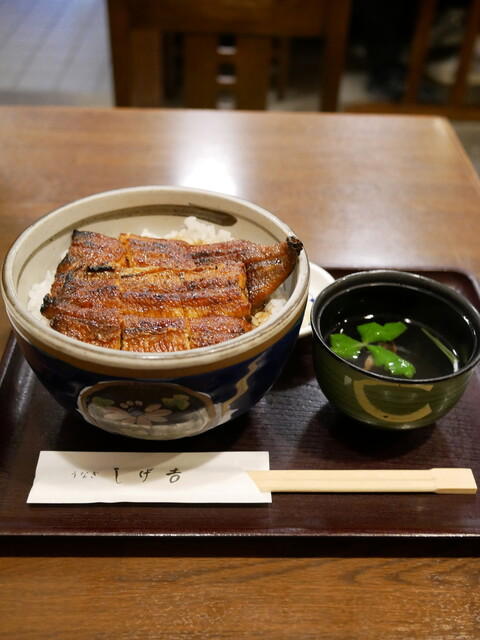
The approach to a serious unagi meal in Gifu is not built around spectacle. It is quieter than that: the promise of heat, rice, a room where families and regulars understand the rhythm, and a kitchen whose reputation depends on how eel is handled. In Seki, a city better known internationally for blades than dining rooms, eel sits close to craft culture: edge, timing, and repetition matter.
That is the right frame for Shige Yoshi. The point is not novelty. The point is an ingredient-led Japanese tradition in which the main material gives the house almost no cover. Unagi exposes sourcing and technique quickly: poor eel tastes muddy, careless cooking turns richness into heaviness, and excessive seasoning hides the fish rather than supporting it. A restaurant selected for Tabelog 100 Unagi 2024 is being judged inside a narrow category with informed local competition, not a broad casual-dining pool.
Gifu eel culture, seen through sourcing and restraint
Unagi in central Japan carries expectations of careful heat, balance, and rice that supports the eel without distracting from it. Seki’s position in Gifu puts it near a regional eating culture that values straightforward craft, local rhythms, and old-fashioned set-meal structure more than metropolitan tasting-menu choreography.
That matters because eel is a procurement test before it is a cooking test. Restaurants in this category are not selling a long menu of seasonal flourishes; they are selling confidence in one central ingredient. The listed price band, lunch at JPY 3,000 to JPY 3,999 and dinner at JPY 4,000 to JPY 4,999, places the experience in a serious regional bracket rather than the splurge tier occupied by many urban counters. It is not cheap eating, but it is ingredient-specific eating: the budget goes into eel, rice, and the labor behind a focused unagi meal.
Within Seki, that makes a clear distinction. Tsujiya gives visitors another local point of reference for the city’s unagi tradition. Sushi Konno points the itinerary toward sushi, while Tokiwa 1921 suggests a different kind of Seki meal. The sharper editorial decision is not which restaurant is grander; it is what kind of meal the trip requires. For eel, the narrowness of the format is the strength.
A regional specialist rather than a metropolitan performance
The practical signals around Shige Yoshi reinforce that character without needing theatrical language. This is best understood as a regional unagi specialist, not a hushed counter built for collectors. The appeal lies in a familiar Japanese dining format: a focused category, a clear expectation from regular diners, and the sense that the kitchen is judged by repetition rather than by constant reinvention.
The Tabelog score of 3.86 and selection for Tabelog 100 Unagi 2024 give the restaurant a clearer trust signal than loose praise would. The award is category-specific, and that specificity matters in a field where many diners know exactly what they want from eel. The listed display should not be read as a formal rank, but inclusion places the restaurant inside a national conversation about unagi specialists.
There is a useful caution in that popularity, too. Ingredient-led Japanese restaurants can be shaped by daily supply, local demand, and service rhythms that do not always match a visitor’s ideal schedule. The meal therefore rewards planning, patience, and a willingness to treat logistics as part of the experience. This is the kind of place where the operating texture is not separate from the cooking; it belongs to the same regional, old-school frame.
How to fold it into a Seki food itinerary
Seki is not a city where visitors should build a day around a single dining room and ignore the rest. Its appeal is cumulative: knife craft, small-scale restaurants, local transport rhythms, and a dining culture that does not bend itself into tourist theatre. For a broader read on the city, start with our full Seki restaurants guide, then pair meals with our full Seki hotels guide, our full Seki bars guide, our full Seki wineries guide, and our full Seki experiences guide.
Readers comparing Japanese regional specialists beyond Gifu can use the same logic elsewhere: ingredient, format, price, and locality first, decoration second. A focused meat meal, a seafood address, a compact café, a curry counter, or a ramen stop each asks a different question of the traveler. The same is true within Seki, where other dining rooms can be chosen not as competitors to Shige Yoshi, but as different answers to the question of what the day should taste like.
For travelers extending the Japanese food thread more broadly, it is useful to separate places that export a format from places that remain rooted in a local appetite. Shige Yoshi belongs to the latter side of that equation: a regional original whose value lies in staying close to its ingredient, its local demand, and the discipline of eel cookery.
Frequently asked questions
Where exactly is Shige Yoshi?
Shige Yoshi is located in Seki.
What should I budget for a meal at Shige Yoshi?
Pricing at Shige Yoshi is listed as dinner at JPY 4,000 - JPY 4,999 and lunch at JPY 3,000 - JPY 3,999.
Is Shige Yoshi reservation-only?
Check the venue's official channels for the latest details before visiting.
What is Shige Yoshi known for?
Shige Yoshi is known as an unagi restaurant in Seki and was selected for Tabelog 100 Unagi 2024.
Comparable Spots, Quickly
Comparable venues by cuisine and price in the same metro.
| Venue | Cuisine | Price | Awards | Notes |
|---|---|---|---|---|
| Shige YoshiThis venue (the venue you are viewing) | Japanese Unagi (Eel) | Not listed | Tabelog 100 #59 | Not listed |
| Tokiwa 1921 | Japanese yoshoku (omurice & hamburger steak) | $10–20 | Tabelog 100 #27 | Imojiya, Seki |
| Tsujiya | Traditional Unagi (Freshwater Eel) Restaurant | $20–30 | Tabelog 100 #9 | Honmachi |
| Sushi Konno | Modern Seasonal Sushi Omakase | $100–150 | Tabelog 100 #84 | Seki |
| りんすけ | 南予郷土料理 たいめし | Not listed | Not listed | 内子町内子 |
| 橋本屋 | Spice Curry | $10–20 | Tabelog Bronze #99 | Minami-Senba |
Recognition history
Dated appearances from independent guides and award organizations, with the underlying list record or original source where available.
Tabelog 100 #59 · No. 59
Tabelog · Tabelog 100 - Unagi - 2024
Continue exploring
More in Seki
Restaurants in Seki
All restaurants in Seki →
Details
- Classic
- Cozy
- Casual Hangout
- Family
- Group Dining
- Standalone
- A La Carte
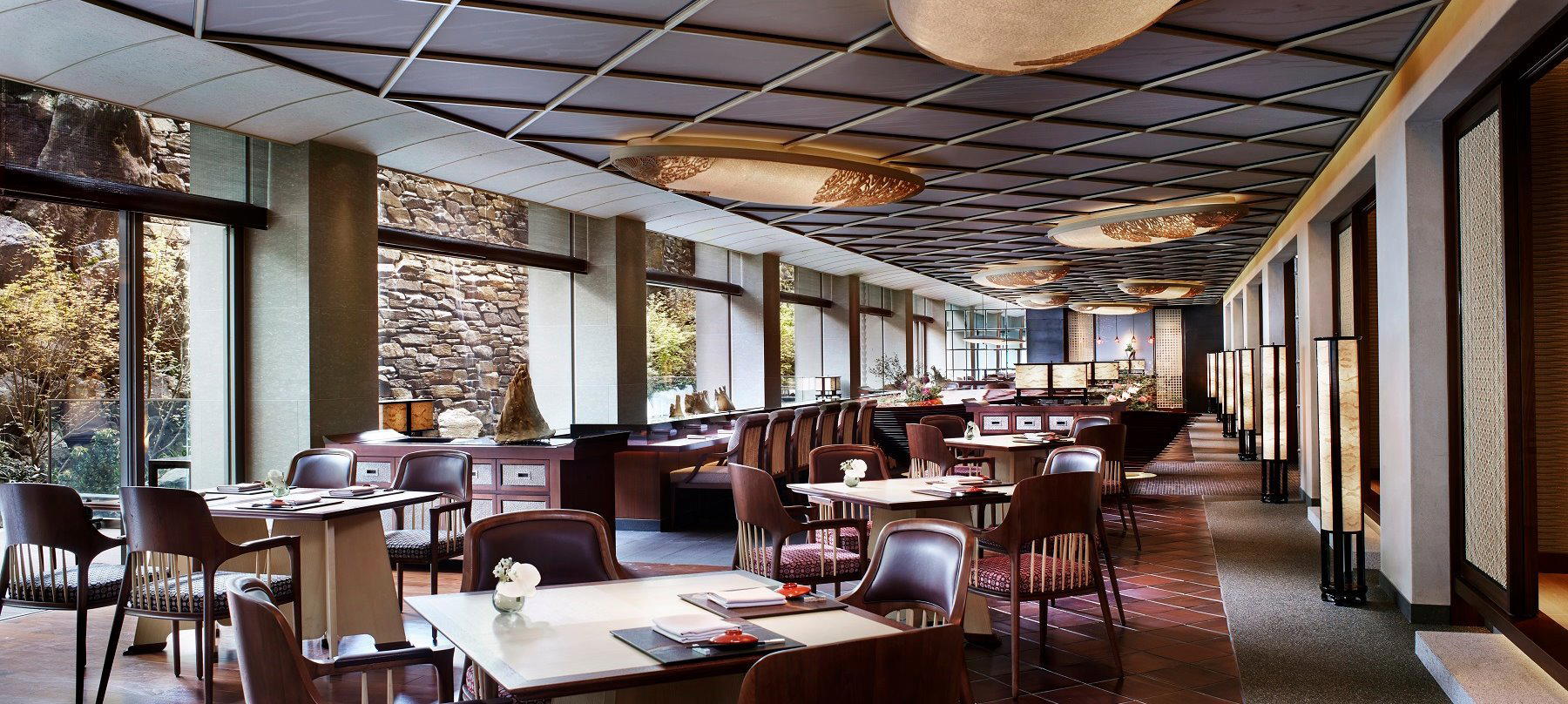
A traditional, no-frills eel restaurant atmosphere that feels familiar and focused on the food rather than decor.