Tsipouradiko sits on Agiou Athanasiou in Fira, Santorini, carrying a format rooted in the Greek tsipouradiko tradition: informal gatherings anchored by tsipouro and small plates that prioritize conviviality over ceremony. In a caldera-view destination where polished fine dining dominates, it occupies a different register entirely, one closer to how Greeks actually eat on the islands.
- Address
- Agiou Athanasiou, Thira 847 00, Greece
- Phone
- +30 2286 021847
- Website
- facebook.com
- Directions
- Get directions
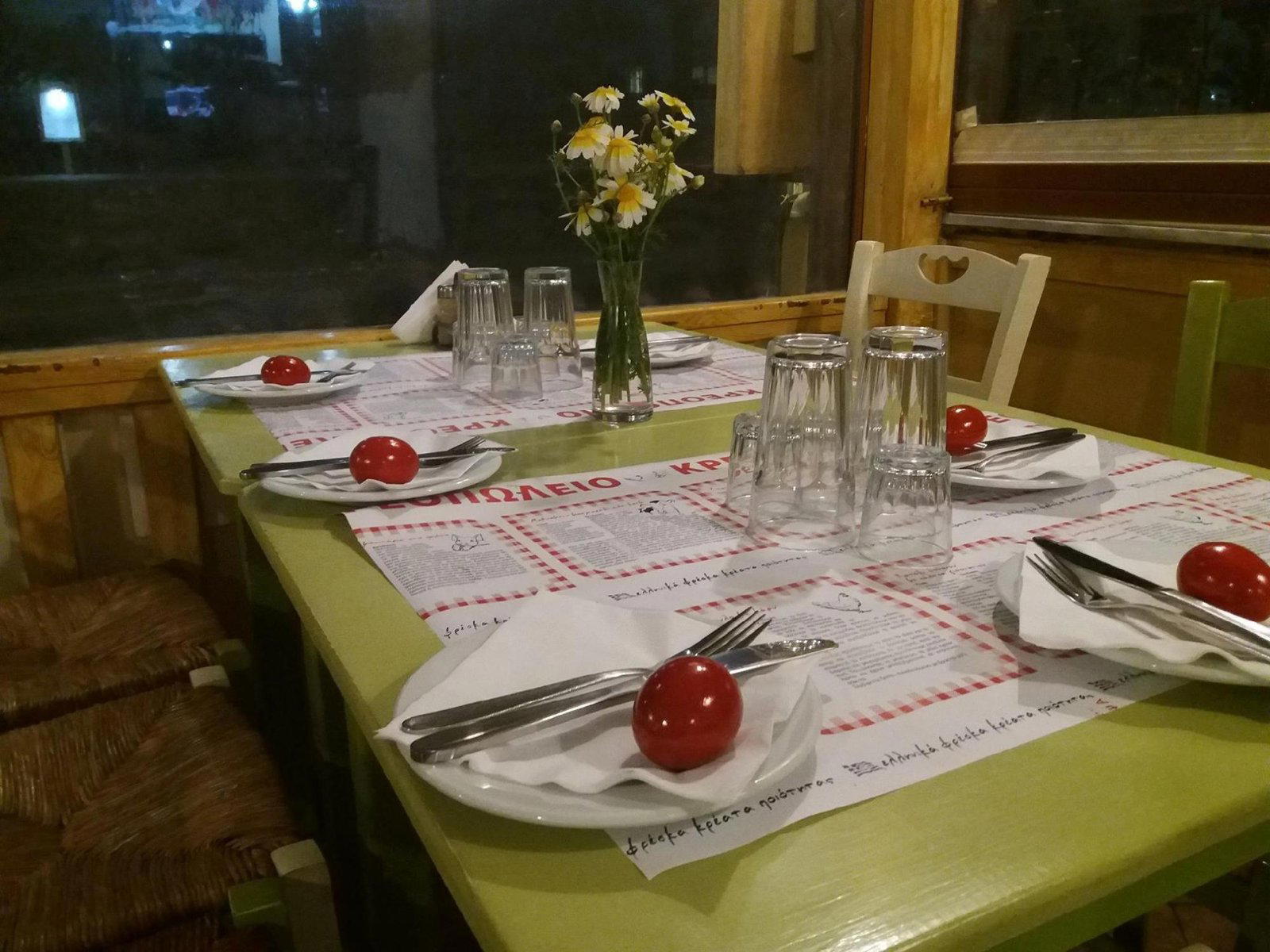
The Tsipouradiko Tradition in a Caldera-View Town
Santorini's dining scene has spent the last two decades consolidating around a particular image: white-walled terraces, sunset cocktails priced above mainland restaurant mains, and tasting menus calibrated for international visitors. Fira, as the island's commercial and administrative center, absorbs much of that pressure. Which is precisely why a tsipouradiko format here registers as a deliberate counter-position rather than an oversight. Where venues like Koukoumavlos operate at the upper end of Fira's fine-dining tier, Tsipouradiko situates itself in an older, less performative Greek eating tradition.
The tsipouradiko as a category traces back to northern Greece, particularly Thessaly and Macedonia, where small establishments built their identity around tsipouro, the grape-pomace spirit that predates ouzo's commercial dominance by centuries. The format is informal by design: tsipouro arrives in small carafes or glasses, accompanied by mezedes, the small plates that function less as a structured menu and more as a running conversation between kitchen and table. The point is duration and ease, not choreography. That format has migrated south and into island contexts over the years, but it retains its essential character: a place where the drink drives the pace and the food arrives in waves rather than courses.
What This Format Means in Practice
In a destination that draws visitors primarily from northern Europe and North America, the tsipouradiko model asks something slightly different from its guests. The rhythm is set by the table, not the kitchen. Dishes are not sequenced to build toward a climax; they accumulate. A spread might move from taramosalata and olives to grilled octopus to fried cheese to something heavier, with no particular logic except appetite and conversation. Greek dining culture, particularly outside Athens, has always operated this way, and venues like Tsipouradiko preserve that approach in a market that otherwise optimizes for a different kind of experience.
For comparison, the broader Greek fine-dining tier, represented by Athens institutions such as Delta in Athens or venues across the Aegean, has moved toward structured menus with European service rhythms. The tsipouradiko format sits deliberately outside that trajectory. It is not trying to compete with the caldera-view category; it is addressing a different appetite entirely.
Fira's Eating Character Beyond the Rim
Most visitors experience Fira from its western edge, the caldera-facing strip where bars and restaurants compete on view as much as on plate. Agiou Athanasiou, where Tsipouradiko is addressed, sits in the town's less theatrical interior. That positioning matters for understanding what the venue is doing: it is not primarily selling a location premium, which puts more weight on what arrives at the table.
The broader Santorini context places this in sharper relief. The island's most discussed dining addresses, from Selene to Sunset Ammoudi by Paraskevas, have each staked out specific territory within the visitor economy. Tsipouradiko operates in a different register, one that becomes more intelligible if you have also spent time at comparable formats in Volos or Thessaloniki, where the tsipouradiko is a daily institution rather than a novelty. Visitors arriving from the Mykonos circuit, where venues like Almiriki operate, will find the tone considerably less constructed here.
Tsipouro, Mezedes, and the Greek Drinking Table
Tsipouro itself deserves some explanation for visitors encountering it for the first time. The spirit is distilled from grape pomace, the skins, seeds, and stems left after pressing for wine, and ranges from clear and unaged to barrel-rested varieties with more color and complexity. It is typically drunk at room temperature or slightly chilled, in modest pours, alongside food rather than before or after it. The mezedes that accompany it are not appetizers in the Western sense; they are companions to the drink, designed to sustain a table over an hour or two rather than prepare it for a main course.
This cultural framing shapes the entire experience at a venue like Tsipouradiko. The measure of a good sitting is not whether a tasting menu has been technically executed; it is whether the table has eaten and drunk at its own pace, whether the conversation has had room to move, and whether the bill, when it arrives, reflects something proportionate to time spent rather than a premium attached to spectacle. That is the tradition the format carries, from its northern Greek origins to its current position on Agiou Athanasiou in Thira 847 00, Greece.
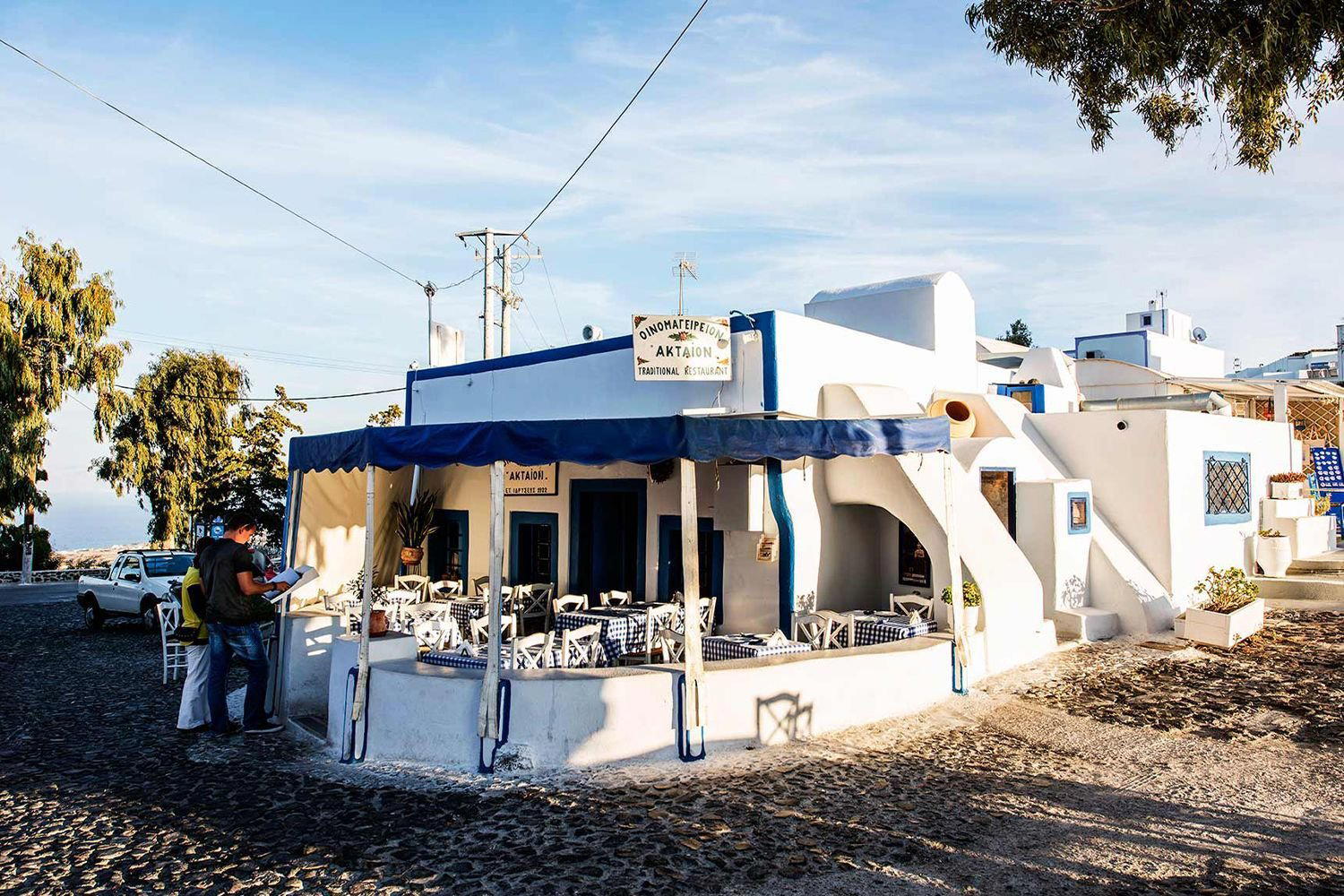
This kind of format has parallels elsewhere in the Aegean. Cantina in Sifnos Island and Aktaion in Firostefani each occupy informal registers within their own island contexts, while venues at the other end of the formality scale, such as Etrusco in Kato Korakiana or Old Mill in Elounda, demonstrate how differently Greek hospitality can be packaged when the target audience shifts. Tsipouradiko sits firmly in the informal, culturally grounded end of that range.
Planning a Visit
The venue is addressed at Agiou Athanasiou, Thira 847 00, Greece. Given the informal nature of the tsipouradiko format, the approach to visiting is more flexible than at reservation-driven fine-dining addresses: walking in is consistent with how these establishments function across Greece. That said, Santorini's summer season concentrates visitor numbers significantly between June and August, and even casual-format restaurants in Fira can fill quickly during peak weeks. Arriving before the main dinner rush, typically before 8pm in July and August, generally gives more comfortable access.
Budget Reality Check
Comparable venues nearby, for context on price, style, and recognition.
| Venue | Cuisine | Price | Notes |
|---|---|---|---|
| TsipouradikoThis venue — the venue you are viewing | Fira, Traditional Greek Tsipouradiko | $ | Not listed |
| Koukoumavlos | Imerovigli, Modern Greek Fine Dining | $$$$ | Not listed |
| Sunset Ammoudi by Paraskevas | Not listed | $$$ | Ammoudi Bay, Traditional Santorini Seafood |
| Marymary restaurant | Not listed | $$ | Armenistis, Modern Greek with International Twist |
| Souvlucky | Maragkas, Greek Beach Grill | $ | Not listed |
| Restaurant 21 Olive | Kalambaka, Traditional Greek | $$ | Not listed |
Continue exploring
More in Fira
Restaurants in Fira
Browse all →
Bars in Fira
Browse all →
Hotels in Fira
Browse all →
At a Glance
- Rustic
- Cozy
- Casual Hangout
- Late Night
- Standalone
- Local Sourcing
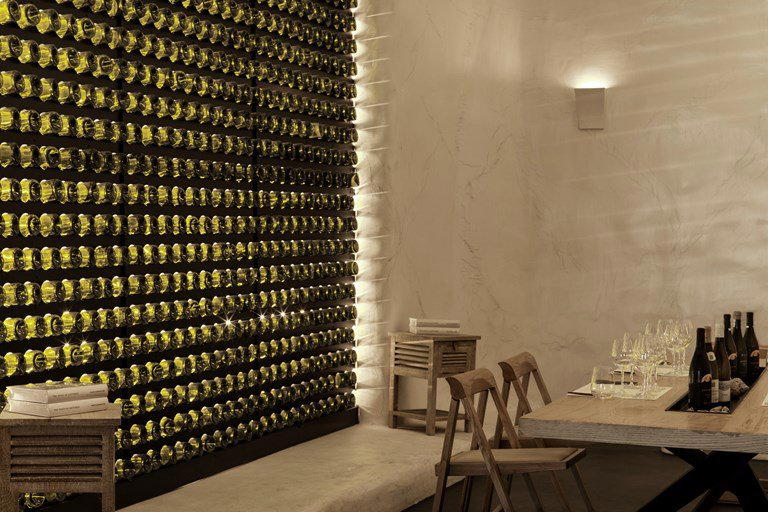
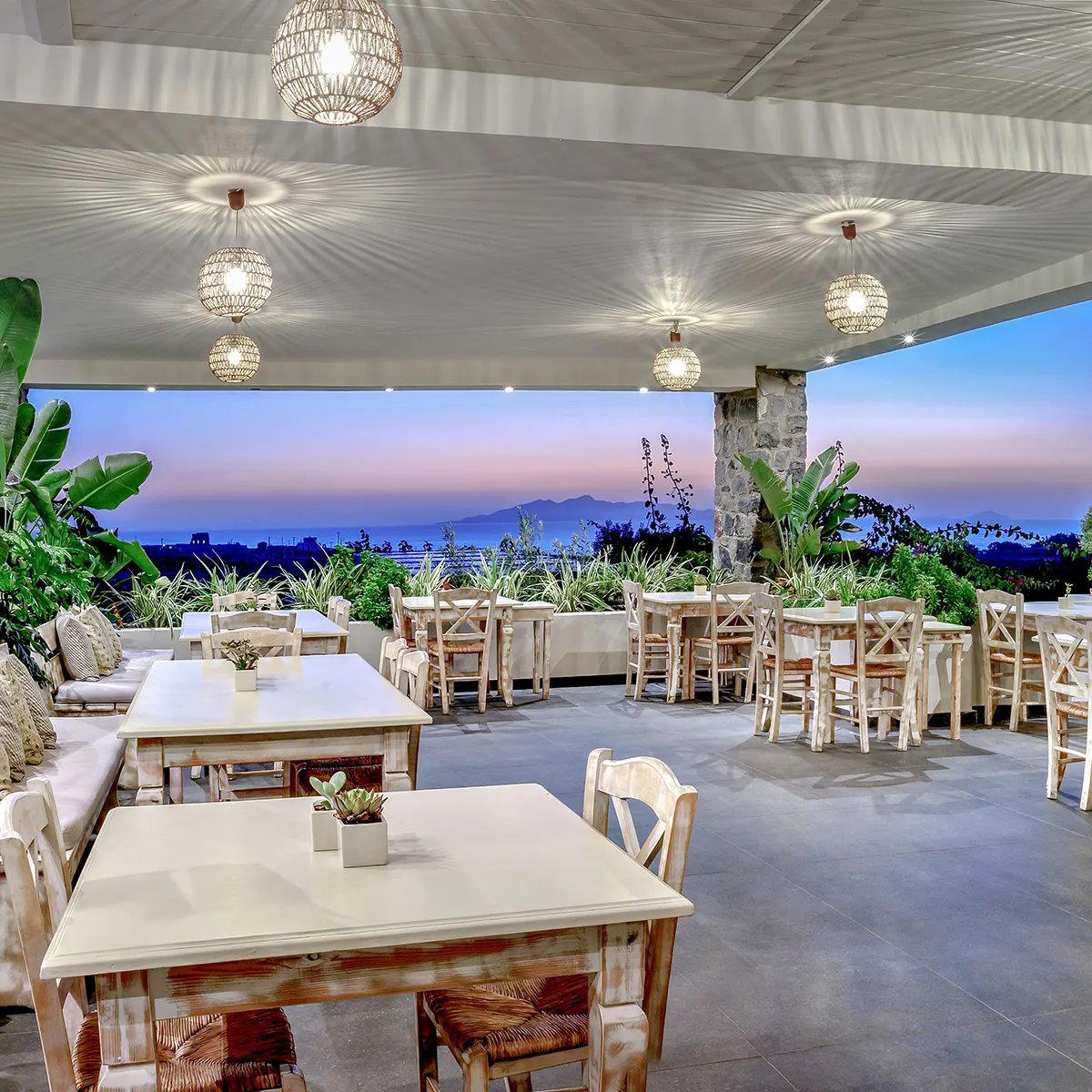
Casual and authentic with minimal decor, focused on shared dining and local atmosphere.