Truffle
Our verdict
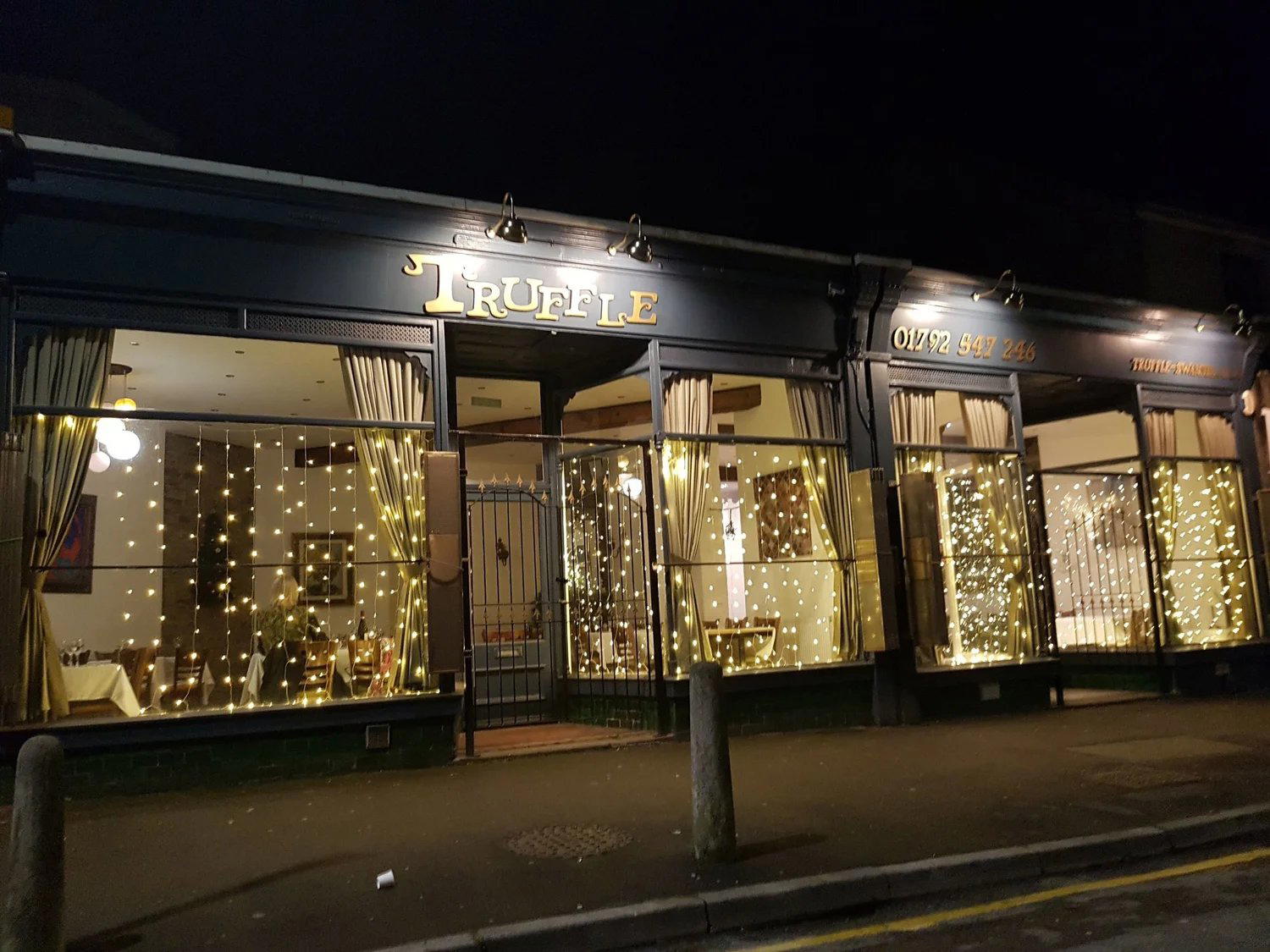
Truffle occupies a quiet address on King Edward Road in Swansea, operating in the smaller tier of the city's serious dining scene. The menu architecture here does the positioning work: a focused, ingredient-led approach that places it alongside rather than below the Welsh capital's more celebrated rooms. For Swansea, it represents a deliberate step toward the kind of precision-first dining more commonly associated with England's rural destination restaurants.

Pearl is the En Primeur Club membership app, where members save venues, book tables and use the concierge.
The menu
What to order
- Pan-fried fillet of seabream
- Slow cooked pork belly
King Edward Road and the Quieter End of Swansea's Dining Scene
Swansea's serious restaurant scene is compact enough that geography does some of the editorial work. The city centre and Marina corridors hold most of the recognisable names, but King Edward Road sits at a slight remove, which tends to filter out the casual traffic. Truffle, at 1A King Edward Road, operates in that quieter pocket, a detail that shapes the experience before a single dish arrives. Rooms that require a deliberate journey tend to attract a more committed diner, and the absence of passing footfall is often reflected in the kitchen's willingness to take its time with the plate.
In a city where the dining conversation regularly pulls between the coastal informality of Mumbles and the urban rooms closer to the waterfront, a restaurant that asks diners to seek it out is making a statement about what it expects from its audience. That positioning aligns Truffle with a tier of Welsh dining that is less about spectacle and more about sustained attention to the plate.
Menu Architecture as Editorial Argument
Across British regional dining, the menu has become one of the clearest signals of a restaurant's ambitions. At the upper end of the provincial market, from L'Enclume in Cartmel to Moor Hall in Aughton, menus tend to be structured around a clear seasonal logic, with dish count kept deliberately low and ingredient sourcing treated as a narrative thread rather than a footnote. The same principle operates in smaller regional cities, where the restaurants that hold their ground over time are usually those that resist menu sprawl.
Truffle's name is itself a menu argument. Naming a restaurant after one of the most technically demanding and seasonally specific ingredients in European cooking is a positioning decision that carries weight. It signals that the kitchen intends to work with luxury ingredients seriously rather than deploy them as a shorthand for occasion dining. In British fine dining more broadly, the truffle has moved from garnish to structural ingredient over the past decade, a shift visible at rooms like CORE by Clare Smyth in London and, at a different scale, Gidleigh Park in Chagford. For a Swansea address to plant its flag in that territory says something about the seriousness of intent.
The most coherent menus in this register tend to follow a logic of restraint: fewer dishes, higher specification per dish, and a willingness to let a single ingredient carry a course rather than building complexity through accumulation. Whether Truffle operates on that model or takes a more pluralist approach, the name commits the kitchen to a standard of sourcing and seasonal attentiveness that a more neutral restaurant title would not.
Where Truffle Sits in Swansea's Competitive Set
Swansea's table-service restaurant scene is not large, but it has developed a genuine range across price points and cooking styles over the past several years. Bouchon De Rossi anchors the French-influenced end of the market, while Gilligan's Restaurant and Hanson at the Chelsea cover different registers of the contemporary Welsh dining conversation. Coastal destinations like Nok Nok Authentic Thai Restaurant Mumbles and the seafood-forward Môr pull diners toward the Mumbles end of the bay.
Within that field, a restaurant operating under an ingredient-specific name occupies a distinct niche. The comparison set for Truffle is not the casual dining tier but the rooms that treat the plate as the primary reason for the visit. In the Welsh context, that places it alongside a small number of addresses where the kitchen's relationship with produce, particularly seasonal Welsh produce, drives the offer rather than follows it.
For broader context, the trajectory of British regional fine dining over the past fifteen years has demonstrated that destination quality is not confined to London or to a handful of rural Michelin addresses. Rooms like hide and fox in Saltwood, Midsummer House in Cambridge, and Opheem in Birmingham have all built national reputations from regional bases. The conditions for that kind of standing exist in Swansea: a food culture with genuine local identity, proximity to strong Welsh agricultural and coastal produce, and a dining audience that has grown more sophisticated alongside the country's broader hospitality development.
The Wider Register: Ingredient-Led Cooking in a British Context
The ingredient-led model that a name like Truffle implies has deep roots in British fine dining, running from the classical French influence at Waterside Inn in Bray and Le Manoir aux Quat'Saisons in Oxford through to the contemporary British approach at Hand and Flowers in Marlow. What those rooms share, across different price points and formats, is a commitment to letting produce quality carry the plate rather than masking it. At the international end of the spectrum, the same principle operates at very different scales, from Le Bernardin in New York City to the Korean precision of Atomix in New York City.
The truffle itself sits at the intersection of that tradition. It is an ingredient that rewards restraint: too much heat and the aromatic compounds dissipate, too many competing flavours and the point is lost. Kitchens that work with it seriously tend to build menus around it rather than dropping it into dishes as a finishing luxury, and that structural commitment is what separates ingredient-led cooking from ingredient-adjacent cooking.
Planning a Visit
Truffle is at 1A King Edward Road, Swansea SA1 4LH, a short distance from the city centre but away from the primary commercial dining corridors. For visitors arriving by rail, Swansea's main station is the natural entry point to the city, with the King Edward Road address reachable on foot or by a short taxi journey. Given the restaurant's positioning in Swansea's more considered dining tier, booking ahead is the sensible approach rather than arriving without a reservation. For a broader map of where Truffle sits within the city's dining offer, the full Swansea restaurants guide provides context on the full range of options across neighbourhoods and price points.
Frequently asked questions
What part of town is Truffle in?
Truffle is located at 1A King Edward Rd, Swansea SA1 4LH, United Kingdom, Swansea.
How does Truffle compare to other serious restaurants in Swansea?
Swansea's table-service restaurant scene has developed genuine range across price points over the past several years, but venues with an explicit ingredient focus remain a smaller subset. Truffle's address at 1A King Edward Road puts it outside the Marina and city-centre clusters, which tends to correlate with restaurants that rely on reputation rather than passing trade. No formal awards are currently documented against the venue, but its positioning within Swansea's cooking landscape warrants attention from anyone tracking the city's dining direction.
What dish is Truffle famous for?
No single signature dish has been formally documented in published sources. The name Truffle signals an ingredient-led approach, situating the kitchen within a British fine dining tradition where seasonal produce does the heavy lifting. For the current menu, contacting the restaurant at 1A King Edward Road directly is the most reliable route.
Do they take walk-ins at Truffle?
Walk-in policy has not been formally published. Truffle sits away from Swansea's primary commercial dining corridors on King Edward Road, which typically means a quieter footfall dynamic than city-centre venues, but that does not guarantee availability. Booking ahead is the safer approach, particularly on weekends.
What's the defining dish or idea at Truffle?
The name points toward an ingredient-first philosophy, a posture common to the more ambitious end of British regional dining where the sourcing decision is the editorial statement. In Swansea's table-service scene, that positioning places Truffle in a distinct tier from the city's more casual operators.
Reputation Context
Comparable venues nearby, for context on price, style, and recognition.
| Venue | Cuisine | Price | Awards | Notes |
|---|---|---|---|---|
| TruffleThis venue (the venue you are viewing) | French Contemporary Bistro | $20–30 | Not listed | Not listed |
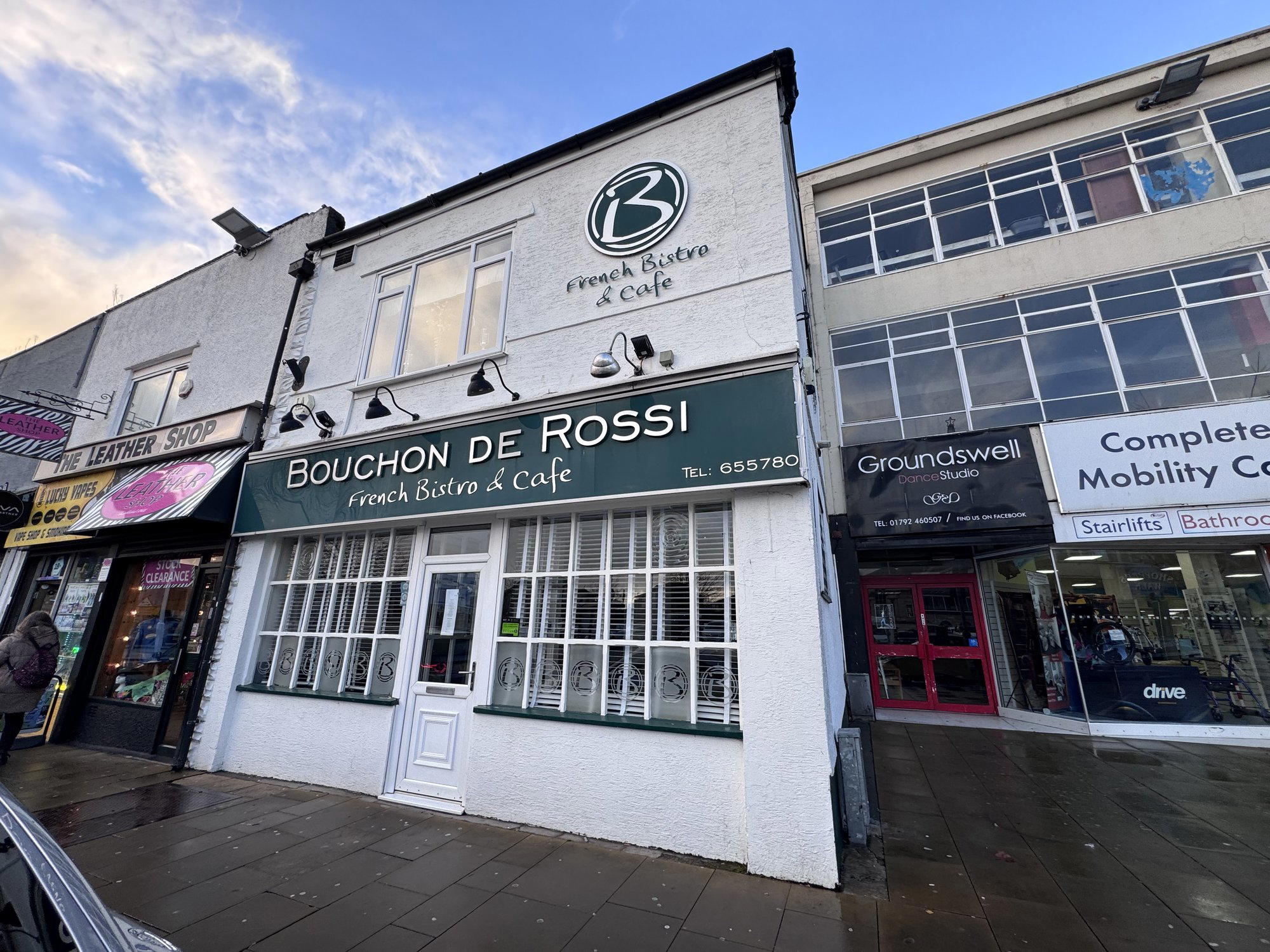
| Bouchon De Rossi | Classic French Bistro | $30–50 | Not listed | Swansea City Centre |
| Pant-y-Gwydr restaurant | Classic French with Vegan | $30–50 | Not listed | city centre |
| Nok Nok Authentic Thai Restaurant Mumbles | Authentic Thai | $20–30 | Not listed | Mumbles |
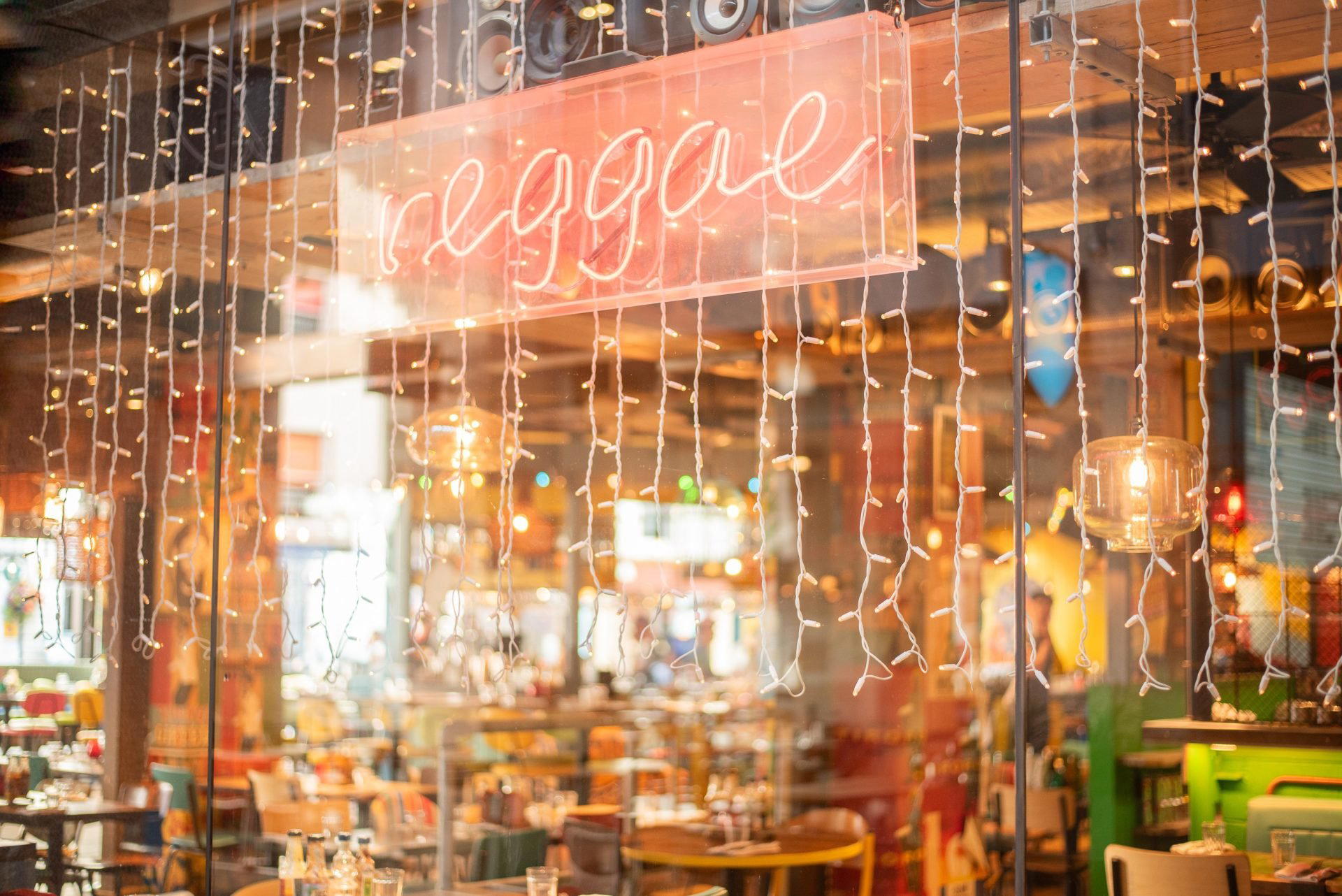
| Turtle Bay Swansea | Caribbean Jerk Pit | $20–30 | Not listed | City Centre |
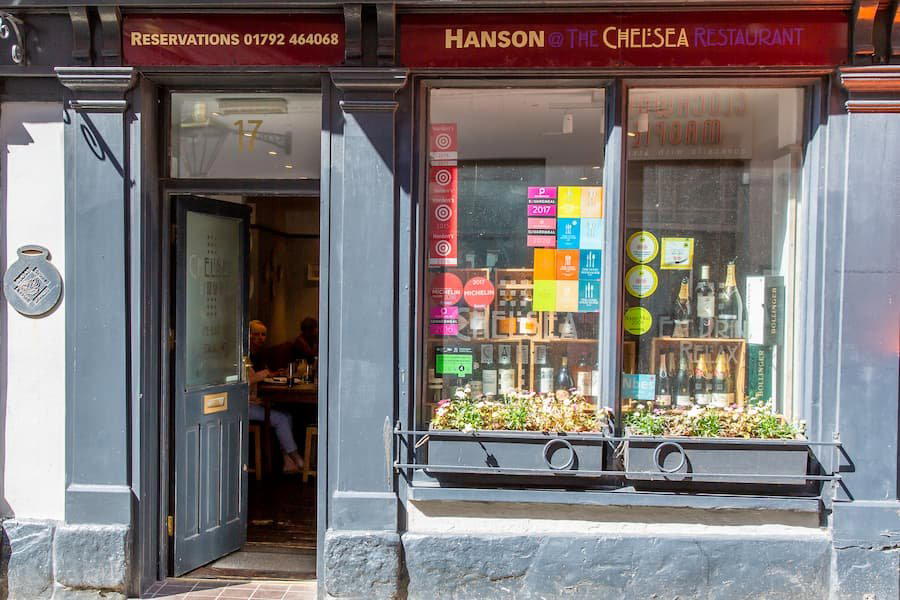
| Hanson at the Chelsea | Classical French Seafood Bistro | $50–100 | The Good Food Guide GFG Good | Wind Street, Swansea city centre |
Continue exploring
More in Swansea
Restaurants in Swansea
All restaurants in Swansea →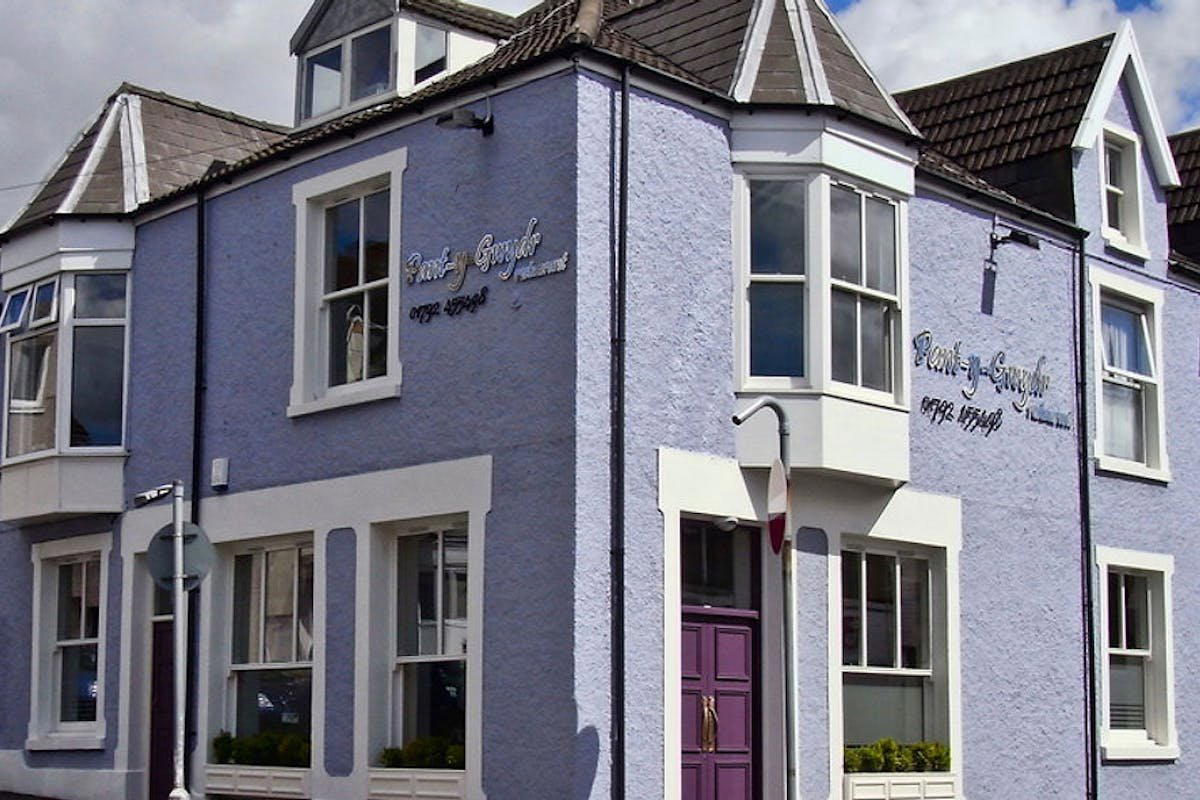
Hotels in Swansea
Browse all →
Details
- Cozy
- Intimate
- Date Night
- Special Occasion
- Group Dining
- Standalone
- Byob
- Local Sourcing
- Set Menu
- Byob
- Vegetarian Friendly
- Vegan Options
Current opening hours
- Monday
- Closed
- Tuesday
- Closed
- Wednesday
- Closed
- Thursday
- 5–11:30 PM
- Friday
- 5–11:30 PM
- Saturday
- 12–11:30 PM
- Sunday
- Closed
Hours can change for holidays and private events. Hours as of .
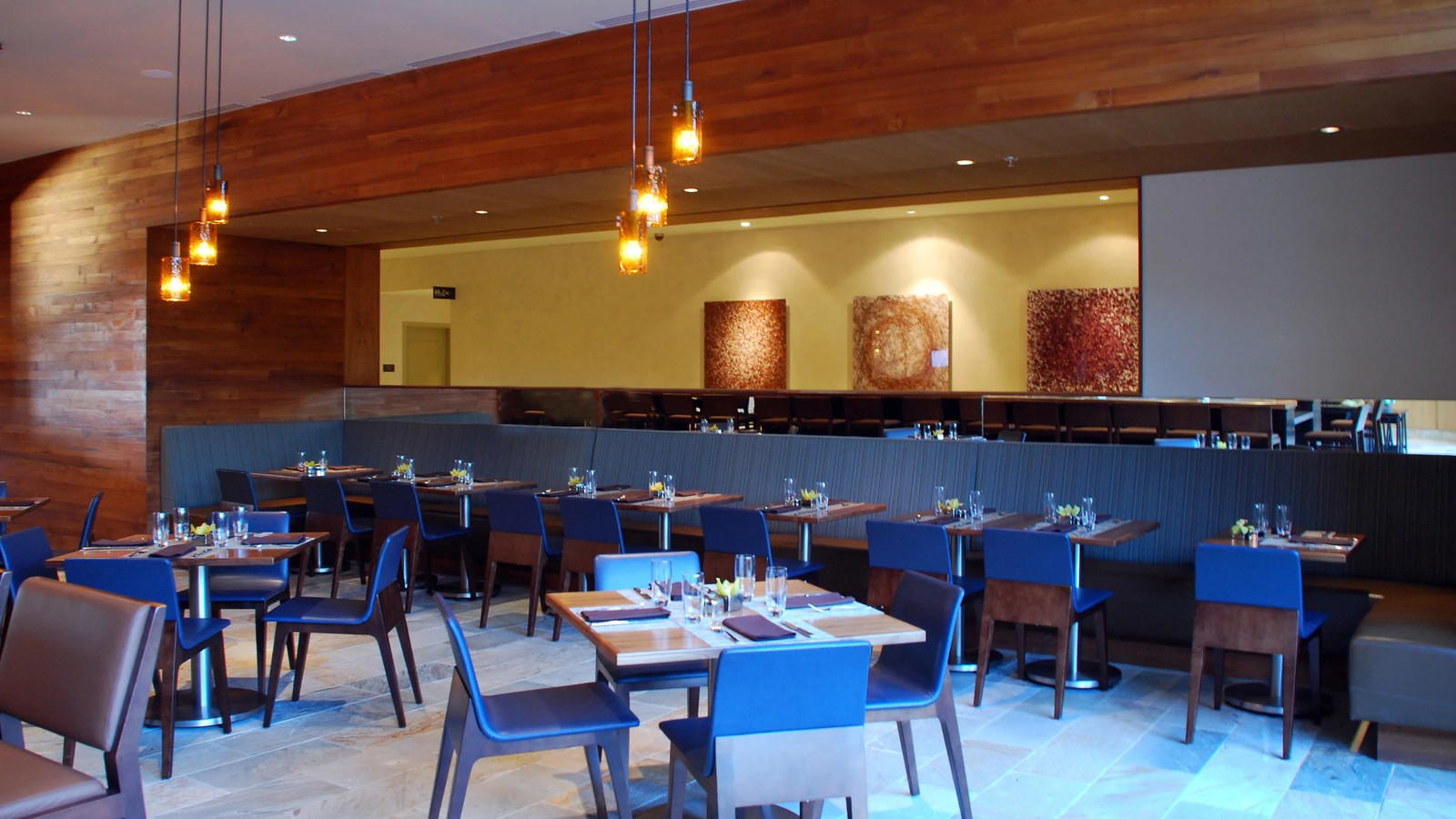
Warm and welcoming atmosphere with well-spaced tables, minimalist decor featuring white walls and bold artwork.