Turtle Bay Swansea
Our verdict
Turtle Bay on Castle Street brings Caribbean-influenced cooking to central Swansea, operating within the national chain's signature formula of rum-forward cocktails and boldly spiced mains. The city-centre address places it firmly in Swansea's casual dining circuit, a useful reference point for visitors building an evening around the SA1 quarter.

Pearl is the En Primeur Club membership app, where members save venues, book tables and use the concierge.
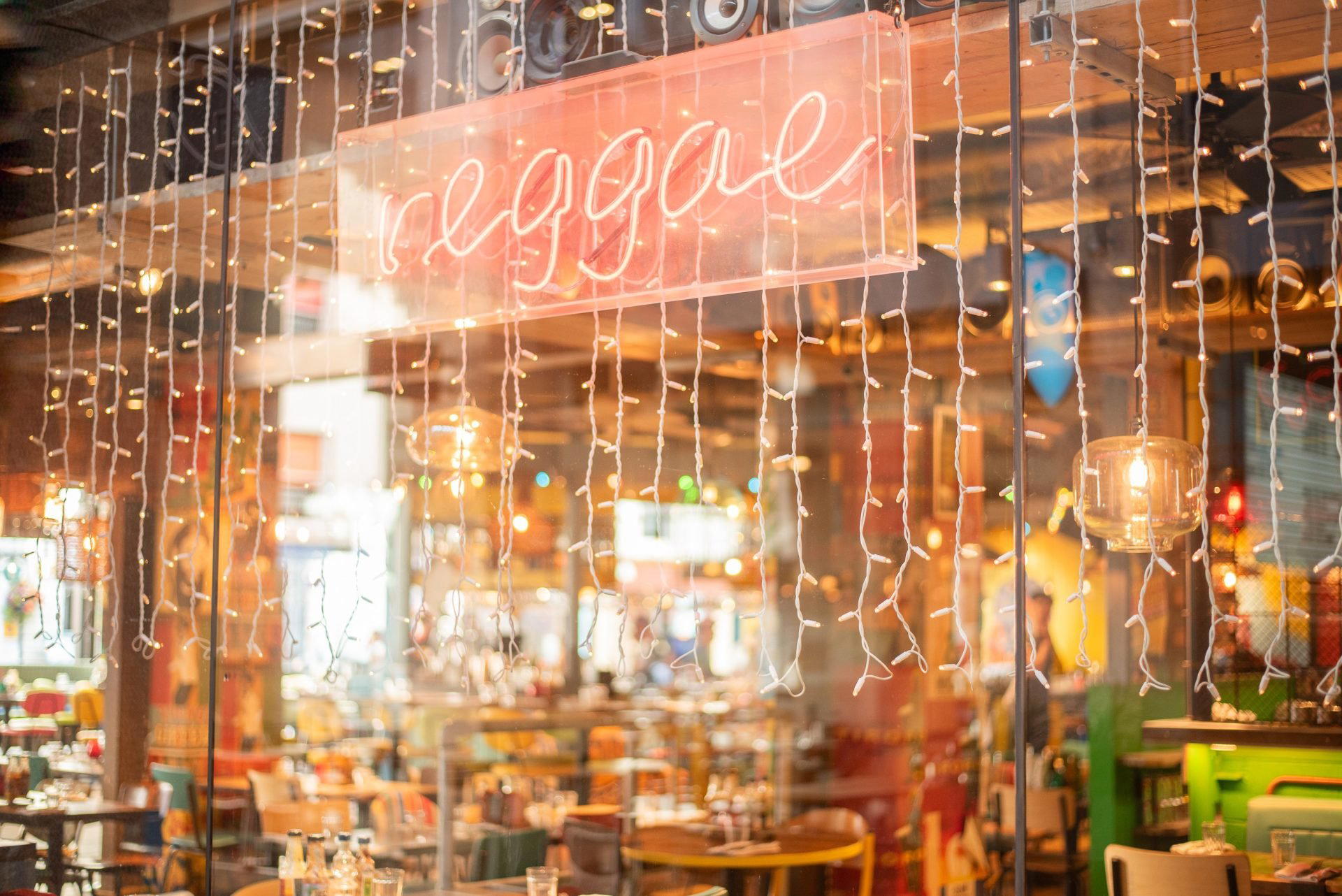
Caribbean Cooking in a Welsh City Centre
Swansea's casual dining scene has expanded considerably over the past decade, and the stretch around Castle Street now draws a range of visitors looking for something beyond traditional Welsh pub food. Within that shift, Caribbean cuisine occupies an interesting position: it is common enough in British city centres to feel familiar, yet distinct enough in its spice vocabulary and cooking techniques to offer genuine contrast to the Modern British and European options that define most of the surrounding restaurant offer. Turtle Bay, at 10 Castle St, sits inside this pattern as part of a national chain that has made Caribbean-influenced cooking accessible across the UK high street.
The broader Caribbean dining format that chains like Turtle Bay have standardised draws on a wide pantry: scotch bonnet chillies, allspice, plantain, jerk seasoning, and rum in quantities that would make a Jamaican grandmother raise an eyebrow. Whether the sourcing behind that pantry reflects genuine Caribbean supply chains or supermarket-grade approximations matters to the critical reader, and it is a question worth holding in mind when reading any chain operation's menu language. The ingredient story of Caribbean cooking, at its most serious, runs from Scotch bonnet cultivation in the Windward Islands to aged rum from Barbados and Trinidad, and that provenance is what separates a considered kitchen from one treating the cuisine as a flavour costume.
The Format and What It Signals
Chain restaurant formats in the UK casual dining tier have converged around a recognisable set of structural choices: open kitchens or semi-open formats, cocktail menus anchored to flavoured rums, sharing-friendly mains, and a soundtrack calibrated to feel lively without requiring conversation to stop. Turtle Bay follows this template with consistency across its estate, and the Swansea site on Castle Street is no exception. That consistency is both the chain's commercial strength and the ceiling on its critical ambition: the format is designed for reliability, not surprise.
For the visitor building a Swansea evening, this matters in practical terms. The Castle Street address places Turtle Bay within easy reach of the city's retail core and a short walk from the SA1 Waterfront quarter, which has developed its own cluster of independent eating options. Planning an evening that uses Turtle Bay as the drinks-and-small-plates opening before moving to a more ingredient-specific kitchen nearby is a legitimate approach to the city's geography. Swansea's independent restaurant offer, covered in depth in our full Swansea restaurants guide, gives visitors enough range to structure that kind of multi-stop evening without difficulty.
How Caribbean Sourcing Works at Scale
The ingredient sourcing question is worth expanding on, because Caribbean cooking at its serious end is deeply tied to place. Jerk technique, for instance, is not simply a spice rub: it historically involved pimento wood smoking, scotch bonnet marinades developed over generations, and slow cooking over live fire. The transition from that tradition to a national chain kitchen involves significant compromise, and the honest version of that compromise is a menu that captures flavour profiles without replicating process or provenance.
What this means for the diner at a venue like Turtle Bay is that the food operates as an accessible introduction to Caribbean flavour registers rather than a document of Caribbean culinary tradition. That is not a dismissal. The same logic applies to the Indian or Thai chains operating across the UK: scale and supply chain realities reshape authenticity, and the question becomes whether the result is competent and honest on its own terms. Caribbean-influenced cooking, approached at this tier, tends to work leading in its grilled and marinated proteins, where the spice logic is relatively direct, and least convincingly in anything requiring long, slow technique.
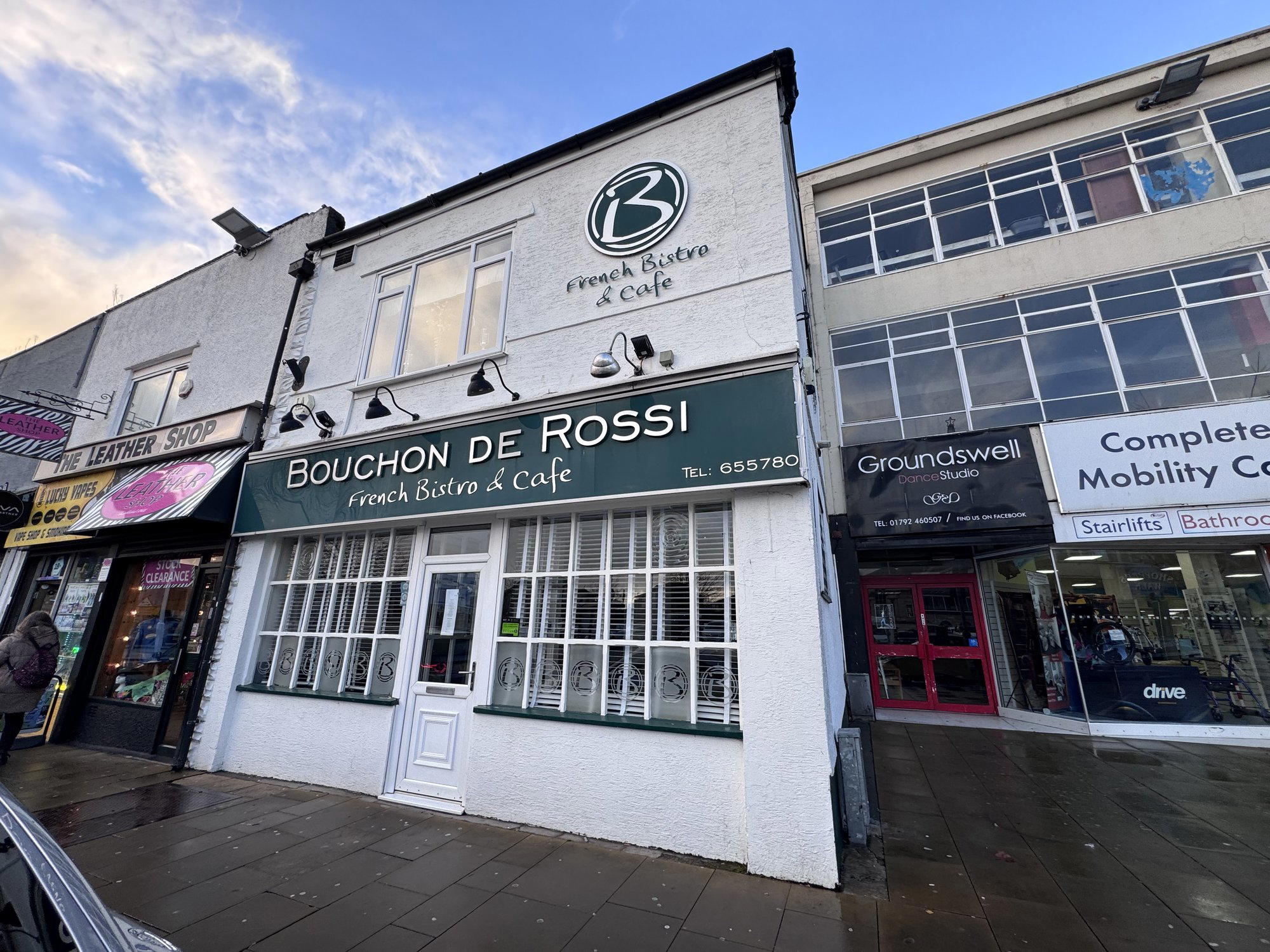
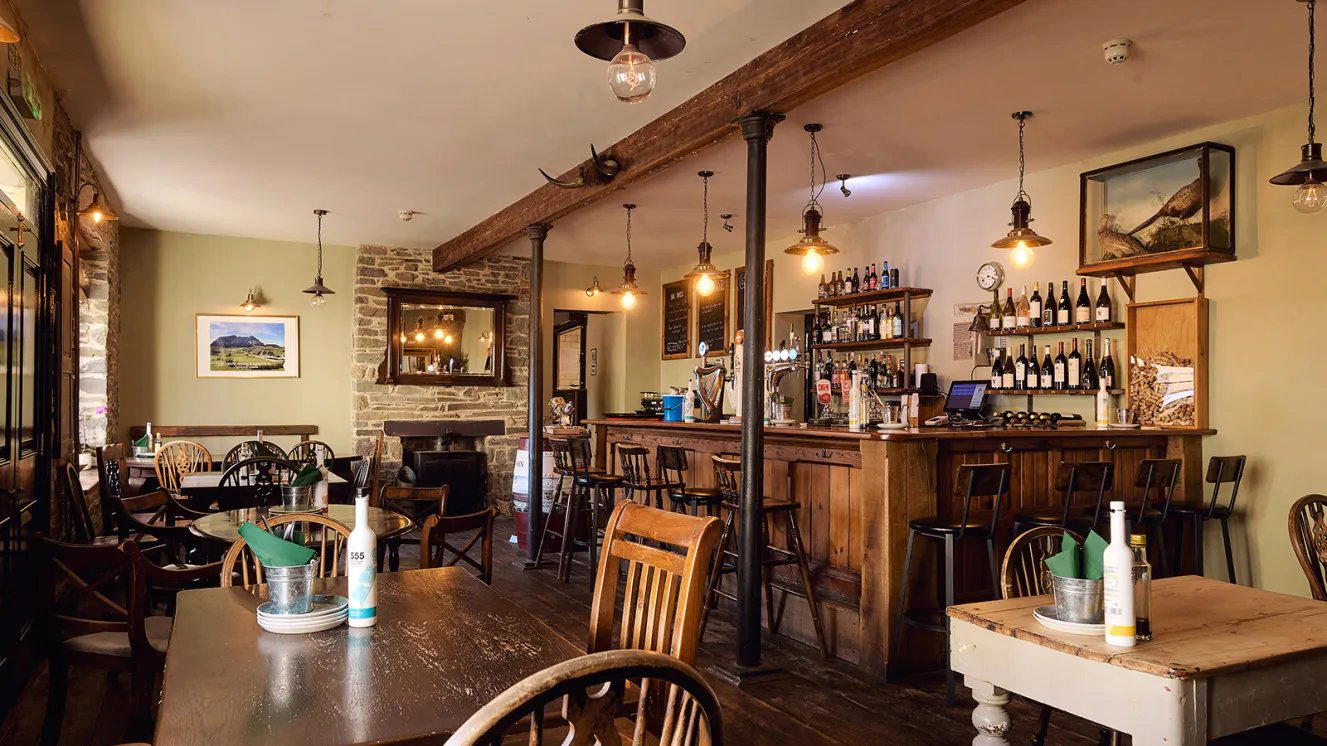
Visitors who want to benchmark that flavour register against a kitchen working with more specific sourcing and technique should look at how Swansea's independent restaurants handle their own supply chains. Môr works closely with Welsh coastal sourcing, while Bouchon De Rossi brings a French bistro discipline that relies on ingredient quality as its primary argument. Gilligan's Restaurant and Hanson at the Chelsea both represent Swansea's more considered end of the dining spectrum, alongside Nok Nok Authentic Thai Restaurant in Mumbles for those extending the evening beyond the city centre.
Where This Fits in the UK Dining Context
The UK's fine dining tier is operating at a different altitude entirely. Restaurants like CORE by Clare Smyth in London, L'Enclume in Cartmel, and Moor Hall in Aughton have built their reputations around sourcing specificity and technical rigour that chain operations cannot replicate. Le Manoir aux Quat'Saisons in Oxford, Waterside Inn in Bray, and Gidleigh Park in Chagford represent an older school of British destination dining where provenance is the narrative frame. Midsummer House in Cambridge, Hand and Flowers in Marlow, and hide and fox in Saltwood each occupy slightly different positions in that tier. None of this is the frame for evaluating Turtle Bay, which operates in an entirely different register.
For international comparison, kitchens like Le Bernardin in New York City and Atomix in New York City, or Birmingham's Opheem, demonstrate what happens when a non-European culinary tradition is handled with serious technical and sourcing commitment. That context clarifies where the casual Caribbean chain format sits, and why the comparison matters for any reader thinking seriously about what they are eating and where it comes from.
Planning Your Visit
Turtle Bay Swansea operates from 10 Castle Street in the SA1 1JF postcode, placing it in the central retail quarter and accessible on foot from both the train station and the waterfront. As a chain operation with walk-in capacity, advance booking is advisable for Friday and Saturday evenings when the city centre draws higher footfall. The rum cocktail list is the menu's most consistent performer across the estate, and the drinks-first approach suits the venue's position as a starting point in a longer evening rather than a destination in itself.
Frequently asked questions
How do I find Turtle Bay Swansea?
Turtle Bay Swansea is located at 10 Castle St, Swansea SA1 1JF, United Kingdom, Swansea.
Is Turtle Bay Swansea a good option for group dining in the city centre?
Turtle Bay's Castle Street address in Swansea city centre makes it one of the more accessible Caribbean-focused venues for groups arriving by foot, bus, or rail. The chain format across UK locations is structured to handle larger tables with a shareable-friendly menu and cocktail pitchers that suit group settings. As the only dedicated Caribbean casual dining operator in that part of the city, it fills a specific gap in the SA1 dining quarter.
What's the must-try dish at Turtle Bay Swansea?
Turtle Bay's menu is built around Caribbean staples, with jerk preparations at the core of the format across all UK locations. The kitchen at 10 Castle Street follows the chain's established approach to spiced and marinated proteins, so dishes rooted in jerk technique are the most representative of what the restaurant does.
Should I book Turtle Bay Swansea in advance?
Turtle Bay Swansea sits in the SA1 1JF postcode, within walking distance of Swansea's main transport links and the central retail quarter, which means footfall peaks sharply on weekends and during city-centre events. Booking ahead, particularly for Friday and Saturday evenings, avoids the longest waits. Walk-ins are typically accommodated during weekday lunch periods.
What's Turtle Bay Swansea best at?
The format is designed around Caribbean-influenced casual dining with rum cocktails running alongside the food menu. Turtle Bay as a chain has built its reputation on that pairing rather than on a single standout dish, and the Swansea site on Castle Street delivers the same broad format. It functions well as a group dining option in a city centre that has relatively limited Caribbean-focused alternatives.
Comparable Spots, Quickly
Comparable venues nearby, for context on price, style, and recognition.
| Venue | Cuisine | Price | Notes |
|---|---|---|---|
| Turtle Bay SwanseaThis venue (the venue you are viewing) | Caribbean Jerk Pit | $20–30 | Not listed |
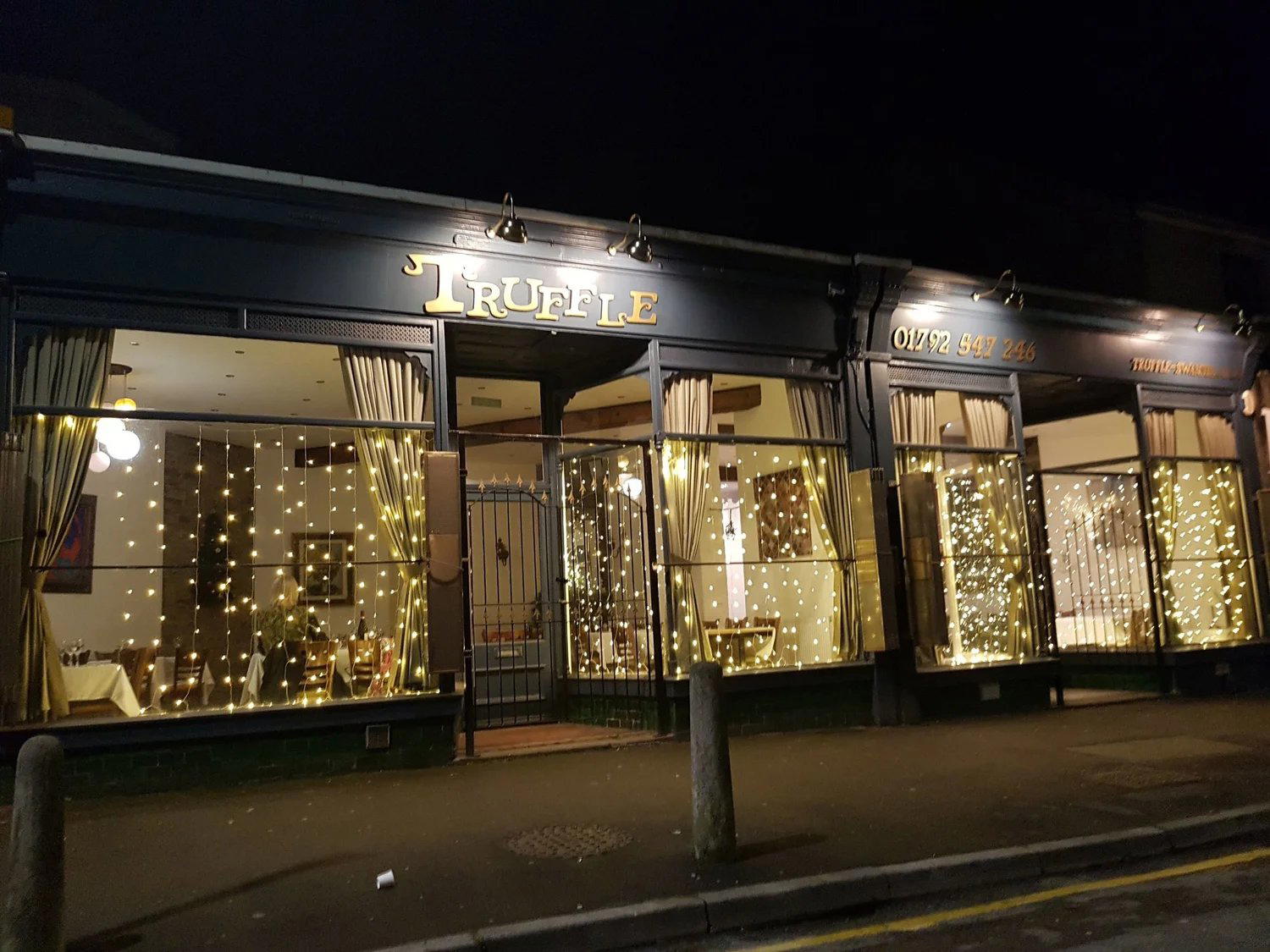
| Truffle | French Contemporary Bistro | $20–30 | Brynmill |
| Nok Nok Authentic Thai Restaurant Mumbles | Authentic Thai | $20–30 | Mumbles |
| Gilligan's Restaurant | British Comfort Food & Gastropub | $30–50 | Sketty |
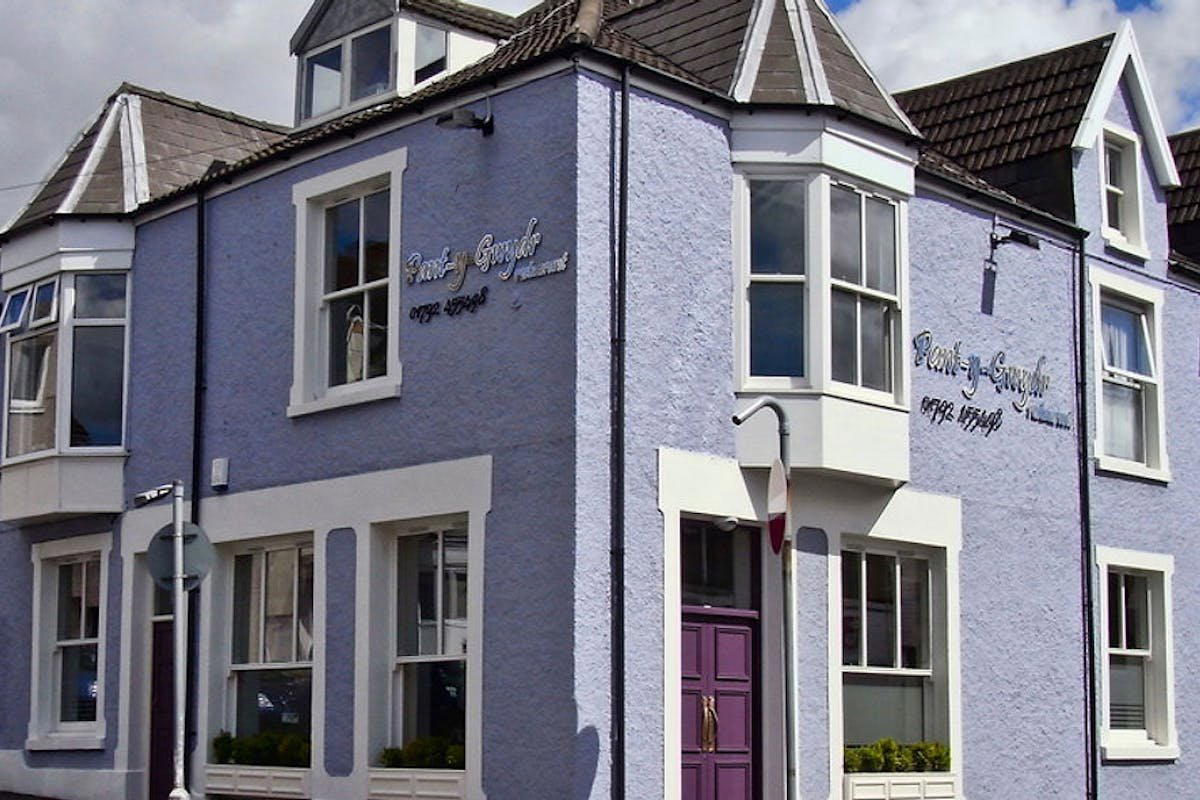
| Pant-y-Gwydr restaurant | Classic French with Vegan | $30–50 | city centre |
| Bouchon De Rossi | Classic French Bistro | $30–50 | Swansea City Centre |
Continue exploring
More in Swansea
Restaurants in Swansea
All restaurants in Swansea →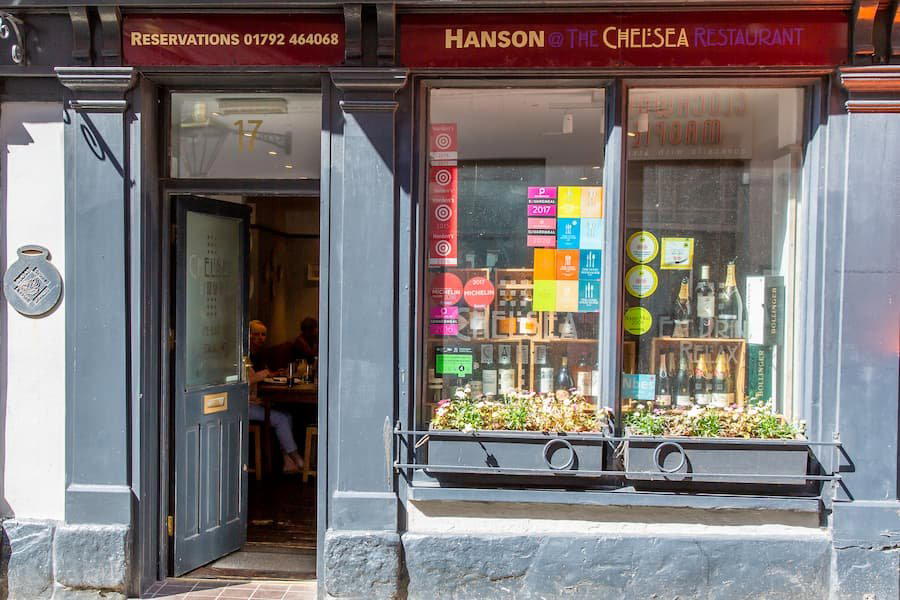
Hotels in Swansea
Browse all →
Details
- Lively
- Energetic
- Trendy
- Casual Hangout
- Group Dining
- Brunch
- Open Kitchen
- Craft Cocktails
- A La Carte
- Small Plates
- Cocktails
- Vegetarian Friendly
Current opening hours
- Monday
- Closed
- Tuesday
- Closed
- Wednesday
- 10 AM–10:30 PM
- Thursday
- 10 AM–10:30 PM
- Friday
- 10 AM–11:30 PM
- Saturday
- 10 AM–11:30 PM
- Sunday
- 10 AM–10:30 PM
Hours can change for holidays and private events. Hours as of .
Relaxed island vibes with feel-good energy, tropical decor, and bustling atmosphere.