TRIO RESTAURANT
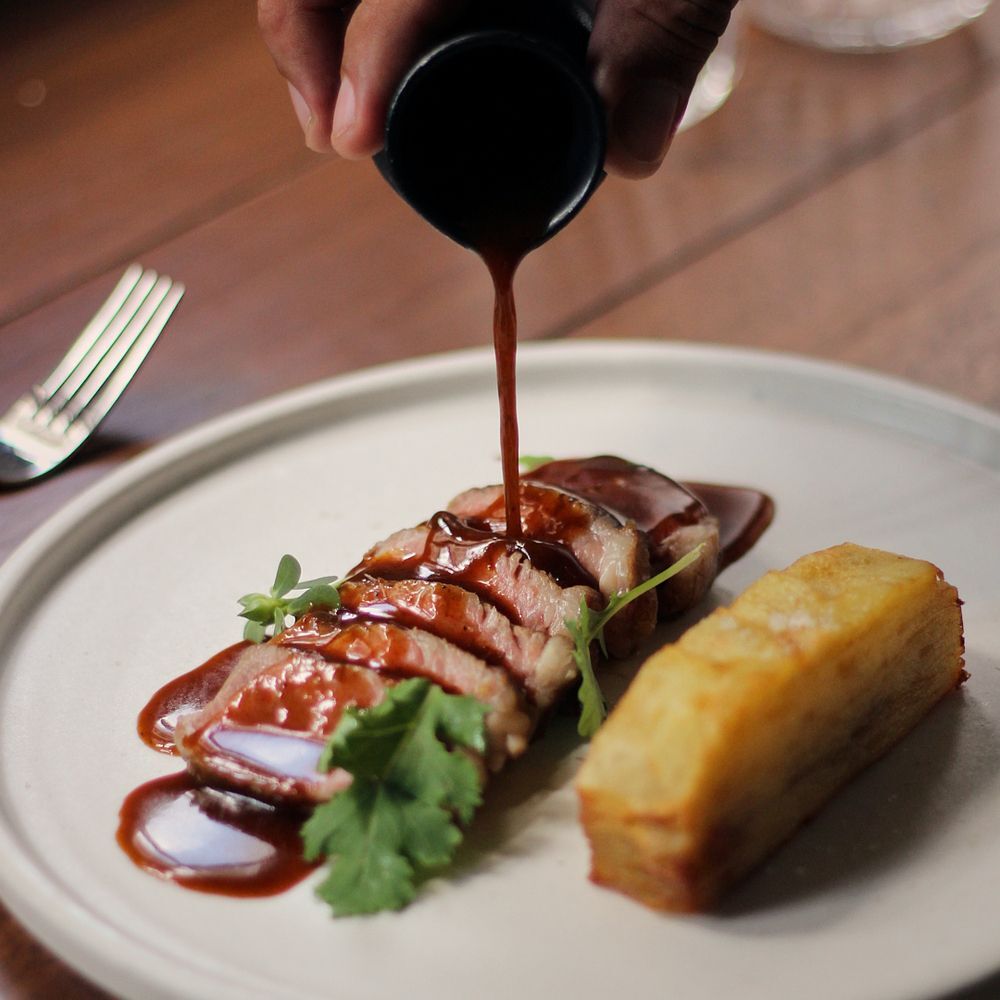
On a quiet block in Puerto Vallarta's Centro, Trio Restaurant has held its position as one of the neighbourhood's most consistent addresses for European-influenced cooking adapted to the Mexican Pacific coast. The Guerrero Street address puts it within walking distance of the Malecón and the historic church district, making it a practical anchor for an evening that rewards lingering.
Pearl is the En Primeur Club membership app — saves, bookings, and concierge access live there. Same editors, same standards.
- Address
- Guerrero 264, Centro, 48300 Puerto Vallarta, Jal., Mexico
- Phone
- +523222222196
- Website
- triopv.com
- Directions
- Get directions
 Saves & bookings on Pearl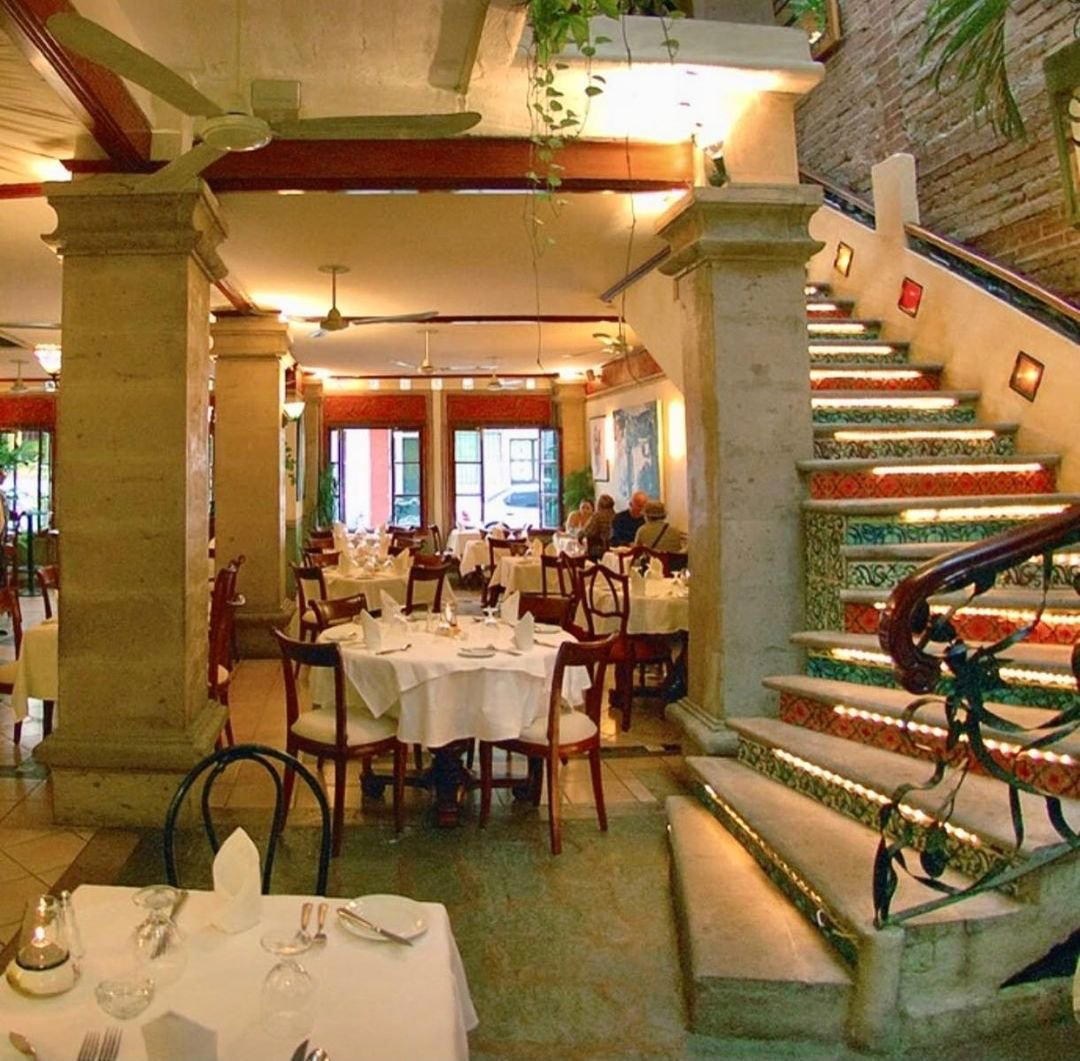
Centro's European Table
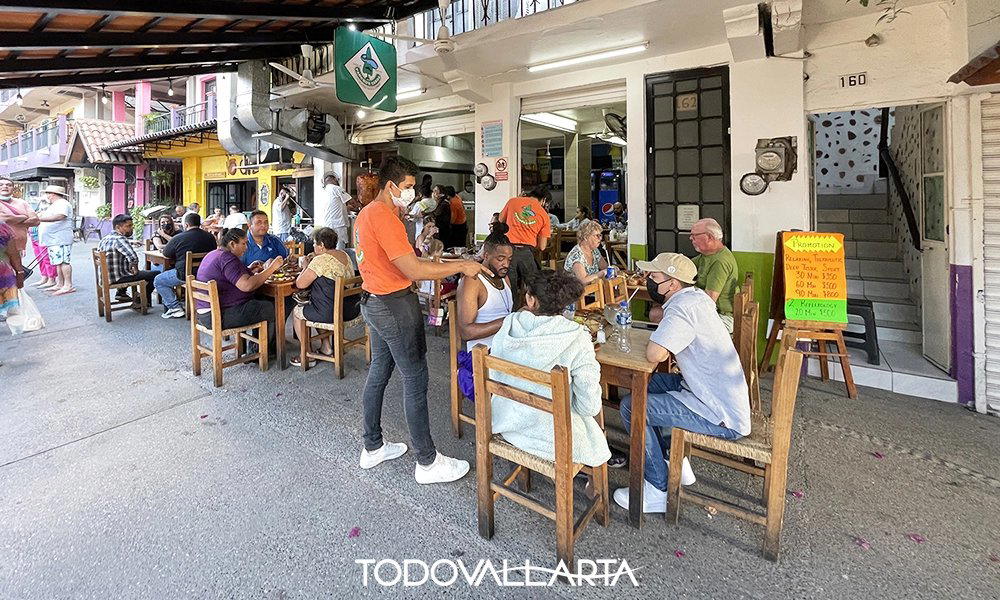
Trio Restaurant is a restaurant in Puerto Vallarta's Centro district, at Guerrero 264, serving Euro-Mediterranean fine dining. The pedestrian blocks around Guerrero and the surrounding lanes have evolved over decades from a purely local commercial zone into a corridor where serious cooking exists alongside taco stands and family-run fondas, a compression of the city's food culture that resists easy categorisation. Trio Restaurant, at Guerrero 264, sits inside that compressed reality. The address places it a short walk from the Malecón waterfront and the Templo de Guadalupe, in the older part of the city where the street grid is colonial and the evenings draw a mix of long-stay visitors and locals with an appetite for something more considered than the beachfront strip provides.
The broader Centro dining scene has matured alongside Puerto Vallarta's growth into a city with a year-round food culture. That shift mirrors what has happened across coastal Mexico: coastal resort towns that once operated on a tourism-only economic cycle have, over two decades, developed the infrastructure, the suppliers, the chefs, the local clientele, to sustain restaurants that operate at a more serious register. Trio is a product of that maturation. Its European framework, applied to a Pacific coast setting, belongs to a tradition of transnational kitchens that have found their clearest expression in Mexican coastal cities where imported technique meets notable local seafood and tropical produce.
The European Template, Applied to the Pacific
Mexico's restaurant conversation in 2025 is dominated by the indigenous-ingredient revival and the recognition of pre-Columbian culinary tradition, a movement represented at its most ambitious by Pujol in Mexico City, Levadura de Olla Restaurante in Oaxaca, and Alcalde in Guadalajara. But European-framework restaurants have their own legitimate tradition in Mexico, particularly along the coasts. Mediterranean technique applied to Jalisco's Pacific seafood, Sinaloa shrimp, and the tropical produce grown in the Sierra Madre foothills produces a kitchen logic that is distinct from both pure European cooking and from the indigenous-led new Mexican canon. Trio operates within that space.
That transnational approach also appears elsewhere along Mexico's coastlines and wine regions. Animalón in Valle de Guadalupe and Olivea Farm to Table in Ensenada both demonstrate how European culinary frameworks can generate genuinely regional results when applied with attention to local supply chains. At the fine-dining end of that spectrum, restaurants like Le Chique in Puerto Morelos and HA' in Playa del Carmen have built their reputations on similar hybridisation, though in contexts where international recognition has followed more explicitly. The relevant comparison for Trio is not the Mexico City avant-garde but rather the coastal European-inflected tier, restaurants where the quality of primary ingredients, not conceptual ambition, carries the plate.
Puerto Vallarta's Dining Tiers
To understand where Trio sits, it helps to map the Centro dining ecosystem it operates within. The neighbourhood contains the full range: Café des Artistes has occupied the upper tier of the city's restaurant hierarchy for years, its theatrical garden setting and long-established reputation making it the default recommendation for formal occasions. Calmate Cafe and Bean and Brick represent the city's growing interest in day-programme quality, coffee, breakfast, and brunch formats that have improved markedly as Puerto Vallarta has attracted a more informed long-stay population. Campomar Puerto Vallarta occupies the seafood-focused mid-register. Balam Balam signals the arrival of a younger creative register in the city's food scene.
Trio occupies a specific position in this spread: the established evening restaurant with European lineage, pitched at visitors and residents who want a controlled, ingredient-focused dinner without the theatrical staging of Café des Artistes or the informality of the taco and ceviche circuit. That niche exists across coastal Mexico, and Trio has held it consistently in Puerto Vallarta. Consistency, in a beach-town dining context where restaurants open and close with seasonal volatility, is itself a form of credential.
The Cultural Logic of the European Coast Table
The European-influenced restaurant on a Mexican beach is sometimes read as a concession to tourist preference, but that view misses the historical depth of European cooking traditions along the Pacific coast. The port economies of Manzanillo, Puerto Vallarta, and Mazatlán attracted European merchant communities whose culinary influence predates the resort era by generations. The French and Spanish presence in Jalisco's commercial history left a kitchen inheritance that is genuinely local rather than merely imported. Restaurants like Trio are not anomalies in that context; they are continuations of a culinary conversation that the region has been having for well over a century.
That context places Trio in a different frame than, say, Le Bernardin in New York City or Atomix in New York City, where European and Korean frameworks respectively operate in a city defined by its cosmopolitan transplants. Puerto Vallarta's European table tradition is sedimented into the city's social history. Puerto Vallarta has not yet produced a restaurant in this European-influenced register at the level of Pangea in San Pedro Garza Garcia or KOLI Cocina de Origen in Monterrey, both of which have attracted international critical recognition. Lunario in El Porvenir represents a similar ambition in Baja wine country. Puerto Vallarta has not yet produced a restaurant in this European-influenced register that operates at that recognition tier, which makes Trio's sustained position notable in relative terms.
Planning a Visit
Guerrero 264 is walkable from the main hotel zone along the Malecón, and from the Romantic Zone via the pedestrian bridge. Centro restaurants in Puerto Vallarta fill quickly during the high season, which runs from late November through April when northern visitors arrive in volume. The shoulder months of May and October offer a quieter dining room and, typically, more attentive service. Puerto Vallarta's Centro neighbourhood rewards evening exploration on foot, the area between Guerrero and the waterfront contains enough variety in a compact radius to build a full night around the walk rather than the destination alone. For a wider survey of what the city's restaurant scene offers across categories and price points, the full Puerto Vallarta restaurants guide provides a mapped overview organised by neighbourhood and format.
Fast Comparison
Comparable venues nearby, for context on price, style, and recognition.
| Venue | Cuisine | Price | Notes |
|---|---|---|---|
| TRIO RESTAURANTThis venue — the venue you are viewing | Euro-Mediterranean Fine Dining | $$$ | Not listed |
| Tintoque | Contemporary Mexican Coastal Cuisine | $$$$ | Zona Romántica |
| Café des Artistes | French-Mexican Fusion Fine Dining | $$$$ | El Centro |
| Mariscos El Jefe | Fresh Mexican Seafood Tacos & Ceviche | $ | 5 de Diciembre |
| Mariscos La Tia | Authentic Mexican Seafood | $$ | Colonia 5 de Diciembre / Guadalupe Victoria |
| Taqueria "El Moreno" | Authentic Mexican Taqueria | $ | Zona Romántica |
Continue exploring
More in Puerto Vallarta
Restaurants in Puerto Vallarta
Browse all →
Bars in Puerto Vallarta
Browse all →
At a Glance
- Elegant
- Sophisticated
- Intimate
- Date Night
- Special Occasion
- Open Kitchen
- Garden
- Terrace
- Extensive Wine List
- Local Sourcing
- Garden
Current opening hours
- Monday
- Closed
- Tuesday
- 5–10:30 PM
- Wednesday
- 5–10:30 PM
- Thursday
- 5–10:30 PM
- Friday
- 5–10:30 PM
- Saturday
- 5–10:30 PM
- Sunday
- 5–10:30 PM
Hours can change for holidays and private events. Last verified .
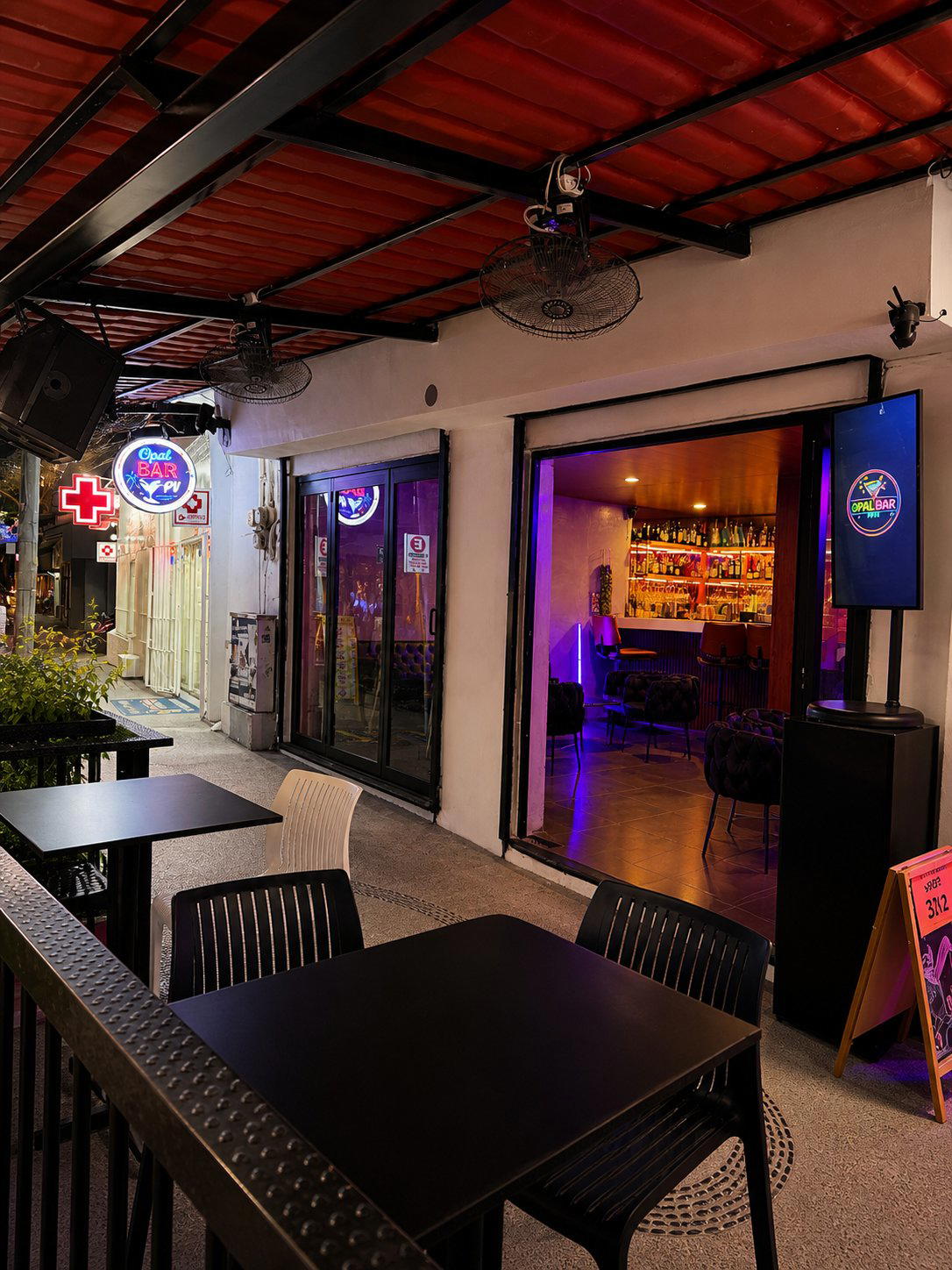
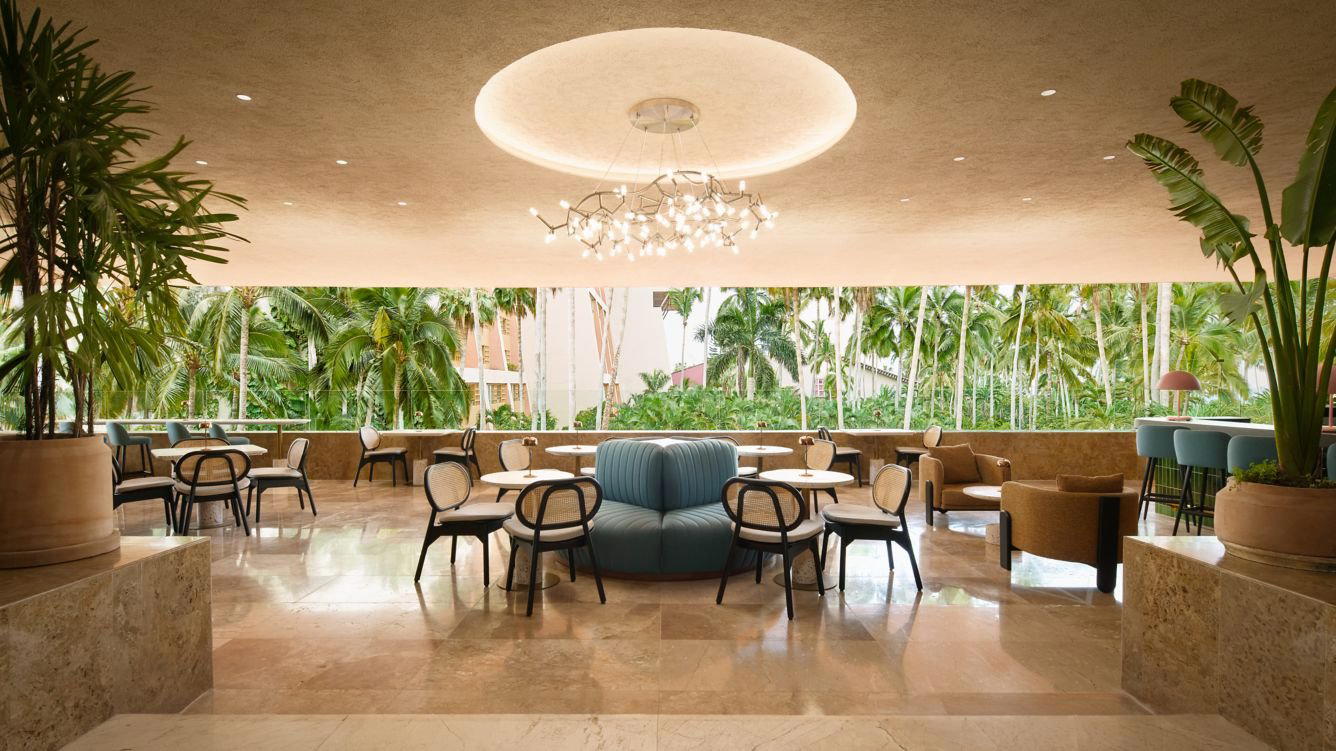
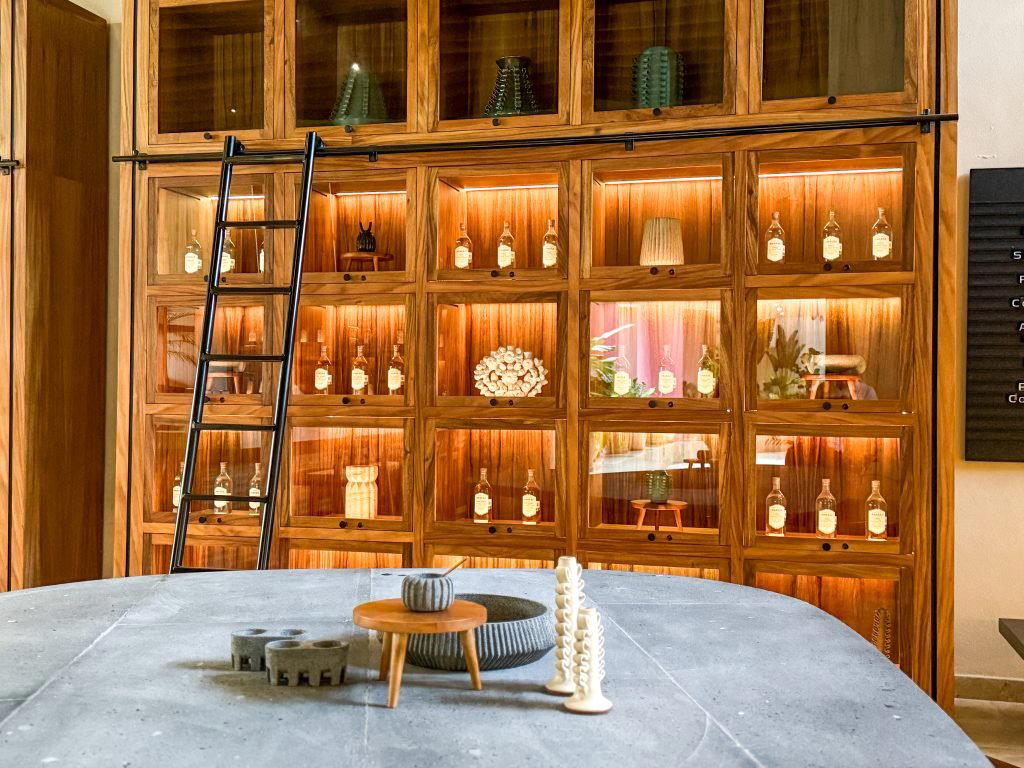
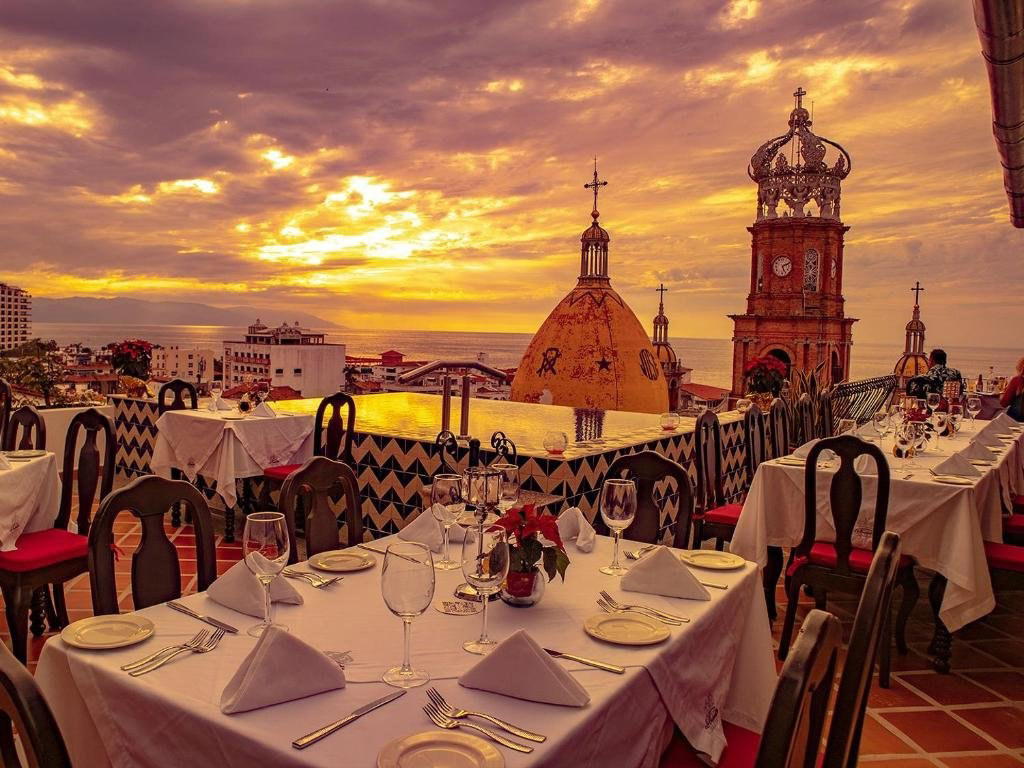
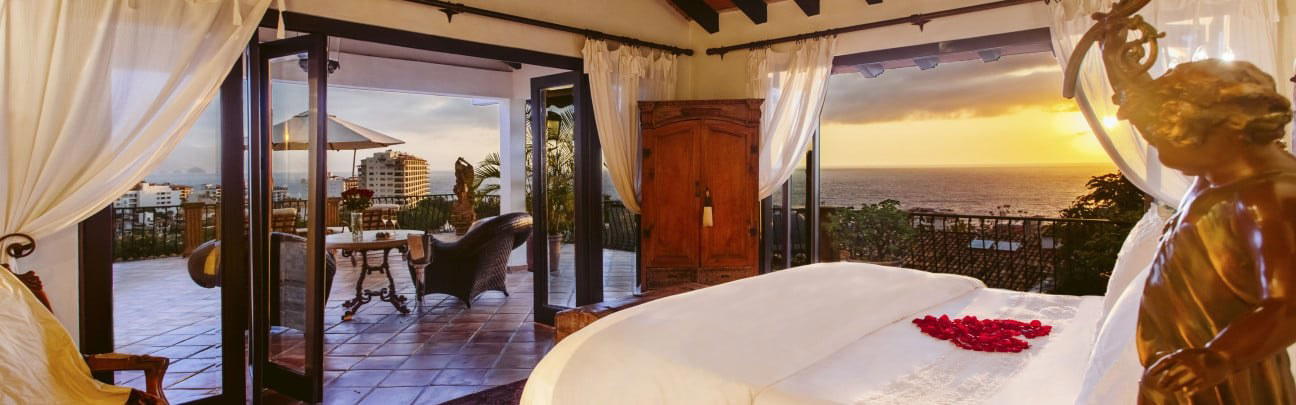
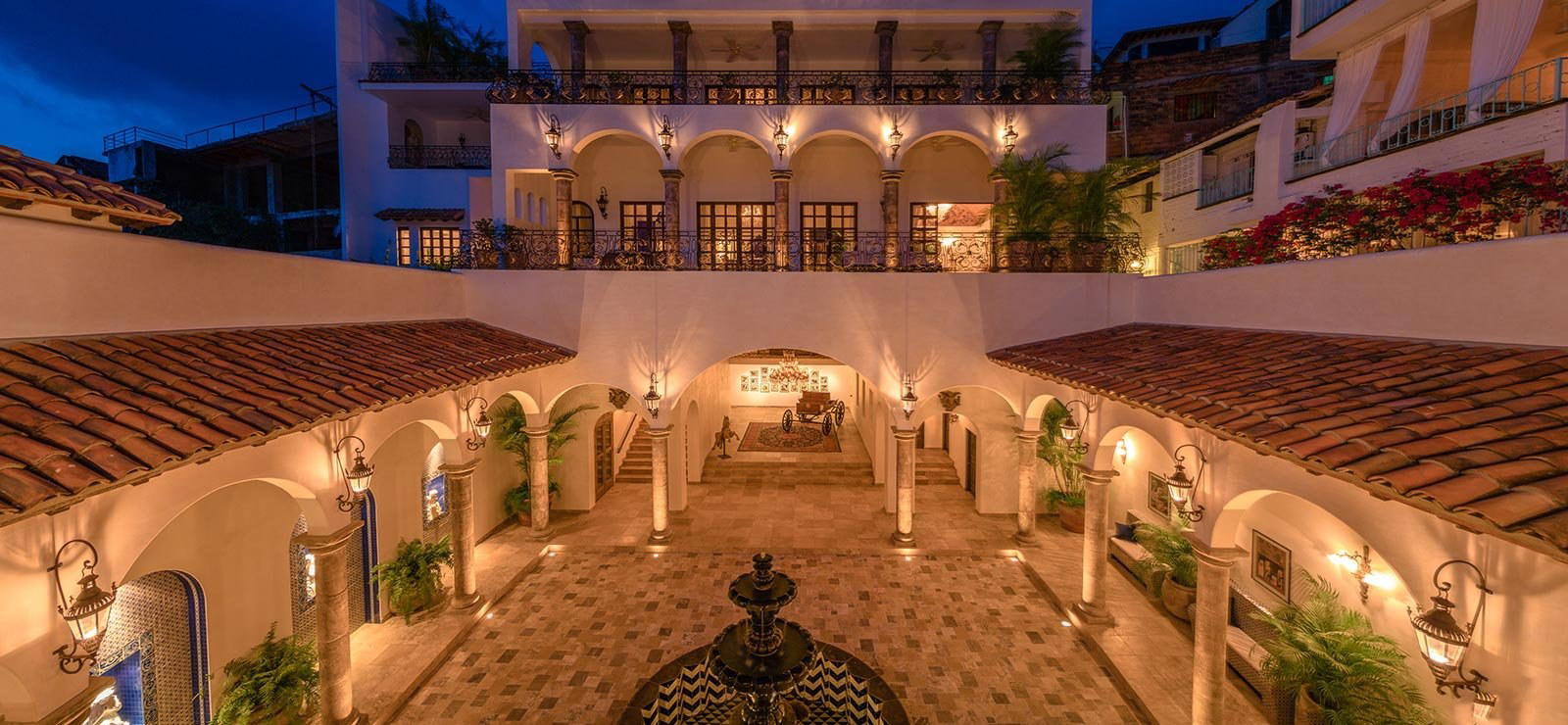
Casual-elegant multilevel space with open garden, water fountain, tropical plants, local art, fresco-painted walls, hand-carved bar, and Tiffany lamps evoking Southern European style.