Balam Balam
Balam Balam occupies a address on Rivera del Río in Puerto Vallarta's Zona Romántica, placing it within a neighbourhood that has become one of Mexico's more interesting concentrations of ingredient-led dining. The kitchen draws on the coastal and highland sourcing traditions that define serious Mexican cooking at this latitude, making it a reference point for visitors tracking the city's evolving restaurant scene.
Pearl is the En Primeur Club membership app — saves, bookings, and concierge access live there. Same editors, same standards.
- Address
- Rivera del Río 177, Zona Romántica, Emiliano Zapata, 48380 Puerto Vallarta, Jal., Mexico
- Phone
- +52 13227793443
- Website
- facebook.com
- Directions
- Get directions
 Saves & bookings on Pearl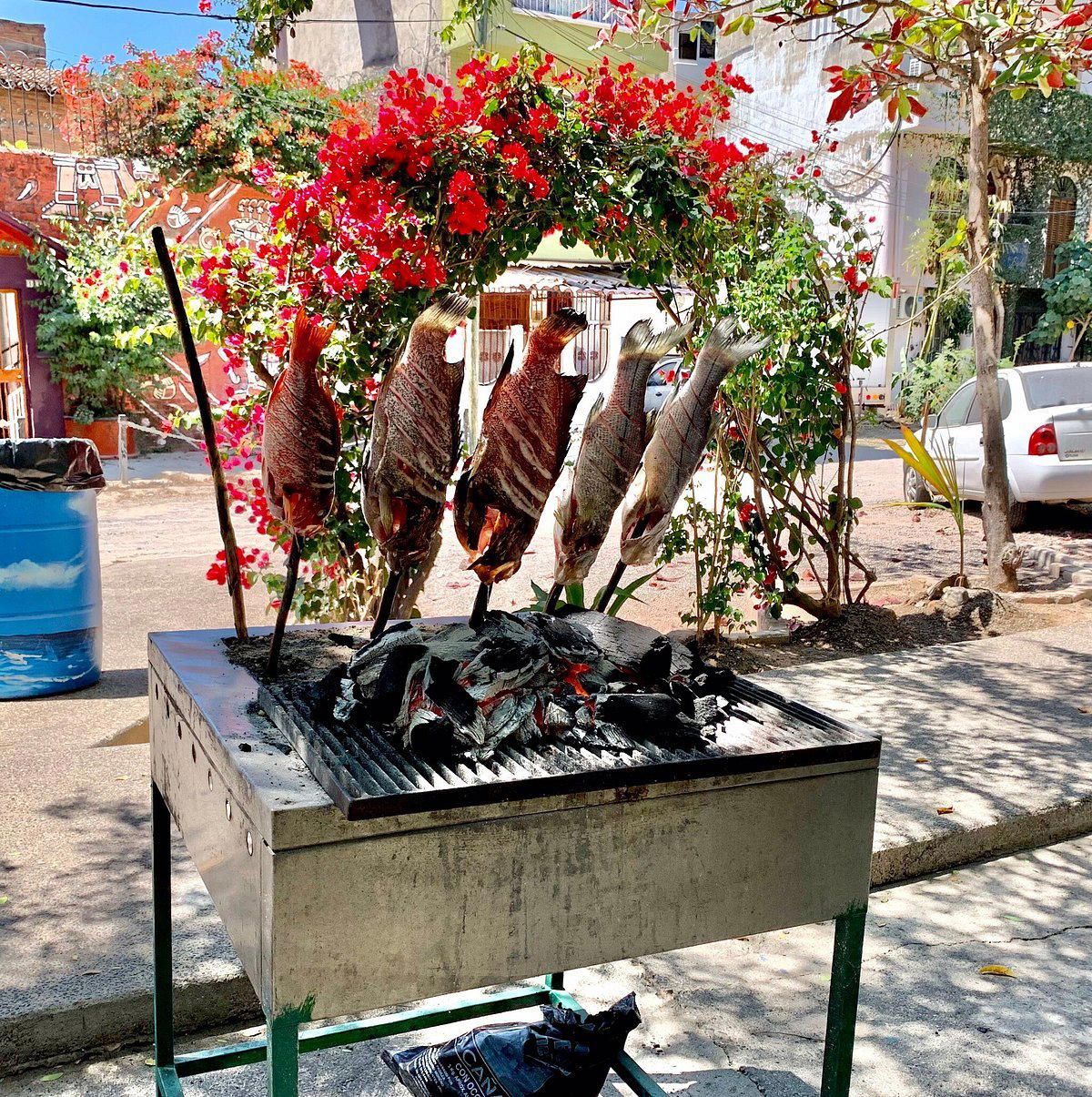
Rivera del Río and the Zona Romántica's Shift Toward Serious Cooking
Puerto Vallarta's Zona Romántica has moved well past its reputation as a strip of tourist-facing seafood palaces and frozen-margarita bars. The stretch along Rivera del Río, in particular, has accumulated a cluster of kitchens that take sourcing and technique seriously enough to position themselves alongside the more discussed names in Mexican regional dining. Balam Balam sits at Rivera del Río 177, inside this corridor, and benefits from a neighbourhood dynamic that rewards focused, ingredient-led cooking over spectacle.
What You Encounter Arriving on Rivera del Río
Rivera del Río is a narrow street that runs parallel to the Cuale River in the southern end of the Zona Romántica. The ambient quality here is different from the busier pedestrian zones a few blocks north: less foot traffic, lower noise, the sound of water carrying from the river channel below the street level. Arriving at this address in the early evening, the transition from the surrounding neighbourhood into a contained dining environment is immediate. The street's scale keeps expectations grounded, which tends to work in favour of kitchens that want the food to set the register rather than the architecture.
That physical context matters because ingredient-sourcing-led restaurants in Mexico operate in a particular register. They ask diners to pay attention to provenance, to the difference between a tomato grown in the Jalisco highlands and one moved through a distribution chain, to the gap between day-boat fish from Bahía de Banderas and product that has spent time on ice in a warehouse. Puerto Vallarta's position, with the bay directly accessible and the Sierra Madre Occidental within reasonable supply distance, gives kitchens here a sourcing advantage that not every Mexican coastal city can match.
The Ingredient Geography of This Part of Mexico
Jalisco sits at a convergence of agricultural zones that serious Mexican kitchens have been drawing on for decades. The coastal strip delivers shellfish, fin fish, and sea vegetables. The highland sierra, rising sharply from the coast, produces corn varieties, chiles, herbs, and small-farm dairy that differ meaningfully from lowland equivalents. Restaurants operating in this sourcing tradition, from Alcalde in Guadalajara to destination-format kitchens further afield like Animalón in Valle de Guadalupe, have built reputations specifically by articulating this geography on the plate. The question for any Puerto Vallarta kitchen is how fluently it can translate the same regional logic given the city's compressed geography between mountain and sea.
Mexico's broader movement toward origin-transparent cooking, anchored by reference points like Pujol in Mexico City and carried through to coastal formats like HA' in Playa del Carmen, has created a template that younger kitchens across the country now work within or against. Sourcing claims require substantiation: named producers, visible supply chains, seasonal constraint reflected in the menu. Diners who have eaten at Levadura de Olla in Oaxaca or KOLI Cocina de Origen in Monterrey arrive with calibrated expectations about what ingredient-led means in practice.
How Balam Balam Sits in Puerto Vallarta's comparable set
Within Puerto Vallarta's restaurant scene, the addresses that draw comparisons to Balam Balam include kitchens like Café des Artistes, which has operated as a reference point for upscale dining in the city for years, and more recent arrivals such as Bean and Brick and Calmate Cafe, which occupy a more casual, daytime-oriented tier. For protein-forward dining, Casa Prime Puerto Vallarta and Campomar Puerto Vallarta represent a different approach centred on premium cuts and seafood in more conventional formats.
The restaurant's Rivera del Río address places it physically and conceptually apart from the higher-volume tourist corridor. That positioning is a signal in itself. Kitchens that choose quieter streets and a smaller operational footprint in favour of ingredient-led menus are making a deliberate argument about what they prioritise. The same logic applies at formats like Olivea Farm to Table in Ensenada or Lunario in El Porvenir, both of which use location and low capacity as part of their editorial argument about food.
At the international reference level, kitchens like Le Bernardin in New York City and Lazy Bear in San Francisco demonstrate how sourcing transparency and format discipline can anchor a restaurant's identity across decades. The comparison is not one of price or scale but of the underlying logic: ingredient provenance as the primary creative constraint, with technique in service of that constraint rather than as an end in itself. Coastal Mexican kitchens operating in this mode, including Le Chique in Puerto Morelos and others across the Riviera Nayarit stretch north of Vallarta, have raised the floor of expectation for what this latitude can produce.
Pangea and the Northern Mexico Parallel
Northern Mexico's fine dining evolution, anchored by kitchens like Pangea in San Pedro Garza García, offers a useful parallel for how regional identity and ingredient sourcing can define a restaurant's position over time. The Jalisco coast operates in a different register, more seafood-forward, with indigenous corn and chile traditions that connect to central Mexico as much as to northern cattle culture. But the underlying discipline, using geography as a creative starting point rather than a marketing claim, is the same across these kitchens.
Planning a Visit
The restaurant is located at Rivera del Río 177 in the Emiliano Zapata section of the Zona Romántica, a walkable neighbourhood from most central and southern Puerto Vallarta accommodation. The Zona Romántica is navigable on foot, and the address sits close enough to the malecón area that evening visitors can combine a visit with a walk along the waterfront.
At-a-Glance Comparison
Comparable venues nearby, for context on price, style, and recognition.
| Venue | Cuisine | Price | Notes |
|---|---|---|---|
| Balam BalamThis venue — the venue you are viewing | Traditional Mexican Seafood | $ | Not listed |
| Pepe's Taco | Authentic Mexican Taqueria | $ | Cinco de Diciembre |
| Tacos Chilo | Street Tacos | $ | 5 de Diciembre |
| El Flaco | Street Tacos | $ | Centro |
| ZOO Bar | Mexican Bar Food | $ | Centro |
| Mariscos La Tia | Authentic Mexican Seafood | $$ | Colonia 5 de Diciembre / Guadalupe Victoria |
Continue exploring
More in Puerto Vallarta
Restaurants in Puerto Vallarta
Browse all →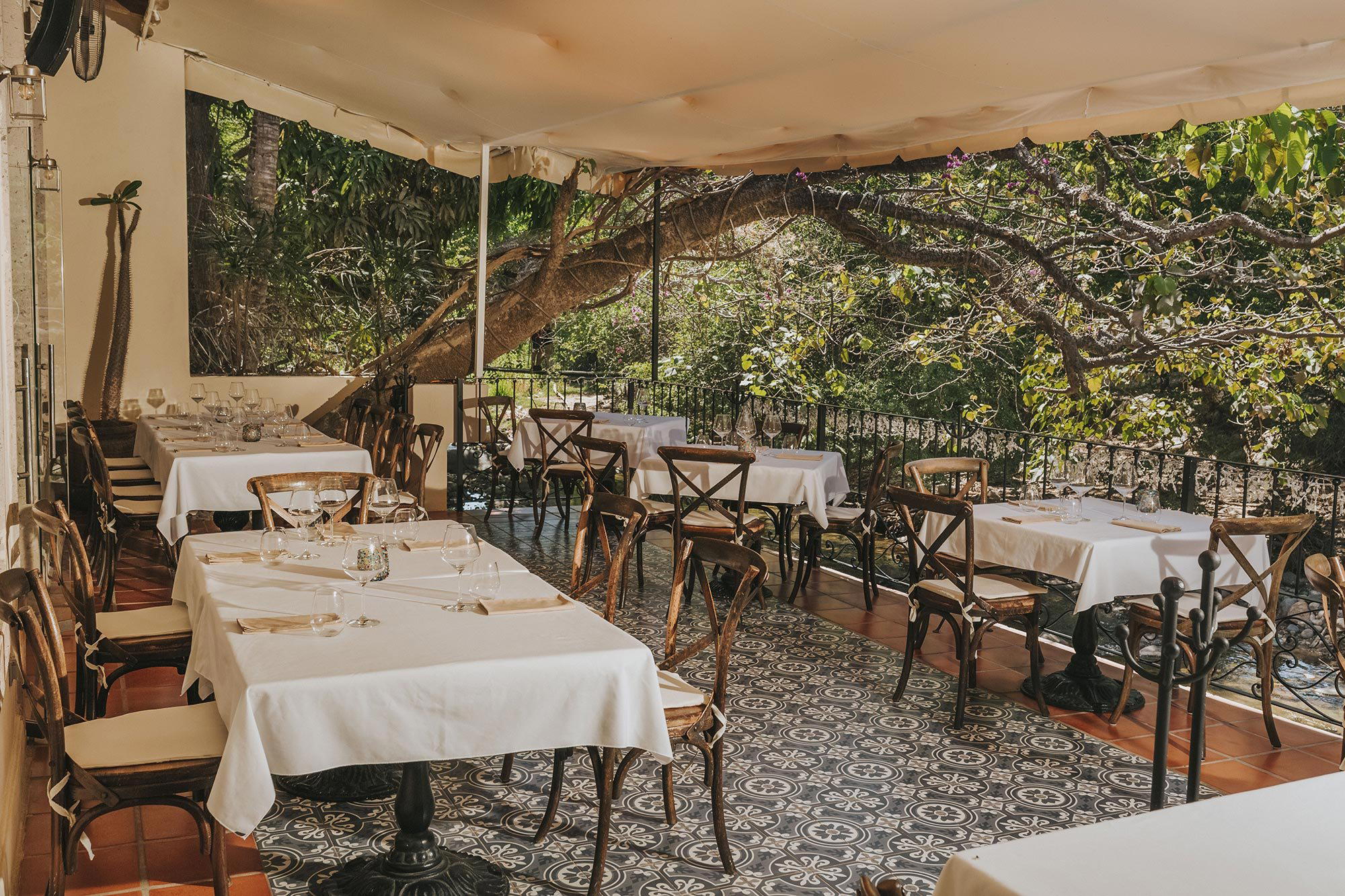
Bars in Puerto Vallarta
Browse all →


At a Glance
- Rustic
- Cozy
- Casual Hangout
- Waterfront
- Open Kitchen
Current opening hours
- Monday
- 12–7 PM
- Tuesday
- 12–7 PM
- Wednesday
- 12–7 PM
- Thursday
- 12–7 PM
- Friday
- 12–7 PM
- Saturday
- 12–7 PM
- Sunday
- 12–7 PM
Hours can change for holidays and private events. Last verified .
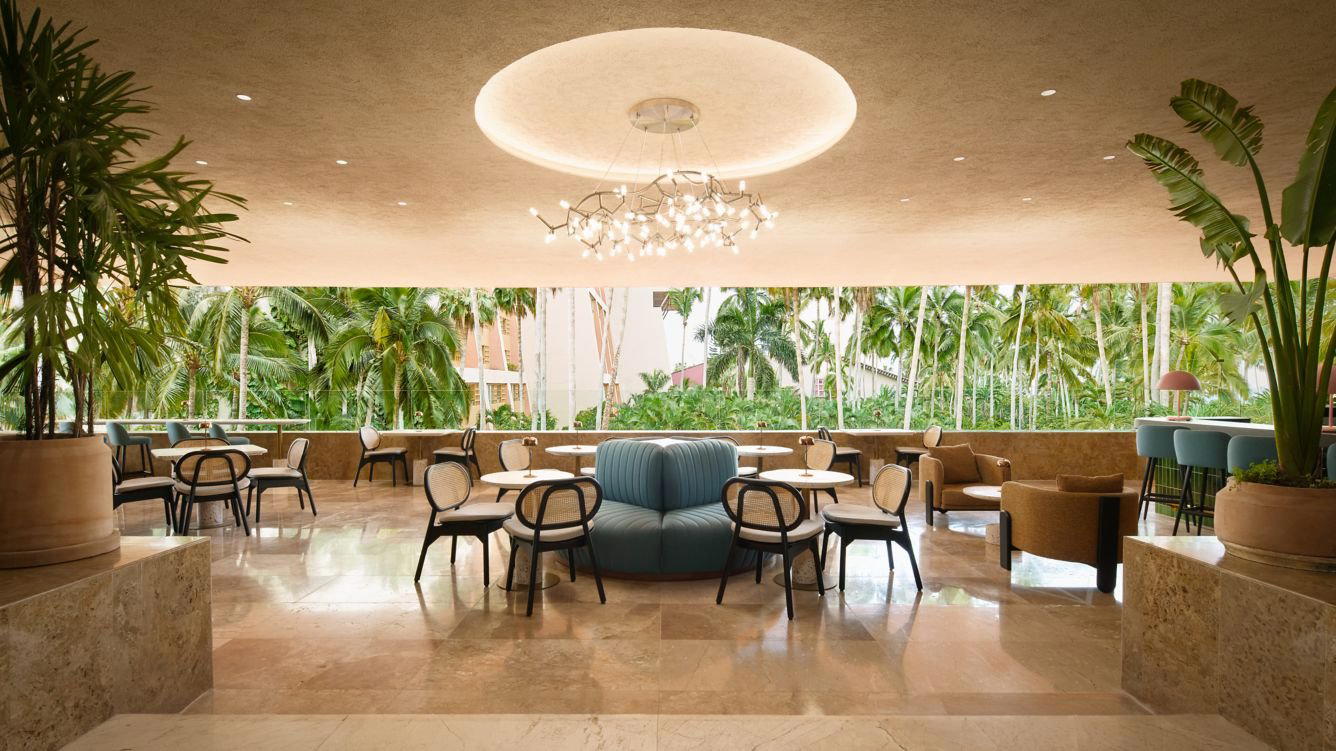
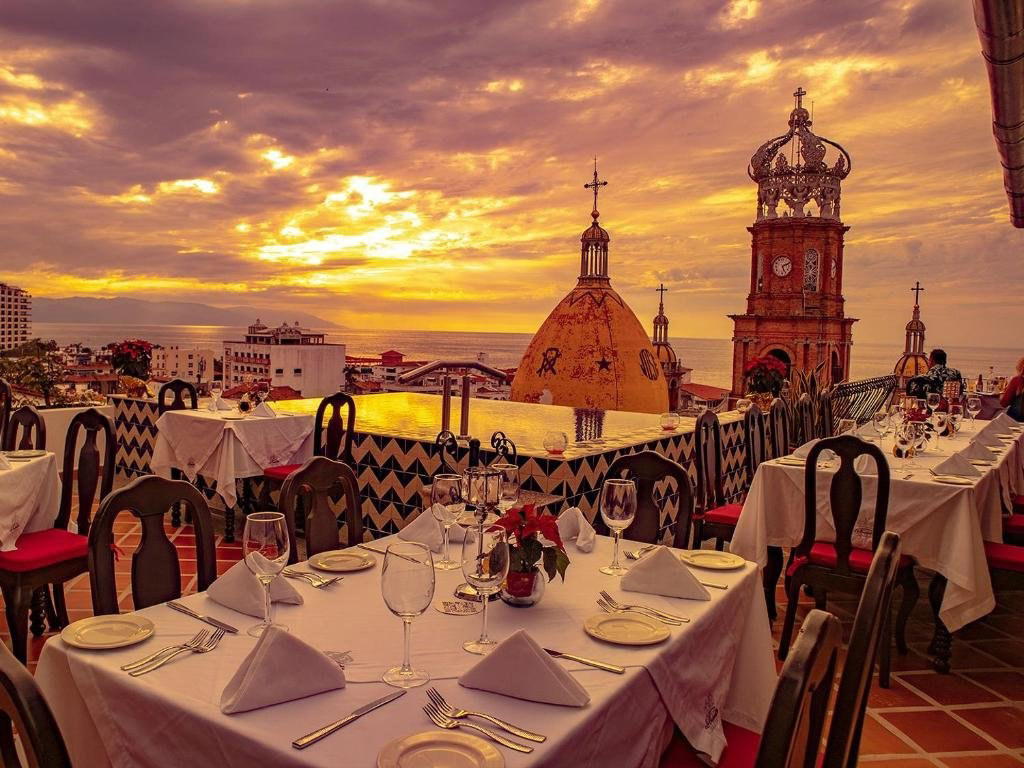
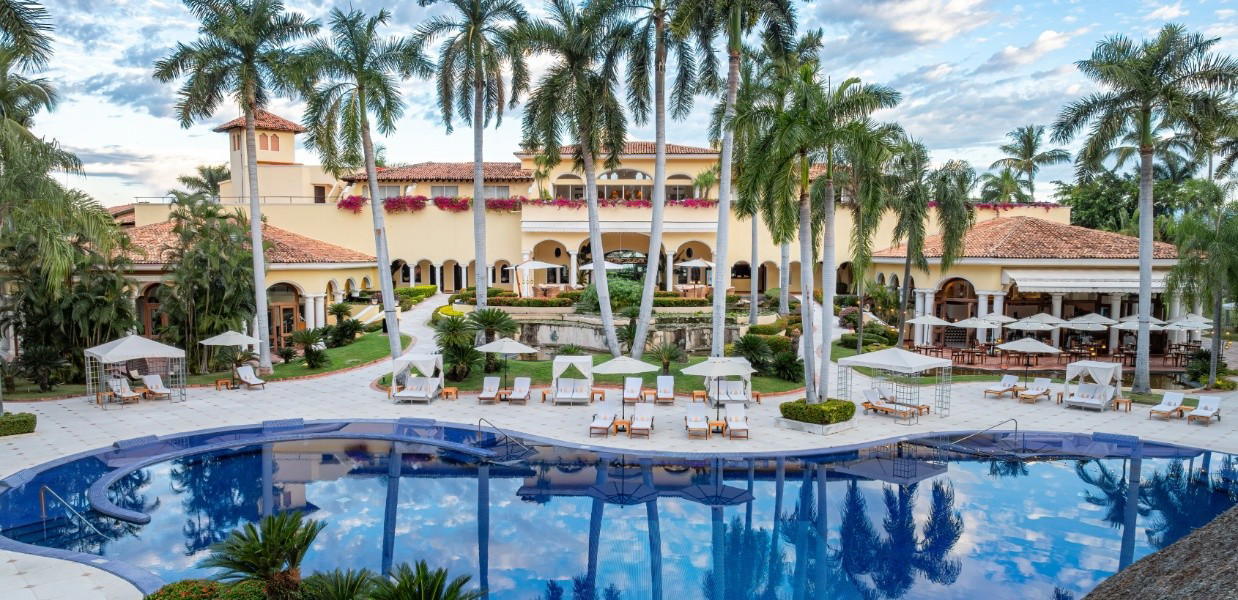
Rustic outdoor seating over a babbling river with shady spots, offering a relaxing and peaceful atmosphere amid natural sounds.