Taqueria "El Moreno"
Our verdict
Among Puerto Vallarta's casual taco spots, Taqueria 'El Moreno' operates in the tradition of Jalisco street-food simplicity: minimal overhead, direct sourcing, and cooking that answers to the neighborhood rather than the tourist strip. For travelers who want to eat where locals eat, this is the kind of counter that earns its reputation through repetition and consistency rather than awards or press coverage.

Pearl is the En Primeur Club membership app, where members save venues, book tables and use the concierge.
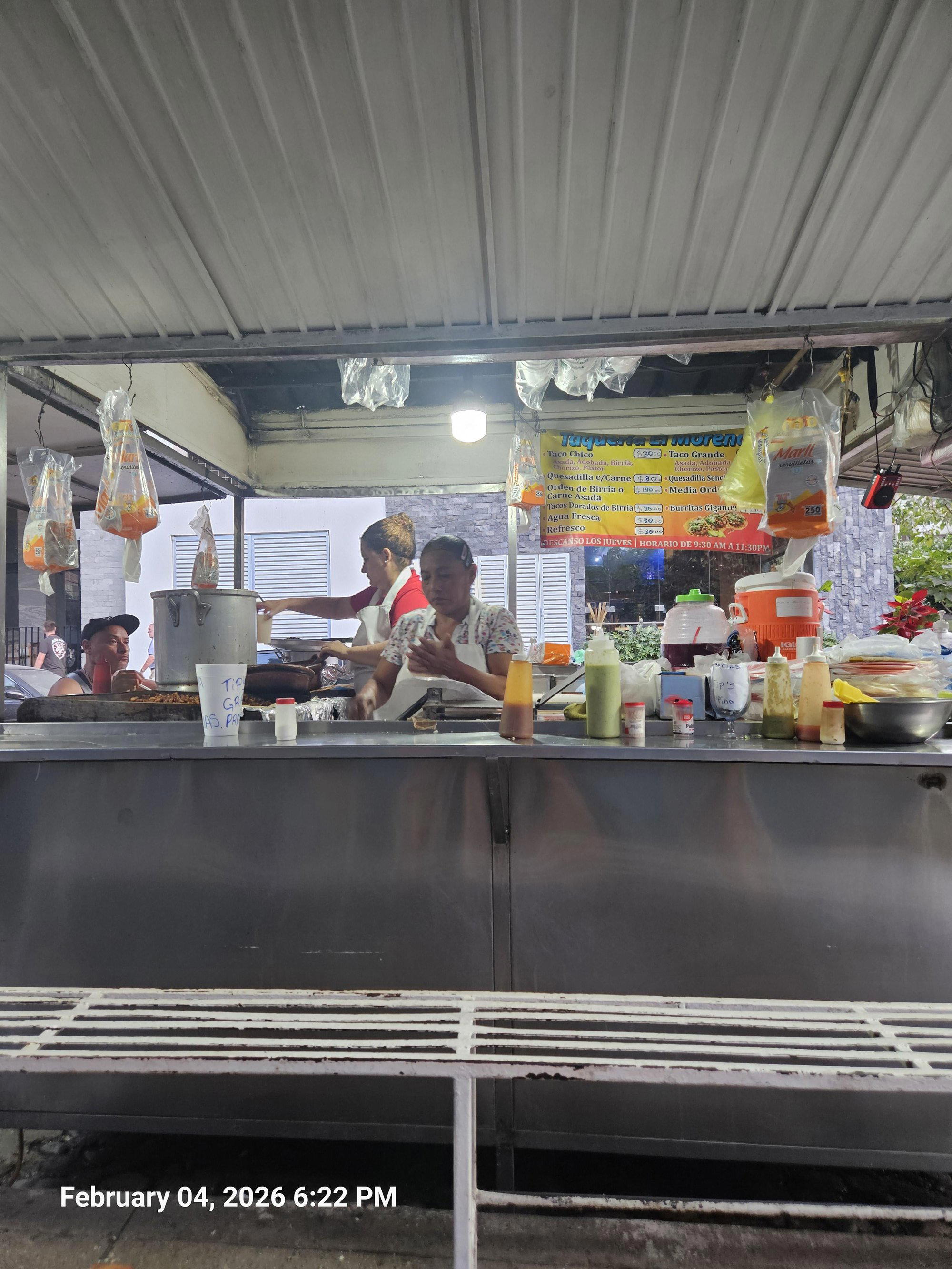
The menu
What to order
- Birria tacos
- Asada tacos
- Quesadillas
Street-Level Jalisco: The Taqueria Tradition in Puerto Vallarta
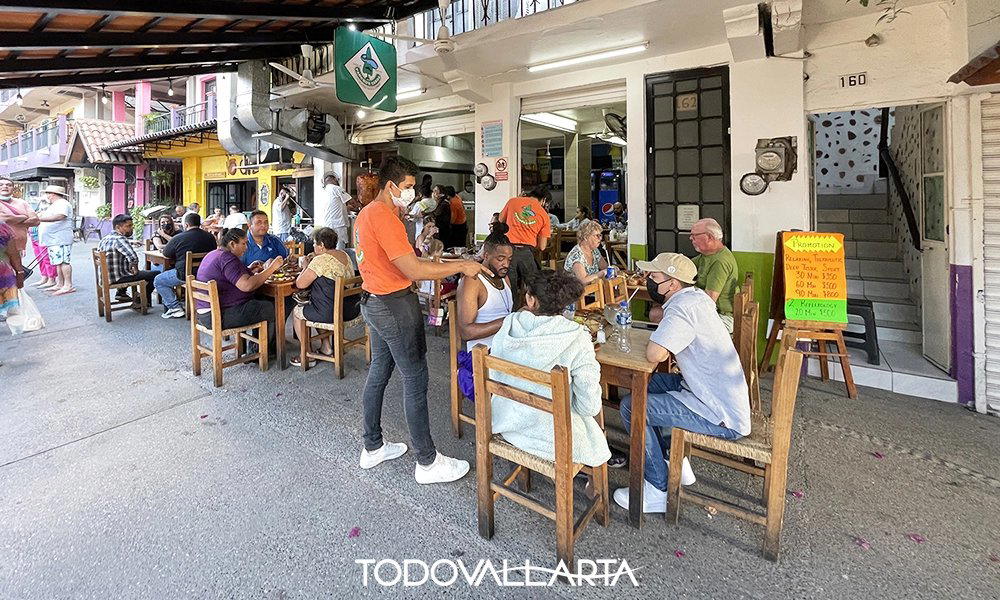
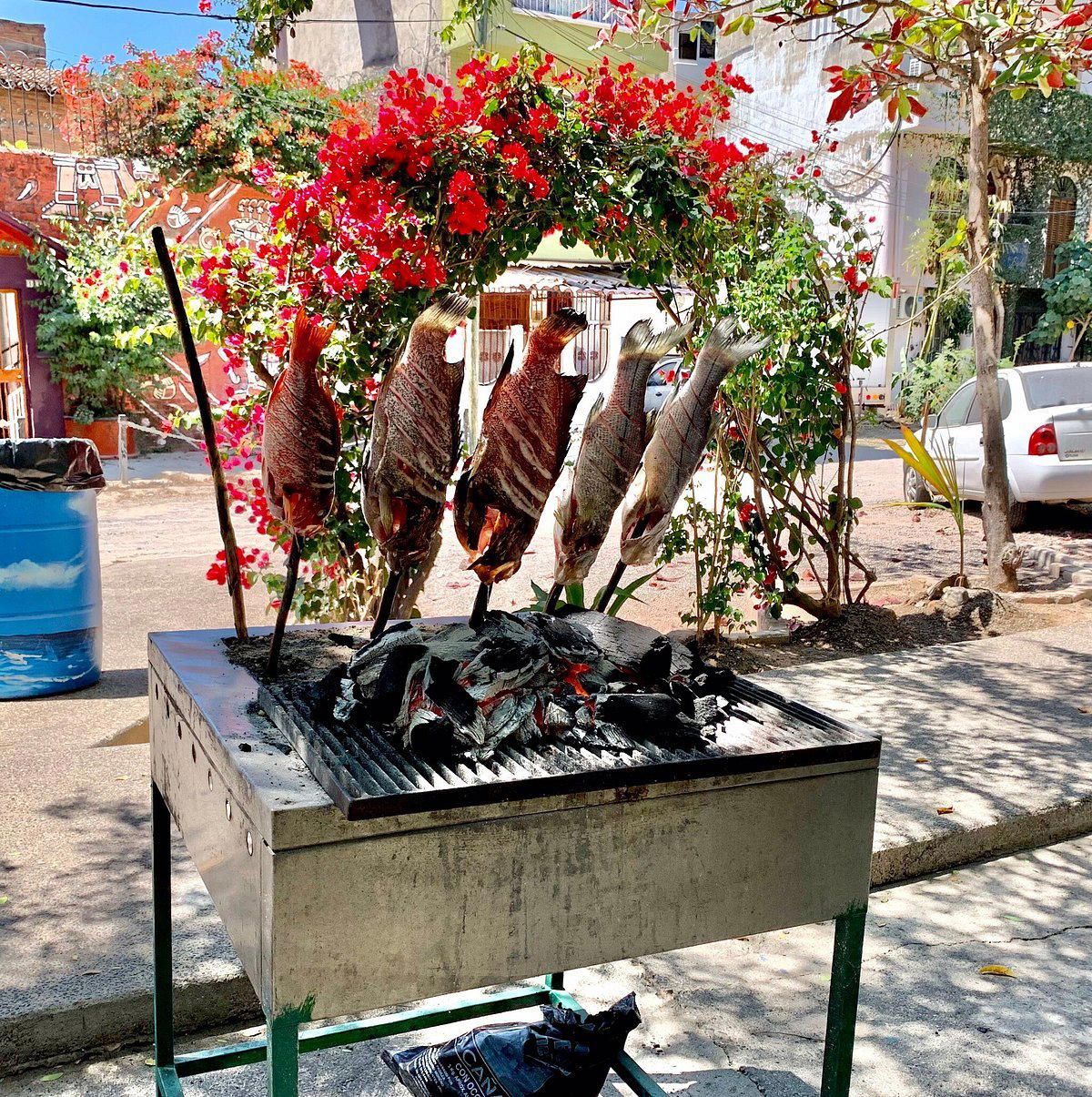
The smell reaches you before the sign does. Somewhere between the curbside smoke of a charcoal grill and the faint sharpness of fresh tomatillo, Puerto Vallarta's taqueria culture announces itself in a way that no fine-dining room can replicate. Taqueria "El Moreno" sits inside that tradition: a counter-service spot in Jalisco's coastal capital where the cooking is direct, the ingredients are local, and the relationship between kitchen and neighborhood has been maintained through repetition rather than renovation.
This kind of establishment occupies a specific and important position in Mexican food culture. The taqueria is not a simplified version of something more serious; it is its own discipline, with its own standards and its own competitive pressure. In cities like Guadalajara and Mexico City, the leading taquerias attract the same analytical attention that Michelin-starred restaurants receive at venues like Pujol in Mexico City or Alcalde in Guadalajara. The difference is format, not ambition. El Moreno belongs to a category where the credibility signal is not a star or a trophy but a steady line of returning customers who live within walking distance.
Sourcing as Practice, Not Marketing
Mexican street food at its most grounded operates on a supply chain that formal restaurants often try to replicate at great expense. The taqueria model, when it works, depends on small-volume purchasing from nearby producers, daily sell-through that eliminates cold-storage waste, and a menu narrow enough that every ingredient has a clear purpose. This is not a sustainability strategy in the branded sense; it is simply the economics of a kitchen that cannot afford excess. What results, incidentally, is a lower-waste, higher-turnover model that many farm-to-table restaurants across Mexico now try to emulate deliberately.
The broader Mexican culinary movement toward ethical sourcing and ingredient traceability is well-documented at the formal end of the market. Restaurants like Animalón in Valle de Guadalupe, Levadura de Olla Restaurante in Oaxaca, and Olivea Farm to Table in Ensenada have built entire editorial identities around producer relationships and minimal intervention. What is less often acknowledged is that the local taqueria has practiced the same principles by necessity for generations. El Moreno operates within that longer, quieter tradition.
Jalisco's agricultural context supports this. The state produces some of Mexico's most varied proteins and produce: highland pork, fresh chiles from the Ameca valley, handmade corn tortillas from nixtamal-processed local maize. A taqueria drawing from regional supply has access to ingredients that are genuinely seasonal and genuinely local in ways that a resort kitchen importing standardized product cannot claim.
Where El Moreno Sits in Puerto Vallarta's Eating Scene
Puerto Vallarta's restaurant scene has split across several registers over the past decade. At the formal end, there are destination dining rooms aimed at international visitors: places like Café des Artistes, which has anchored the city's upscale dining identity for years, and newer arrivals like Balam Balam and Campomar Puerto Vallarta, which address a more contemporary, ingredient-led appetite. Cafes like Bean and Brick and Calmate Cafe serve the middle tier of daytime eating.
El Moreno occupies none of those spaces. It operates at street level, in the sense that its customer base is local, its pricing reflects neighborhood economics, and its existence does not depend on tourism. This matters editorially because the taqueria functions as a kind of pressure test for a city's food culture. When a city's casual eating is strong, its entire food scene is more grounded. Puerto Vallarta's reputation for tourism-facing dining is well-established, but the presence of functioning neighborhood taquerias is what tells you whether the city also feeds its own residents with any seriousness.
Compared against the formal Mexican dining circuit, where venues like KOLI Cocina de Origen in Monterrey, Pangea in San Pedro Garza Garcia, and Lunario in El Porvenir set the terms for what fine Mexican cooking looks like, the taqueria is a different register entirely. But it is not a lesser one. The skill required to hold a tortilla at the right temperature, to balance fat and acid in a salsa, to manage a grill at volume without losing quality, is technical work that deserves the same analytical attention applied to tasting menus at Le Chique in Puerto Morelos or HA' in Playa del Carmen.
Planning Your Visit
Taqueria "El Moreno" is located in Puerto Vallarta, Jalisco. Walk-in is the standard format for a counter like this; no advance booking infrastructure exists at this tier of the market, and the format does not require it. Arriving during the core meal window, roughly midday through early evening on weekdays, is when production is at its freshest and throughput is highest. Early arrival within that window is the practical move if you want first-run tortillas and the day's full range of options.
For travelers building a broader Puerto Vallarta itinerary that balances neighborhood eating with the city's formal dining options, our full Puerto Vallarta restaurants guide maps the complete range. And for context on what Mexican food at the highest technical level looks like across the country, the trajectory from street counter to dining room is most legible when you've eaten at both ends. Places like Le Bernardin in New York City or Atomix in New York City demonstrate what happens when a culinary tradition is pushed to its outer technical limits; the taqueria shows what the same tradition looks like at its most direct and unmediated.
Frequently asked questions
Where do I go for Taqueria "El Moreno"?
Taqueria "El Moreno" is located at Pto Vallarta, Jalisco, Puerto Vallarta.
Is Taqueria "El Moreno" worth seeking out if I'm eating outside Puerto Vallarta's tourist corridor?
The taqueria model in Jalisco is built for local neighborhoods first, which means pricing and portion logic reflect what residents actually pay, not a visitor-adjusted rate. Puerto Vallarta's street food scene operates largely parallel to its destination dining rooms, and El Moreno sits in that neighborhood register. For travelers willing to move beyond the Zona Romántica dining strip, this is the format where the city's day-to-day food culture runs.
What do people recommend at Taqueria "El Moreno"?
Within the Jalisco taqueria tradition, the format typically centers on a short, rotating roster built around whatever protein and salsa the cook sources locally that day. Arriving and ordering what's moving fastest off the grill is the standard approach at counters like this in Puerto Vallarta.
Do I need a reservation for Taqueria "El Moreno"?
No. The taqueria format in Puerto Vallarta operates on walk-up demand, not advance booking. Neighborhood spots like El Moreno in Jalisco are structured around throughput and regular local traffic, which means the queue, if there is one, moves quickly. Arrive early in a service window if you want the full selection.
A Lean Comparison
Comparable options at a glance, pulled from our tracked venues.
| Venue | Cuisine | Price | Awards |
|---|---|---|---|
| Taqueria "El Moreno"This venue (the venue you are viewing) | Authentic Mexican Taqueria | $1–10 | Not listed |
| Café des Artistes | French-Mexican Fusion Fine Dining | $50–100 | Star Wine List · Wine Spectator Best of Award of Excellence |
| Tintoque | Contemporary Mexican Coastal Cuisine | $100–150 | Star Wine List |
| Cocos Kitchen | Fusion Breakfast & Brunch | $10–20 | Not listed |
| Daiquiri Dick's | California-Latin Fusion Beachfront | $30–50 | Not listed |
| Calmate Cafe | Vegan-Friendly International Cafe | $10–20 | Not listed |
Continue exploring
More in Puerto Vallarta
Restaurants in Puerto Vallarta
All restaurants in Puerto Vallarta →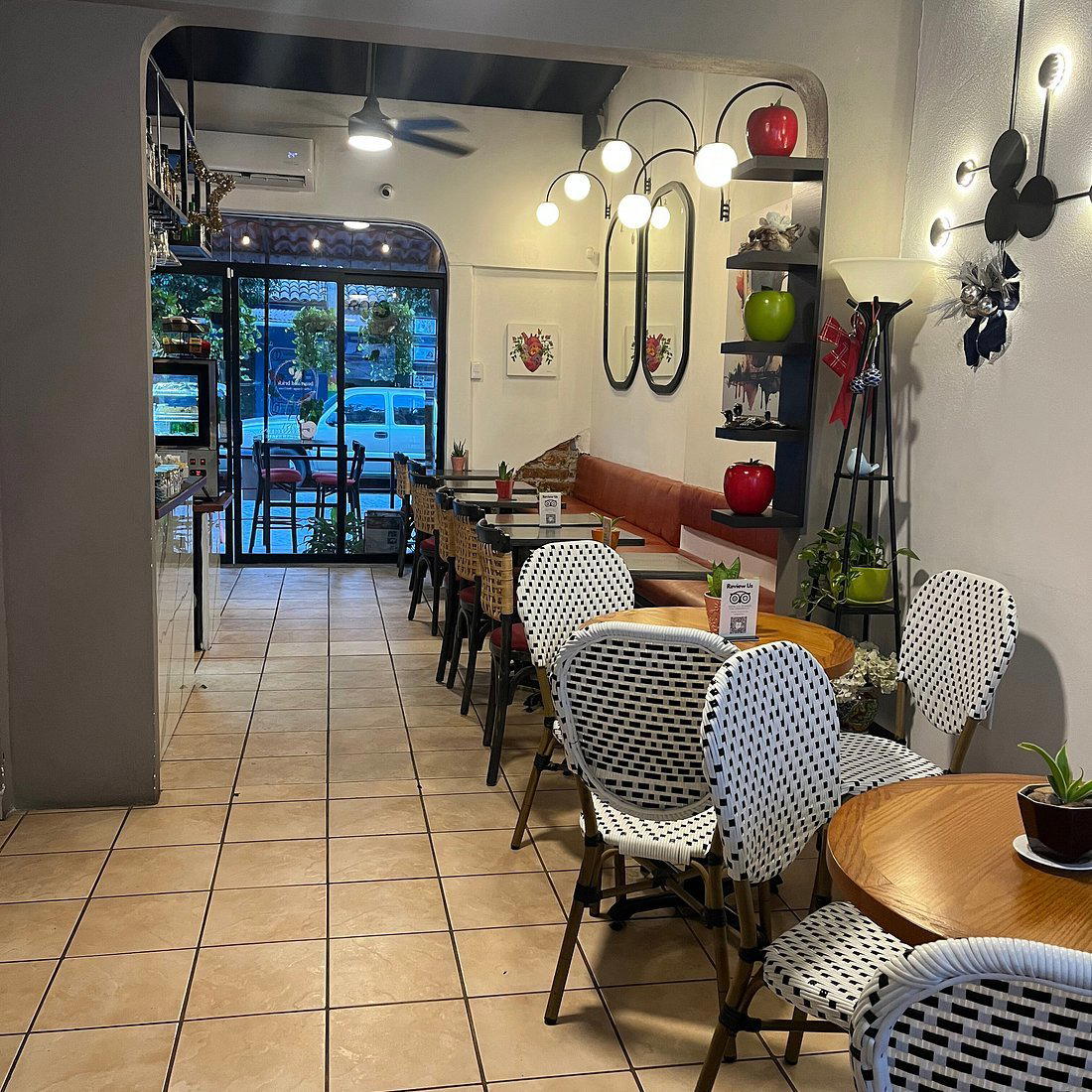
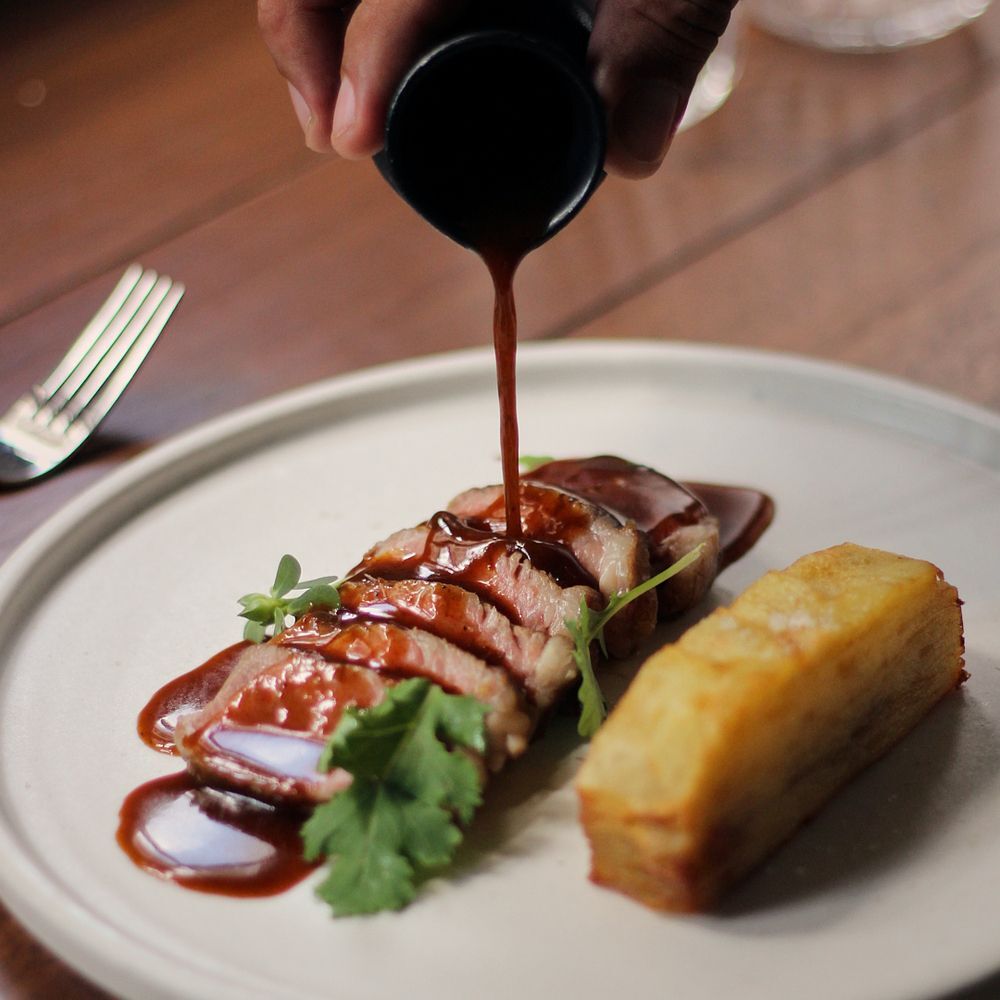
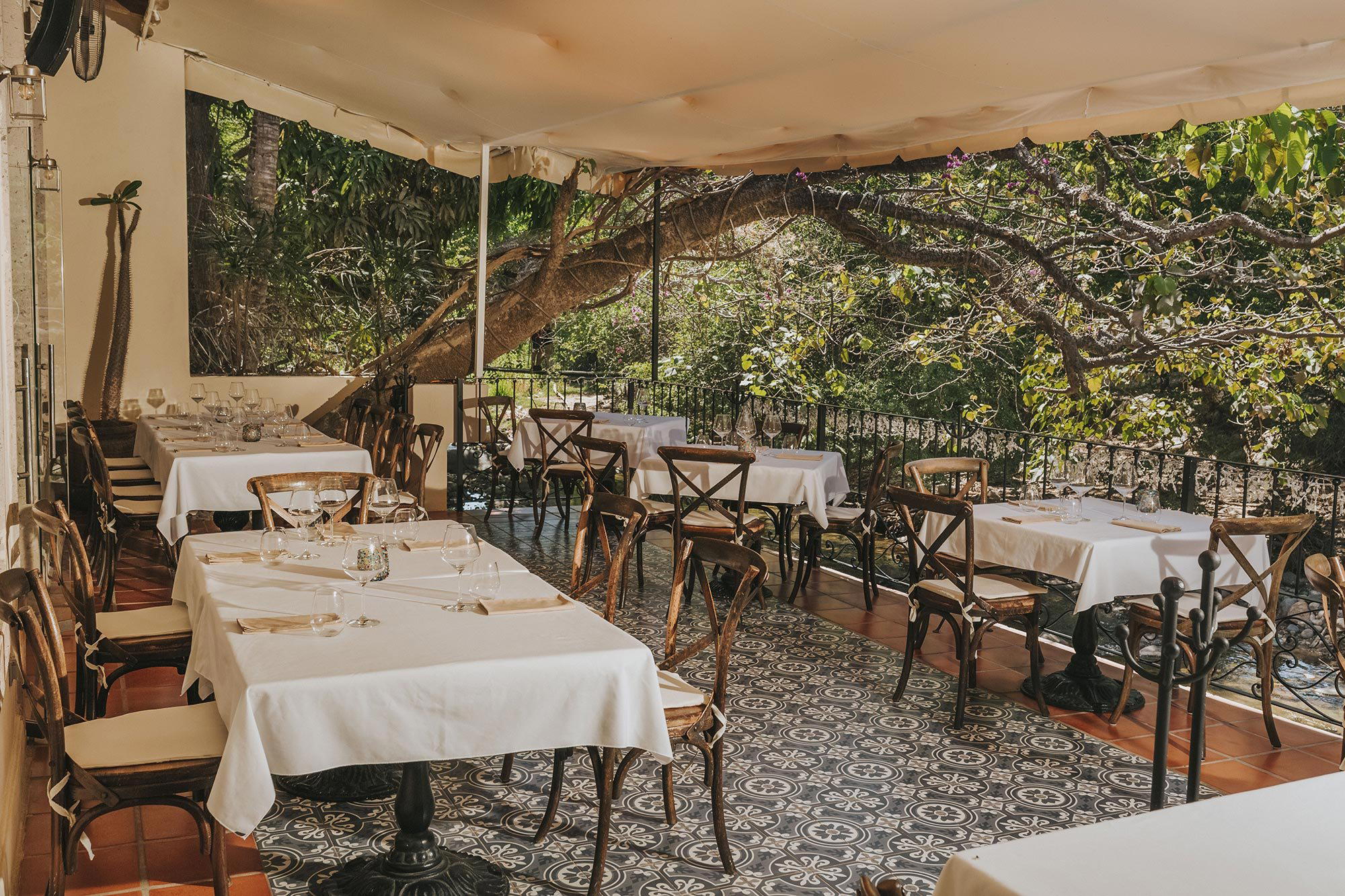
Bars in Puerto Vallarta
All bars in Puerto Vallarta →



Details
- Lively
- Rustic
- Casual Hangout
- Open Kitchen
- A La Carte
Casual street food stand with a busy, energetic atmosphere featuring a built-in counter, stools, and fresh preparation visible to customers.