Casamar
Casamar sits in Puerto Vallarta's Centro district on Galeana 185, placing it within the city's most concentrated stretch of serious dining. The address alone signals intent: this is a neighbourhood where Mexican coastal cooking meets genuine culinary ambition, and where the competition sharpens every plate. For visitors tracking the Pacific Coast's evolving restaurant conversation, Casamar belongs on the itinerary.
Pearl is the En Primeur Club membership app — saves, bookings, and concierge access live there. Same editors, same standards.
- Address
- Galeana 185, Proyecto escola, Centro, 48300 Puerto Vallarta, Jal., Mexico
- Phone
- +523222231014
- Website
- casamar1928.com.mx
- Directions
- Get directions
 Saves & bookings on Pearl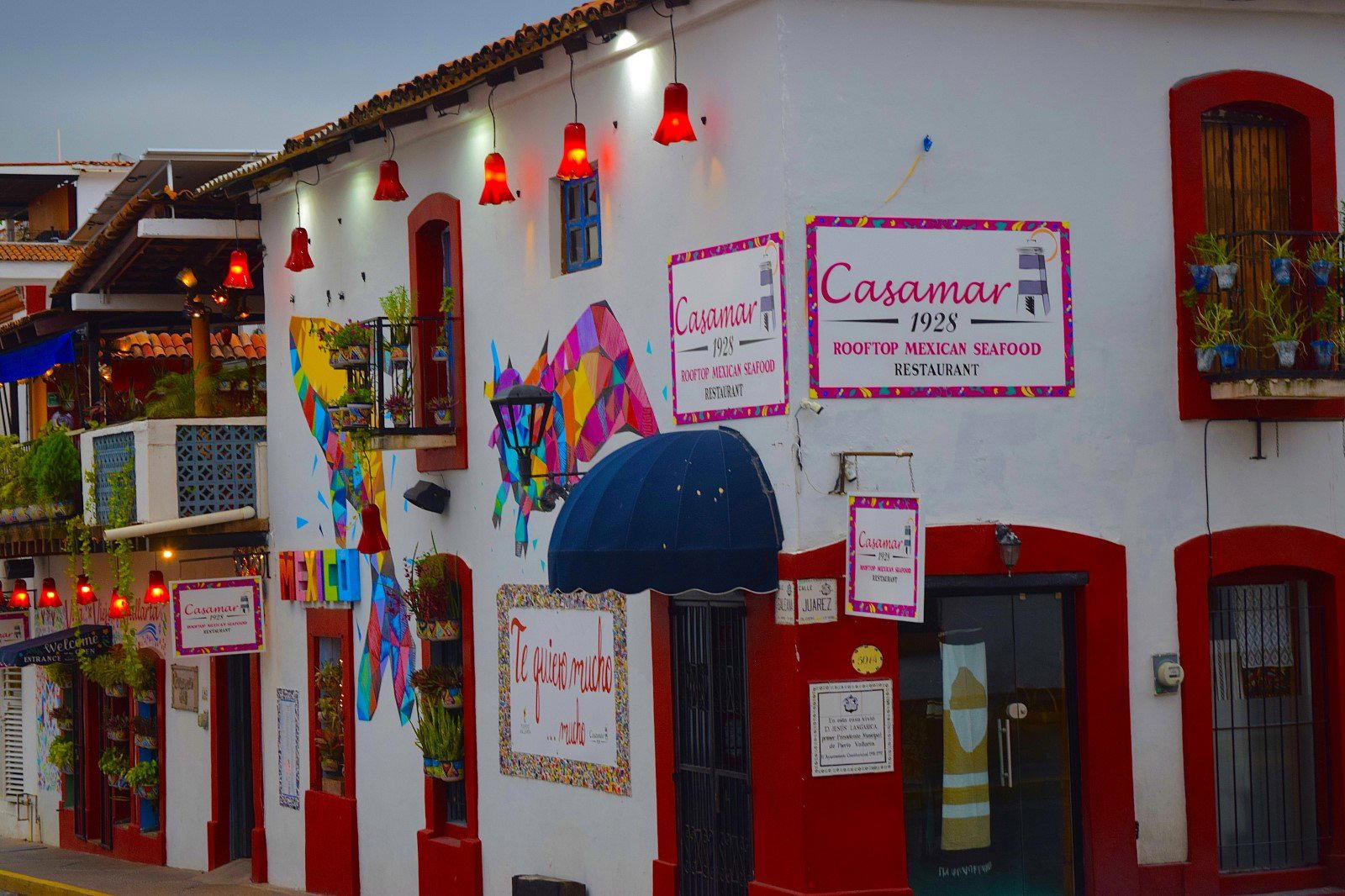
Where the Pacific Coast Comes Indoors
Puerto Vallarta's Centro has a particular quality at dusk. The salt air off Banderas Bay travels inland along the cobbled streets, mixing with woodsmoke and lime, and by the time it reaches the interior dining rooms on Galeana, it has already done half the work of setting a mood. The physical address is not incidental: Centro is where the city's dining scene concentrates its most considered cooking, and where proximity to the malecón means the ocean is close by. The kitchen's relationship to Pacific ingredients is shaped, in part, by this literal closeness to the water.
Mexico's Pacific Coast has become one of the country's more active culinary territories over the past decade. The conversation that began in Mexico City, driven by restaurants like Pujol, which placed Mexican technique on an international footing, has since spread outward. In Jalisco, in Oaxaca (where Levadura de Olla anchors a regional tradition), and along the Pacific corridor from Puerto Vallarta south, a generation of kitchens is working with coastal ingredients at a level of seriousness that was rare fifteen years ago. Casamar operates inside that broader shift.
The Sensory Logic of a Coastal Kitchen
What distinguishes serious coastal Mexican cooking from its resort-strip counterpart is discipline with sourcing and a willingness to let salt, acid, and char do structural work rather than reaching for cream and sweetness. The Banderas Bay region gives kitchens access to yellowfin tuna, snapper, octopus, shrimp, and seasonal catches that arrive with a freshness that cold-chain logistics elsewhere cannot replicate. A kitchen at this address, in this city, should be working with the area's best available fish and shellfish. The question worth asking of any Centro restaurant is not whether the seafood is fresh, it should be, but what the kitchen does with that starting point.
The cooking traditions that inform Pacific Mexican restaurants in Puerto Vallarta draw from multiple lineages: the ceviches and aguachiles of Sinaloa and Nayarit to the north, the chile-forward preparations of Jalisco's interior, and the wood-fire and nixtamal practices that have been re-energised by the broader Mexican fine dining movement. Particularly interesting kitchens in the region pull from all three without collapsing into a fusion pastiche. For context on what that ambition looks like when fully realised at a resort-adjacent location, Le Chique in Puerto Morelos on the Caribbean coast provides a useful comparison point for how technical precision and Mexican coastal identity can coexist.
Centro's Competitive Position
Galeana and the streets surrounding it represent the more serious end of Puerto Vallarta's restaurant conversation. Café des Artistes has held a long-standing position in the neighbourhood as a reference point for formal dining; Balam Balam and Campomar represent the newer wave of operators bringing sharper identity to the city's plates. Bean and Brick and Calmate Cafe occupy the daytime and cafe end of the spectrum, filling out a neighbourhood that now offers a full range from morning through late dinner.
Casamar sits within this cluster. Its Proyecto Escola designation within Centro points to a specific micro-zone that has attracted a particular kind of operator: one working at a deliberate remove from the tourist-facing strip, with a clientele that includes both international visitors willing to research beyond the resort list and the local Puerto Vallarta dining community that sustains a neighbourhood through the low season. This is a meaningful distinction. Restaurants that survive on local repeat business year-round are forced to maintain standards that the high-season tourist rush alone does not demand.
For a broader view of where Puerto Vallarta's restaurant culture sits relative to the country's other serious dining cities, including what Alcalde in Guadalajara, Pangea in San Pedro Garza García, and KOLI Cocina de Origen in Monterrey are doing with Mexican regional cooking, see our Puerto Vallarta restaurants guide.
Seasonal Timing and When to Go
Puerto Vallarta's dining year divides fairly cleanly. The dry season, running roughly from November through April, brings cooler evenings, lower humidity, and a more concentrated local dining culture as the snowbird population swells the city's more considered restaurants. This is also when Banderas Bay's fishing calendar is at its most productive for certain species, and when the city's kitchen talent is least likely to be stretched across private event bookings and resort catering work.
The shoulder months of May and October carry a different logic: fewer visitors and more attentive service. The rainy season proper, June through September, changes the city's character considerably, heat, humidity, and afternoon storms, but also represents when serious operators are most accessible and most willing to take their time with a table. Restaurants like Animalón in Valle de Guadalupe and Lunario in El Porvenir have shown how seasonal rhythm can be a feature of a dining identity rather than a limitation; Pacific coast kitchens in Puerto Vallarta are increasingly working with that same awareness.
Planning Your Visit
Casamar is at Galeana 185 in the Proyecto Escola section of Centro, walkable from the malecón and the Río Cuale area that anchors the southern edge of the historic neighbourhood. Centro is compact enough that moving between restaurants in an evening is practical on foot, which makes it worth building Casamar into a broader neighbourhood itinerary rather than treating it as a standalone destination. For visitors tracking Mexico's coastal fine dining conversation at full depth, the comparable set extends beyond Puerto Vallarta to include HA' in Playa del Carmen and, at one technically ambitious end of international seafood cooking, Le Bernardin in New York and Lazy Bear in San Francisco as reference points for what precision and sourcing discipline look like when taken to their logical conclusion. Also worth consulting: Olivea Farm to Table in Ensenada for how Mexican Pacific coastal identity plays out in a different regional register.
Same-City Peers
Comparable venues nearby, for context on price, style, and recognition.
| Venue | Cuisine | Price | Notes |
|---|---|---|---|
| CasamarThis venue — the venue you are viewing | Traditional Mexican Seafood | $$$ | Not listed |
| Call Me Lalo Taquería | Beachfront Mexican taquería | $$$ | Puerto Vallarta |
| Campomar Puerto Vallarta | Nayarit Seafood | $$$ | Fluvial Vallarta |
| La Leche | Modern Mexican Fusion | $$$ | Zona Hotelera Norte |
| Marisma Fish Taco | Mexican Fish Tacos | $ | Zona Romántica |
| Tacos de la santa cruz | Traditional Mexican Taqueria | $$ | Aguacate |
Continue exploring
More in Puerto Vallarta
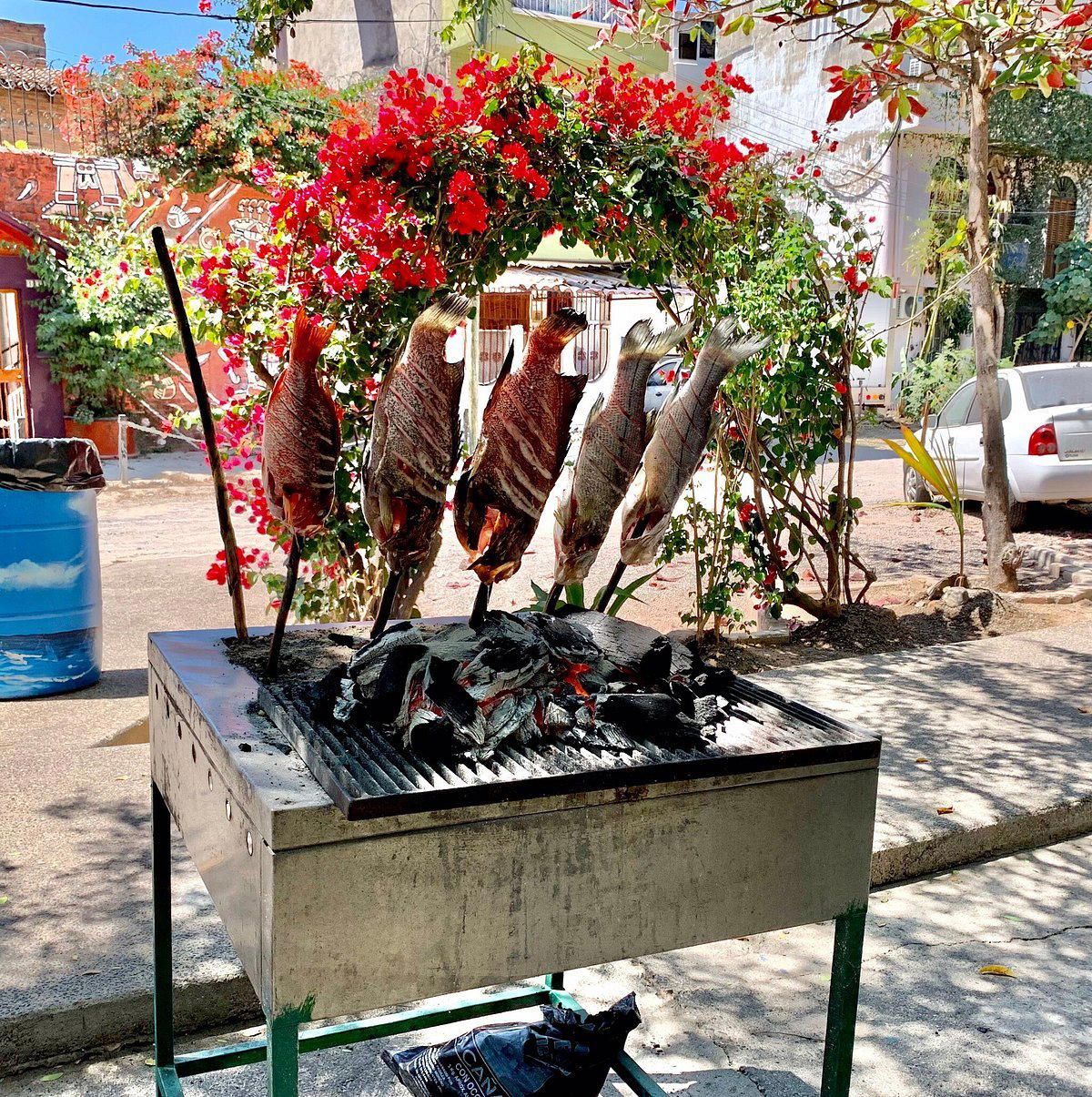
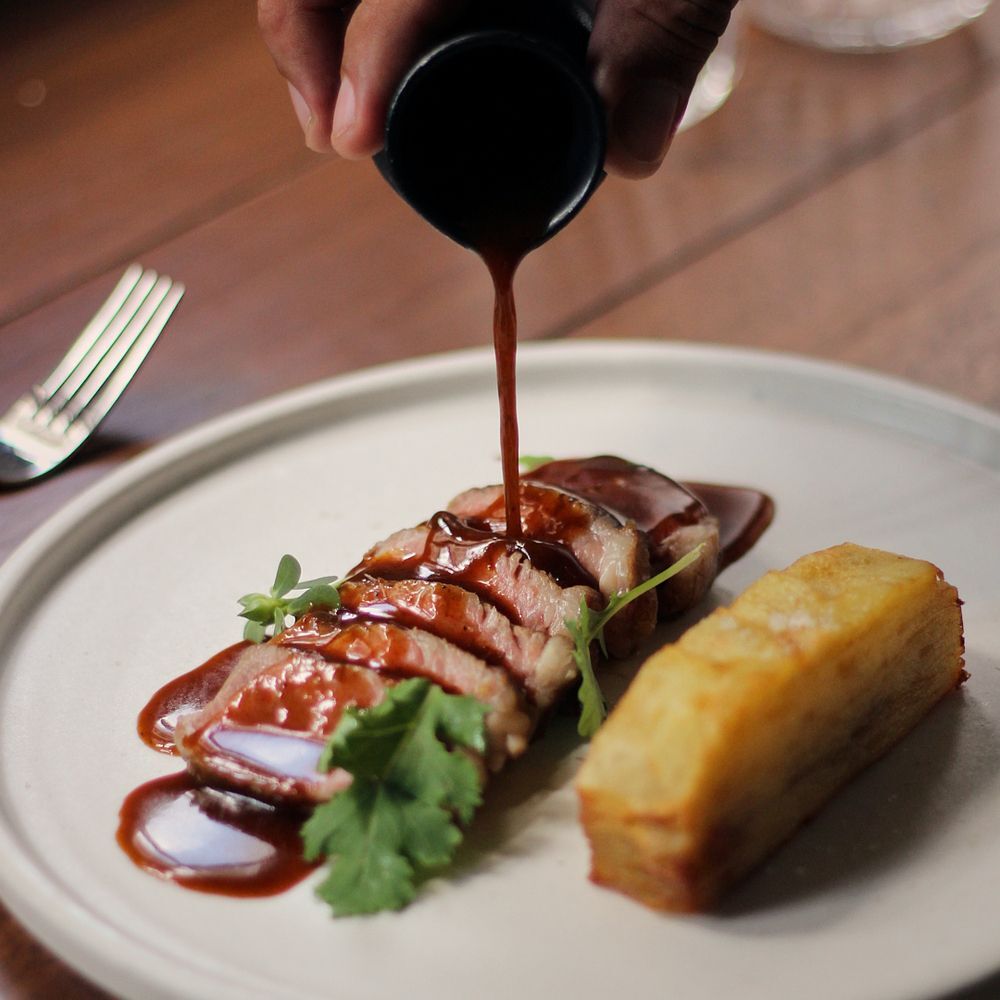
Restaurants in Puerto Vallarta
Browse all →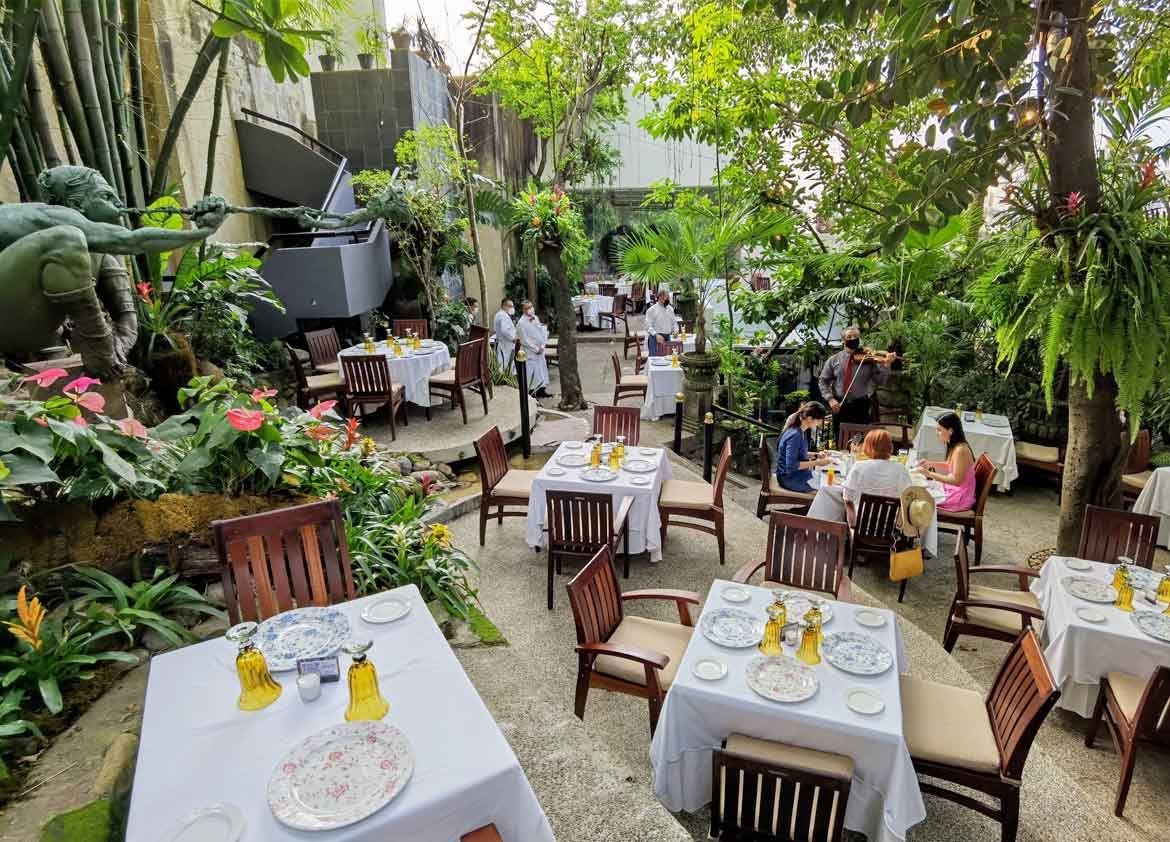
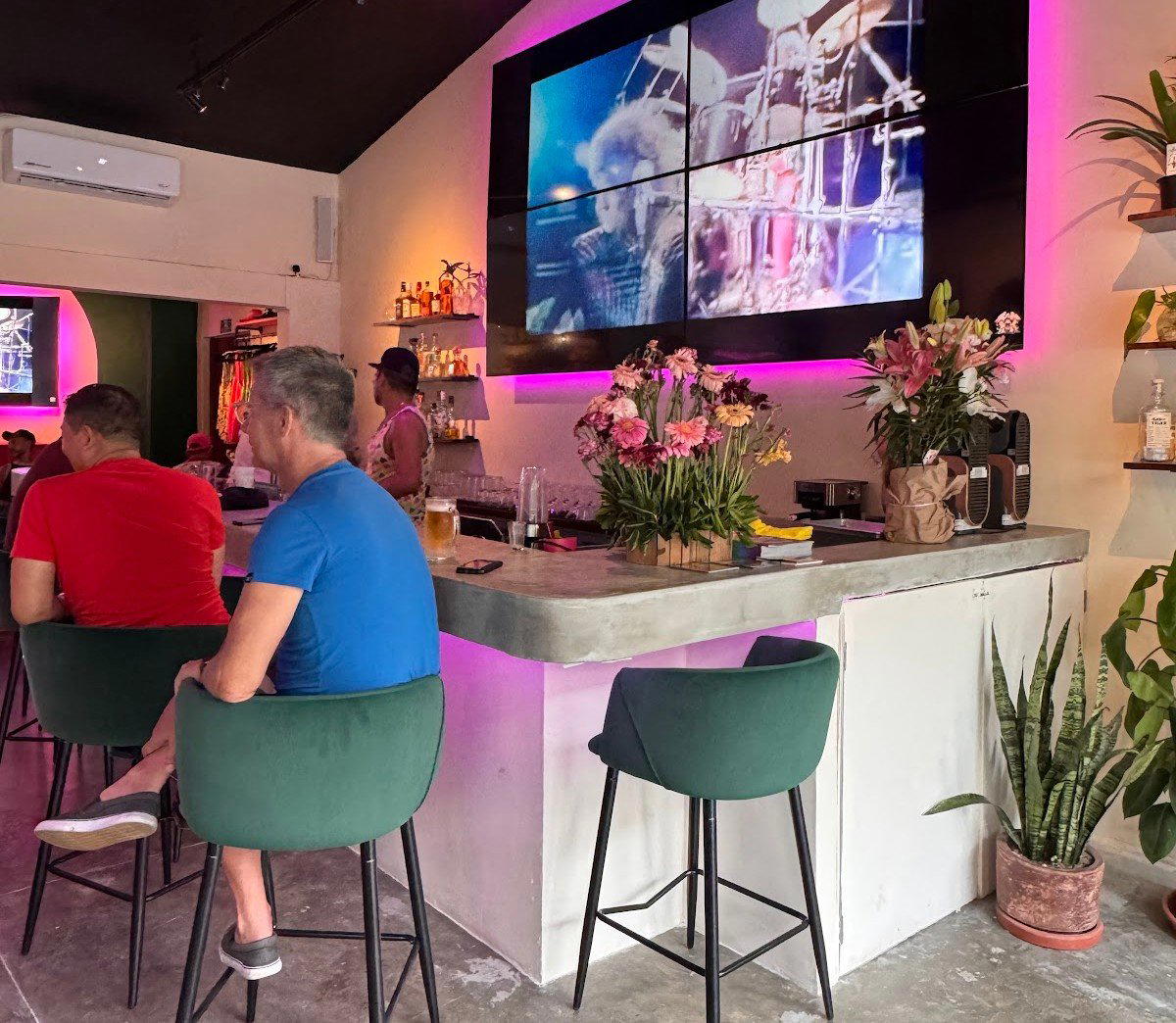
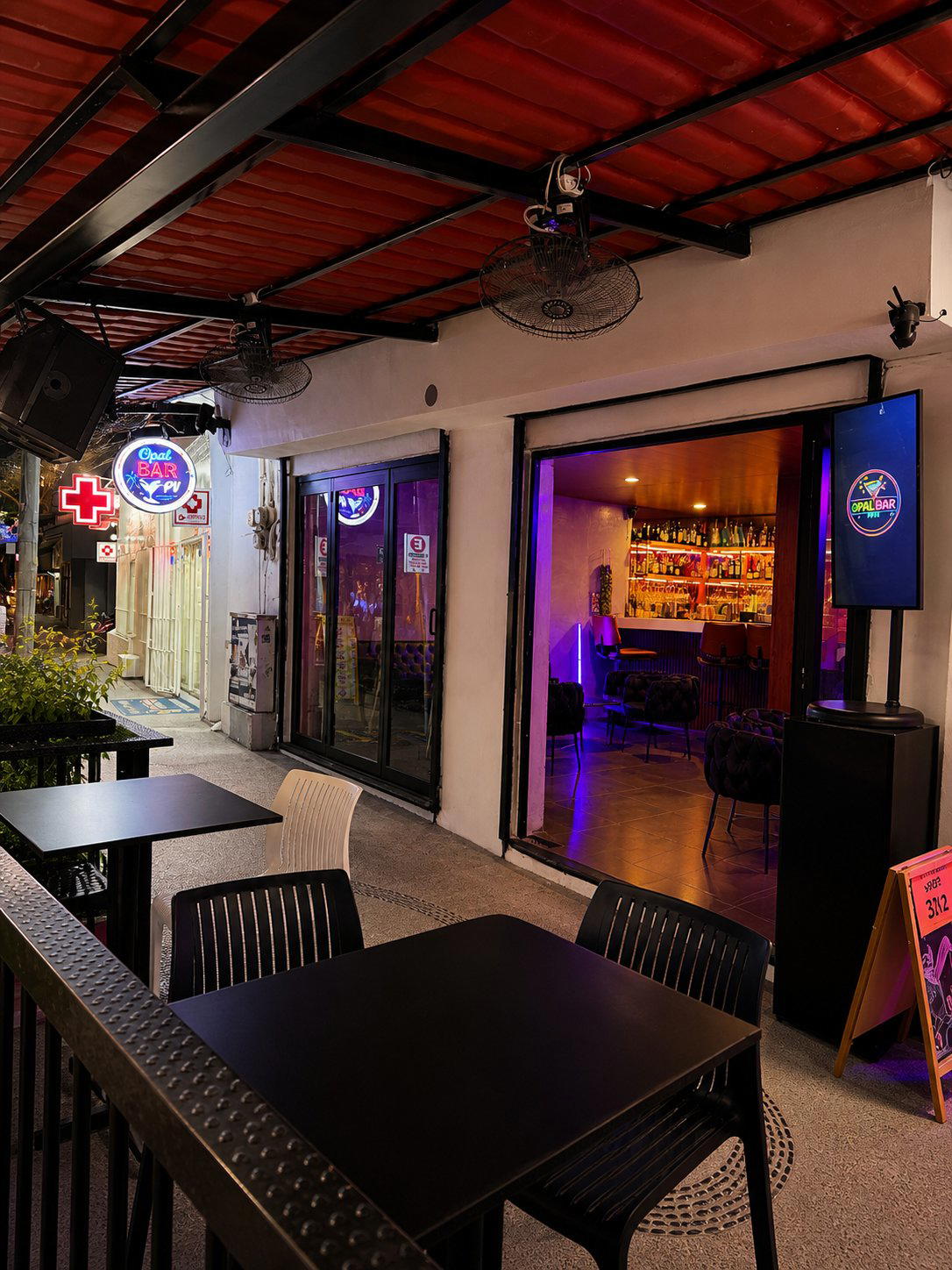
Bars in Puerto Vallarta
Browse all →



At a Glance
- Romantic
- Historic
- Cozy
- Scenic
- Date Night
- Special Occasion
- Family
- Terrace
- Historic Building
- Open Kitchen
- Local Sourcing
- Waterfront
Current opening hours
- Monday
- 12–10:30 PM
- Tuesday
- 12–10:30 PM
- Wednesday
- 12–10:30 PM
- Thursday
- 12–10:30 PM
- Friday
- 12–10:30 PM
- Saturday
- 12–10:30 PM
- Sunday
- 12–10:30 PM
Hours can change for holidays and private events. Last verified .
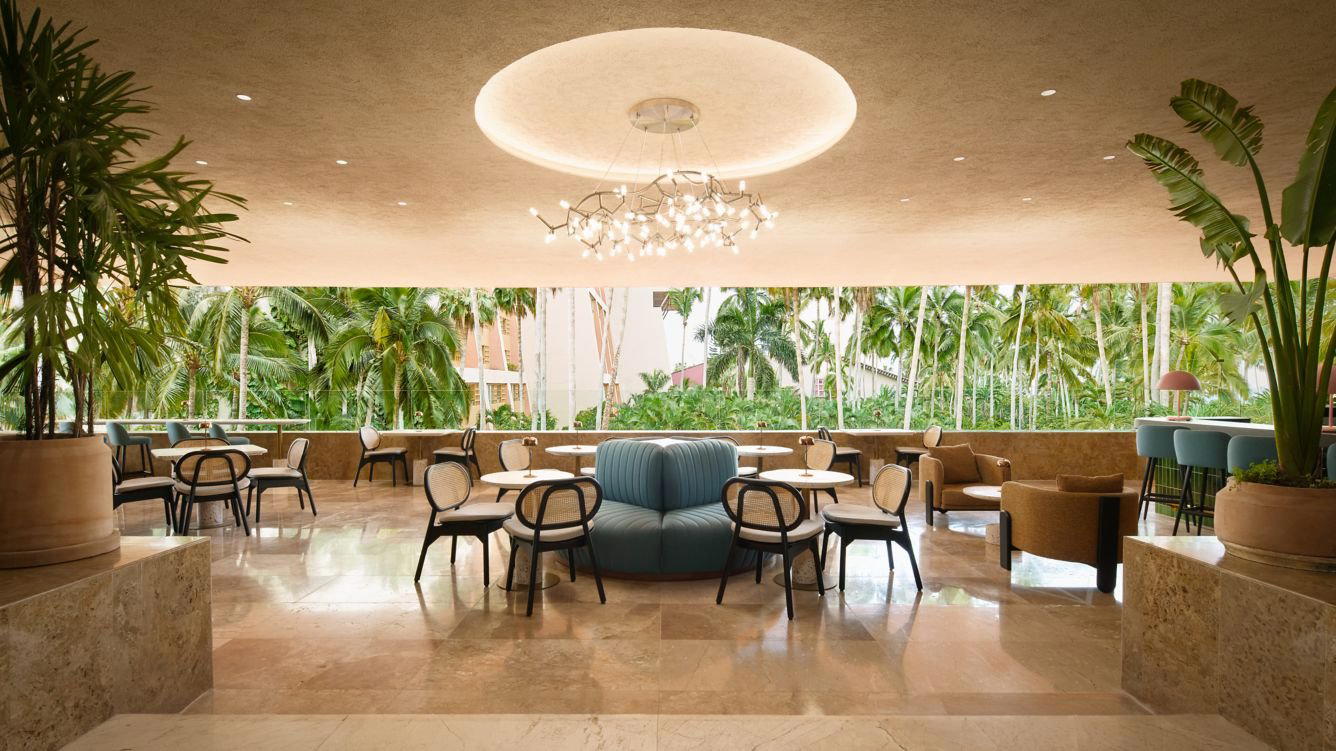
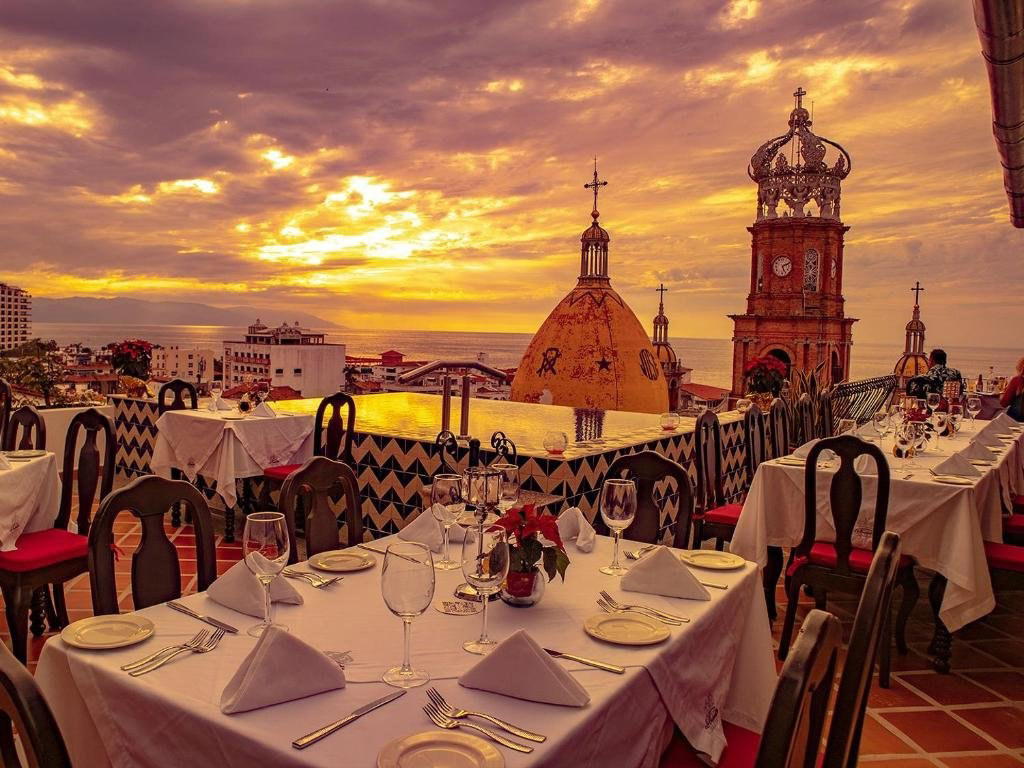
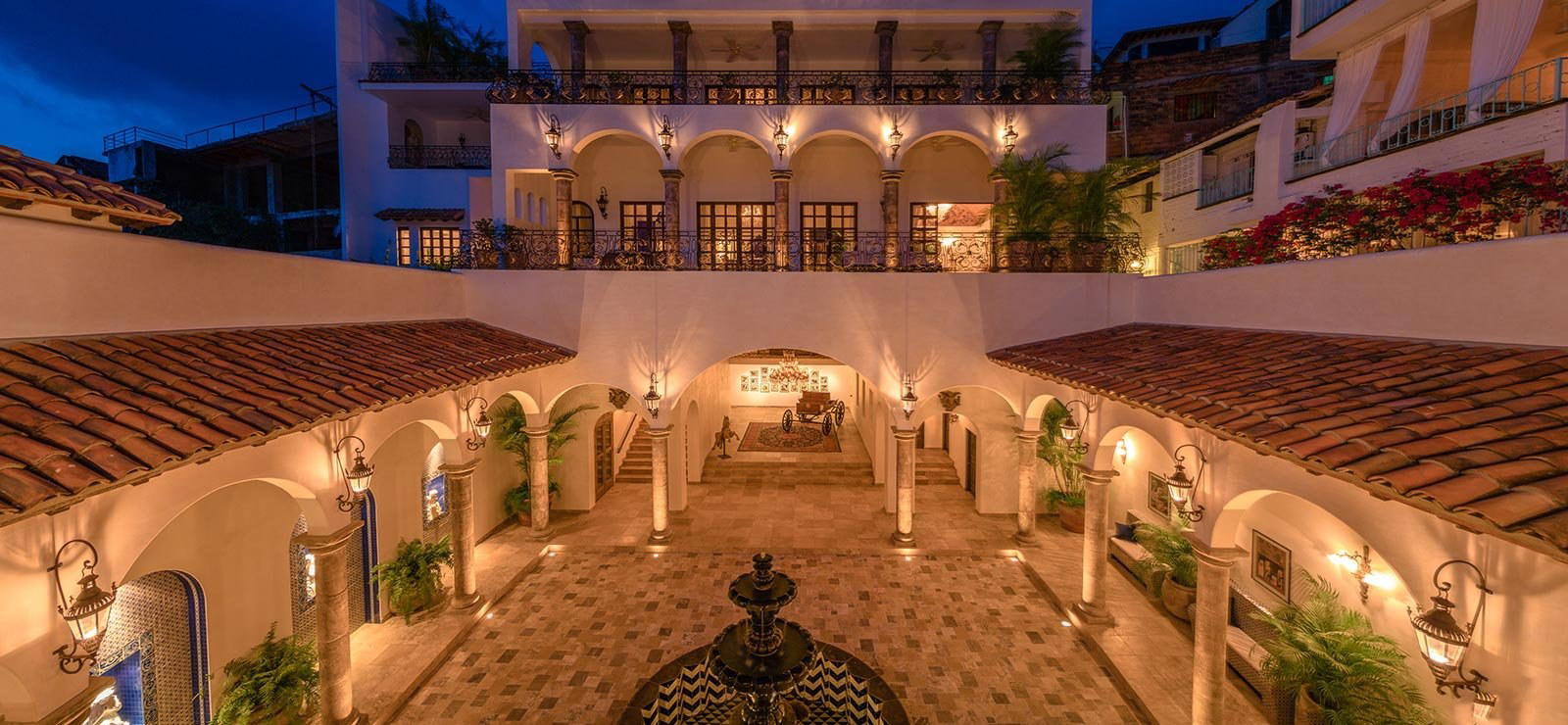
Charming historic atmosphere with adobe walls, lively rooftop patio at sunset, live music, and warm attentive service.