
On a quiet residential street in Borgholm, Öland's small capital, Trädgårdsgatan 26 occupies the kind of address that rewards visitors who look beyond the obvious. The setting reflects the island's broader dining character: produce-led, seasonally anchored, and shaped by the agricultural particularity of a limestone plateau designated a UNESCO World Heritage landscape. For anyone tracing Sweden's regional fine dining circuit beyond the metropolitan centres, it belongs on the itinerary.
Pearl is the En Primeur Club membership app — saves, bookings, and concierge access live there. Same editors, same standards.
- Address
- Trädgårdsgatan 26, 387 32 Borgholm, Sweden
- Phone
- +4648577242
- Website
- tg26.se
- Directions
- Get directions
 Saves & bookings on Pearl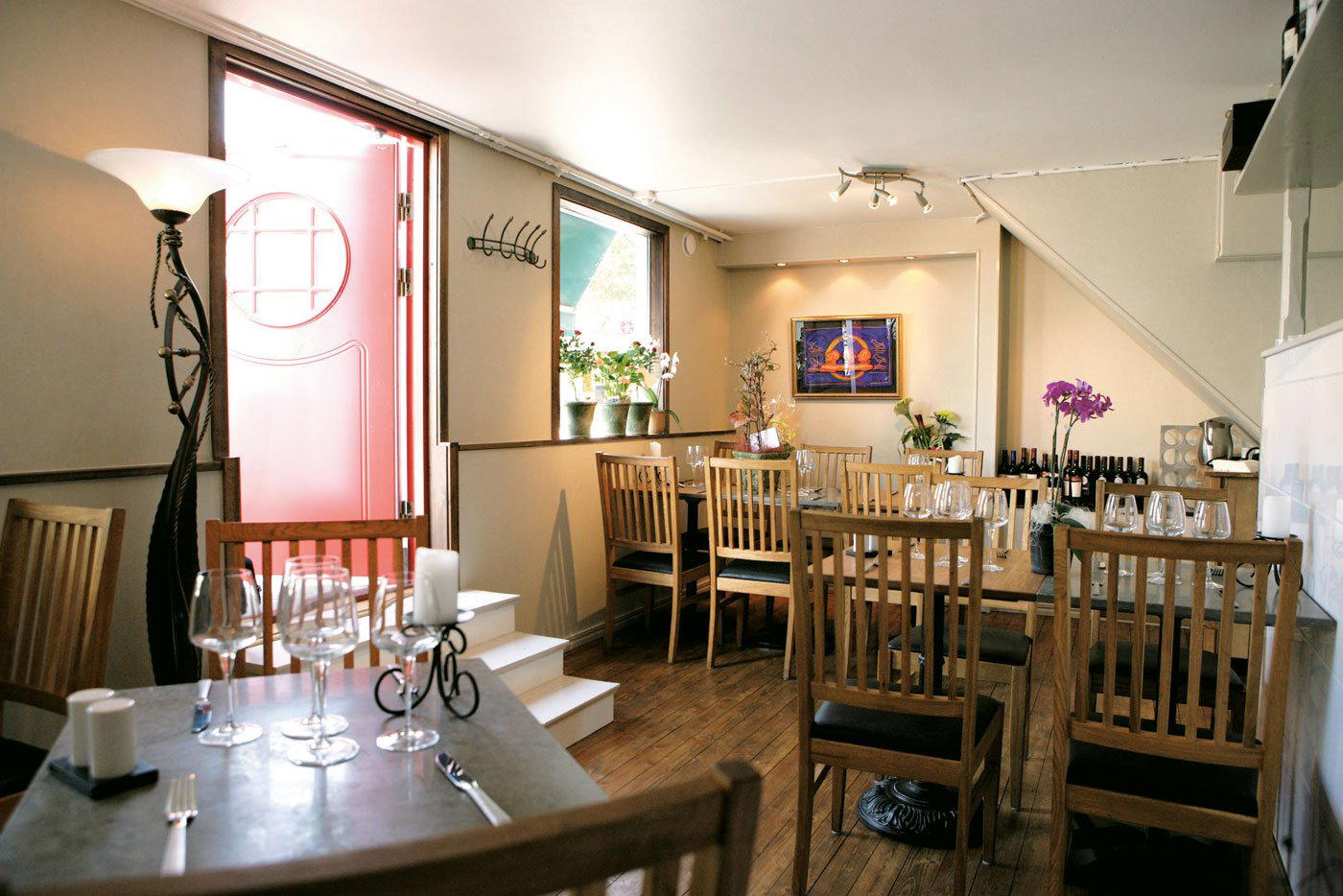
A Street Address That Tells You Something About Öland
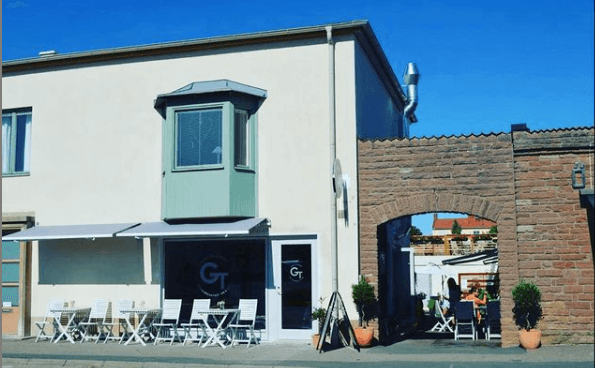
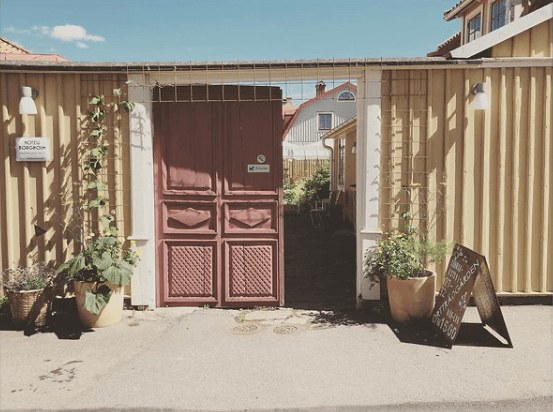
Borgholm is not a large town. Its streets run in short grids behind a harbour that empties out after the summer ferry traffic subsides, and the restaurants that endure here do so not on tourist volume alone but on a relationship with the island's notable larder. Trädgårdsgatan 26 sits on one of those quieter residential streets, the kind where the address itself signals something about the dining philosophy inside: no prominent signage competing for passing trade, no location optimised for foot traffic.
Öland's agricultural identity is specific enough to shape everything that happens in a serious kitchen here. The island's thin limestone-rich soil, the same geology that underpins its status as a UNESCO World Heritage Site alongside Södra Öland's agricultural landscape, produces herbs, vegetables, and grains with a mineral character that differs from mainland produce. Lamb grazed on the alvar, the open limestone plain, carries a leanness and aromatic quality tied directly to that sparse, wildflower-rich grazing. Any kitchen on the island with genuine ambition either sources from this environment or explains why it doesn't.
Where Öland's Produce Tradition Sits in the Swedish Fine Dining Picture
Sweden's fine dining conversation has long been shaped by a small number of high-profile urban addresses. Frantzén in Stockholm and Vollmers in Malmö anchor opposite ends of the country's metropolitan restaurant spectrum, while the new Nordic creative tradition has extended into smaller regional cities through places like VYN in Simrishamn and ÄNG in Tvååker. What those restaurants share, regardless of format or price tier, is a grounding in Swedish ingredient culture: foraged, farmed, and fished within a defined geographic logic.
The more interesting question for Borgholm is whether a restaurant on Öland can sustain that same credibility at the level of sourcing rigour, given the island's relative isolation and short summer supply window. The answer, historically, has been yes for kitchens willing to work within the seasonal constraints rather than import around them. Hotell Borgholm, which holds Michelin recognition and has shaped expectations for fine dining on the island, demonstrated that Öland's larder is genuinely capable of supporting serious tasting menu work. That raised watermark benefits every ambitious address in the town.
Elsewhere in Sweden's regional circuit, kitchens in smaller cities have built reputations by going deep into local sourcing rather than wide across imported luxury ingredients. Signum in Mölnlycke, Knystaforsen in Rydöbruk, and PM & Vänner in Växjö each represent a version of this approach adapted to their own geography. The pattern that emerges across these addresses is consistent: the restaurants that last in smaller Swedish cities are those that treat the local supply chain as a creative constraint rather than a limitation to overcome.
The Seasonal Logic of Dining on Öland
Timing matters more on an island than it does in a city with year-round supply chains. Öland's restaurant season compresses heavily into the summer months, when the population swells with visitors from the Swedish mainland and the island's producers are at peak output. The alvar blooms, the coastal waters yield Baltic fish at their cleanest, and the island's small farms operate at full capacity. A kitchen working in this window has access to a genuinely distinctive larder. Outside it, the picture changes, and restaurants that remain open through autumn and winter necessarily shift toward preserved, pickled, and stored ingredients, a tradition with its own depth in Swedish culinary culture, but a different experience from the height-of-season table.
For visitors planning around Öland is reachable by road via the Öland Bridge from Kalmar on the Swedish mainland, a crossing of just over six kilometres that makes the island accessible without a ferry crossing, a logistical detail that matters for planning a day trip versus an overnight stay. Given the density of good eating concentrated in Borgholm and its surrounds, an overnight in the town rewards the effort.
Reading Trädgårdsgatan 26 Against the Broader Borgholm Scene
Borgholm's dining scene is small but coherent. The town supports a handful of serious addresses alongside its more casual summer trade, and the dynamic between them reflects a broader Swedish regional pattern: one or two anchoring restaurants set the sourcing standard, and a secondary tier of addresses either engages with local ingredients at a different price point or serves a different function for the same visitors. Visitors with a genuine interest in Öland's food culture tend to eat across multiple addresses rather than anchoring to a single table.
Internationally, the comparison points for this kind of island-anchored, produce-led dining are specific. The model of a small destination kitchen drawing on a tight geographic supply chain has parallels in coastal Nordic dining more broadly, and at the level of technical execution, tasting menu formats at addresses like Le Bernardin in New York City or Atomix in New York City demonstrate how rigorous ingredient sourcing can underpin entirely different aesthetic frameworks. The ingredient-first logic is consistent even when the cuisine and context diverge sharply.
Other Swedish regional addresses worth benchmarking against for the sourcing-led approach include 28+ in Gothenburg, Lilla Bjers in Visby on nearby Gotland, Adrian Restaurang in Borås, Brasserie Park in Jonköping, Enoteket in Norrköping, John's Place in Varberg, and Camp Ripan in Kiruna, which takes the geographic specificity of local sourcing to its northern extreme. Each of these addresses works a different regional larder, but the underlying editorial logic is the same: Swedish fine dining outside the major cities earns its credibility through ingredient relationships, not borrowed prestige.
Planning Your Visit
Borgholm is leading approached as part of a broader Öland itinerary rather than a single-meal destination. The island's size means that pairing a dinner reservation with an afternoon exploring the alvar or the ruins of Borgholm Castle adds meaningful context to what arrives on the plate. Booking ahead is advisable during peak summer weeks, when the island's visitor numbers put pressure on every serious table in town. Reservations are essential, so book ahead.
In Context: Similar Options
Comparable venues nearby, for context on price, style, and recognition.
| Venue | Cuisine | Price | Awards | Notes |
|---|---|---|---|---|
| Trädgårdsgatan 26This venue — the venue you are viewing | Modern Swedish | $$$ | Not listed | Not listed |
| Hotell Borgholm | Contemporary Öland Gastronomy | $$$$ | Michelin Plate | Borgholm City Center |
| Söderport | Pizza and International | $$ | Not listed | Gamla Stan |
| Ölme Prästgård Gästgiveri | Nordic Swedish | $$$ | Not listed | Ölme |
| Stufvenäs Gästgifveri | Swedish Seasonal Cuisine | $$$ | Not listed | Söderåkra |
| Esperanto | New Nordic with Japanese Fusion | $$$$ | Not listed | Östermalm |
Recognition history
Dated appearances from independent guides and award organizations, with the underlying list record or original source where available.
White Guide Sweden Restaurants - Very Fine Level
White Guide
At a Glance
- Cozy
- Intimate
- Date Night
- Special Occasion
- Open Kitchen
- Local Sourcing
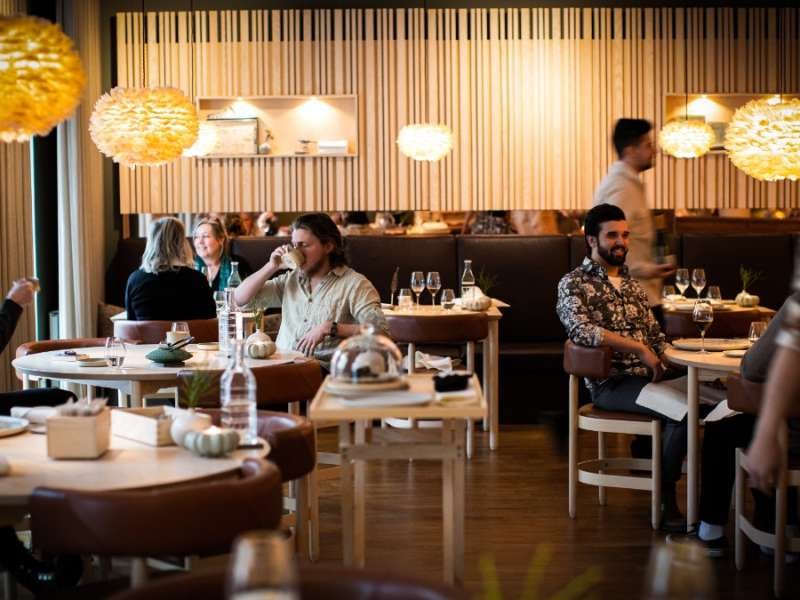
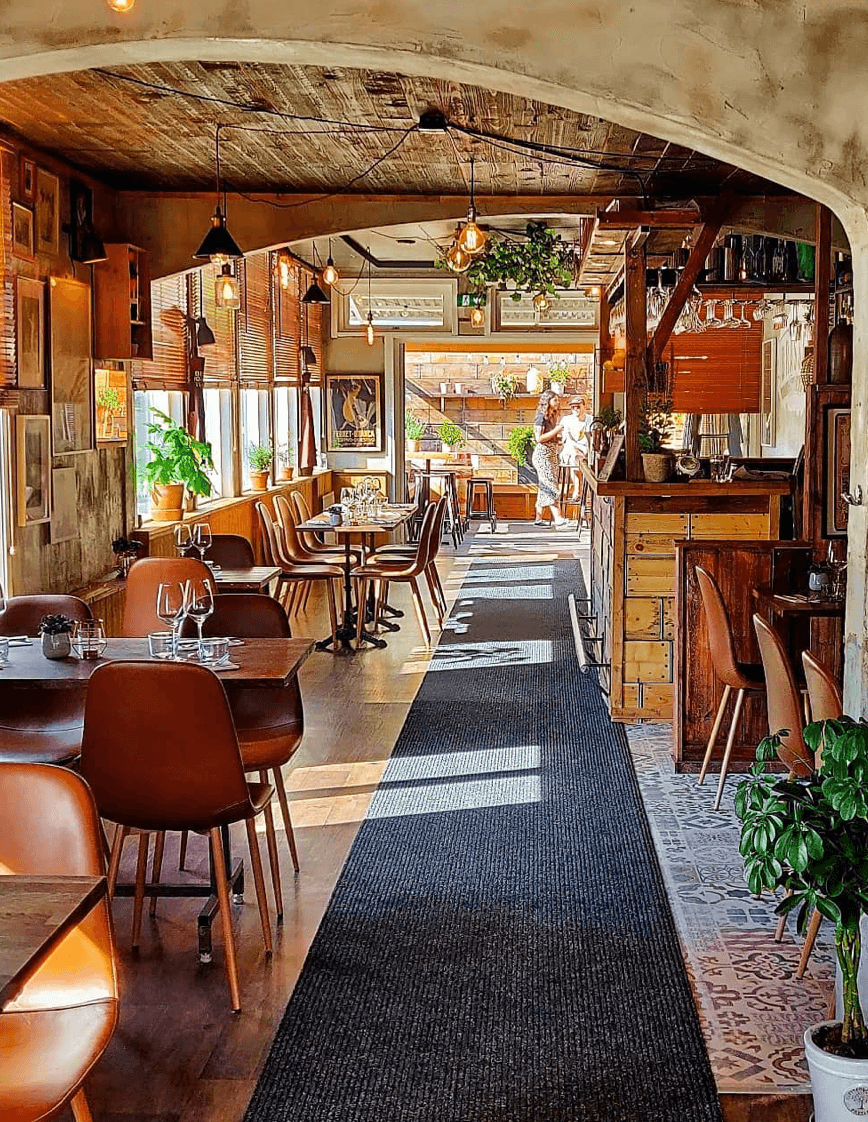
Warm, inviting, and cozy with an intimate atmosphere allowing views into the kitchen.