

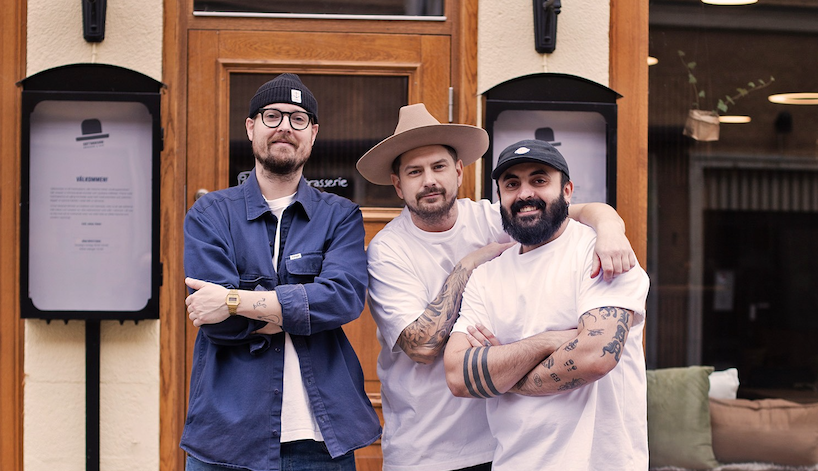
Opened in 2015 by two alumni of Växjö's PM & Vänner, Postgatan brought ambitious bistro cooking to central Kalmar, pairing a focused kitchen with a well-curated bar program. The format sits between a neighbourhood restaurant and a serious dining destination, occupying a position that Kalmar's dining scene had largely left unfilled. For a city of its size, the ambition is notable.
Pearl is the En Primeur Club membership app — saves, bookings, and concierge access live there. Same editors, same standards.
- Address
- Postgatan 5, 392 53 Kalmar, Sweden
- Phone
- +46 480 40 86 90
- Website
- postgatan.nu
- Directions
- Get directions
 Saves & bookings on Pearl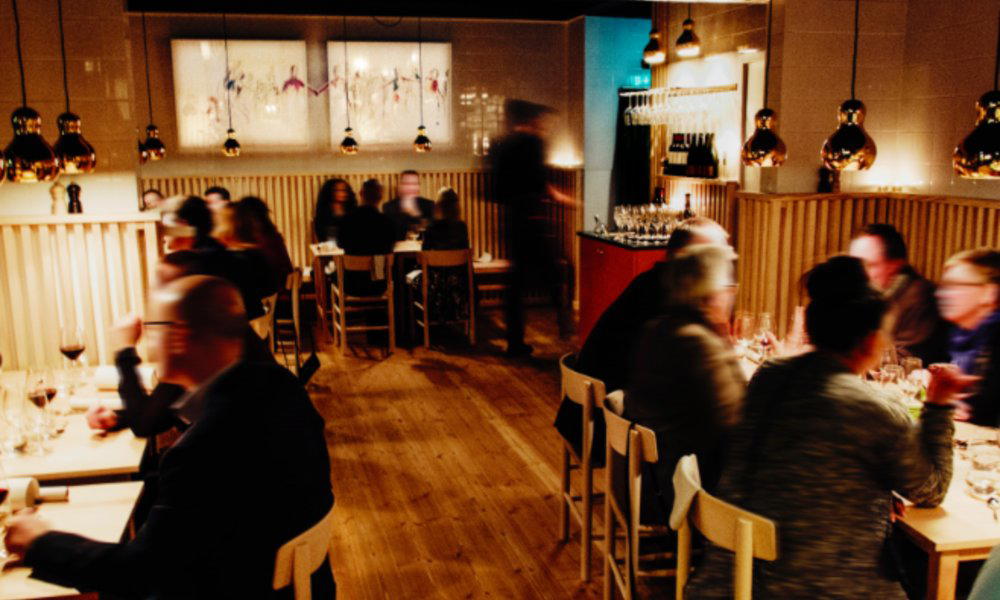
Kalmar's Bistro Tier and Where Postgatan Sits Within It
Sweden's regional dining scene has, over the past two decades, concentrated its most ambitious cooking in a handful of mid-sized cities that developed a local appetite for serious food alongside strong local produce networks. Kalmar, on the southeast Baltic coast, was slower to develop that tier than Malmö or Gothenburg, where restaurants like Vollmers in Malmö or 28+ in Gothenburg built award-winning programs over many years. What Kalmar had, however, was proximity to some of Sweden's most productive ingredient country: the island of Öland across the Kalmar Strait, with its limestone-rich soil and open grazing, has supplied the Swedish fine dining world with lamb, lentils, and heritage grains for years. A kitchen prepared to source from that geography has a natural advantage.
Postgatan is a restaurant at Postgatan 5 in Kalmar, serving Modern Swedish Tapas at a smart casual, reservation-recommended address. Postgatan, opened in 2015 at Postgatan 5 in central Kalmar, was built around exactly that kind of regional ambition. The two founders brought experience from PM & Vänner in Växjö, one of the more decorated restaurants in the Småland region, and transplanted that ethos into a bistro format with a substantial bar operation alongside the dining room. The combination of serious cooking and a considered beverage program in a mid-market bistro format is not common at this latitude; it places Postgatan in a small category that has closer peers in Skåne, at places like JH Matbar in Ystad, than in the city itself.
The Physical Setting and What It Signals
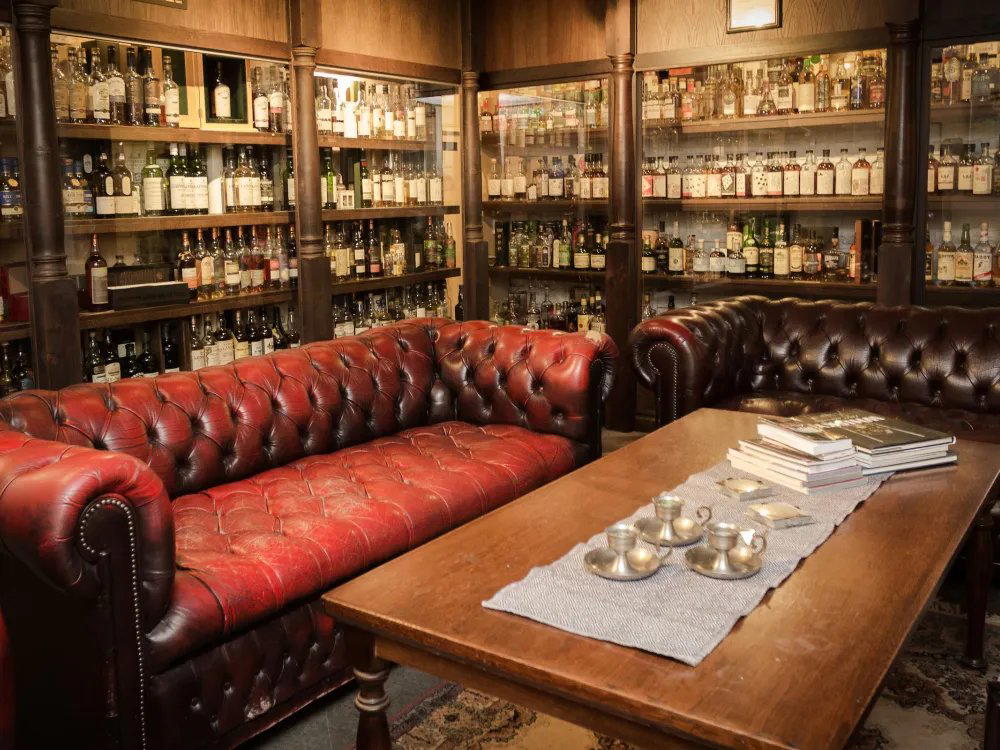
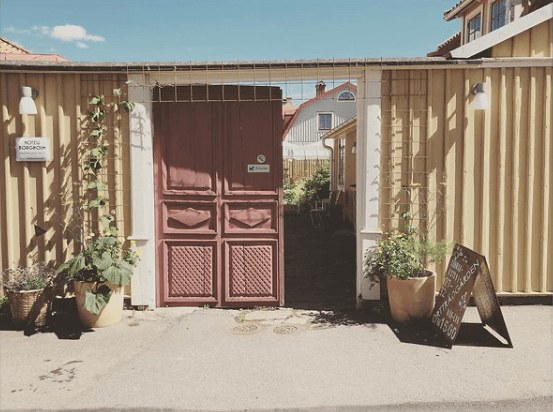
The address, on Postgatan in Kalmar's old town grid, puts the restaurant inside a district of low-rise 18th and 19th-century buildings a short walk from the waterfront. In Swedish regional cities of this type, that kind of location tends to attract a mix of local regulars and visitors staying nearby, a pattern that gives a restaurant a more varied crowd than either a purely tourist-facing room or a locals-only neighbourhood spot. The bar area's scale, substantial enough to be noted as a distinct feature of the format, suggests the venue functions across multiple occasions: a full dinner and a late drink or aperitif are both plausible uses of the same space.
That dual-use design is a feature of the more commercially sustainable bistro formats across Sweden. Fyr in Halmstad and Hotell Borgholm in Borgholm, both operating in similarly sized regional markets, have demonstrated that kitchens with genuine ambition can sustain themselves by serving a bar crowd alongside a dining room. The model requires the beverage program to pull its weight independently, which in turn tends to attract a different kind of staff and a higher baseline of drink knowledge than a kitchen-only operation.
Ingredient Sourcing as the Frame for the Cooking
The founding team's PM & Vänner background is relevant here not as biography but as a credential for a specific approach to Swedish regional cooking. PM & Vänner, operating in Växjö within the same Småland region, built its program around close supplier relationships and seasonal discipline, the same structural logic that underpins how the better-regarded New Nordic kitchens further south operate. VYN in Simrishamn and ÄNG in Tvååker both represent the more rural, ingredient-led end of that tradition, where the sourcing geography is as legible in the cooking as the technique.
For a Kalmar kitchen, the sourcing story is anchored by Öland. The island's agricultural character, shaped by a UNESCO-listed limestone plain and a climate that allows for longer growing seasons than mainland Småland, produces ingredients with a specificity that serious Swedish kitchens have sought out for years. When a regional bistro in Kalmar positions itself as ambitious, the implicit promise is that it is drawing on that geography: the lamb, the root vegetables, the heritage grains, and the Baltic seafood that comes in from the strait. Whether the execution of that sourcing logic has held consistently over the decade since opening is not something EP Club can verify from published record, but the structural conditions for it are as strong in Kalmar as anywhere in southern Sweden.
That context also places Postgatan in a different peer group than the high-end Nordic tasting menu format, where sourcing tends to be explicit and curated to the point of ceremony. A bistro approach means the same ingredients arrive in a more compressed, less annotated form, closer to how a Paris bistro might handle premium Breton seafood without turning the sourcing story into the primary text of the meal. That compression, when it works, is its own kind of confidence.
The Beverage Program and Its Role
Postgatan's beverage offering is a meaningful signal in the context of Swedish regional dining. Outside Stockholm, where restaurants like Frantzén operate at a different scale of investment and international recognition, wine lists in regional Swedish restaurants have historically trended toward safe international selections rather than producer-driven or regionally specific curation. A genuinely considered list in a Kalmar bistro context represents a real operational choice, and one that affects both the economics and the character of the room.
Restaurants with serious bar programs and curated wine lists tend to attract a local professional audience that returns frequently on lower-spend visits, which stabilises revenue across the week rather than concentrating it at weekend dinner. For visitors, it means a single address can function across multiple meal occasions. Postgatan's format, kitchen and bar given roughly equivalent weight, follows a model that restaurants like Signum in Mölnlycke and Knystaforsen in Rydöbruk have demonstrated works in Swedish markets outside the major cities.
Planning a Visit
Postgatan is at Postgatan 5, centrally located in Kalmar's old town and accessible on foot from most of the city's accommodation options. Booking in advance is advisable, particularly at weekends, for a kitchen-and-bar operation of this type in a regional city where the number of comparable alternatives is limited.
Quick Comparison
Comparable venues nearby, for context on price, style, and recognition.
| Venue | Cuisine | Price | Notes |
|---|---|---|---|
| PostgatanThis venue — the venue you are viewing | Modern Swedish Tapas | $$$ | Not listed |
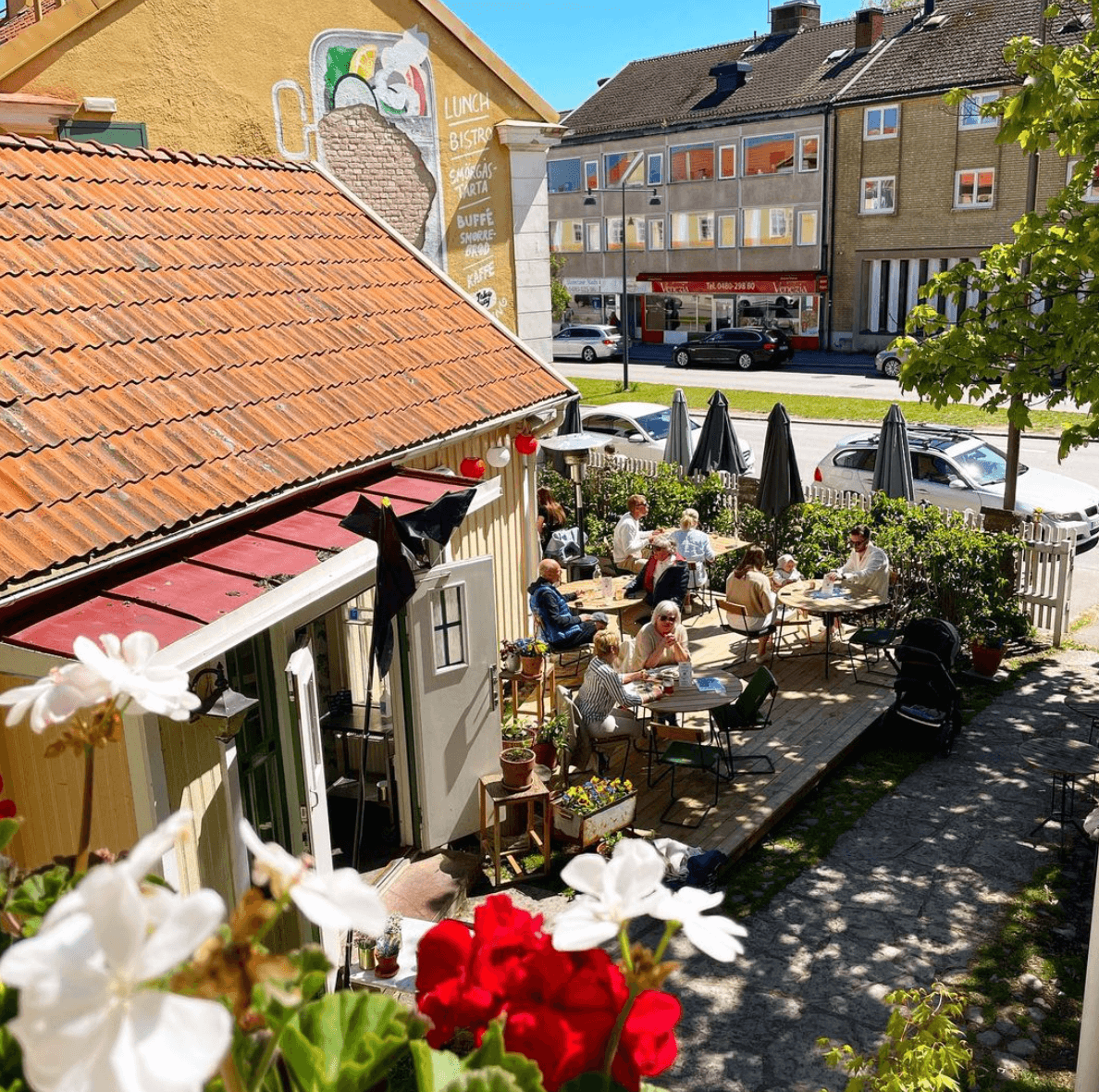
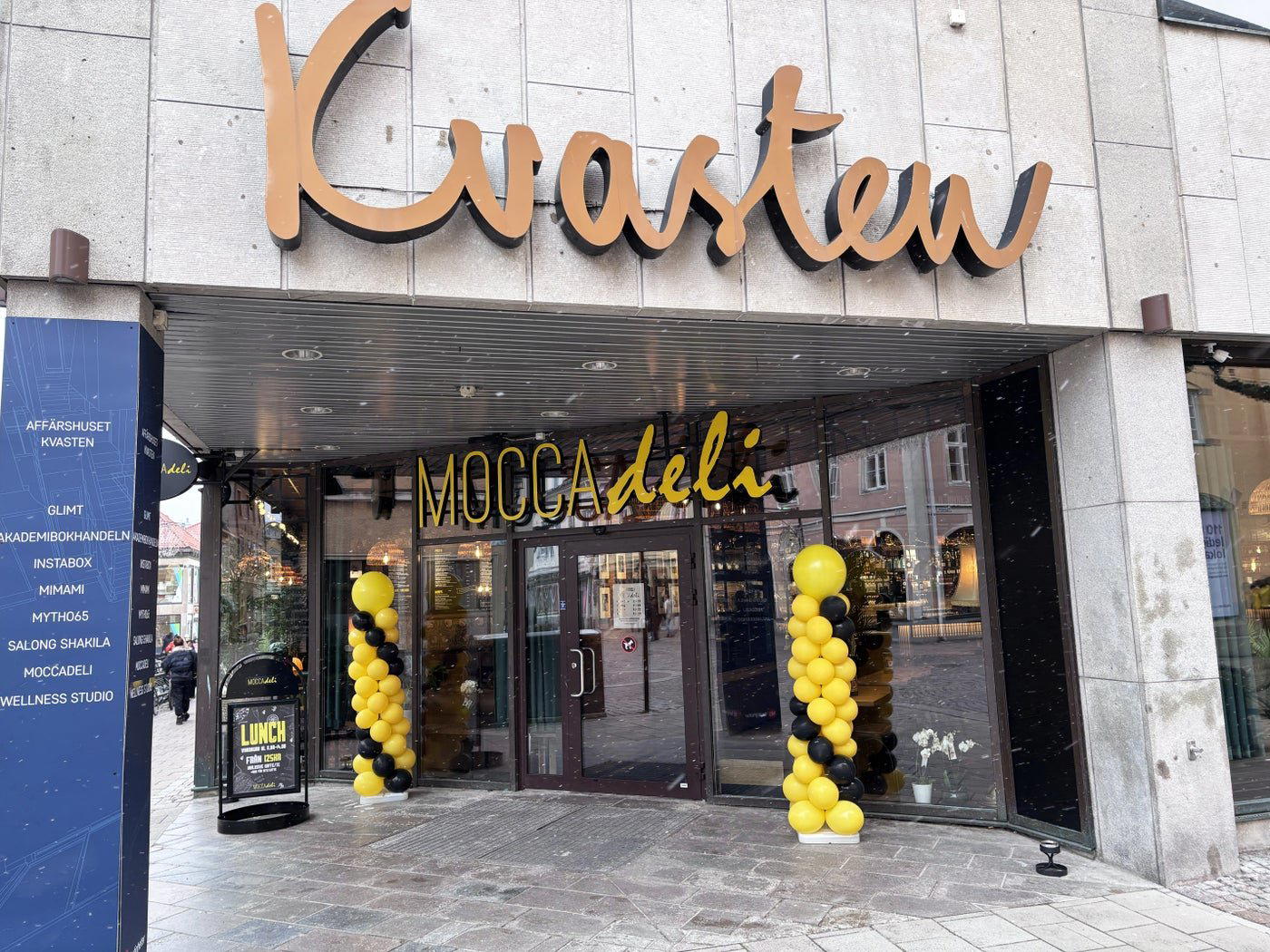
| Mocca Deli | Italian Pizza & Pasta Café | $$ | Kalmar |
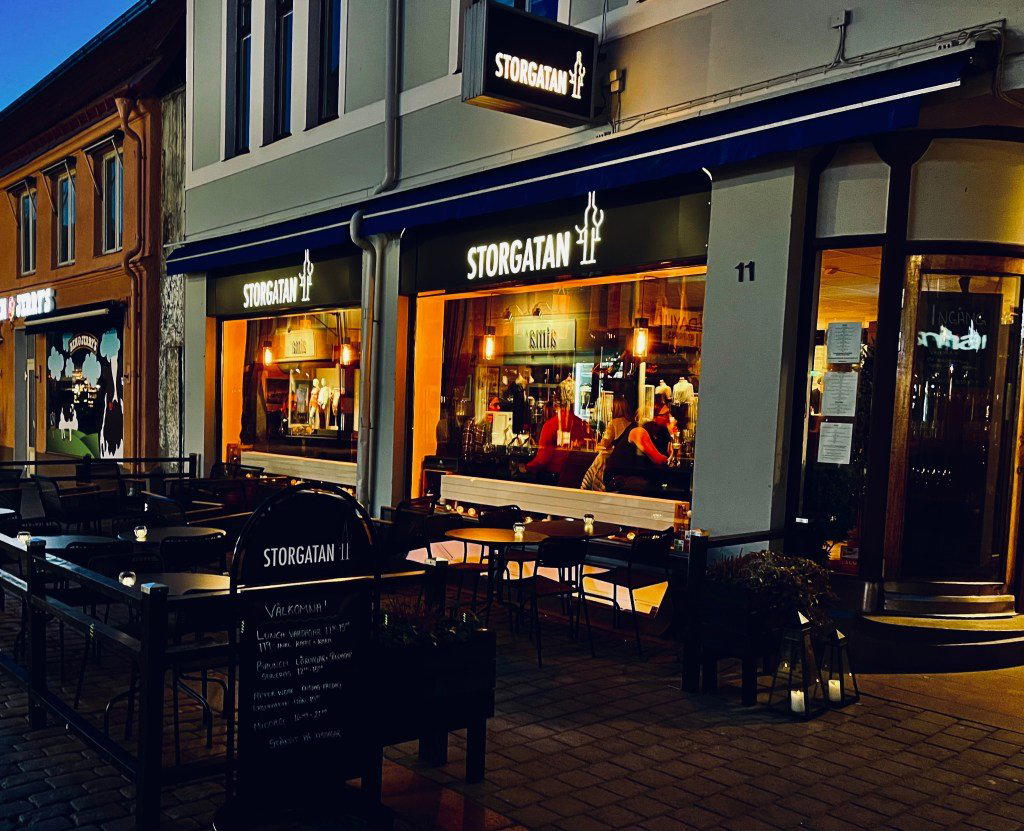
| Storgatan 11 | Fusion Wine Bar | $$ | Kvarnholmen |
| Söderport | Pizza and International | $$ | Gamla Stan |
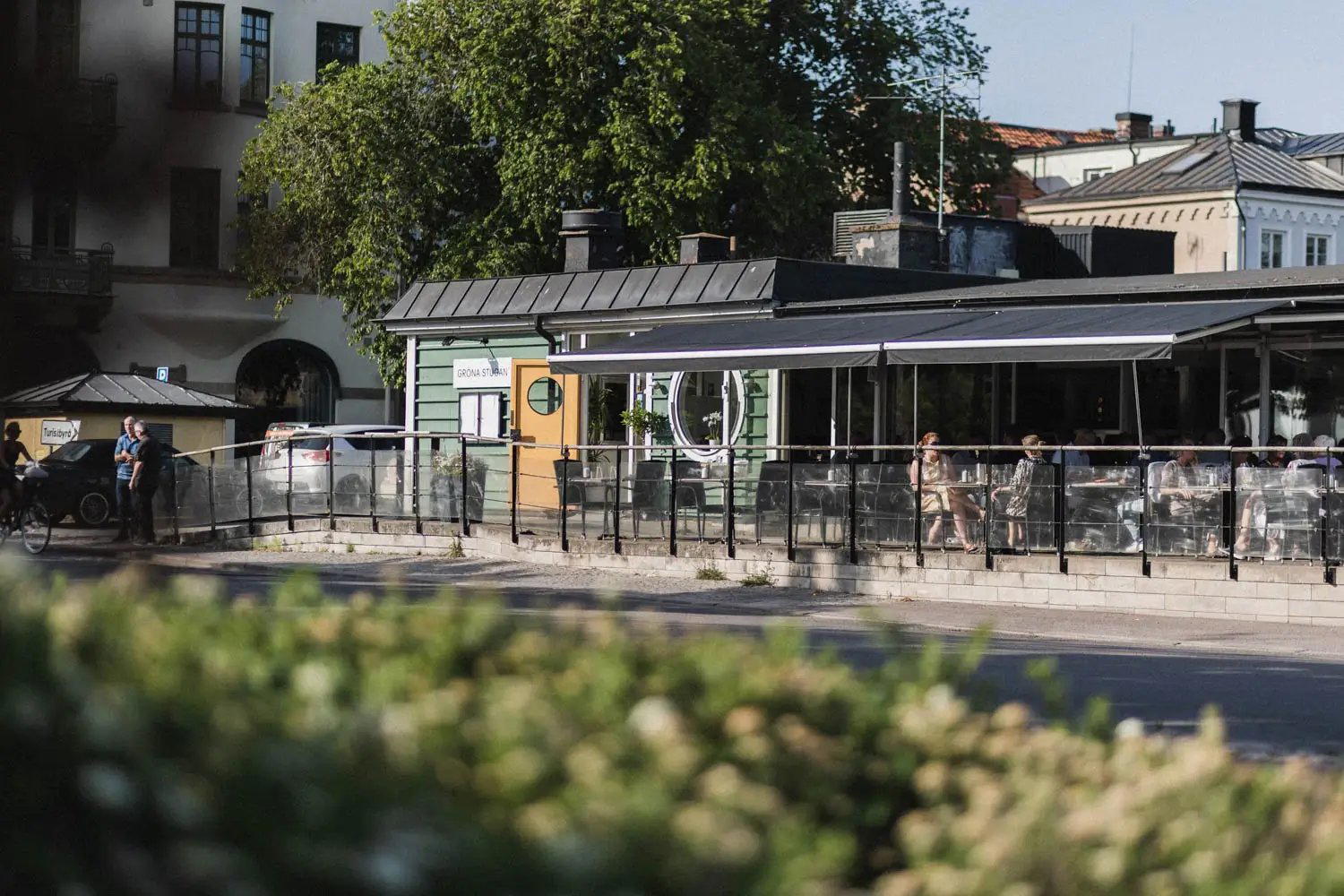
| Gröna Stugan | Modern Swedish | $$ | Kalmar center |
| Storgatan 11 | wine_bar | $$ | Kvarnholmen |
Recognition history
Dated appearances from independent guides and award organizations, with the underlying list record or original source where available.
Star Wine List
Star Wine List
White Guide Nordic Restaurants - Very Fine Level
White Guide
White Guide Sweden Restaurants - Very Fine Level
White Guide
At a Glance
- Cozy
- Elegant
- Sophisticated
- Date Night
- Special Occasion
- Open Kitchen
- Extensive Wine List
- Craft Cocktails
- Local Sourcing
Current opening hours
- Monday
- Closed
- Tuesday
- 5–11 PM
- Wednesday
- 5–11 PM
- Thursday
- 5–11 PM
- Friday
- 5–11 PM
- Saturday
- 5–11 PM
- Sunday
- Closed
Hours can change for holidays and private events. Last verified .
Cozy and elegant with simple, spartan decor that enhances the dining experience.