Our verdict
Esperanto sits within Stockholm's upper tier of tasting-menu restaurants, where the city's appetite for Nordic produce and international technique converge. For travellers already weighing options across that bracket, it represents a considered alternative to the more publicised names on the same circuit.
- Address
- Stockholm, Sweden
- Directions
- Get directions
The menu
What to order
- Boeuf grille
- Veal tartar
- Smoked cured Hamachi
Östermalm and the Weight of Address
In Stockholm, neighbourhood matters in ways that go beyond real estate. Östermalm, the city's most composed residential district, carries a particular set of expectations for any restaurant operating at the upper end of the market. The streets around Stureplan have long attracted a clientele that travels between Stockholm, Copenhagen, and London with regularity, and the dining rooms that survive here tend to do so because they hold their own against that wider frame of reference. Esperanto operates in this context, drawing from an area where the competition is not just local but implicitly international.
That competitive weight shapes what Stockholm's better restaurants are expected to deliver. Guests arriving in Östermalm from cities where tasting-menu culture is equally entrenched will arrive with calibrated expectations. The district has enough history with serious dining that a room here is not simply a neighbourhood restaurant in the conventional sense — it is a position statement about where a kitchen believes it sits within a broader European conversation.
Where Esperanto Sits in the Stockholm Bracket
Stockholm's fine dining tier has consolidated around a small cluster of addresses that operate in a similar price and ambition register. Frantzén defines the ceiling of that bracket, with three Michelin stars and a global profile that places it in a different competitive set entirely. Below that peak, a second tier of restaurants — including AIRA, Aloë, and Adam / Albin, operates with serious intent and Michelin attention, shaping what guests in Stockholm expect from a high-commitment dinner. Operakällaren brings a different weight to that tier, with an institutional history that anchors Swedish culinary identity in the capital.
Esperanto occupies a position within this bracket where creative ambition and neighbourhood prestige intersect. For visitors building a Stockholm itinerary around two or three meaningful meals, it belongs in the same planning conversation as those addresses. The question is not whether to consider it alongside them, but what angle it represents relative to the others.
The New Nordic Frame and How Stockholm Uses It
Across Scandinavia, the influence of New Nordic cooking has been processed differently from city to city. In Stockholm, that processing has produced a range of responses: some kitchens hold close to the original foraging-and-fermentation framework, as seen at Adam / Albin; others use Nordic produce as raw material for a more internationally inflected technique. The Swedish capital's dining rooms reflect that split clearly, and a visitor working through the city's options will encounter both approaches within a short radius.
This tension between rootedness and internationalism is not unique to Stockholm. The same negotiation plays out at Vollmers in Malmö and at more geographically remote addresses like VYN in Simrishamn and ÄNG in Tvååker, where Nordic identity is expressed through proximity to specific landscapes and supply chains. The difference in Stockholm is that these same questions are asked against a backdrop of European urban sophistication rather than rural isolation, which changes the context in which answers land.
Further afield, addresses like Knystaforsen in Rydöbruk and Signum in Mölnlycke show how Sweden's serious dining extends well beyond its largest cities, each working through the same Nordic-produce logic in smaller, more concentrated settings. That wider Swedish context matters for understanding what a Stockholm tasting-menu address is competing against in terms of identity, even if not directly in terms of clientele.
Planning a Meal Here
Restaurants in Esperanto's tier in Stockholm tend to operate on advance booking, with reservations opening several weeks ahead and filling quickly for weekend sittings. The Östermalm addresses in particular attract a mix of business dining and anniversary-level occasions, which means Thursday through Saturday evenings are the first to go. Visitors planning a trip around a specific dinner here should treat the booking as a first step, not an afterthought. For those building a broader Sweden itinerary, the gap between Stockholm's upper-tier restaurants and comparable addresses in Gothenburg, including 28+ in Gothenburg, is smaller than the geographic distance suggests, and a multi-city approach is feasible for anyone spending more than a few days in the country.
Within Stockholm itself, the concentration of tasting-menu options in Östermalm and the surrounding central districts means that proximity is rarely the issue. The more useful planning variable is format: whether a guest wants a kitchen that leads with Swedish produce treated through a local lens, or one that uses Scandinavian ingredients as a foundation for something more internationally constructed. For guests coming from cities with their own developed tasting-menu cultures, say, from Le Bernardin or Atomix in New York, the Swedish context will feel both familiar in format and distinct in ingredient logic.
Beyond the capital, travellers whose itinerary extends into smaller Swedish cities will find the country's dining ambition well-distributed. Enoteket in Norrköping, PM & Vänner in Växjö, Brasserie Park in Jonköping, and Adrian Restaurang in Borås each represent the seriousness that Swedish dining culture sustains outside of its two major cities. Esperanto's Stockholm address sits at the top of that national distribution, but the country's appetite for craft at the table runs deeper than the capital alone. For a structured overview of where to eat across the city, our full Stockholm restaurants guide maps the relevant options across price tiers and neighbourhoods.
Frequently asked questions
How does Esperanto compare to other fine dining restaurants in Stockholm's New Nordic scene?
Stockholm has processed New Nordic influence differently from Copenhagen, producing a tier of restaurants in Östermalm and nearby districts that apply Scandinavian sourcing principles within a more formally structured dining frame. Esperanto sits within that cluster, alongside addresses like Frantzén, where the cooking draws on regional produce but the service register is closer to classical European fine dining than the stripped-back aesthetic associated with early New Nordic. For diners choosing between Stockholm's upper bracket, the distinctions are mostly found in format and room character rather than a fundamental divergence in philosophy.
What's the best thing to order at Esperanto?
Esperanto operates within Stockholm's tasting menu format, where the kitchen sets the progression rather than the guest selecting à la carte. Restaurants at this level in Östermalm build menus around seasonal Scandinavian produce, so the strongest call is to commit to the full menu rather than abbreviate it. Specific dishes change with the season and are not listed publicly in advance.
How hard is it to get a table at Esperanto?
Restaurants in Esperanto's tier in Stockholm typically open reservations several weeks ahead, and prime Friday and Saturday slots fill within days of release. Midweek sittings offer a more accessible entry point. Booking as far in advance as possible is the practical approach for anyone planning around a specific date.
What's the standout thing about Esperanto?
Esperanto holds a position in the Östermalm district, Stockholm's most formally composed residential quarter, which shapes both its clientele and its register. It operates in the same fine dining bracket as Frantzén, meaning the kitchen is working at a level where technique and sourcing are the primary currency.
What if I have allergies at Esperanto?
Stockholm's fine dining tier, including restaurants at Esperanto's level, routinely accommodates dietary requirements when notified at the time of booking. check the venue's official channels when making your reservation and specify the allergy in full. Kitchens operating tasting menu formats in this bracket build substitutions into service rather than treating them as exceptions.
A Lean Comparison
A quick peer check to anchor this venue’s price and recognition.
| Venue | Cuisine | Price | Awards | Notes |
|---|---|---|---|---|
| EsperantoThis venue — the venue you are viewing | New Nordic with Japanese Fusion | Not listed | Not listed | Not listed |
| Operakällaren | Modern Scandinavian Fine Dining | $150–200 | 1 Michelin Star · World's 50 Best #27 | Swedish, Modern Cuisine |
| AIRA | Modern Nordic Seasonal Tasting Menu | $200–300 | 2 Michelin Stars · La Liste Top Restaurants | Modern European, Modern Cuisine |
| Adam / Albin | Modern Scandinavian Fine Dining | $100–150 | 1 Michelin Star · La Liste Top Restaurants | New Nordic |
| Ekstedt | Wood-Fire Nordic Fine Dining | $200–300 | 1 Michelin Star · La Liste Top Restaurants | Progressive Asador, Grills |
| Etoile | Creative International Fine Dining | $300–500 | 1 Michelin Star · Star Wine List | Contemporary French, Creative |
Continue exploring
More in Stockholm
Restaurants in Stockholm
Browse all →
Bars in Stockholm
Browse all →



Details
- Elegant
- Sophisticated
- Romantic
- Intimate
- Date Night
- Special Occasion
- Celebration
- Historic Building
- Open Kitchen
- Private Dining
- Extensive Wine List
- Sommelier Led
- Local Sourcing
- Tasting Menu
- A La Carte
- Wine
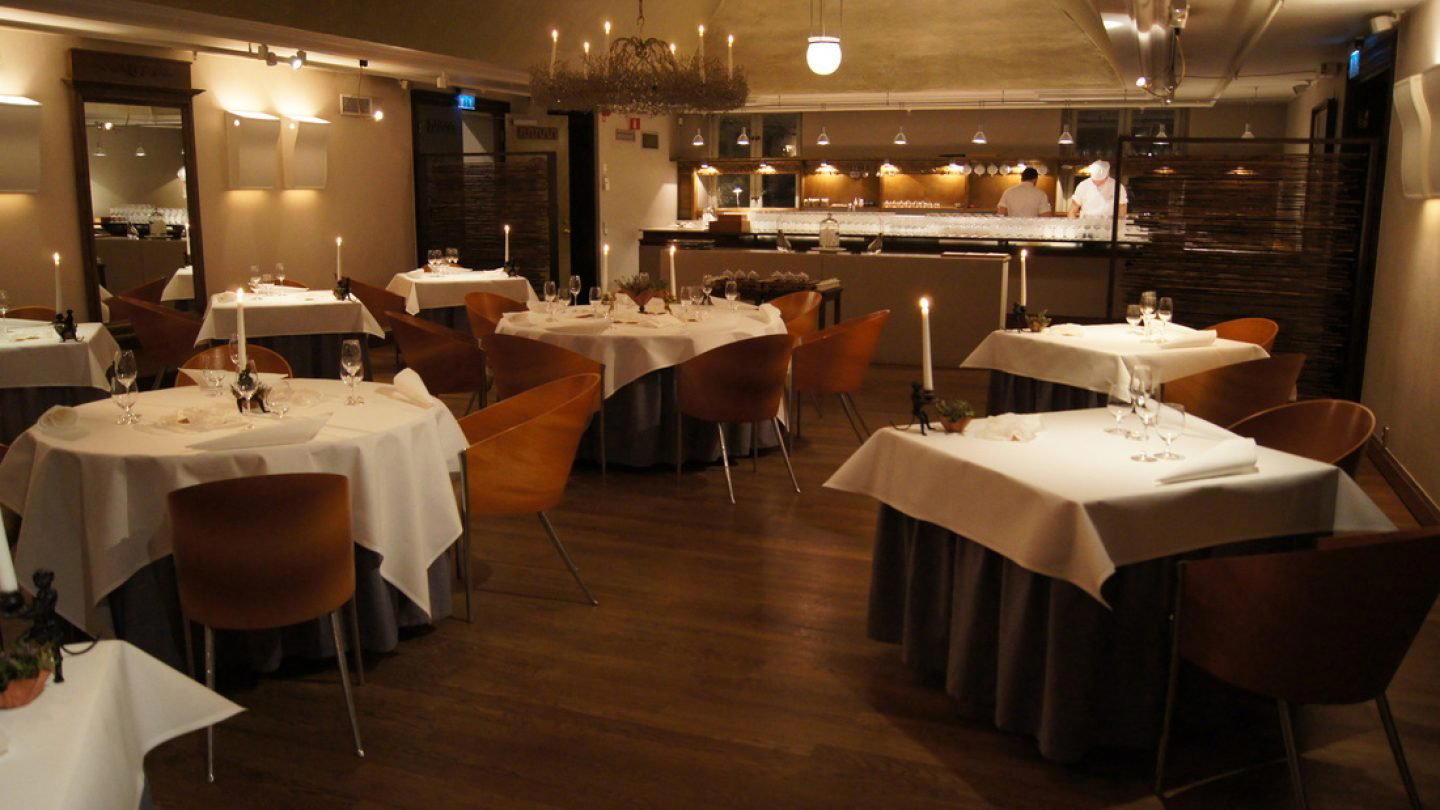
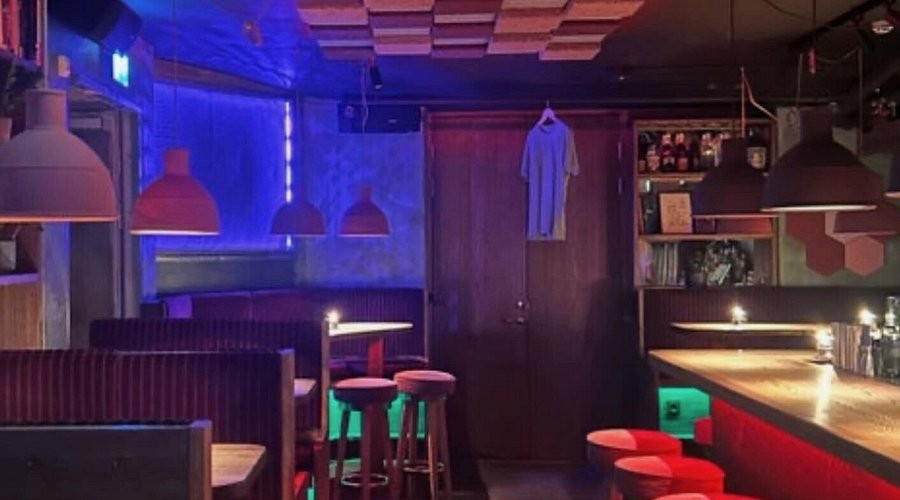
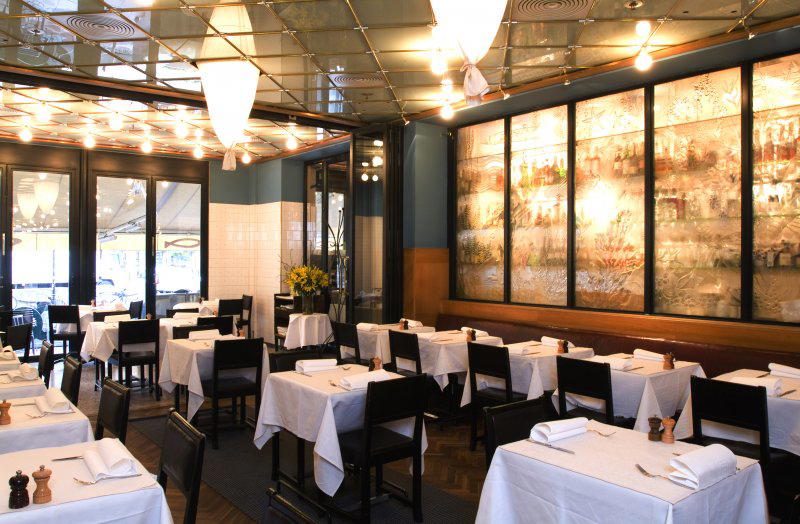
Elegant and refined with theatrical heritage; the dining room retains original theatre interior details, creating a romantic and sophisticated atmosphere.