

Stufvenäs Gästgifveri sits in the lake-and-forest country of Småland, operating as a traditional Swedish gästgifveri where the surrounding landscape informs the plate. The atmosphere runs deliberately quiet — this is a place people choose for contemplation rather than spectacle. For travellers moving through southern Sweden's interior, it occupies a category of its own among rural hospitality stops.
Pearl is the En Primeur Club membership app — saves, bookings, and concierge access live there. Same editors, same standards.
- Address
- Stuvenäsvägen 1, 385 97 Söderåkra, Sweden
- Phone
- +46 486 219 00
- Website
- stufvenas.se
- Directions
- Get directions
 Saves & bookings on Pearl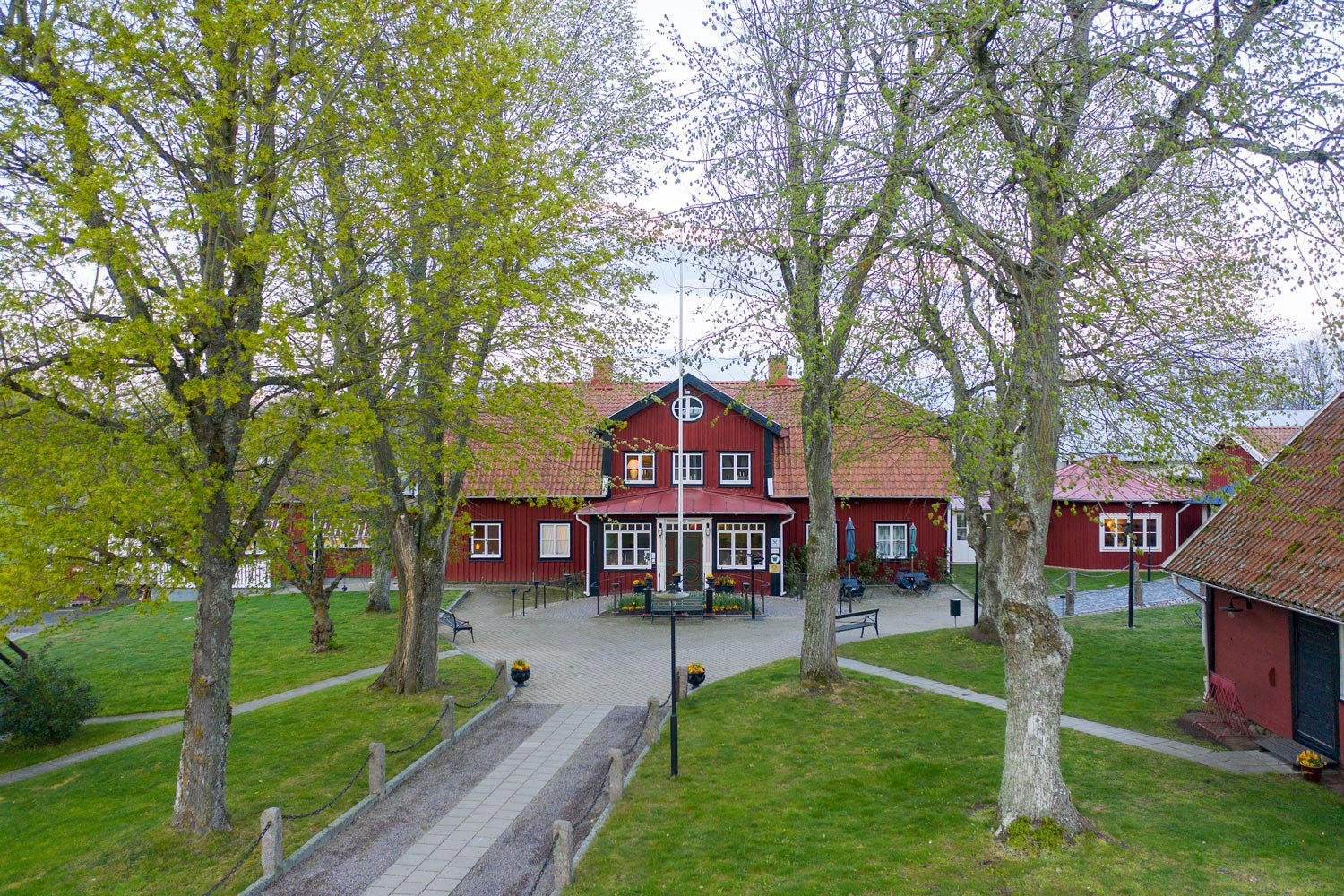
Where Småland's Forests Set the Terms
Sweden's interior has a way of clarifying your priorities. The forests around Söderåkra are the kind that absorb sound, where lakes sit still enough to double the sky, and where the road into Stufvenäs Gästgifveri arrives at something that feels less like a destination found and more like one that has always been there. This is Småland at its most characteristic: unhurried, forested, and indifferent to trends from Stockholm or Malmö. The gästgifveri tradition itself — Sweden's version of the historic coaching inn, mandated by the crown from the seventeenth century onward to provide food and lodging to travellers — shapes what visitors should expect here. These were never restaurants in the modern sense. They were obligations of hospitality, rooted in place and season by necessity rather than design philosophy.
That tradition is worth holding in mind as a frame, because it explains something about why properties like Stufvenäs operate the way they do. The sourcing logic for a historic Swedish inn was always hyper-local, not because of any contemporary agenda, but because geography demanded it. Forests provided game. Lakes provided fish. The surrounding smallholdings provided dairy, grain, and root vegetables. Modern kitchens working inside this tradition are inheriting a procurement model that the New Nordic movement spent decades trying to articulate as something new.
The Ingredient Logic of the Småland Interior
Sourcing in this part of Sweden carries a different weight than in coastal regions or urban centres. The Småland plateau and its lake systems produce pike, perch, and eel from waters that are genuinely close. Game from the surrounding forests, predominantly deer and wild boar, with seasonal bird, moves through rural supply chains that city restaurants work hard to access and pay premium logistics costs to secure. A gästgifveri positioned inside that geography is not sourcing local food as a branding decision; it is sourcing local food because it is the food that exists here.
This matters when placing Stufvenäs in context against the broader Swedish fine-dining tier. Properties like Frantzén in Stockholm or Vollmers in Malmö operate with elaborate sourcing networks, their local credentials are constructed through supply chain discipline and chef relationships built over years. Stufvenäs occupies a different position: the locality is structural, not curated. Whether that translates to a kitchen that exploits the geography with comparable technical ambition is a separate question, but the ingredient access is real and the distance from source to plate is short in ways that urban peers cannot replicate regardless of budget.
For travellers who have also visited VYN in Simrishamn or ÄNG in Tvååker, both New Nordic-aligned properties operating in rural southern Sweden, Stufvenäs sits in a related but distinct category. Those addresses foreground technical precision as part of their identity. The gästgifveri format leans toward comfort and continuity rather than evolution. That is not a limitation; it is a different offer entirely.
Atmosphere and What It Signals
The approach to the property through Söderåkra sets the tone before anything is eaten or poured. The scenery, forest interrupted by lakes, the low architecture of a traditional Swedish inn, functions as an editorial statement about what kind of experience is being offered. Guests who arrive looking for the controlled intensity of a tasting-menu counter will be in the wrong place. Guests who arrive looking for the particular relief of a well-run rural inn, where the kitchen reflects the season and the surrounding land, will find what they came for.
The atmosphere is described as relaxed, and in this context that word carries specific meaning. It is not the performed casualness of an urban restaurant positioning itself against fine-dining formality. It is the structural calm of a place that has been receiving travellers for a very long time and has no need to perform anything. That kind of quiet is rarer in Swedish hospitality than the country's reputation for restraint might suggest, most urban operators, including some in the PM & Vänner in Växjö tier, carry a degree of self-consciousness about their positioning that a historic gästgifveri simply does not.
This also positions Stufvenäs as a genuine counterpoint to properties like Knystaforsen in Rydöbruk, another forest-adjacent address in southern Sweden that has cultivated a distinct culinary identity. The comparison is useful precisely because it clarifies the difference between a property that has built its identity around a kitchen program and one whose identity is rooted in place and tradition. Both serve the interior landscape. They serve it differently.
Planning Your Visit
Söderåkra sits in Kalmar County on Sweden's southeast coast, roughly midway between Kalmar and Karlskrona, a position that makes it a natural stop on the coastal route south, or a deliberate detour inland from the Öland bridge traffic. The address is rural enough that driving is the practical approach; the inn format suggests that overnight stays are the intended mode of visit rather than a standalone meal. Travellers combining a visit here with broader exploration of the region will find context in our full Söderåkra restaurants guide, alongside our Söderåkra hotels guide and experiences guide for the surrounding area. Given the rural location, advance contact is advisable before arriving with specific dining expectations; gästgifveri kitchens in this tier often operate with seasonal hours or limited evening sittings depending on occupancy.
For travellers building a broader itinerary through southern Sweden's culinary addresses, relevant comparisons in the wider region include Hotell Borgholm in Borgholm on Öland, a property with strong seasonal kitchen credentials, and JH Matbar in Ystad at the opposite end of the regional spectrum. Further afield in the south, Signum in Mölnlycke, 28+ in Gothenburg, and Fyr in Halmstad represent the urban fine-dining tier against which rural addresses like Stufvenäs define their difference. For those coming from further afield with international reference points, the contrast between this format and something like Le Bernardin in New York City or Emeril's in New Orleans illustrates how differently the hospitality tradition operates when rooted in a specific geographic and historical obligation rather than a contemporary restaurant concept. Nearby resources for planning the full stay are covered in our Söderåkra bars guide and wineries guide.
Recognition history
Dated appearances from independent guides and award organizations, with the underlying list record or original source where available.
Star Wine List
Star Wine List
Wine Spectator Best of Award of Excellence
Wine Spectator
Continue exploring
More in Söderåkra
Restaurants in Söderåkra
Browse all →
Bars in Söderåkra
Browse all →
Hotels in Söderåkra
Browse all →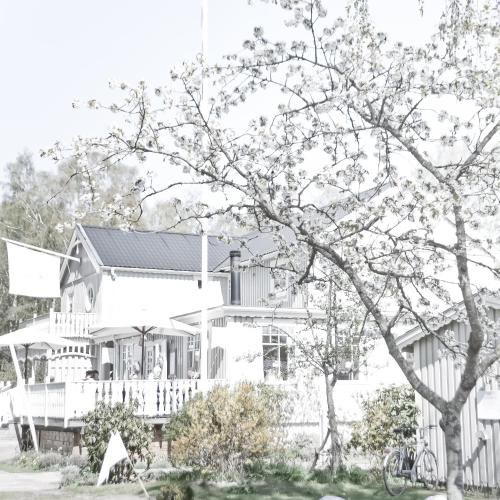
At a Glance
- Romantic
- Cozy
- Rustic
- Scenic
- Elegant
- Date Night
- Special Occasion
- Waterfront
- Historic Building
- Terrace
- Extensive Wine List
- Local Sourcing
- Waterfront
Cozy and romantic atmosphere with warm lighting, enhanced by beautiful natural surroundings and sea views from the terrace and pool.
Know Before You Go
- Getting there
- Stuvenäsvägen 1, 385 97 Söderåkra, Sweden