Trattoria Sempre
On Niederdorfstrasse, the artery that threads through Zurich's old town, Trattoria Sempre occupies a position that places it squarely in the city's Italian dining conversation. The address alone signals accessibility over exclusivity, and the trattoria format points toward a more grounded, neighbourhood-rooted style of Italian cooking than the formal Italian rooms found elsewhere in the city.
Pearl is the En Primeur Club membership app — saves, bookings, and concierge access live there. Same editors, same standards.
- Address
- Niederdorfstrasse 7, 8001 Zürich, Switzerland
- Phone
- +41442625462
- Website
- trattoria-sempre.ch
- Directions
- Get directions
 Saves & bookings on Pearl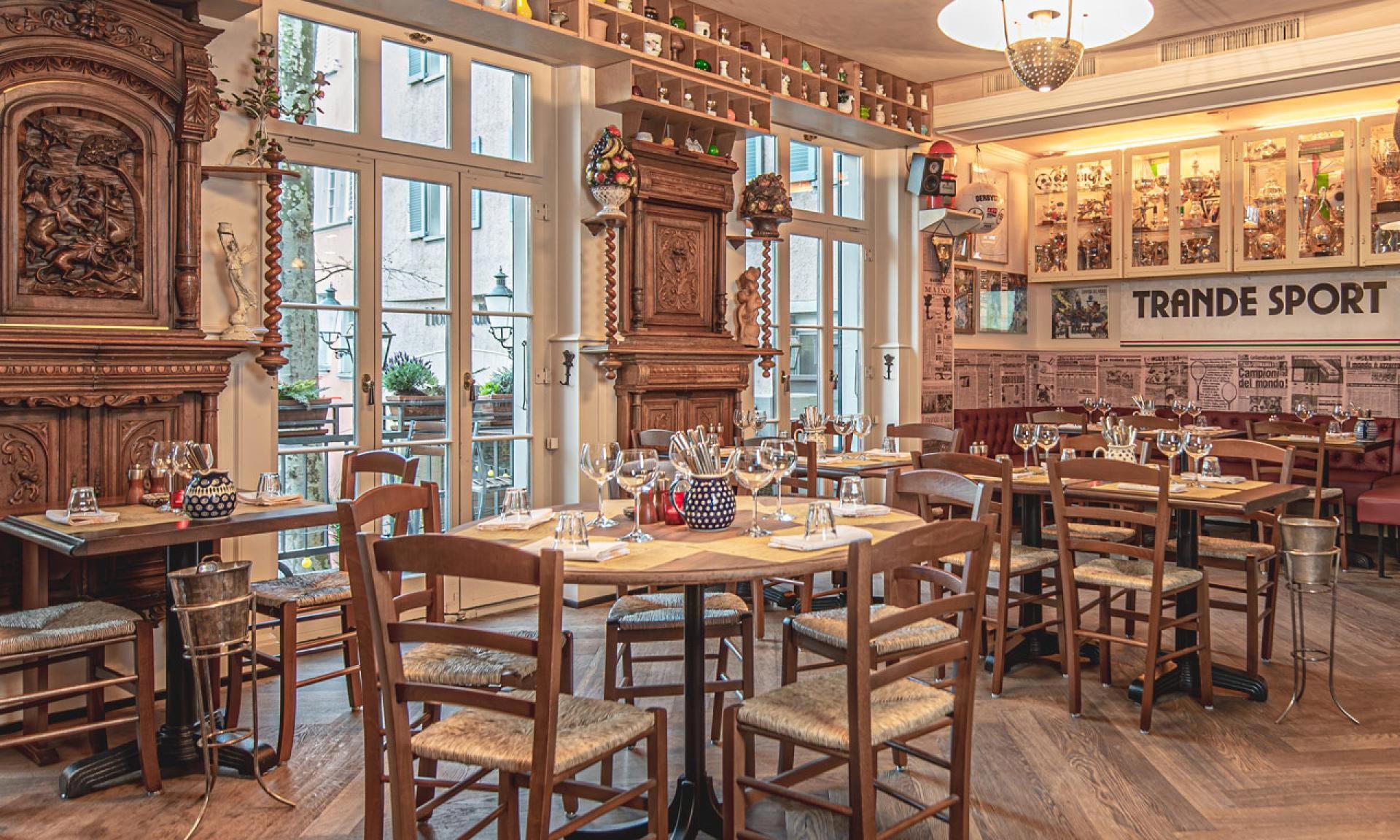
Where Niederdorfstrasse Meets the Italian Table
Niederdorfstrasse is the kind of street that resists polish. It runs through the Niederdorf quarter of Zurich's old town — the left bank of the Limmat, the side historically given over to taverns, artisan workshops, and the sort of establishments that serve residents as much as visitors. The address at number seven places Trattoria Sempre in a neighbourhood that has absorbed centuries of foot traffic without becoming a theme park version of itself. That context matters when reading a restaurant name that translates, simply and deliberately, as "always."
Italian restaurants in Zurich sit at an interesting intersection. The city's proximity to the Italian-speaking canton of Ticino, and Switzerland's broader structural relationship with Italian culinary culture, means the local diner has a reasonably calibrated palate for what Italian cooking should taste like. That raises the bar for any Italian-facing room on this side of the Alps. The trattoria format — as opposed to the more formal ristorante, carries specific expectations: a closer relationship between kitchen and season, less ceremony in the service, and a menu architecture that prioritises repetition and refinement over novelty.
The Sustainability Argument for Trattoria Cooking
The trattoria tradition, at its most coherent, was always implicitly sustainable before that word acquired its current commercial weight. It operated on a logic of proximity: cook what the market brought in, use the whole animal, build the menu around what could be sourced within a reasonable radius. That discipline is not sentiment, it is economic and practical necessity translated, over generations, into a culinary vernacular. When modern restaurants position sustainability as a differentiator, the trattoria model offers a useful counterpoint. The format itself already encodes those values.
Zurich's position within the Swiss agricultural system gives any restaurant committed to ethical sourcing a reasonable infrastructure to work with. Swiss agriculture operates under some of Europe's more stringent animal welfare standards, and the supply chain between farm and city table is, by geography, shorter than in many comparable European capitals. A trattoria in this city that sources from within that system is not making a radical gesture, it is simply following the logic of the format in a location that makes it easier than most.
The broader Swiss dining scene has moved steadily in the direction of articulating provenance. Restaurants such as Schloss Schauenstein in Fürstenau built a Michelin-starred identity around sourcing from its own estate. Memories in Bad Ragaz and focus ATELIER in Vitznau each operate within a regional ingredient framework that treats sourcing as editorial rather than incidental. Trattoria Sempre's address in the old town places it in a different register, more daily dining than destination, but the underlying expectation of integrity in sourcing runs across price points in the Swiss context.
Italian Dining in a Swiss Frame
Zurich's Italian dining field covers a wide range of ambition and price. At the formal end, Eden Kitchen & Bar operates at the €€€€ tier, where Italian-inflected cooking sits inside a more polished, contemporary room. Trattoria formats, by contrast, trade on familiarity and frequency, they are built to be returned to, which is where the name "Sempre" becomes a positioning statement as much as a name. A restaurant that calls itself "always" is signalling something about the rhythm of visits it expects.
That distinction between destination dining and neighbourhood dining is not a hierarchy, it is a description of different relationships with the guest. The shared-plate format at IGNIV Zürich by Andreas Caminada and the creative programmes at The Counter and The Restaurant each ask the diner to arrive for an event. Trattoria Sempre's model, if consistent with the format it implies, asks the diner to arrive for dinner. The distinction sounds small; operationally, it shapes everything from menu length to reservation availability to the pace of the room.
Italian cooking has deep roots in Swiss civic life, and Zurich's relationship with it is longstanding. The Kronenhalle, one of the city's most historically significant dining rooms, built its reputation on Swiss tradition; Widder occupies the Swiss fine dining tier. The Italian room in Zurich tends to operate in contrast to that local formality, warmer, less structured, more given to the table's natural momentum. Trattoria Sempre's location on Niederdorfstrasse reinforces that character: this is not the Bahnhofstrasse side of the city.
What the Swiss Context Demands
Switzerland's dining culture at every tier expects precision and consistency. The same quality standards that produce three-Michelin-starred results at Hotel de Ville Crissier and Cheval Blanc by Peter Knogl in Basel filter down into the expectation that even a neighbourhood trattoria will execute cleanly, source honestly, and treat the room seriously. Swiss diners are not forgiving of slippage disguised as informality. The trattoria format earns its licence to be casual only if the underlying product is sound.
For comparison across Switzerland's broader Italian dining conversation, Da Vittorio in St. Moritz represents Italian cooking at its most formally appointed, while Einstein Gourmet in Sankt Gallen, Colonnade in Lucerne, and 7132 Silver in Vals each demonstrate how Swiss dining culture adapts international formats to local expectations. The trattoria sits below that tier in price and ceremony but not necessarily in the seriousness with which ingredients are treated.
Planning Your Visit
| Venue | Format | Price Tier | Style |
|---|---|---|---|
| The restaurant | Trattoria | TBC | Italian, neighbourhood |
| Eden Kitchen & Bar | Restaurant | €€€€ | Italian, formal |
| IGNIV Zürich by Andreas Caminada | Sharing | €€€€ | Sharing format, destination |
| The Counter | Counter | €€€€ | Creative, event dining |
The restaurant is located at Niederdorfstrasse 7, 8001 Zürich, in the Niederdorf quarter of the old town. Booking details, hours, and price confirmation should be verified directly with the venue before visiting. For a broader view of where this sits within Zurich's dining field, see our full Zurich restaurants guide. For reference points further afield, the programmes at L'Atelier Robuchon in Geneva, Le Bernardin in New York City, and Atomix in New York City illustrate the broader spectrum of what serious dining looks like across formats and geographies.
How Trattoria Sempre Zürich compares with similar nearby venues.
| Venue | Cuisine | Price |
|---|---|---|
| Bianchi | Seafood | €€€ |
Continue exploring
More in Zürich
Restaurants in Zürich
Browse all →
Bars in Zürich
Browse all →
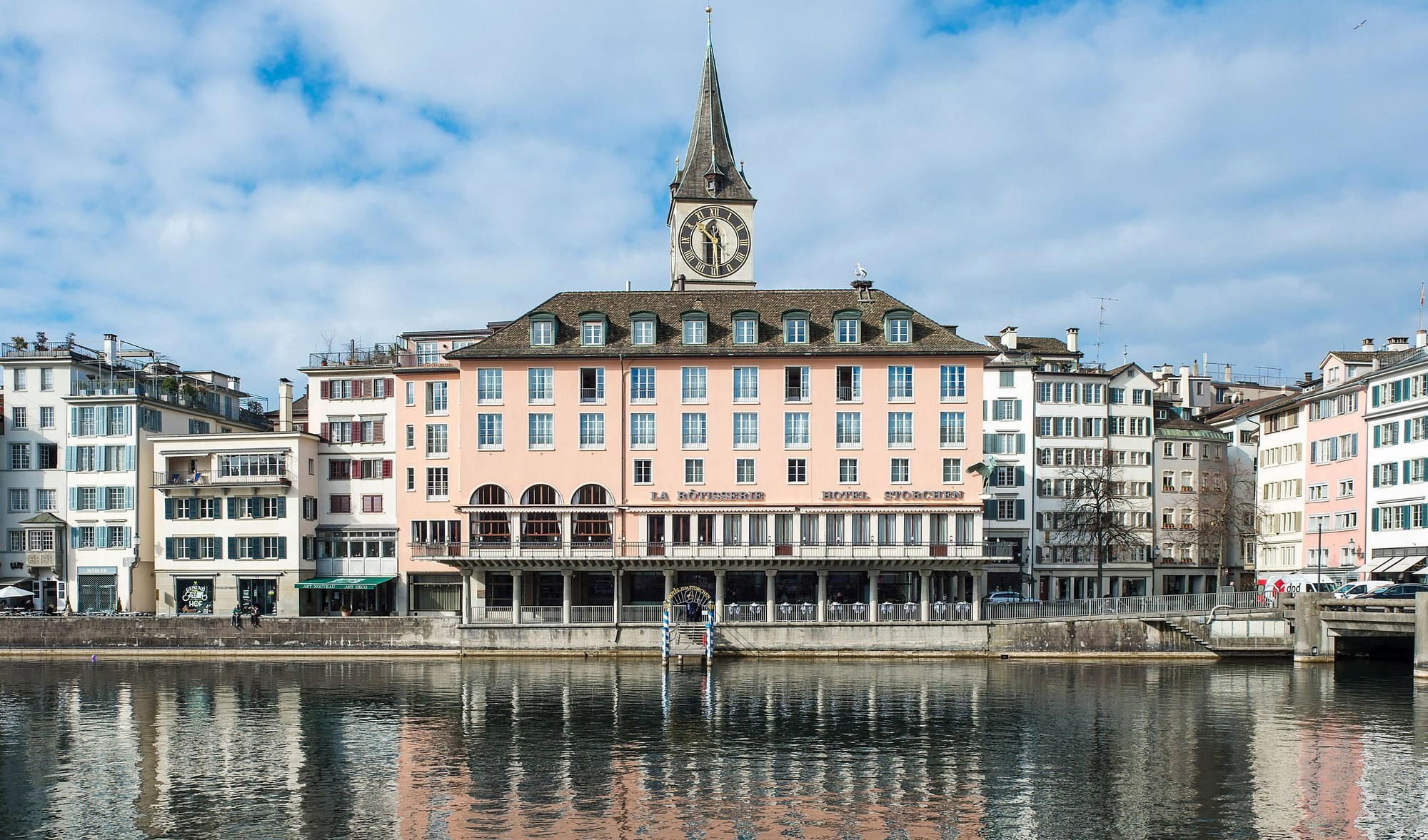
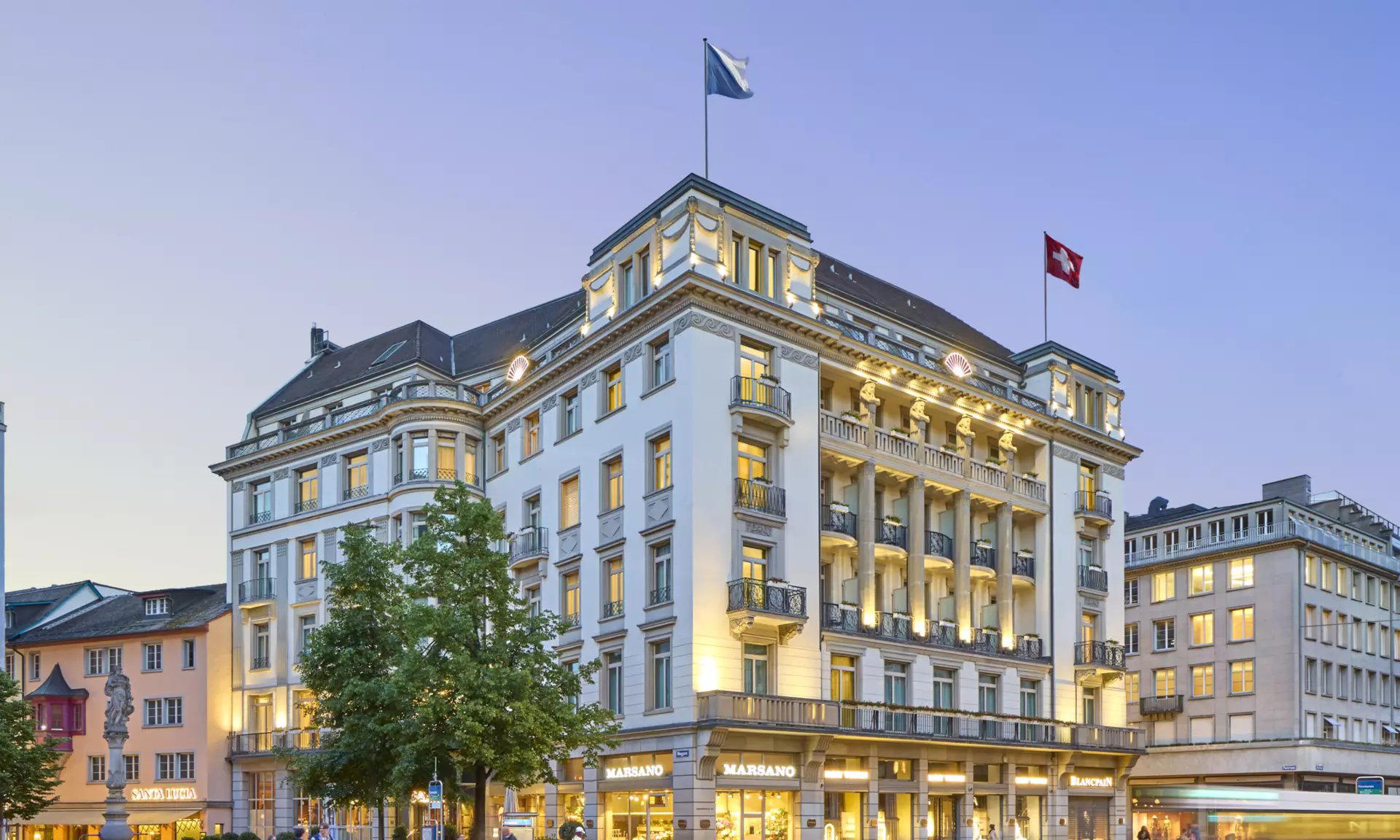
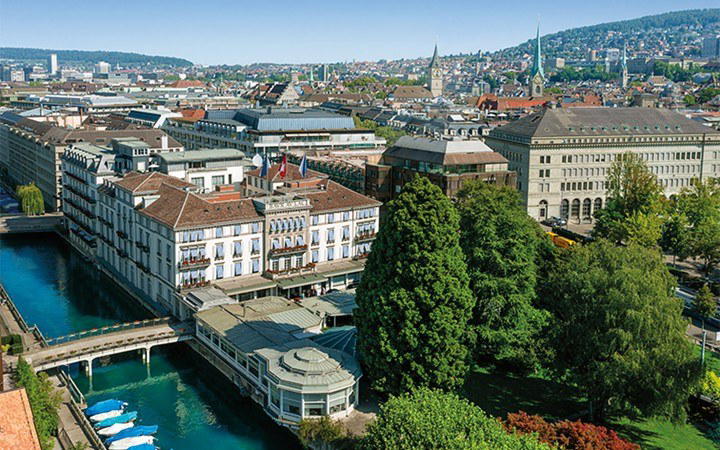
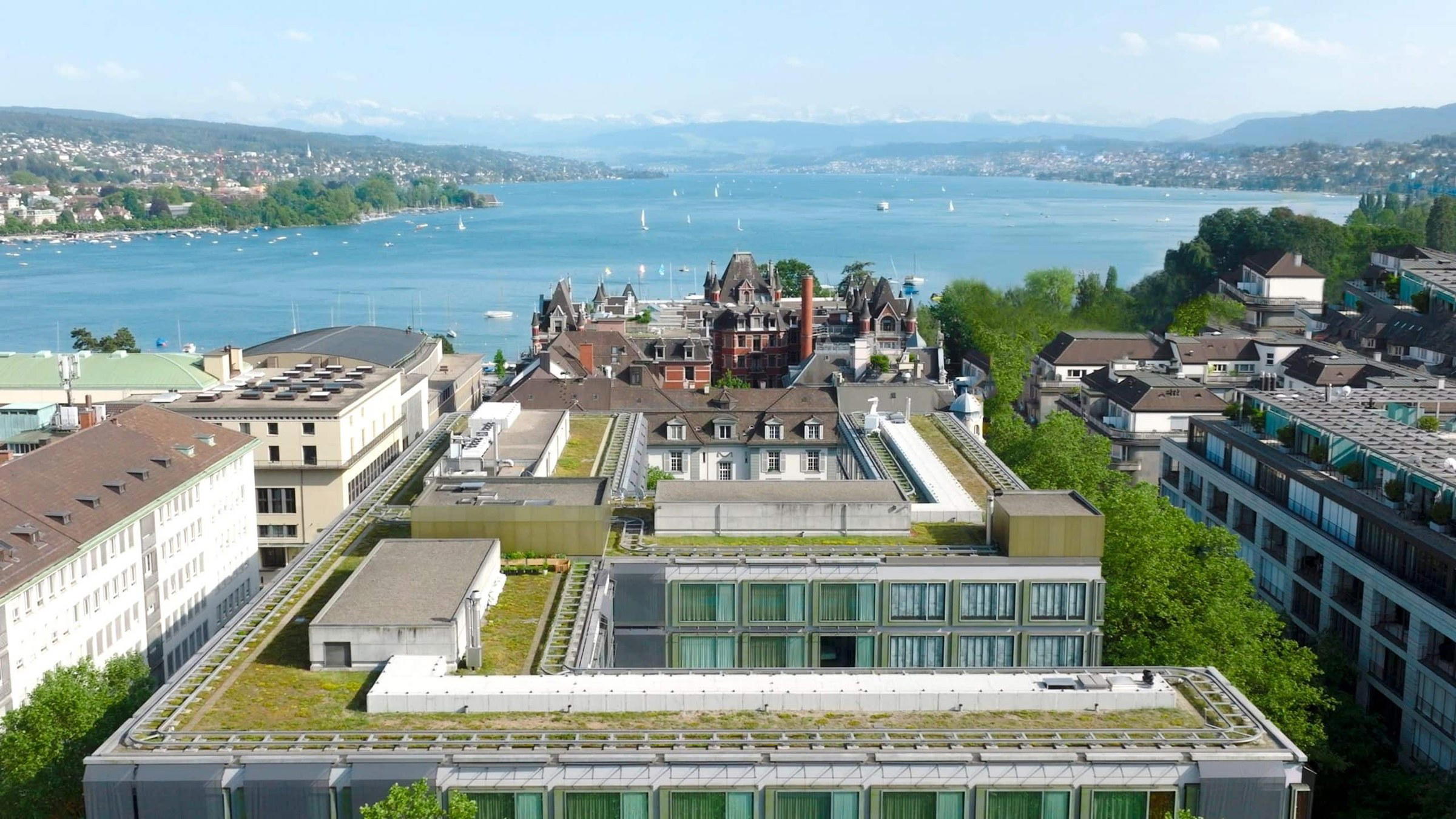
Hotels in Zürich
Browse all →

At a Glance
- Cozy
- Rustic
- Lively
- Group Dining
- Casual Hangout
- Open Kitchen
Current opening hours
- Monday
- 11:30 AM–2:30 PM, 6–10:30 PM
- Tuesday
- 11:30 AM–2:30 PM, 6–10:30 PM
- Wednesday
- 11:30 AM–2:30 PM, 6–10:30 PM
- Thursday
- 11:30 AM–2:30 PM, 6–10:30 PM
- Friday
- 11:30 AM–11:30 PM
- Saturday
- 11:30 AM–11:30 PM
- Sunday
- 11:30 AM–10 PM
Hours can change for holidays and private events. Last verified .
Ornate, crammed with Italian curiosities like hanging hams and saint images, lively, energetic, inviting, cozy, and charmingly chaotic.