Azzurro
Azzurro occupies a corner of Zurich's District 9, a neighbourhood more accustomed to industrial heritage than fine dining. The address on Hohlstrasse places it firmly outside the Bahnhofstrasse circuit, which is part of its draw for Zurich diners who treat proximity to the centre as a liability rather than a credential. Visit in the cooler months when the city's dining scene consolidates around serious indoor rooms.
Pearl is the En Primeur Club membership app — saves, bookings, and concierge access live there. Same editors, same standards.
- Address
- Hohlstrasse 451, 8048 Zürich, Switzerland
- Phone
- +41444924808
- Website
- ristoranteazzurro.ch
- Directions
- Get directions
 Saves & bookings on Pearl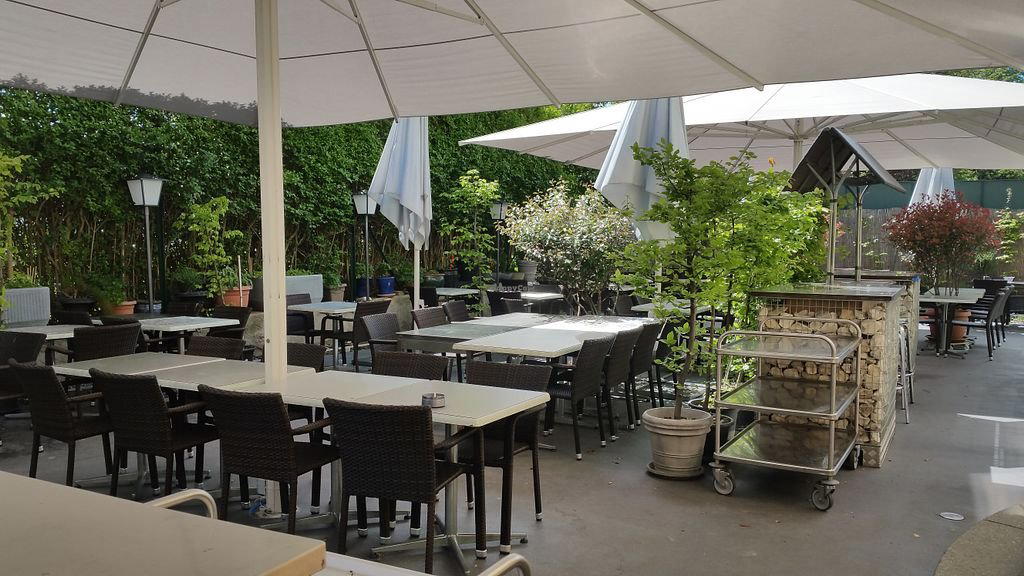
Outside the Centre, Inside the Conversation
Zurich's most interesting dining has been drifting westward for years. The districts beyond the old city core — Kreis 4, Kreis 5, and now deeper into Kreis 9 — have absorbed a generation of restaurants that trade the premium rents and tourist foot traffic of central Zurich for something harder to manufacture: a sense of place. Azzurro, at Hohlstrasse 451 in the 8048 postcode, sits in that western arc. Approaching the address, the neighbourhood reads as a working district in transition rather than an established dining destination, which makes the act of arriving here a deliberate one. Guests come because they mean to.
That deliberateness matters to understanding what Azzurro is and how it functions within Zurich's broader dining picture. The city already has a well-mapped upper tier: IGNIV Zürich by Andreas Caminada operates a refined sharing format at the top of the price bracket; The Counter and The Restaurant anchor creative tasting menus in the city's premium hotel circuit; Widder carries Swiss tradition with institutional weight. Where Azzurro fits within that hierarchy is a question the restaurant's address and positioning begin to answer before you open the door.
The Room and What It Signals
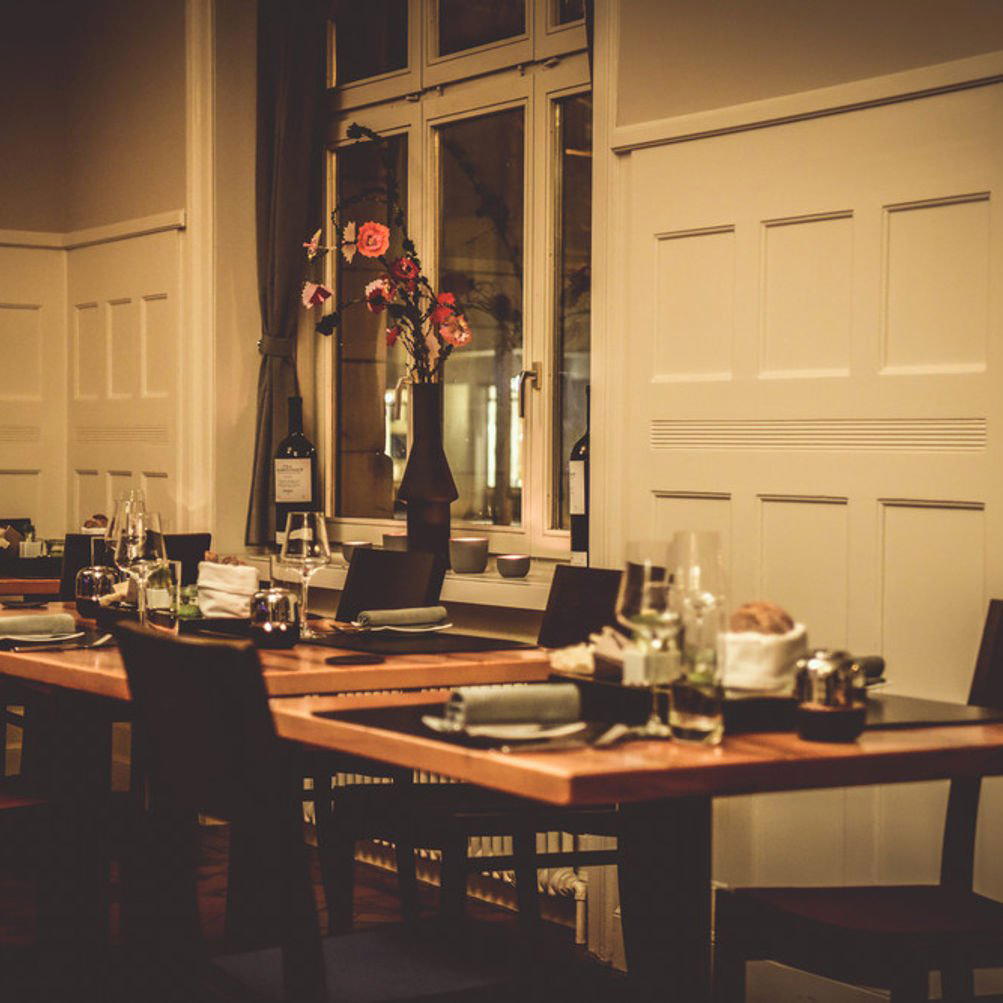
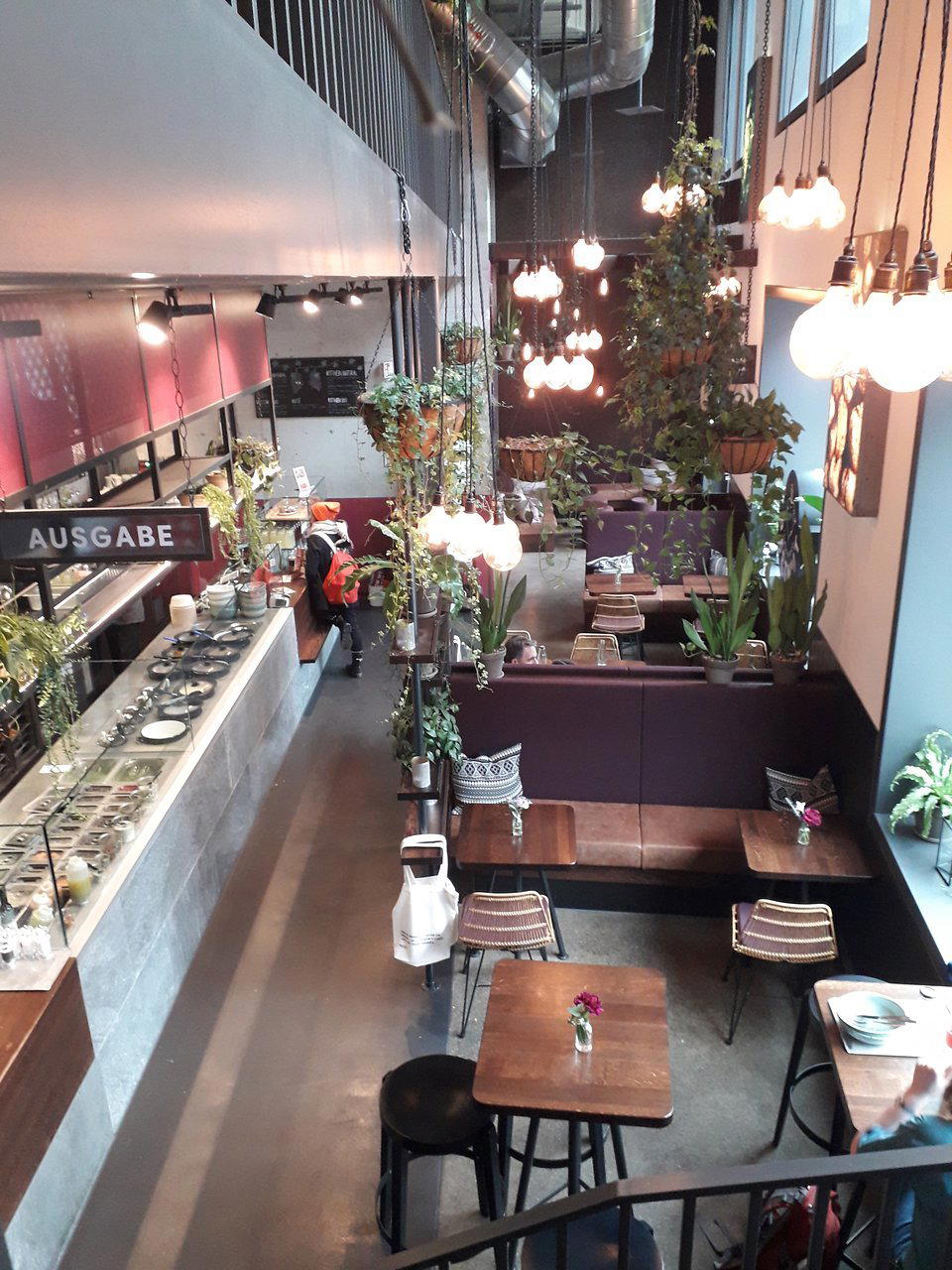
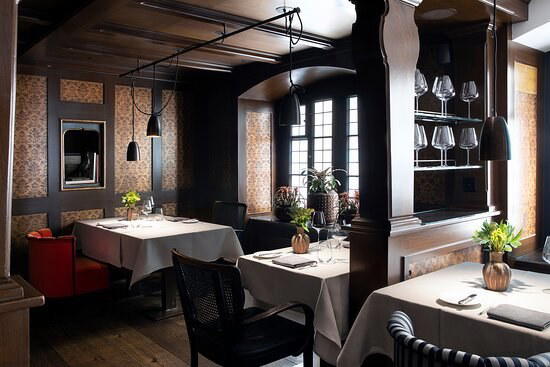
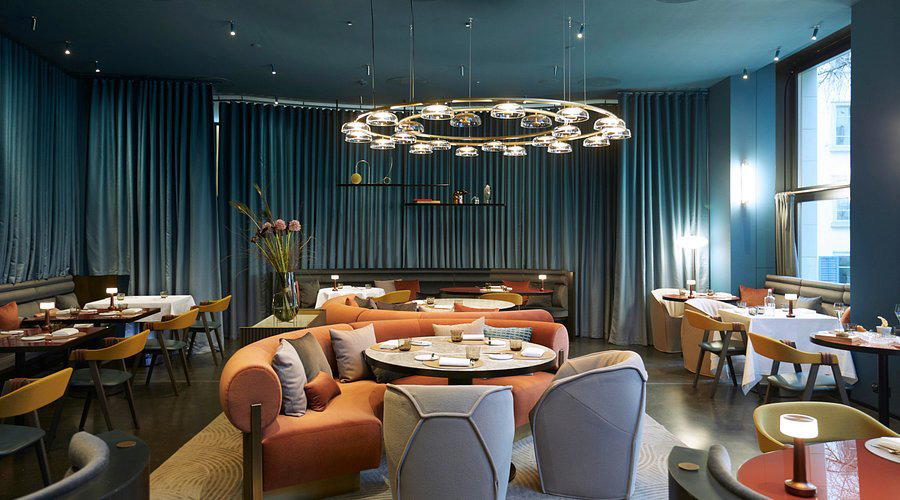
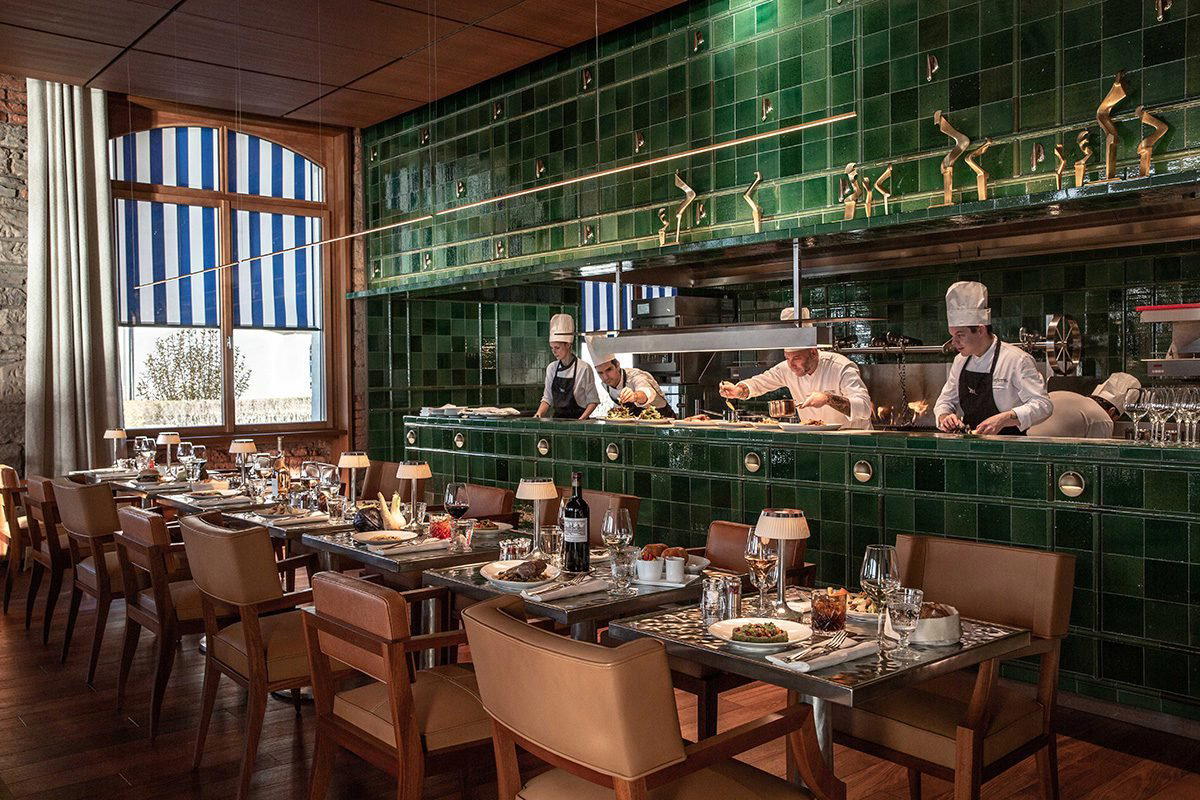
Restaurants in transitional urban neighbourhoods tend to do one of two things with their physical space: they either lean into the industrial rawness of the surroundings or they create a deliberate counterpoint to it. The interior register of a room, its warmth, its acoustics, the pace at which staff move through it, tells a diner more about a kitchen's ambitions than any descriptor on a menu cover. An Italian-leaning name like Azzurro in a Swiss-German city carries its own shorthand: the expectation of a room that runs slightly warmer in temperature and tone than the precision-coded dining rooms of the Bahnhofstrasse corridor.
For diners considering Azzurro alongside Eden Kitchen & Bar, which occupies the Italian register at the top of Zurich's price tier, the neighbourhood difference alone shifts the frame of reference. Eden operates within the grammar of luxury hotel dining; Azzurro at Hohlstrasse reads as a neighbourhood proposition, which in Zurich's current dining climate is not a lesser thing, it is a different ambition entirely. The city's most enduring rooms have often been the ones that developed a local constituency rather than an international one.
Team Dynamics and the Floor-to-Kitchen Relationship
In European dining at this level, the relationship between kitchen, sommelier, and front-of-house defines the guest experience more reliably than any single dish. The leading rooms in Switzerland operate on tight coordination: Schloss Schauenstein in Fürstenau has built its international reputation partly on a service model that extends far beyond the kitchen, and Memories in Bad Ragaz demonstrates how a tightly composed front-of-house team amplifies a technically demanding tasting menu. The same principle applies at the neighbourhood scale: a room where the floor team understands the wine list with the same fluency the kitchen brings to the menu is a materially different experience from one where those competencies sit in separate silos.
At Azzurro, the specifics of that team composition are not publicly detailed in a way that allows precise characterisation. What the address and scale imply, however, is a more intimate operational model than Zurich's hotel-anchored fine dining. Smaller rooms in outer districts tend to run with fewer covers and correspondingly fewer degrees of separation between the person who pours your wine and the person who decided which wines would be poured. That proximity, when it works, produces the kind of service that feels calibrated rather than scripted, responsive to the table rather than processing it.
Switzerland's wider dining circuit rewards this kind of integrated approach. Cheval Blanc by Peter Knogl in Basel, Maison Wenger in Le Noirmont, and Einstein Gourmet in Sankt Gallen each operate rooms where the sommelier's contribution is legible at the table, not incidental to it. Whether Azzurro operates in that tradition or positions itself as something more casual is a question that warrants investigation before booking, particularly for guests for whom the wine program is a primary consideration.
Zurich in the Swiss Context
Zurich's restaurant scene occupies a specific position in Swiss fine dining: it is the country's commercial capital and its most internationally trafficked city, yet the restaurants that attract the most critical attention often sit outside it. Hotel de Ville Crissier near Lausanne, Da Vittorio in St. Moritz, Mammertsberg in Freidorf, La Table du Valrose in Rougemont, and focus ATELIER in Vitznau all demonstrate that Switzerland's dining ambitions extend well beyond any single city. Within Zurich itself, the interesting question is not which rooms hold Michelin recognition, that list is legible, but which rooms are developing a distinctive point of view at the neighbourhood level.
For comparison, Le Bernardin in New York City and Lazy Bear in San Francisco both illustrate how restaurants with a firm sense of their own register, even when that register sits slightly outside a city's fine-dining mainstream, build the kind of loyalty that outlasts trend cycles. The lesson applies as clearly in Zurich's western districts as in Manhattan or the Mission.
Planning a Visit
Azzurro's Hohlstrasse address is reachable by tram from Zurich's city centre, with District 9 sitting roughly twenty minutes from the Hauptbahnhof by public transport, a journey that reinforces rather than undermines the sense of intentionality the restaurant requires of its guests. The cooler autumn and winter months are when Zurich's indoor dining rooms come into their own; the city's culinary energy concentrates in the period between October and March, when the outdoor terraces of lakeside restaurants close and the focus shifts decisively indoors.
Given the limited publicly available detail on Azzurro's booking policy, format, and pricing, contacting the restaurant directly before visiting is advisable, both to confirm current hours and to understand whether the room operates as a walk-in neighbourhood local or a reservation-first destination. For a broader map of where Azzurro sits within the city's dining offer, our full Zurich restaurants guide provides the context needed to build an itinerary around it.


At a Glance
- Cozy
- Lively
- Casual Hangout
- Group Dining
- Family
- Terrace
Current opening hours
- Monday
- 11:30 AM–2 PM, 6–11 PM
- Tuesday
- 11:30 AM–2 PM, 6–11 PM
- Wednesday
- 11:30 AM–2 PM, 6–11 PM
- Thursday
- 11:30 AM–2 PM, 6–11 PM
- Friday
- 11:30 AM–2 PM, 6–11 PM
- Saturday
- 6–11 PM
- Sunday
- Closed
Hours can change for holidays and private events. Last verified .
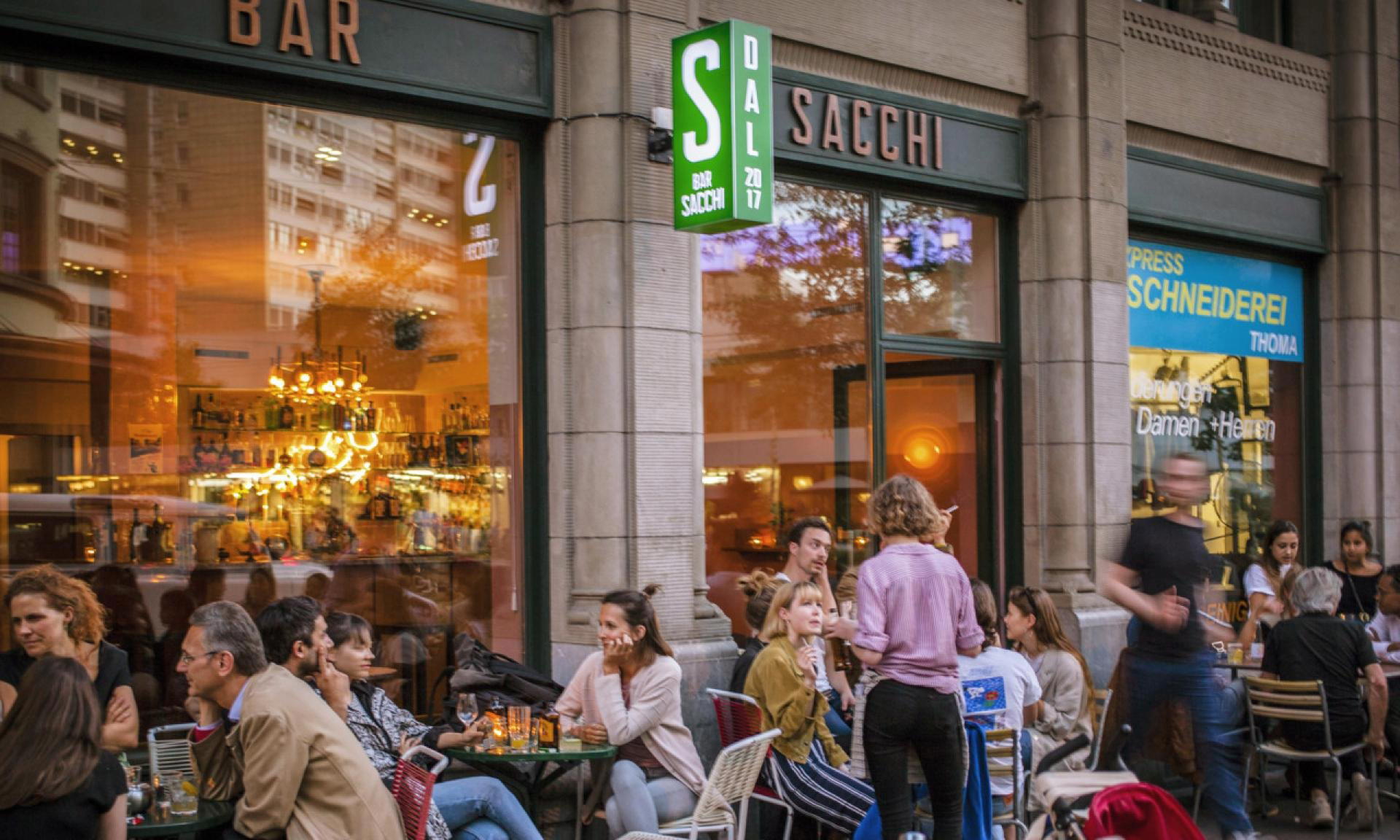
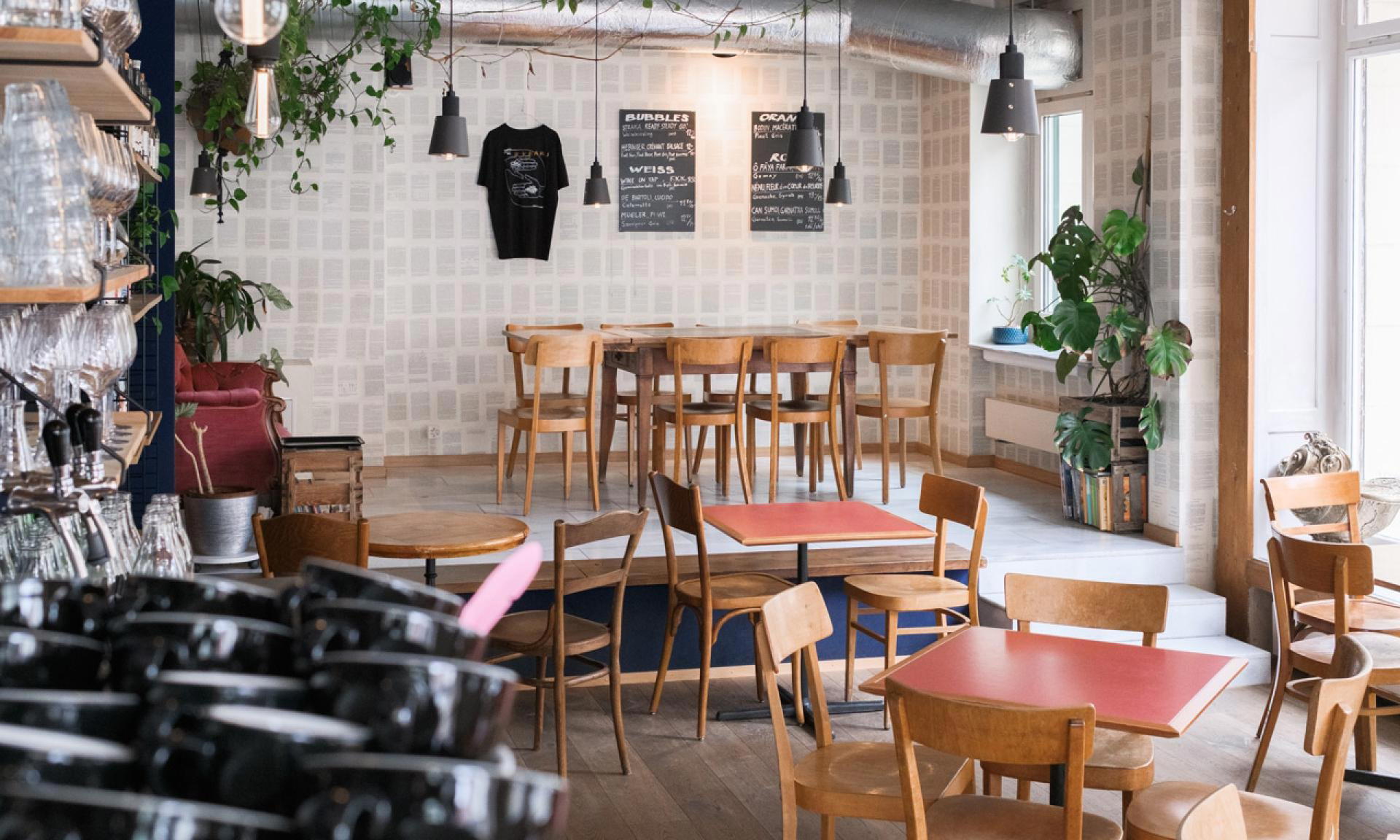
Relaxed and cozy Italian neighborhood atmosphere with a large shady outdoor terrace area.