Trattoria Reggiano
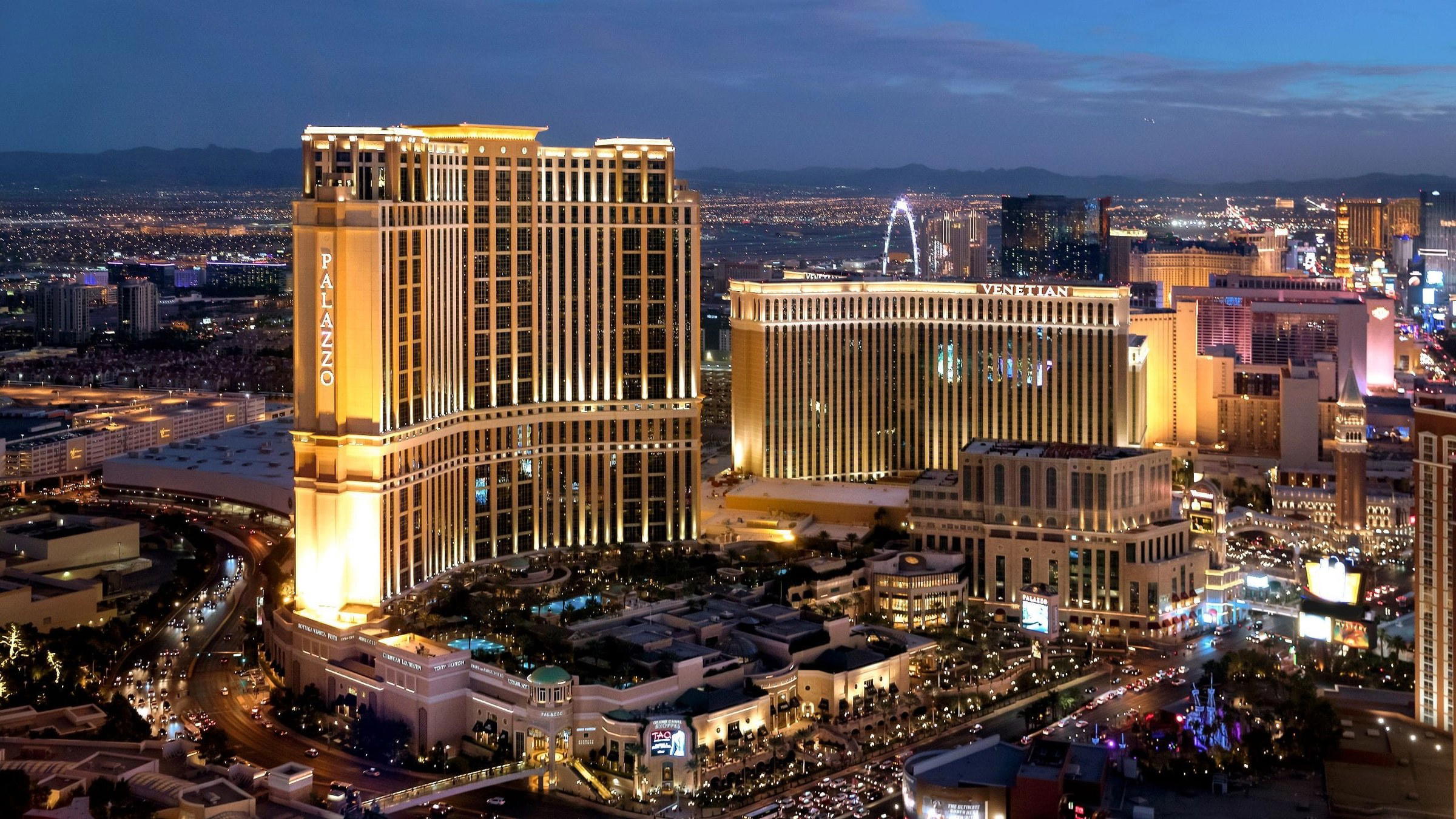
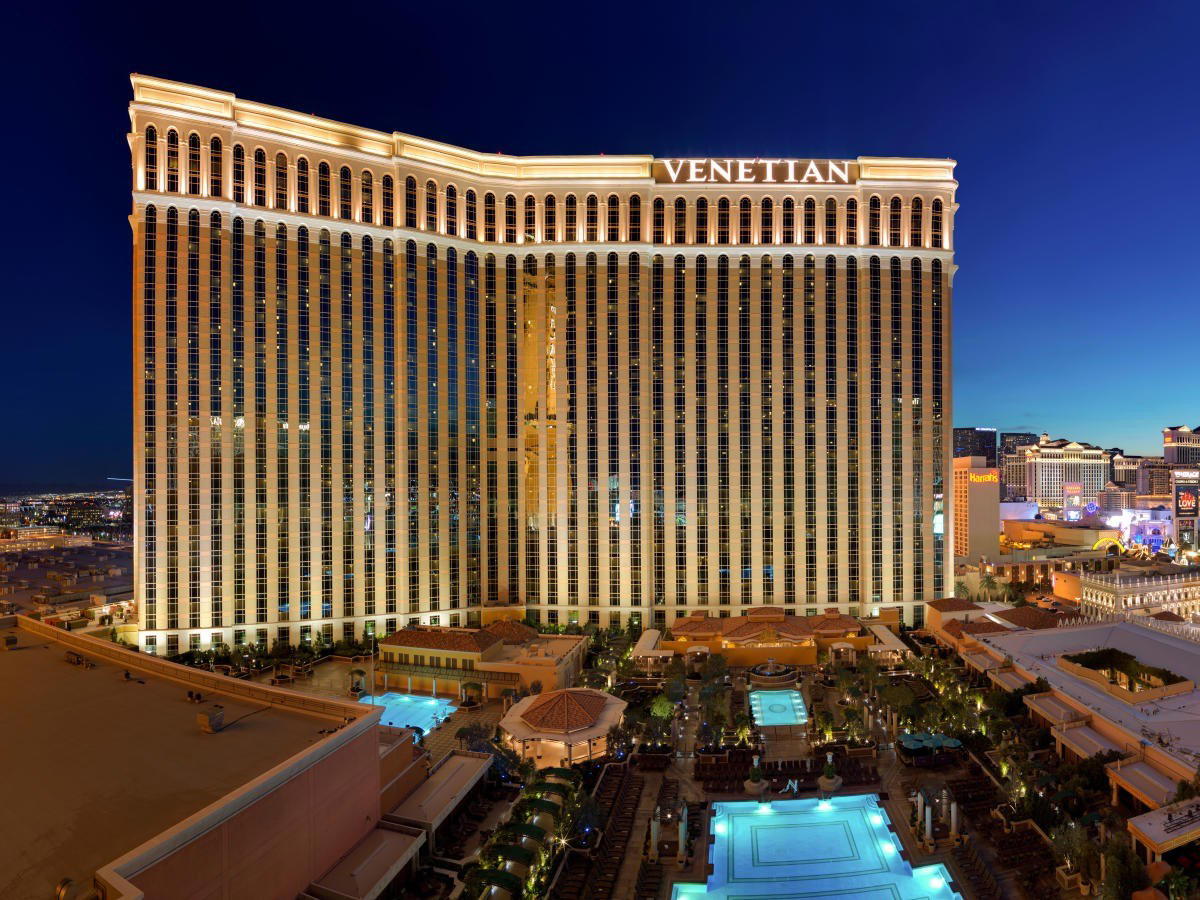
Trattoria Reggiano sits on the Las Vegas Strip at 3355 S Las Vegas Blvd, representing the Italian trattoria tradition in a city where casual European dining competes alongside blockbuster steakhouses and global tasting menus. The address places it within walking distance of the Strip's densest concentration of restaurants, making it a practical option for visitors already moving between properties.
Pearl is the En Primeur Club membership app — saves, bookings, and concierge access live there. Same editors, same standards.
- Address
- 3355 S Las Vegas Blvd, Las Vegas, NV 89109
- Phone
- +17023692053
- Website
- trattoria-reggiano.com
- Directions
- Get directions
 Saves & bookings on Pearl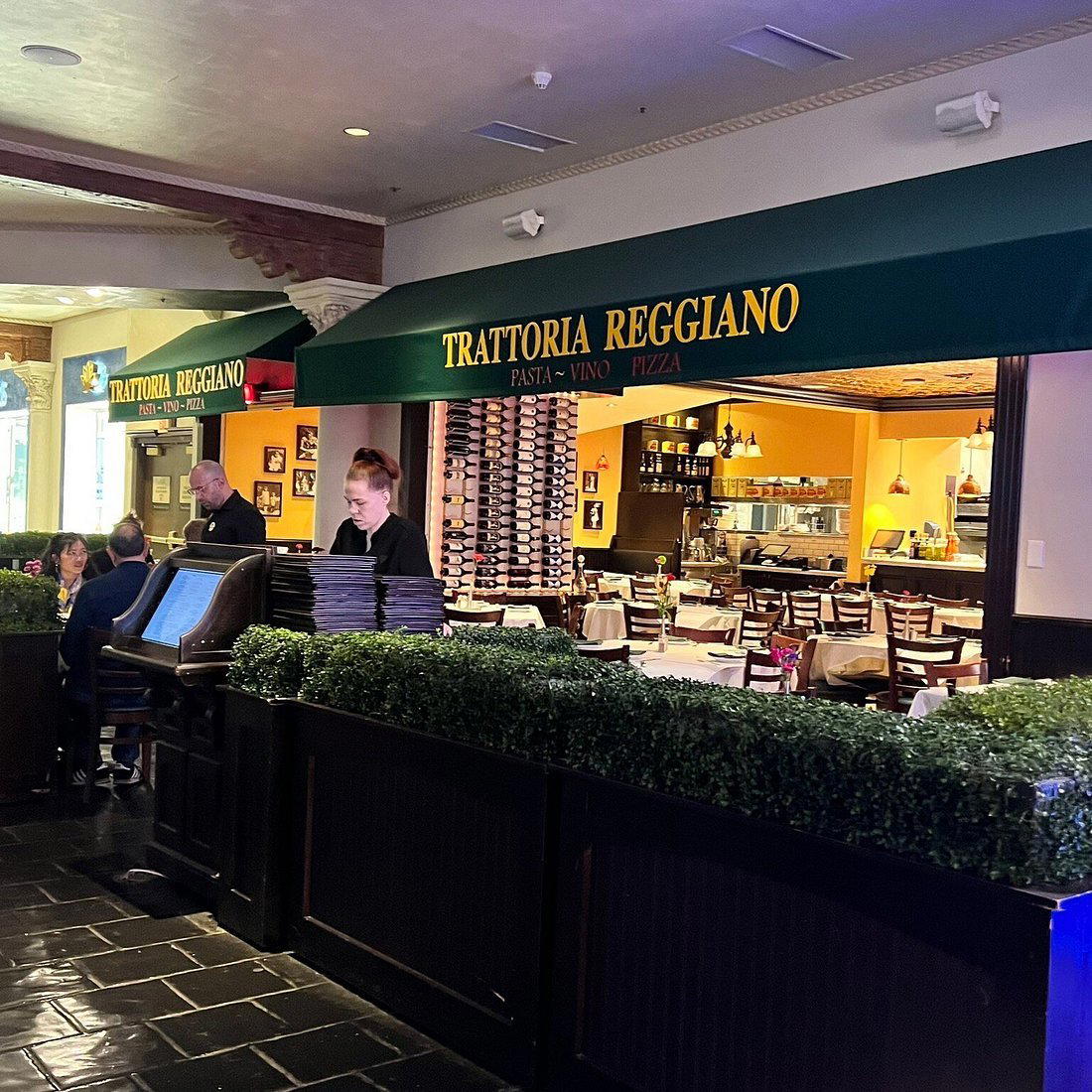
Italian Dining on the Strip: Where the Trattoria Format Lands in Las Vegas
The Las Vegas Strip has long operated as a compressed version of global dining, where formats that took decades to develop elsewhere arrive fully formed inside a casino corridor. The Italian trattoria sits in an interesting position within that ecosystem: less theatrical than a tasting menu room, less casual than a buffet, and pitched at a register that assumes some familiarity with regional Italian cooking. Trattoria Reggiano, located at 3355 S Las Vegas Blvd, occupies that middle tier on among the more densely competitive restaurant streets in North America.
To understand where a venue like this sits, it helps to map the Strip's Italian options against what exists elsewhere. Italian restaurants in Las Vegas broadly split between white-tablecloth fine dining anchored by celebrity chef brands, fast-casual pasta counters feeding the post-show crowd, and the trattoria format that attempts something in between: recognizable regional dishes, a wine list with some depth, and service that moves at a pace the room controls rather than the kitchen. The trattoria model, at its most considered, borrows from a northern Italian tradition where the dining room is a neighbourhood institution rather than a destination event.
The Strip Address and What It Signals
An address on the Las Vegas Boulevard corridor carries specific implications for any restaurant. Foot traffic is high, dwell time is unpredictable, and the guest mix shifts dramatically by hour and day of week. Properties on or immediately adjacent to the Strip tend to serve a higher proportion of first-time visitors than destination restaurants a few blocks east or west, and menus often reflect that reality with broadly legible offerings rather than regional specificity that requires explanation.
This dynamic shapes the competitive set in a way that differs from, say, the Italian restaurant ecosystems in cities like San Francisco or New York, where neighbourhood trattorie serve a more stable, repeat-visit clientele. On the Strip, the challenge is calibrating familiarity with enough culinary seriousness to hold the attention of guests who could just as easily be seated at Craftsteak or working through a multi-course format at one of the property's other dining rooms. Venues like 18bin and 108 Eats demonstrate that Las Vegas does support more specialist, thoughtful dining formats alongside the high-volume anchors.
Sustainability as a Lens on Italian Trattoria Cooking
The trattoria tradition, when practiced with fidelity to its origins, is inherently closer to what the contemporary food world calls sustainable than most people acknowledge. Italian regional cooking evolved under conditions of scarcity and seasonality: cucina povera in the south, preservation-driven larders in the north, and a general assumption that what grows locally, grows now, and is used in full. That whole-vegetable, nose-to-tail, market-driven logic predates the modern sustainability conversation by centuries.
This matters for how a venue in this format positions itself against the broader Las Vegas dining scene. Steakhouses like Craftsteak and high-volume international formats like Bacchanal Buffet operate at one end of the resource-intensity spectrum. A trattoria format, at least in its traditional register, sits at the other end: smaller proteins, grain-forward dishes, vegetable-led antipasti, and a wine program oriented around producers rather than brands. The gap between the tradition and its execution in a Strip context is where editorial judgment is required, and where sourcing choices become visible on the plate.
The broader American dining conversation around sourcing has reached a point where venues at every price tier are expected to have a position. Blue Hill at Stone Barns in Tarrytown operates at the extreme end of that commitment, with a farm-to-table integration that shapes every element of the menu. Single Thread Farm in Healdsburg applies similar rigor in a California context. Italian cooking on the Strip is not working at that altitude of sourcing formality, but the underlying logic of the cuisine, properly executed, points in the same direction: seasonal, regional, low-waste.
Las Vegas in the National Italian Dining Picture
When critics rank the depth of Italian dining across American cities, Las Vegas rarely leads the conversation. New York carries the weight of the Italian-American tradition alongside newer imports from specific regions. San Francisco has a northern Italian legacy. Chicago has long-established neighbourhood red-sauce institutions. Las Vegas's Italian dining depth is concentrated on the Strip and in the resort corridors, which means quality varies sharply by property and concept.
Venues like Lazy Bear in San Francisco and Alinea in Chicago represent what serious American dining investment looks like at the summit of the market. Italian formats at that tier are rare on the Strip. More common is the mid-market Italian room that serves its function well without advancing the conversation. The question worth asking of any Italian restaurant on the Strip is whether it treats the cuisine as a reference point or as a substrate for a more generic hospitality experience. That distinction separates the venues worth returning to from those that trade on familiarity alone.
For visitors building a multi-night Las Vegas itinerary, the Italian category sits between the high-commitment tasting menu tier, represented nationally by venues like Le Bernardin in New York City and The French Laundry in Napa, and the quick-service end of the market. A well-executed trattoria fills a specific need: a meal that takes two hours rather than four, costs less than a Michelin-starred room, and delivers enough culinary interest to feel intentional. A Different Beast and 777 Korean Restaurant represent the kind of more specialist options available in Las Vegas for guests willing to move slightly off the main corridor. For a full picture of where Las Vegas dining stands across all categories, our full Las Vegas restaurants guide maps the options by neighbourhood and format.
Planning Your Visit
- Lobster Ravioli
- Spaghetti Carbonara
- Eggplant Parmesan
- Chicken Parmigiana
- Garlic Knots
- House-Made Tiramisu
At a Glance
Comparable venues nearby, for context on price, style, and recognition.
| Venue | Cuisine | Price | Notes |
|---|---|---|---|
| Trattoria ReggianoThis venue — the venue you are viewing | Not listed | $$ | Not listed |
| Mulberry Street Pizzeria | Northern Strip, New York-Style Pizza | $$ | Not listed |
| Piero's | Not listed | $$$ | Northern Strip, Classic Italian Fine Dining |
| D'Agostino's Trattoria | Not listed | $$ | Spanish Trails, Authentic Italian Trattoria |
| Bella Vita | The Highlands, Authentic Italian Cuisine | $$ | Not listed |
| Brio Tuscan Grille | Not listed | $$$ | Boulder Junction, Tuscan-Inspired Northern Italian |
Continue exploring
More in Las Vegas
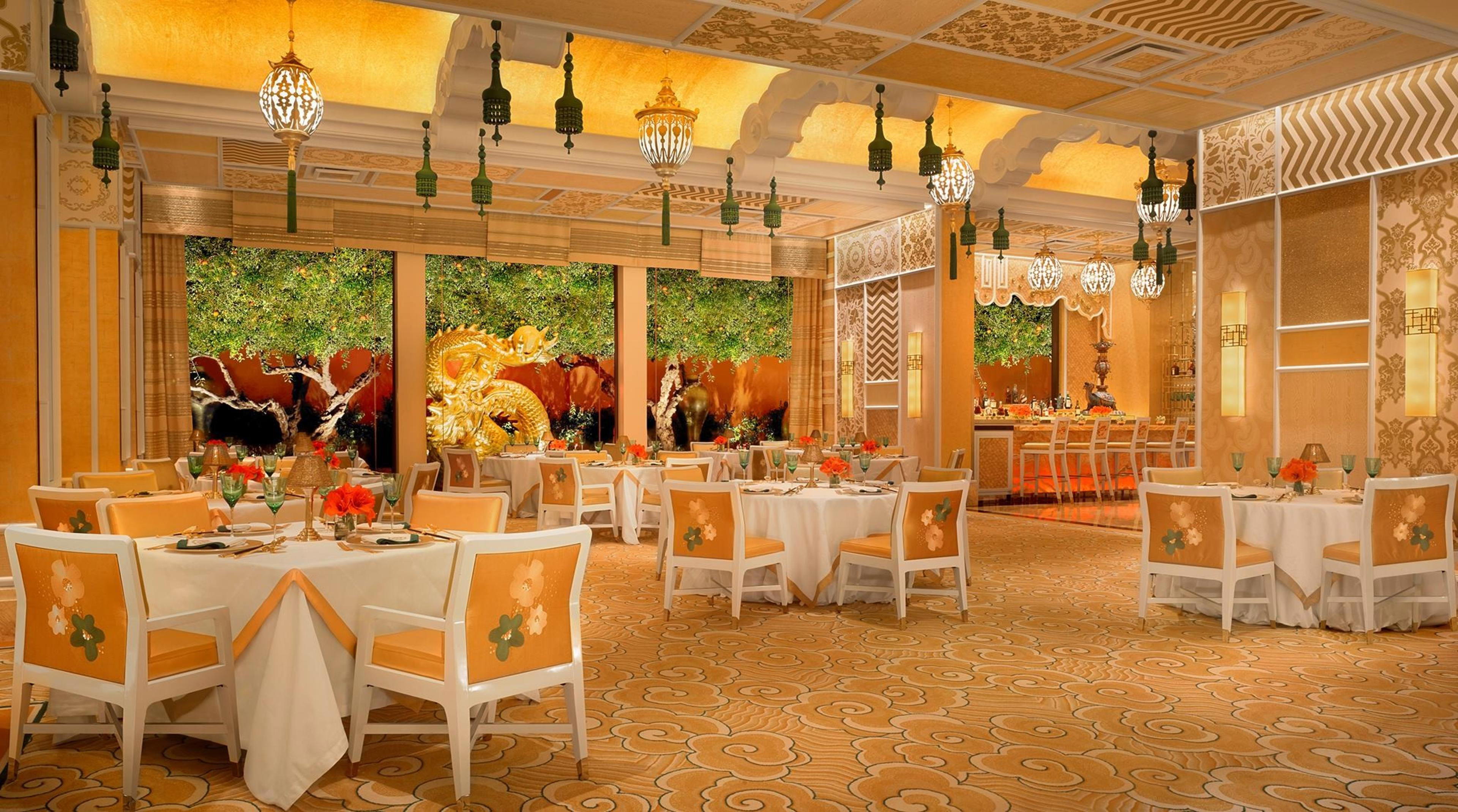
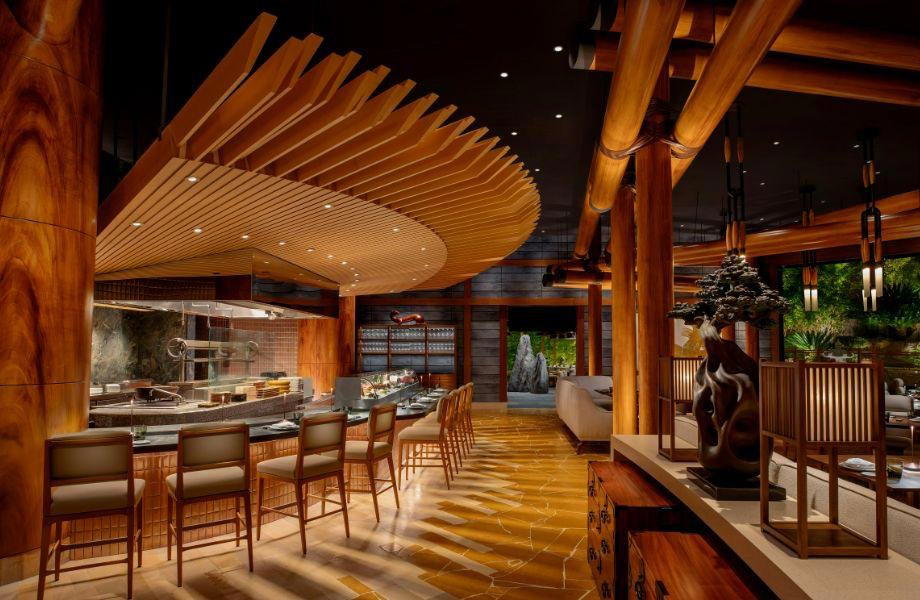
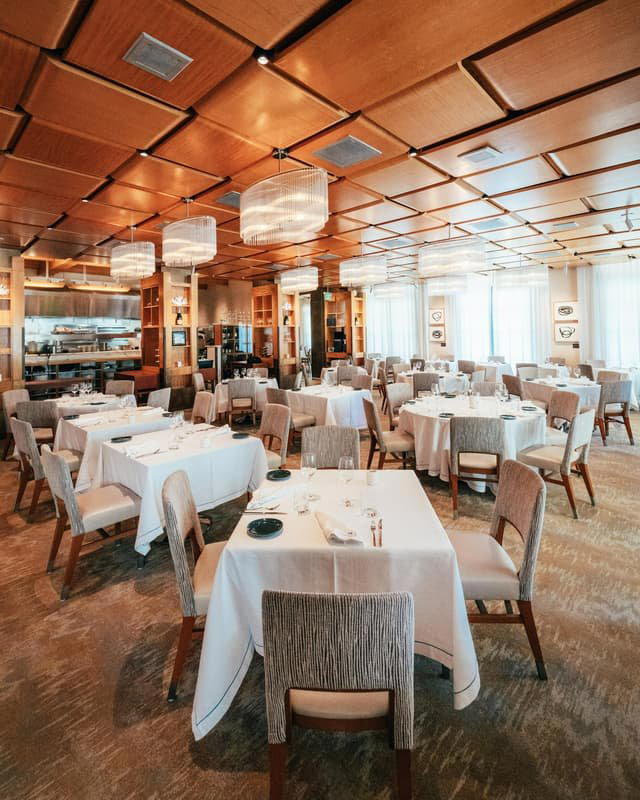
Restaurants in Las Vegas
Browse all →
Bars in Las Vegas
Browse all →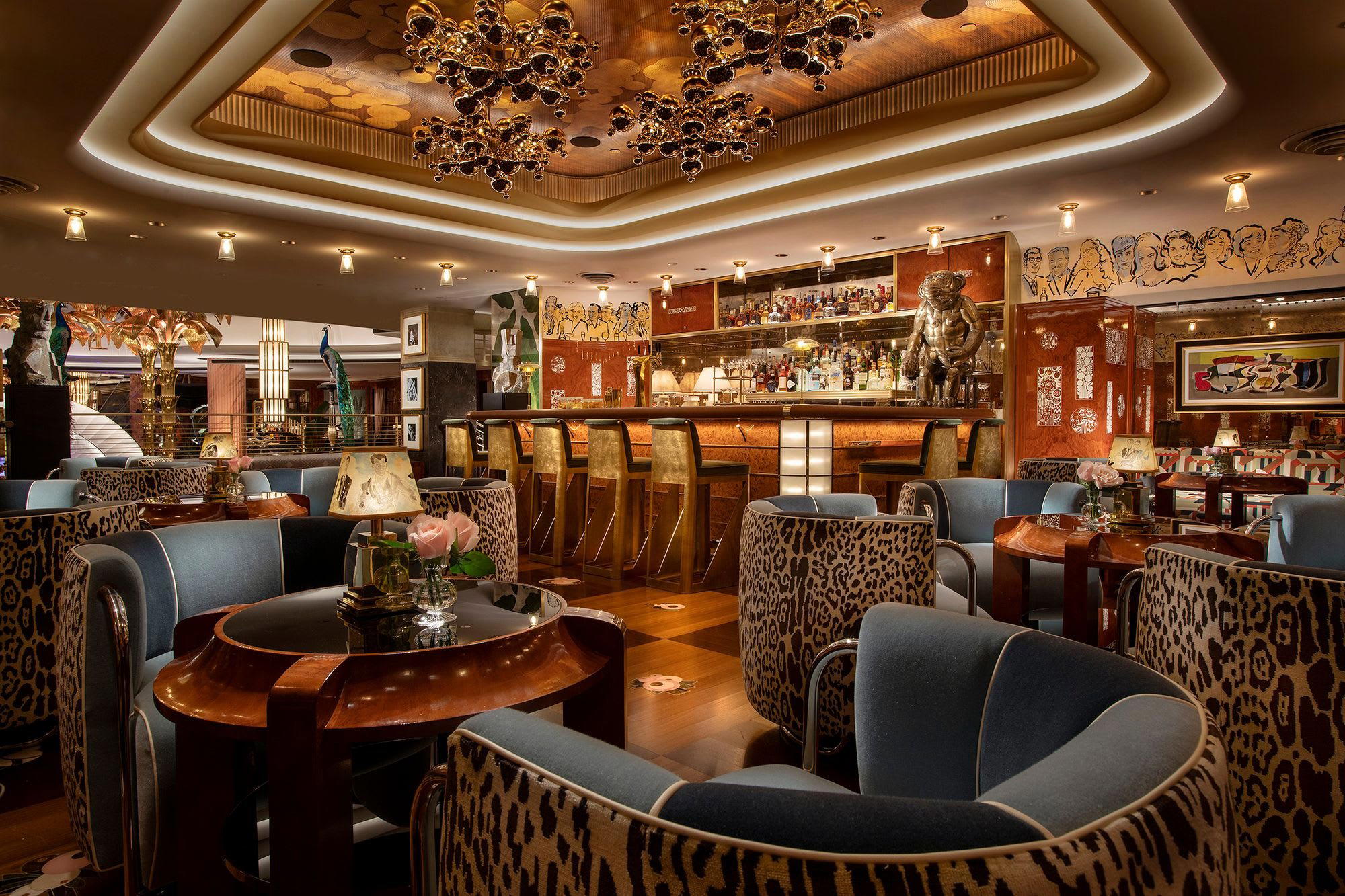
At a Glance
- Classic
- Rustic
- Cozy
- Intimate
- Family
- Group Dining
- Casual Hangout
- Date Night
- After Work
- Live Music
- Terrace
- Hotel Restaurant
- Craft Cocktails
- Beer Program
- Farm To Table
- Local Sourcing
- Street Scene
Current opening hours
- Monday
- 11 AM–11 PM
- Tuesday
- 11 AM–11 PM
- Wednesday
- 11 AM–11 PM
- Thursday
- 11 AM–11 PM
- Friday
- 11 AM–11 PM
- Saturday
- 11 AM–11 PM
- Sunday
- 11 AM–11 PM
Hours can change for holidays and private events. Last verified .
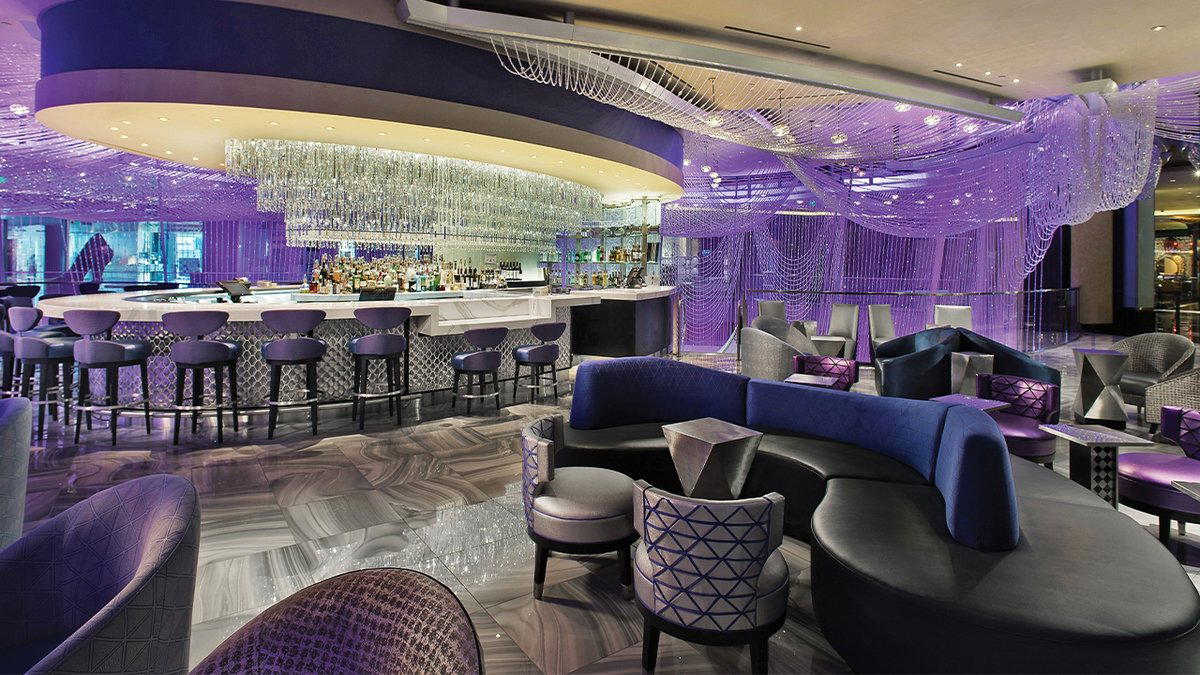
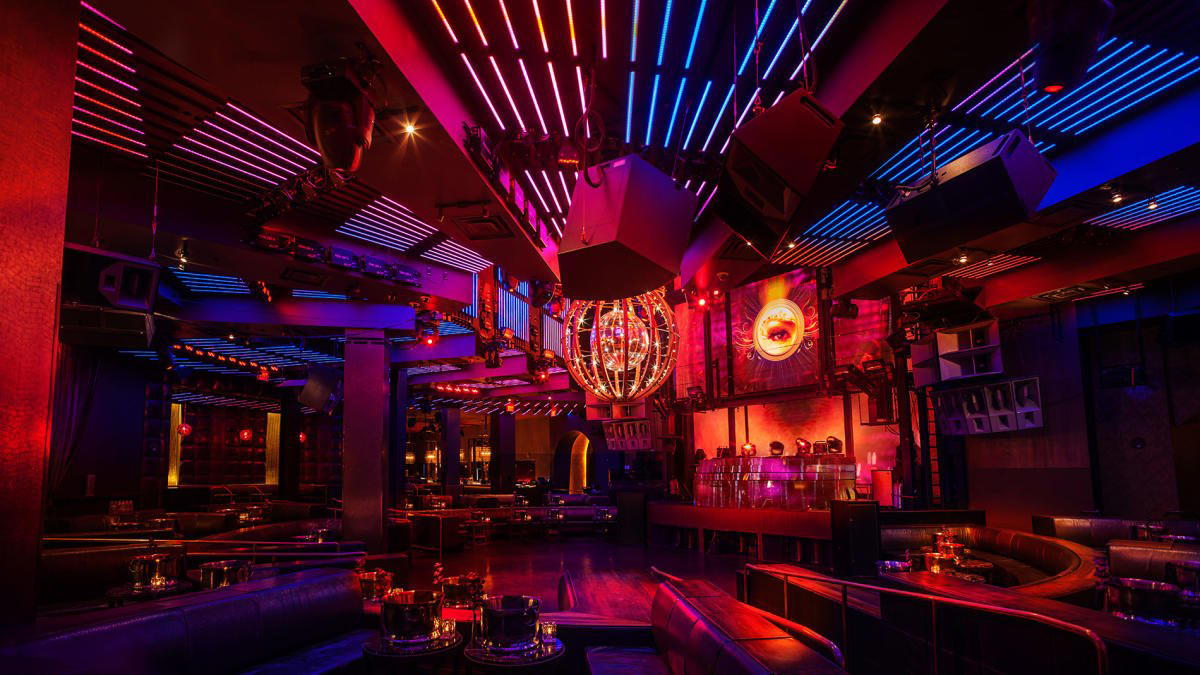
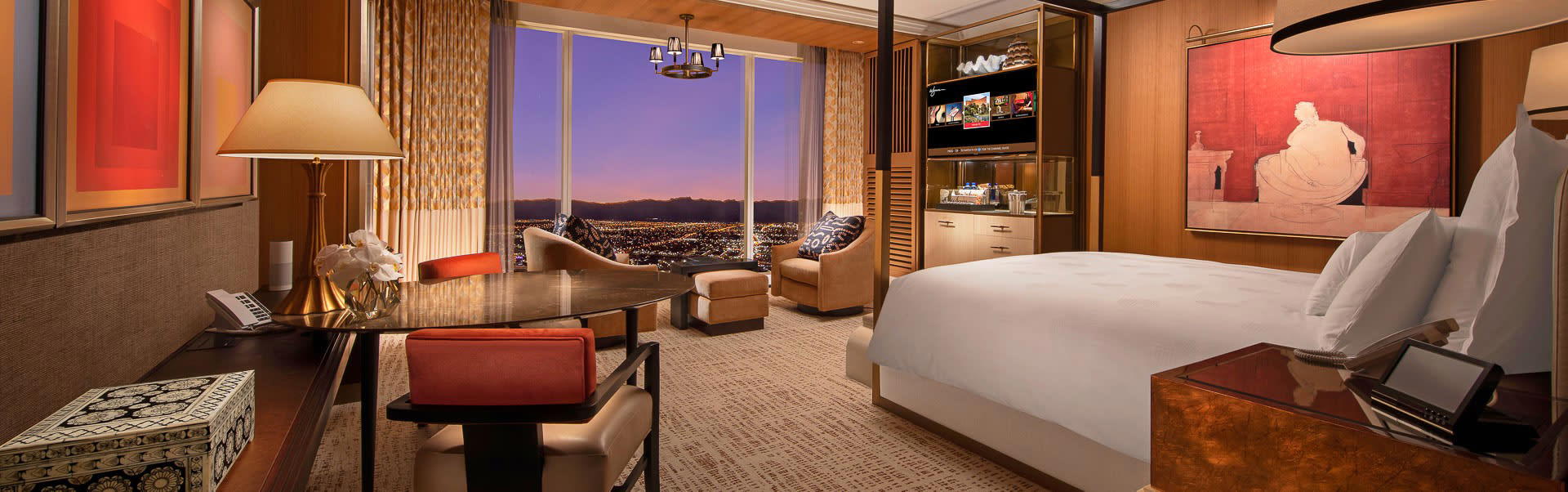
Warm, old-world Italian street-side setting with wood-accented interiors, soft muted lighting, and a casual dining room with patio seating that evokes traditional Italian hospitality.