Tradesman Brighton
Tradesman Brighton sits on the first floor at 60 Guest Street in Boston's Brighton neighborhood, positioning itself within a local dining scene that rewards repeat visits over first impressions. The kitchen draws on a neighborhood-restaurant ethos where occasion dining and everyday comfort occupy the same address. Booking ahead is advised, particularly for weekend evenings when demand across the Brighton corridor tightens considerably.
Pearl is the En Primeur Club membership app — saves, bookings, and concierge access live there. Same editors, same standards.
- Address
- 60 Guest St 1st Floor, Boston, MA 02135
- Phone
- +16178707901
- Website
- tradesmanbrighton.com
- Directions
- Get directions
 Saves & bookings on Pearl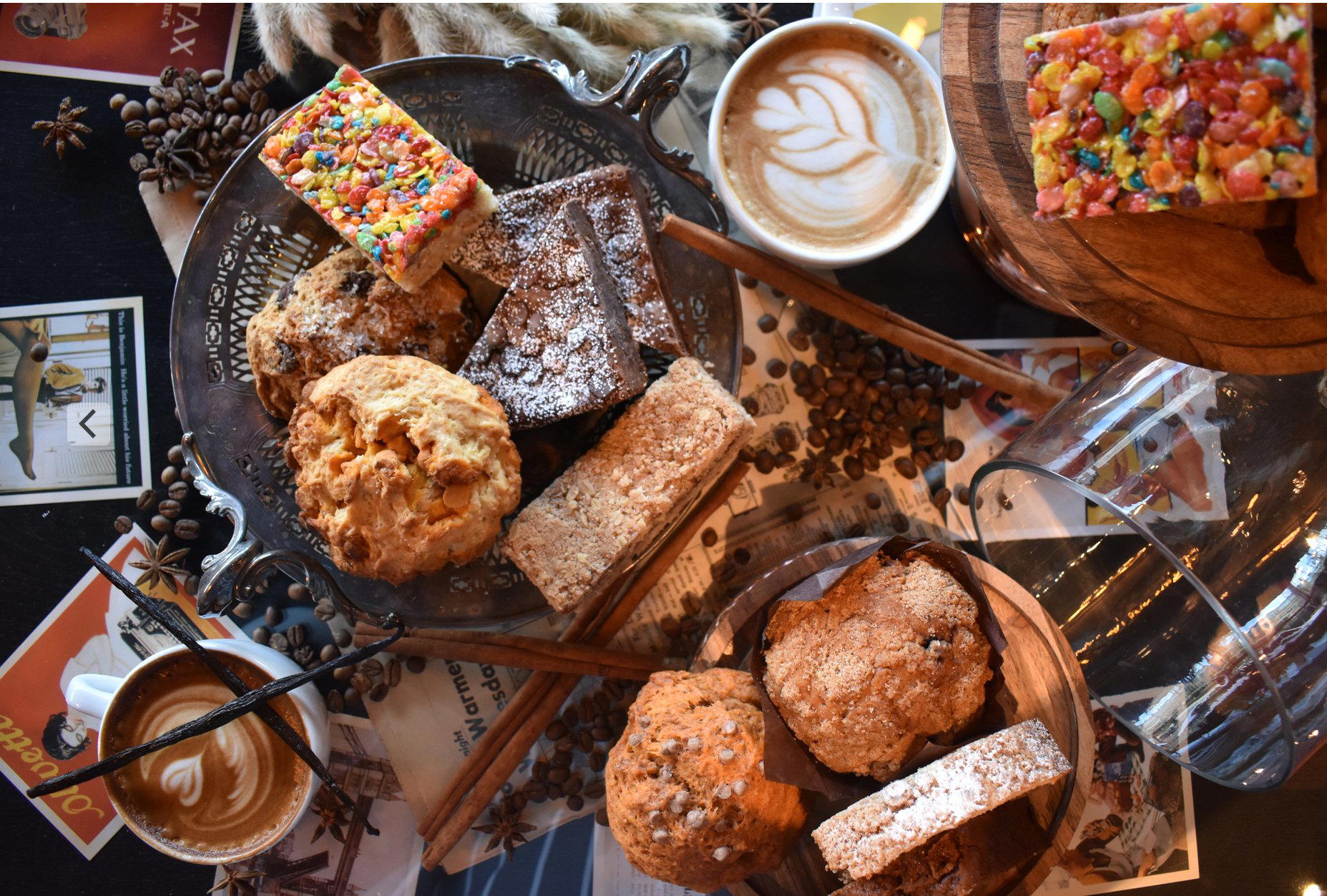
Brighton's Guest Street and the Grammar of the Neighborhood Occasion
Tradesman Brighton is a Modern American Gastropub in Boston's Brighton neighborhood, with. The first floor of 60 Guest Street sits above the street-level noise of Brighton's commercial strip, and that modest elevation does quiet editorial work. Restaurants that occupy upper floors in neighborhood settings tend to signal a particular kind of dining contract: the guest has made a deliberate decision to be there, climbing a flight rather than drifting in off the pavement. That self-selection shapes the room before a dish arrives. At Tradesman Brighton, the address places it inside a Brighton dining corridor that has gradually accumulated serious independent operators alongside its older pub-and-casual baseline, a pattern visible across comparable Boston neighborhoods that have absorbed younger professional populations over the past decade.
Brighton as a dining district occupies an interesting position relative to the rest of Boston's restaurant geography. It sits far enough from the South End and Back Bay concentration of destination restaurants to function on neighborhood loyalty rather than destination traffic, yet close enough to those corridors that the kitchen operates in a competitive awareness of what the broader city expects. Restaurants in this position, where the fuller field is tracked, tend to build reputations through consistency and occasion reliability rather than through headline-grabbing menus. The question for any serious diner approaching Tradesman Brighton is whether it earns that trust.
Occasion Dining in a Neighborhood Frame
The occasion-dining category in American cities has splintered considerably. At one end sit the destination rooms, the kind of addresses where a birthday or anniversary demands months of forward planning and a reservation secured through a lottery or concierge contact: places like Alinea in Chicago, The French Laundry in Napa, or Atomix in New York City. At the other end sit the neighborhood rooms that absorb milestone meals without requiring the guest to travel across the city or commit to an elaborate tasting menu. The restaurant reads as the latter type: a restaurant where the occasion is the guest's, not the kitchen's.
That distinction matters for how you use a room. Restaurants that position themselves as neighborhood occasion anchors carry a different burden of reliability than destination kitchens. The table that books for a promotion dinner or a fortieth birthday expects the room to hold the tone without overwhelm, the service to read the group's energy, and the food to satisfy without requiring explanation. Across American cities, the restaurants that perform this function most consistently share a few traits: a menu with enough range that non-specialist guests find their footing quickly, a wine program deep enough for the guest who wants to spend up, and a physical environment that reads as special without being theatrical. The restaurant is designed to meet those expectations without excess.
For reference points elsewhere in the country, the occasion-dining tier that operates between neighborhood casual and full destination includes well-known rooms in San Francisco, Los Angeles, and Tarrytown. The Boston market has its own version of that tier, and Brighton's position within the city means that Tradesman operates in a neighborhood where that tier has room to establish itself without direct competition from the South End's denser concentration of similar rooms.
The Brighton comparable set
Reading the restaurant against its local peers helps calibrate expectations. Brighton's independent restaurant scene includes operators with distinct culinary identities: Bamboo and Bincho Yakitori represent Asian-influenced formats that have found consistent local audiences, while Baqueano and Bocana anchor the Latin American thread in the neighborhood's dining fabric. Cafe Landwer covers the all-day Mediterranean register. Within this field, the restaurant's position at 60 Guest Street places it in a part of the neighborhood with its own foot traffic logic, distinct from the denser commercial stretches where those operators compete for walk-in volume.
That separation can work in a restaurant's favor for occasion dining specifically. The guest who has made a reservation, parked, and climbed a floor to reach the dining room is already in a different mental register than the walk-in seeking a quick table. The same pattern holds in other major dining cities: some addresses require intention to reach, and that intentionality shapes the experience before the menu arrives. At neighborhood scale, the principle holds even if the ambition differs.
Planning Your Visit
The restaurant is located at 60 Guest Street, first floor, Boston, MA 02135, within the Brighton neighborhood on the western edge of the city. The Guest Street corridor is accessible from the Massachusetts Turnpike, and street parking availability varies by time of day, so arriving by rideshare removes one logistical variable on a night when you want the evening to run cleanly. For occasion visits specifically, weekend evenings across Brighton's better-regarded independents tend to book ahead, so treating this as a reservation rather than a walk-in decision is the practical default. The current hours are Mon: 7 AM to 4 PM; Tue through Fri: 7 AM to 9 PM; Sat: 9 AM to 9 PM; Sun: Closed, and reservations are recommended.
Comparable occasion anchors at greater distance, including Emeril's in New Orleans, Single Thread Farm in Healdsburg, Addison in San Diego, and The Inn at Little Washington in Washington, all reward forward planning with better table placement and a more attentive service arc. The same principle applies at the neighborhood level: the guest who books with a reason attached to the reservation, whether that reason is communicated to the room or not, tends to find the evening calibrated accordingly.
Price and Positioning
Comparable venues nearby, for context on price, style, and recognition.
| Venue | Cuisine | Price | Notes |
|---|---|---|---|
| Tradesman BrightonThis venue — the venue you are viewing | Brighton, Modern American Gastropub | $$ | Not listed |
| Bamboo | Brighton, Authentic Thai | $$ | Not listed |
| Cafe Landwer | Brighton, Mediterranean Israeli Cafe | $$ | Not listed |
| Tasca | Brighton, Traditional Spanish Tapas | $$ | Not listed |
| Moogy's | Not listed | $ | Brighton, Philly-Style Sandwiches & Burgers |
| Stockyard | Brighton, Classic American Steakhouse | $$ | Not listed |
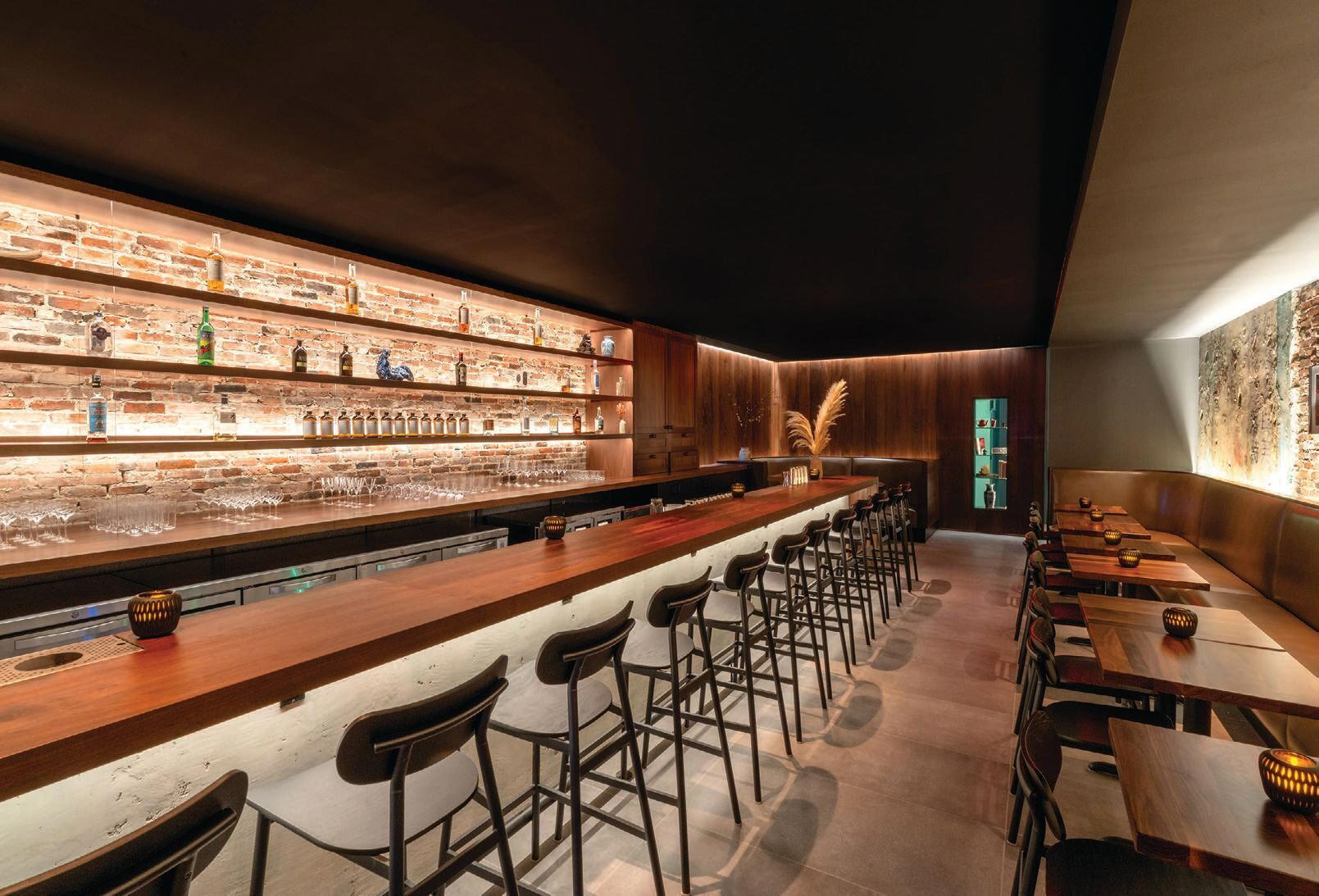
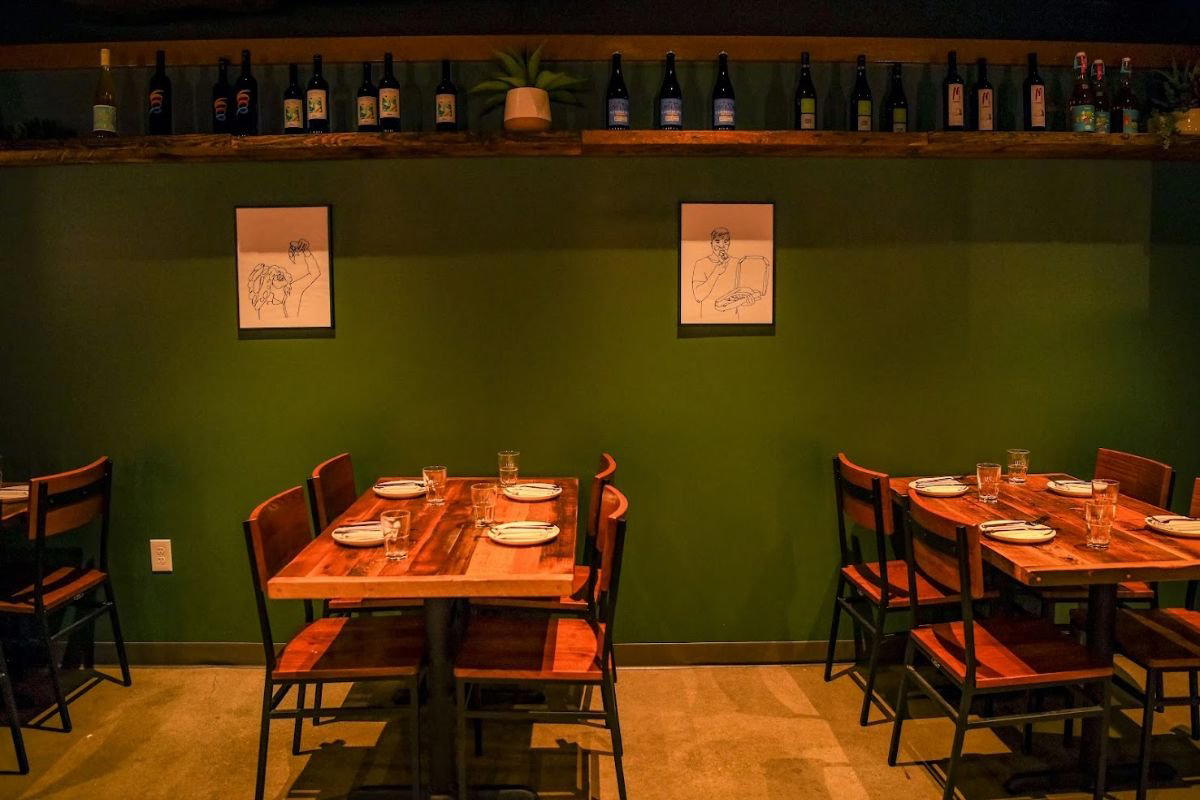
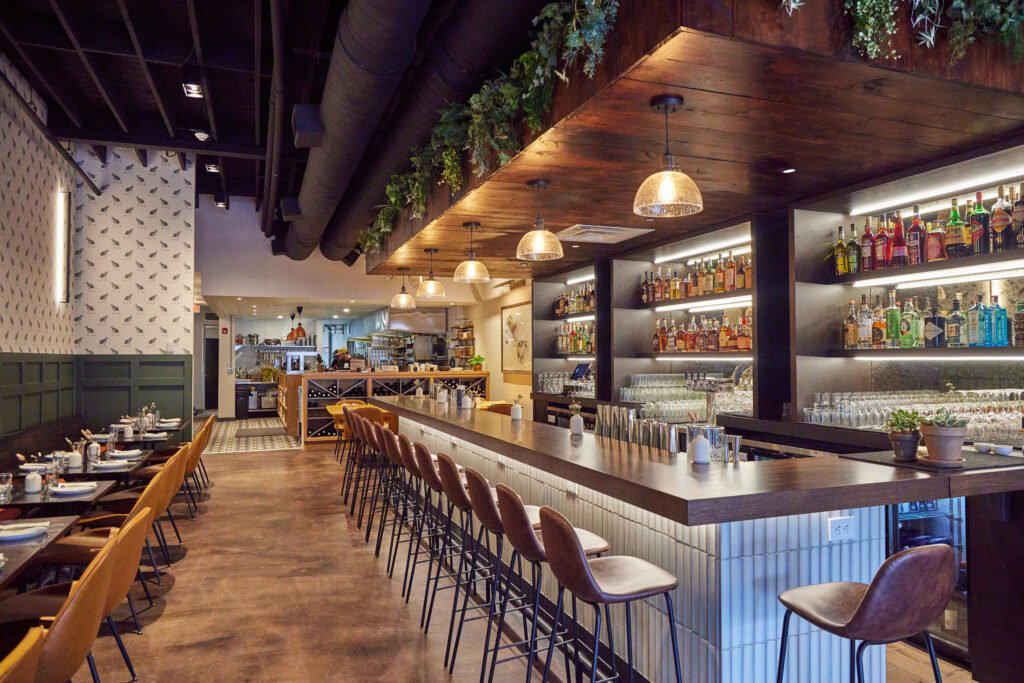
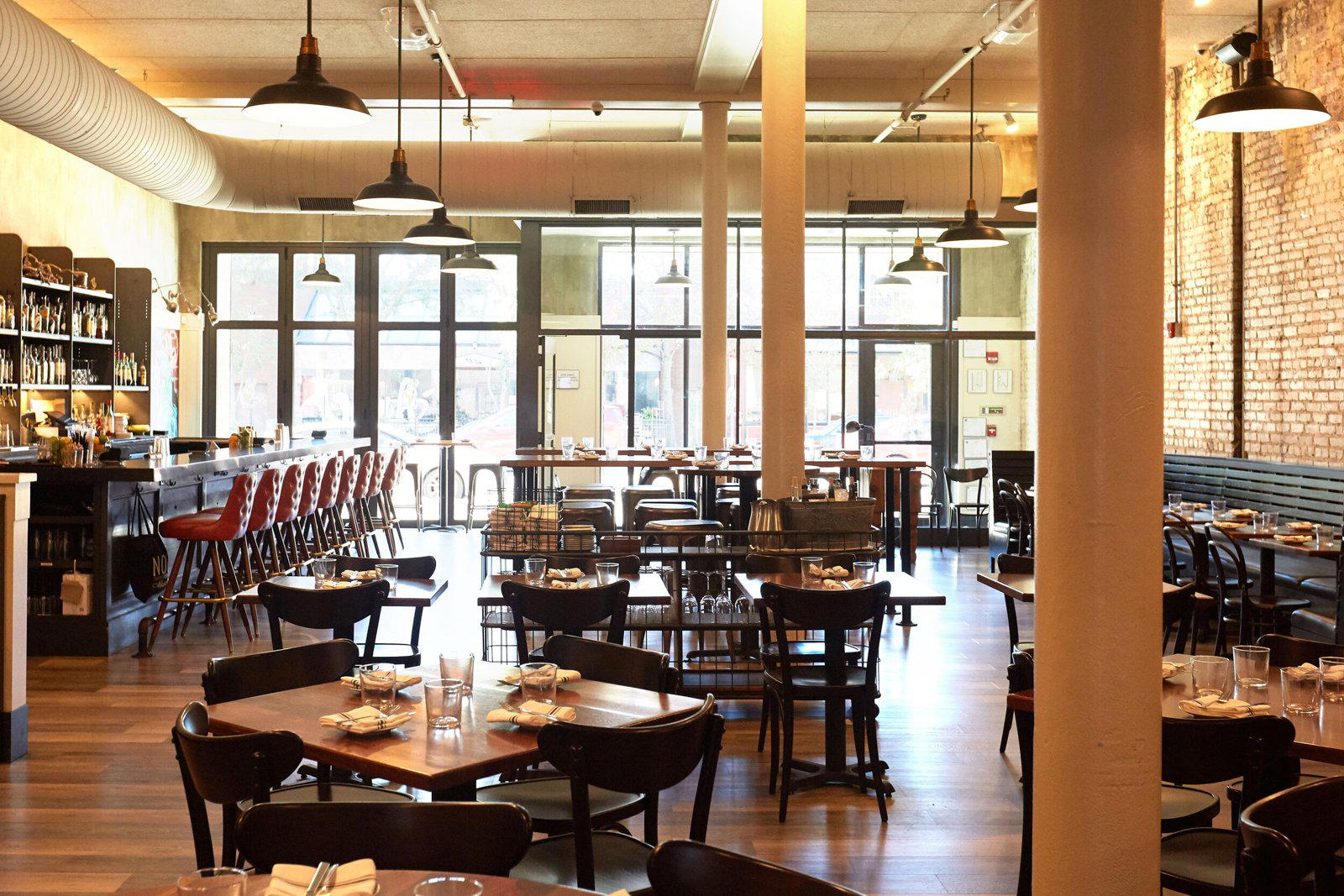
At a Glance
- Modern
- Cozy
- Trendy
- Casual Hangout
- After Work
- Open Kitchen
- Craft Cocktails
Current opening hours
- Monday
- 7 AM–4 PM
- Tuesday
- 7 AM–9 PM
- Wednesday
- 7 AM–9 PM
- Thursday
- 7 AM–9 PM
- Friday
- 7 AM–9 PM
- Saturday
- 9 AM–9 PM
- Sunday
- Closed
Hours can change for holidays and private events. Last verified .
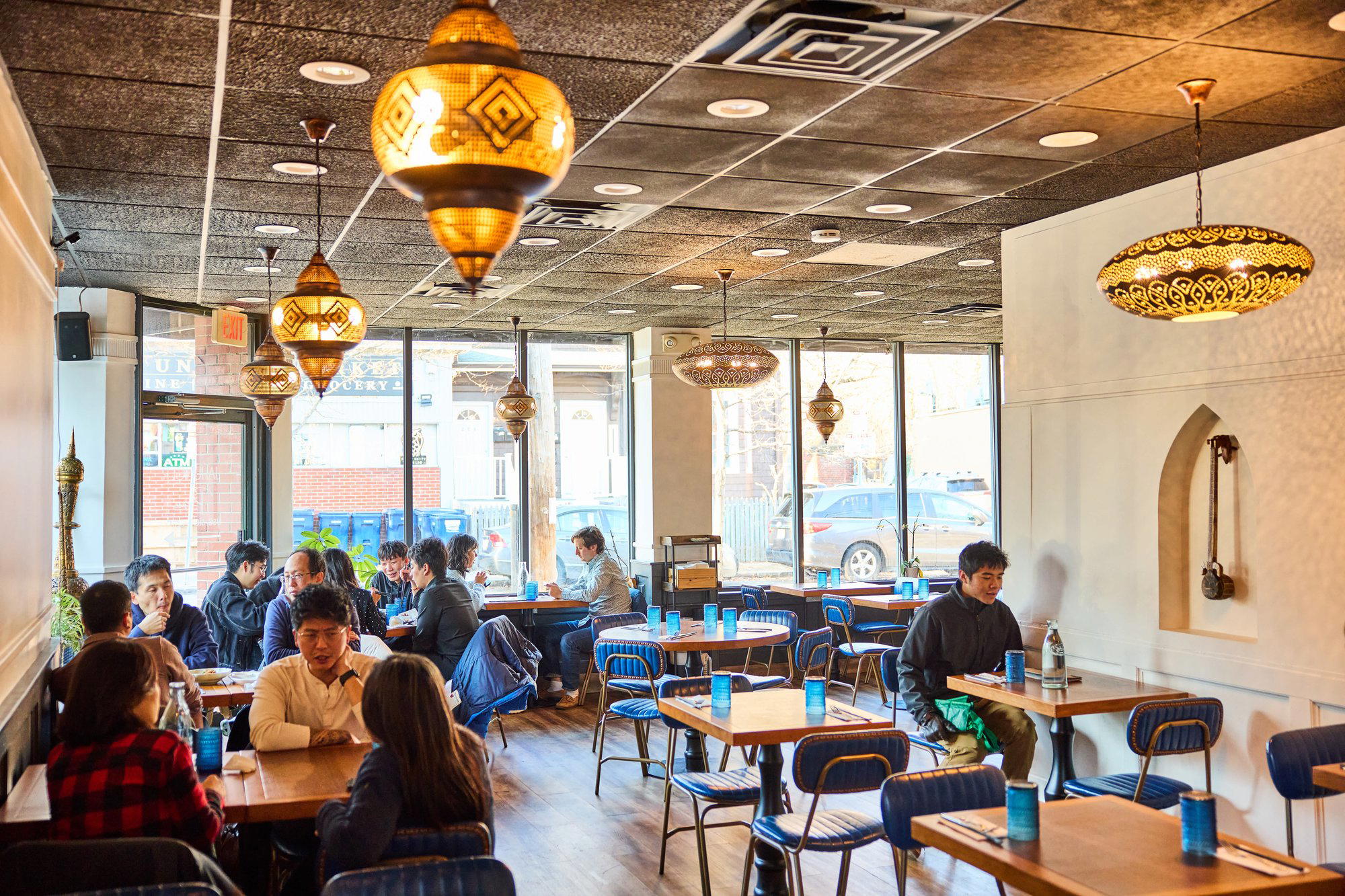
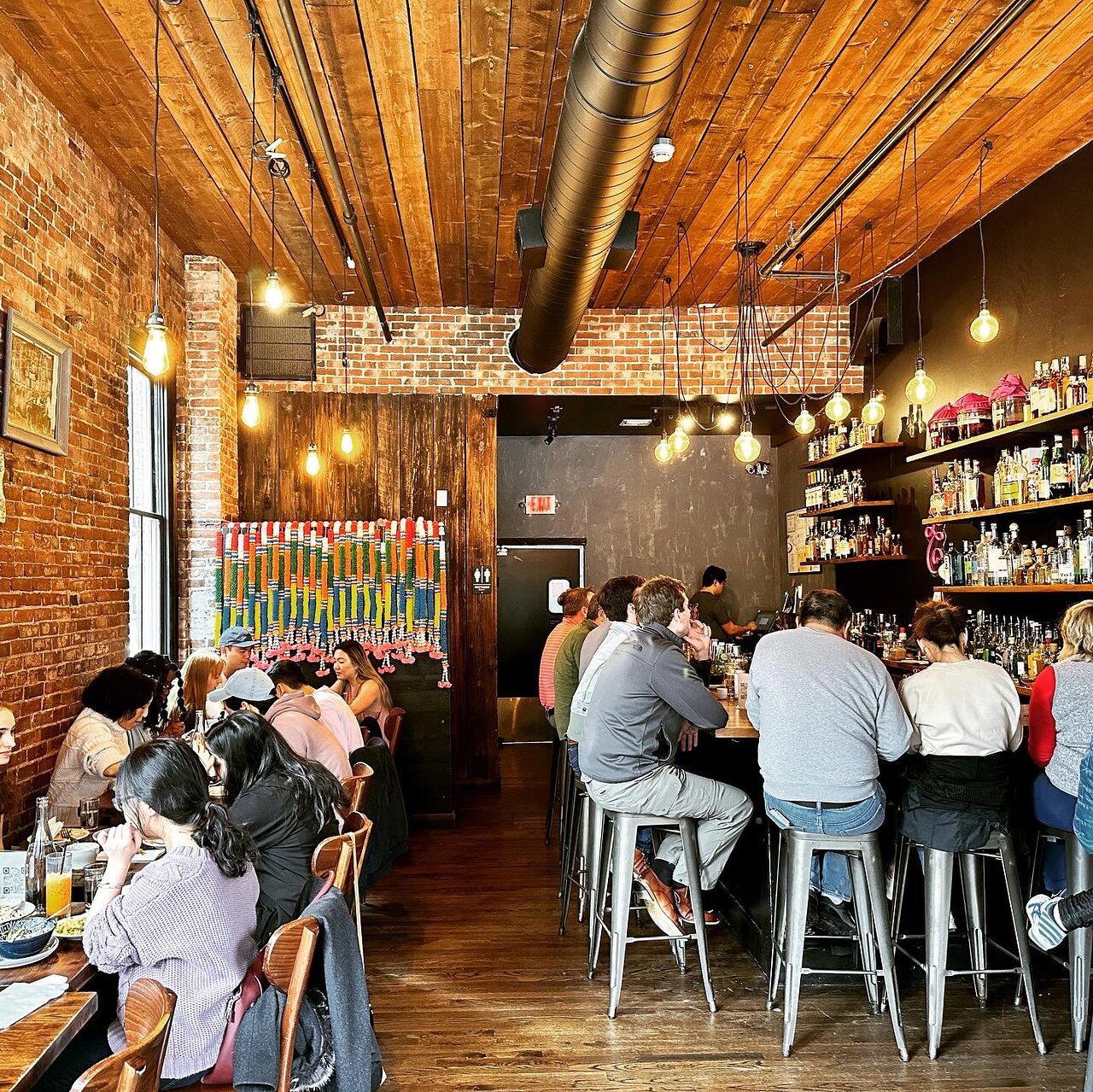
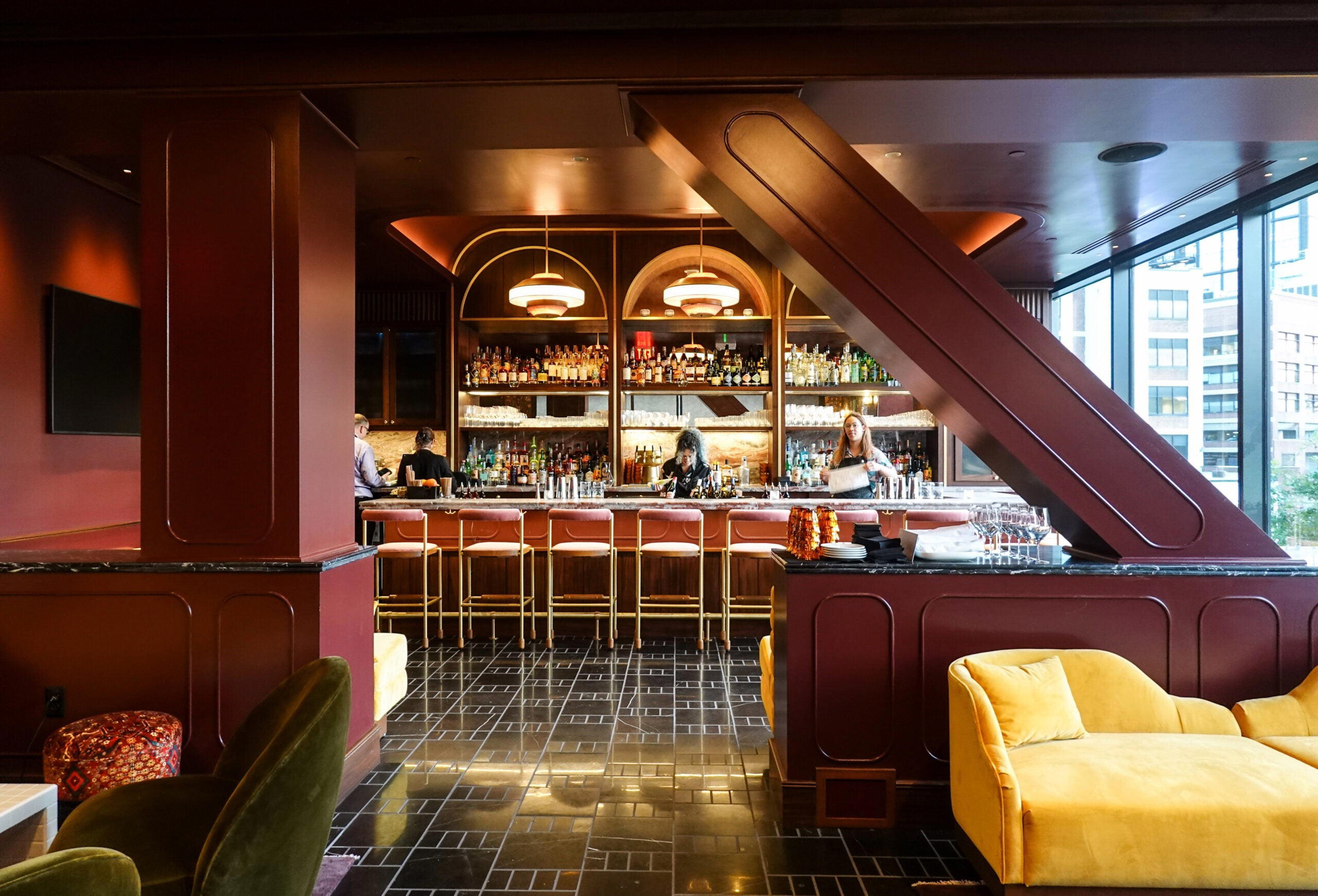
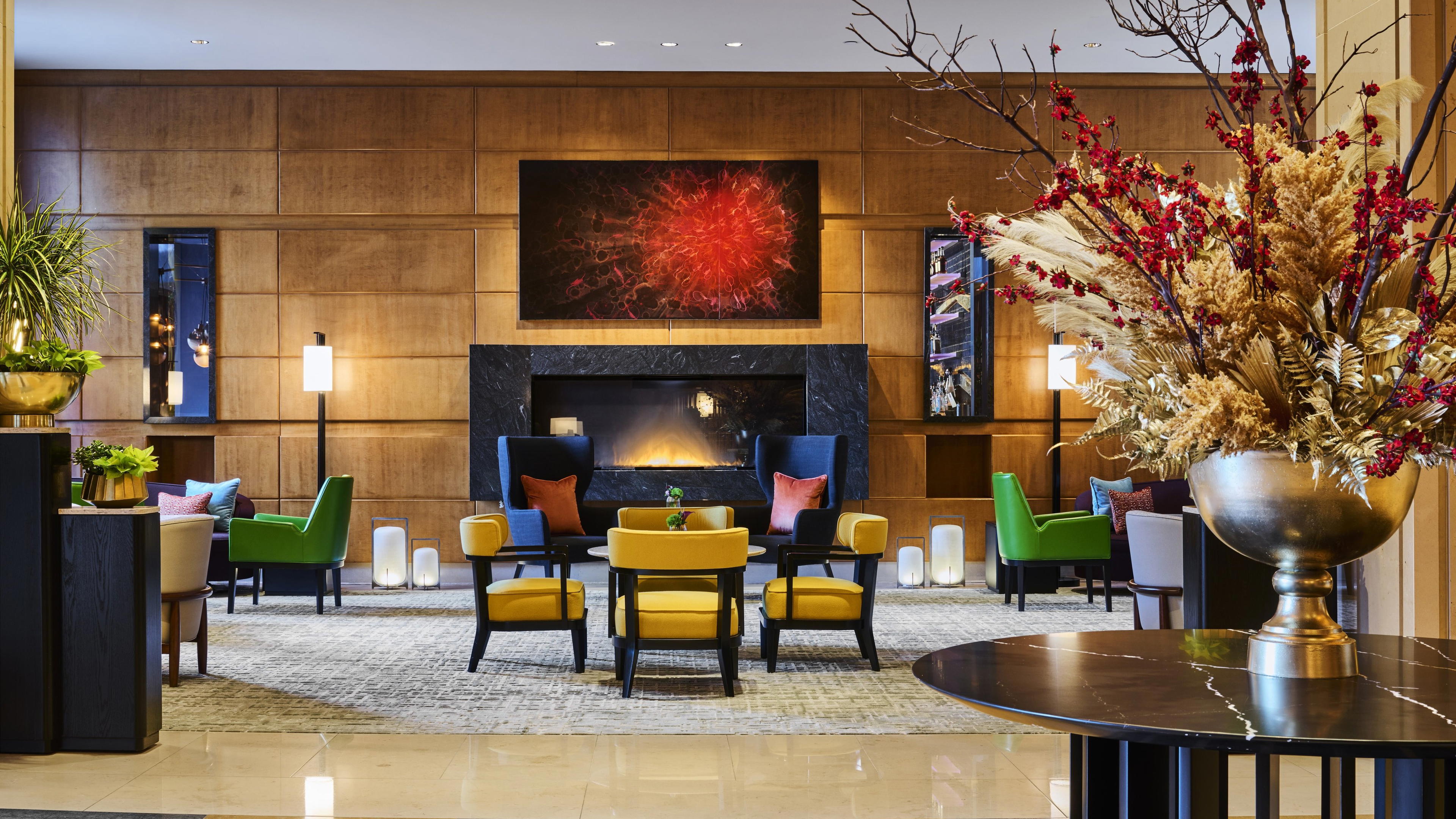
Casual and welcoming atmosphere suitable for coffee during the day and relaxed dining and drinks in the evening.