Toscano
Toscano brings Italian-rooted dining to Draper, Utah, a suburb where serious sit-down restaurants are still establishing their footing. Located at 11450 State St, it occupies a tier of the local scene where cultural context and kitchen craft matter more than novelty. For visitors weighing options along the Wasatch Front, Toscano represents a deliberate choice over the corridor's many casual alternatives.
Pearl is the En Primeur Club membership app — saves, bookings, and concierge access live there. Same editors, same standards.
- Address
- 11450 State St, Draper, UT 84020
- Phone
- +18015725507
- Website
- toscano-restaurant.com
- Directions
- Get directions
 Saves & bookings on Pearl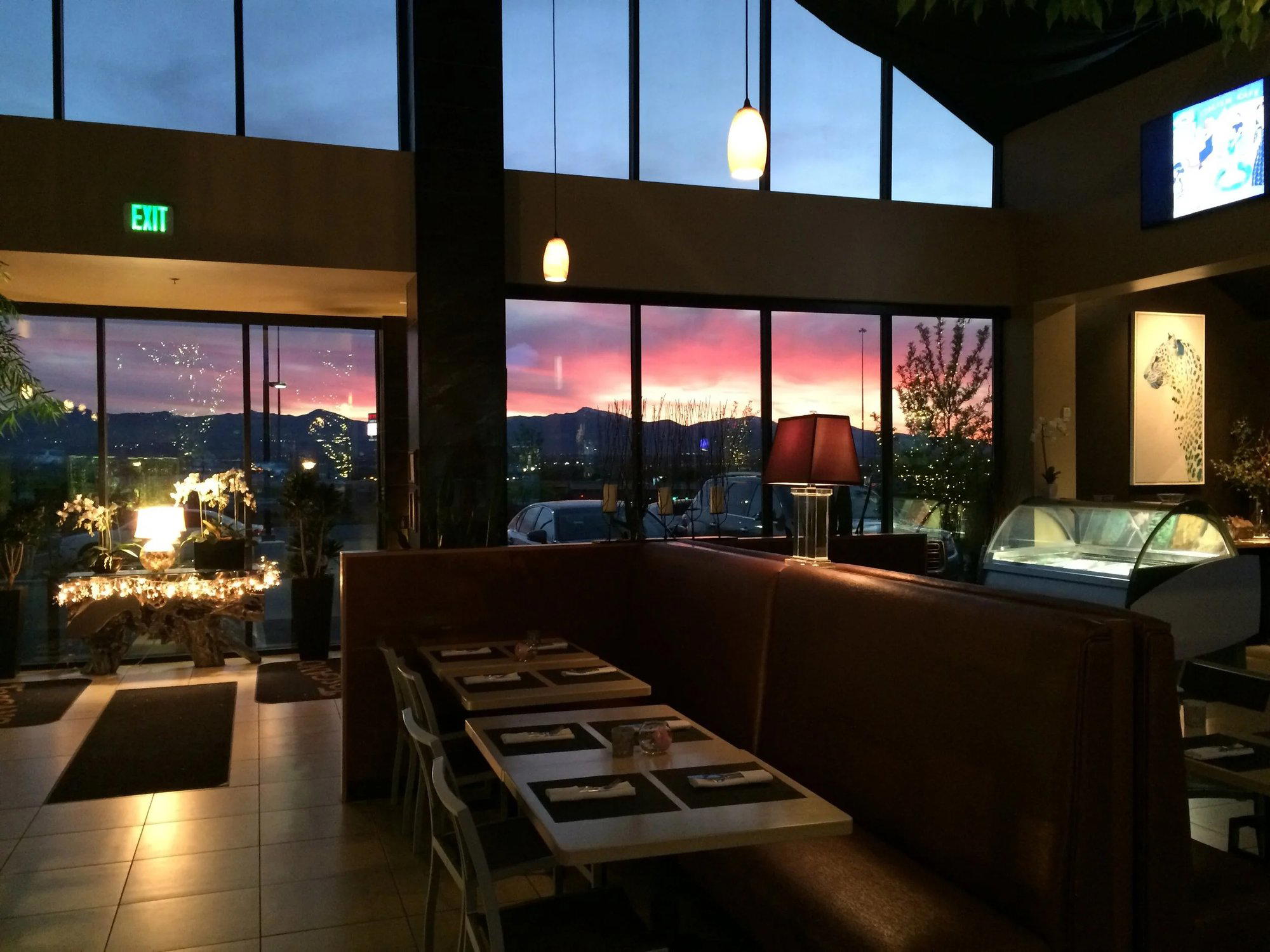
Italian Tradition in the Wasatch Corridor
Draper sits at the southern edge of Salt Lake Valley, where the Wasatch Range pushes close enough to the suburbs that the light changes noticeably by late afternoon. The dining scene here has historically run toward casual American formats, with Italian restaurants occupying a specific cultural niche: they tend to serve as the default for celebrations, for date nights that demand more than a booth and a laminated menu, and for the kind of meal where the table stays occupied for two hours. Toscano, at 11450 State St, positions itself within that tradition.
Italian cuisine in American suburban markets tends to bifurcate sharply. On one side sit the red-sauce chains standardizing Bolognese and chicken Parmesan across zip codes. On the other, a smaller tier of independent operators draws from the regional plurality of Italian cooking — the clean seafood preparations of the Ligurian coast, the braised meats of Tuscany, the rice-forward traditions of Lombardy — and tries to hold that complexity against the gravitational pull of crowd-pleasing simplification. Toscano's name signals Tuscan roots, which in culinary terms means a kitchen tradition built on restraint: few sauces, quality primary ingredients, and a preference for wood fire and dry heat over cream-heavy finishing.
Where Draper Fits in the Regional Dining Picture
Understanding Toscano's place in the local scene requires a realistic read of Draper's dining density. The city does not have the critical mass of independent restaurants that Salt Lake City's 9th and 9th neighborhood or Sugar House district supports. That means venues operating at a serious level here face a different competitive calculus than counterparts in denser urban cores. The comparison set for Draper diners making a deliberate evening-out decision often includes Goodwood Barbecue Company and The Pines, both of which anchor different ends of the local spectrum. Toscano occupies a distinct register from either, shaped by the conventions of Italian-American fine casual rather than barbecue or regional American formats.
For a broader sense of how the Draper dining scene is organized and what visitor priorities should look like, our full Draper restaurants guide maps the city's options with that kind of neighborhood-level specificity.
The Italian-American Table and What It Actually Means
American interpretations of Italian cuisine carry a long and complicated history. The red-sauce tradition that dominated the 20th century was itself a regional distillation, largely Neapolitan and Sicilian in origin, adapted to available American ingredients and working-class budgets. Tuscan-inflected cooking arrived in American dining rooms later, partly through the influence of cookbooks and food media in the 1980s and 1990s that positioned central Italian food as lighter, more wine-integrated, and more ingredient-focused than its predecessors.
A restaurant naming itself after Tuscany in 2024 is therefore making a positioning choice, not just a geographic reference. It suggests an emphasis on the bistecca tradition, on bean-based soups with good olive oil, on pasta that carries its sauce rather than drowning in it. Whether any given kitchen executes at the level that positioning implies is a different question, but the cultural framework it sets is clear. For context on how Italian cuisine sits within the broader architecture of American fine dining, it is instructive to look at what ambitious American kitchens at the level of Le Bernardin in New York City or Alinea in Chicago have absorbed from European traditions, and how far removed suburban American interpretations typically sit from those reference points.
Placing Toscano in the National Fine Dining Conversation
Italian cuisine has not been the dominant idiom in the American fine dining conversation over the past decade. The most-discussed restaurants in the country during that period have skewed toward progressive American formats like Lazy Bear in San Francisco, tasting-menu-driven modernist cooking at places like Alinea in Chicago, hyper-local sourcing programs like Blue Hill at Stone Barns in Tarrytown and Single Thread Farm in Healdsburg, or the rigorous seafood focus of Providence in Los Angeles. Venues like The French Laundry in Napa, Addison in San Diego, The Inn at Little Washington in Washington, and Bacchanalia in Atlanta have each staked out their own positions in that tier.
The conversation has also diversified beyond European traditions entirely, with Korean-rooted fine dining at Atomix in New York City, Peruvian-influenced cooking at Causa in Washington, D.C., and Emeril Lagasse's decades-long influence mapped through Emeril's in New Orleans. Even at a regional level, restaurants like Brutø in Denver demonstrate that the Mountain West dining scene is capable of producing kitchens with serious national credentials. And internationally, 8 1/2 Otto e Mezzo Bombana in Hong Kong shows how Italian fine dining can hold its own at the highest competitive tier when executed with real rigor.
A suburban Utah Italian restaurant operates at a different altitude than any of these reference points, which is not a criticism so much as a calibration. The relevant question for Draper diners is not whether Toscano competes with Manhattan or Hong Kong but whether it fulfills its local role: providing a dinner that justifies the deliberate choice over the corridor's defaults.
Planning a Visit
Toscano is located at 11450 State St in Draper, Utah, which places it along one of the main commercial arteries running through the southern valley. The address is accessible by car from both I-15 and the surrounding residential areas; street-level parking is the standard format in this part of Draper. Visitors arriving from Salt Lake City proper should budget roughly twenty to thirty minutes depending on I-15 traffic, which can compress or expand significantly during evening peak hours. Booking details, current hours, and any seasonal schedule changes are best confirmed directly through the venue, as this information falls outside what can be reliably published in advance.
Continue exploring
More in Draper
Restaurants in Draper
Browse all →
Bars in Draper
Browse all →
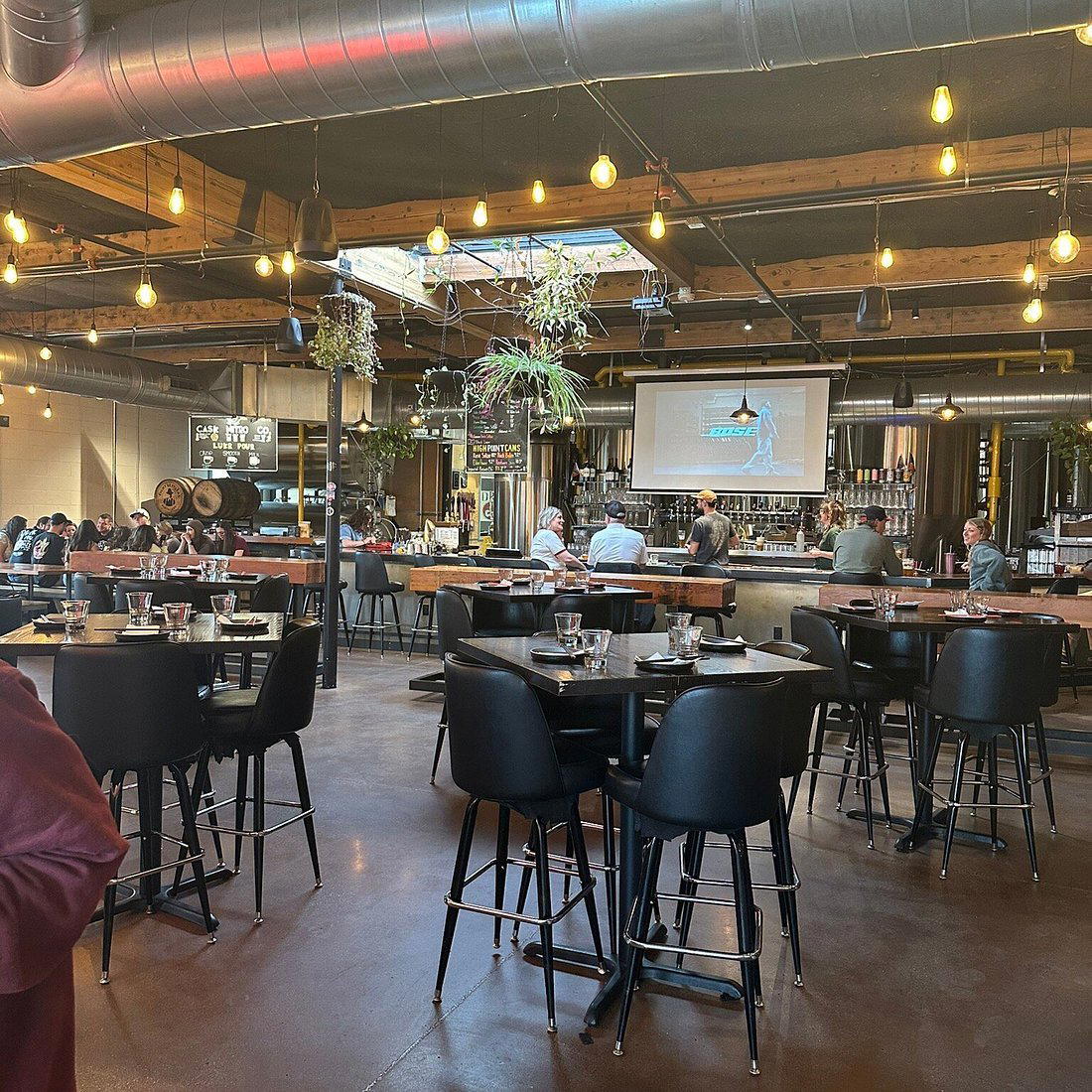
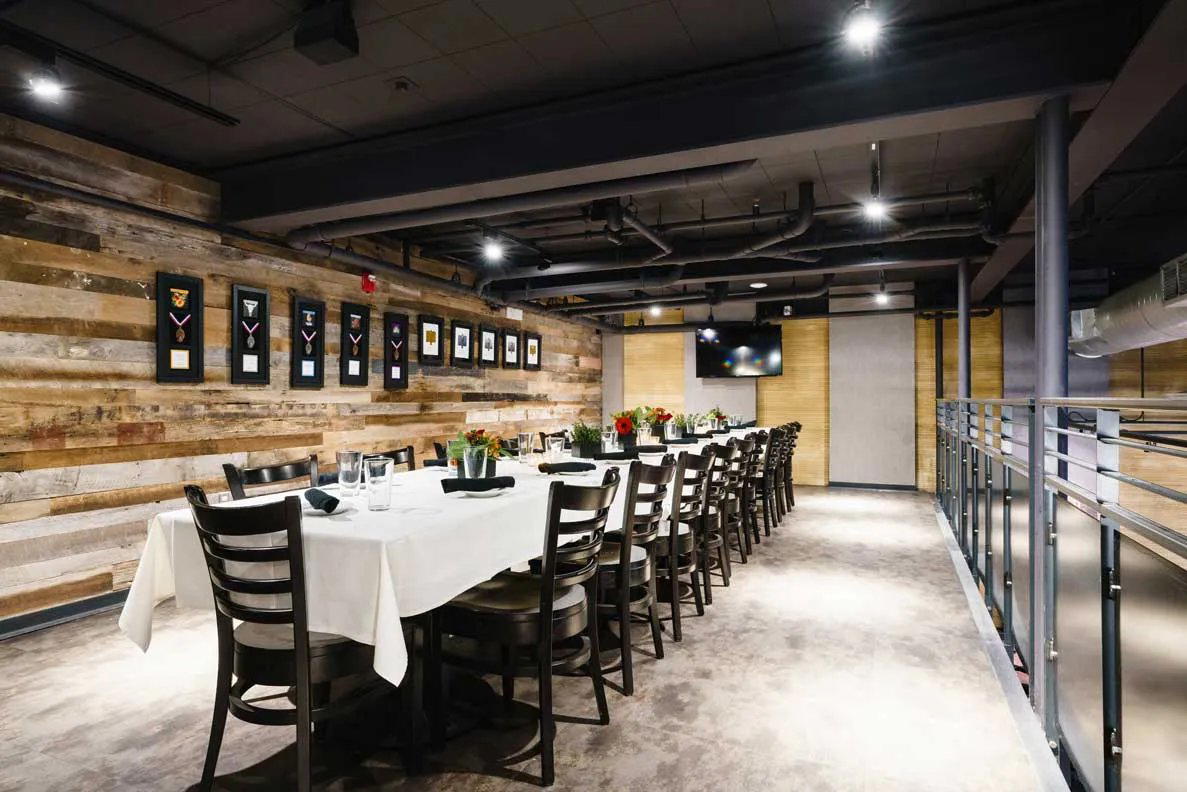
Hotels in Draper
Browse all →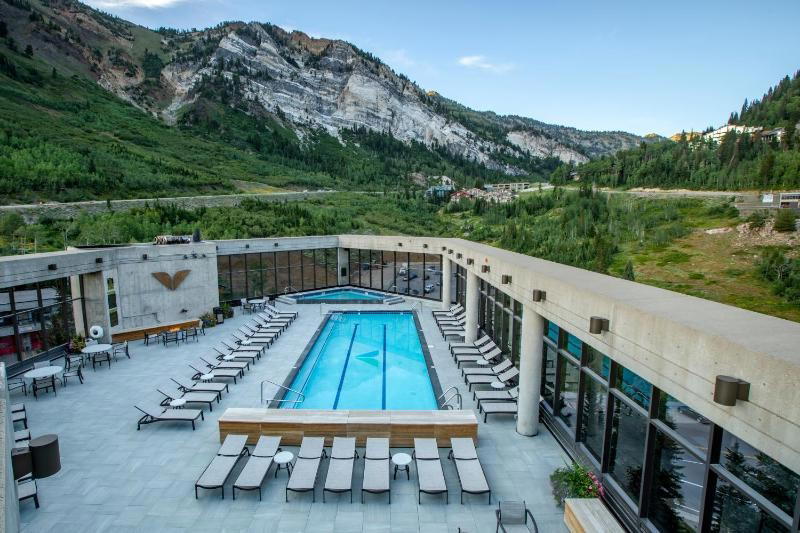
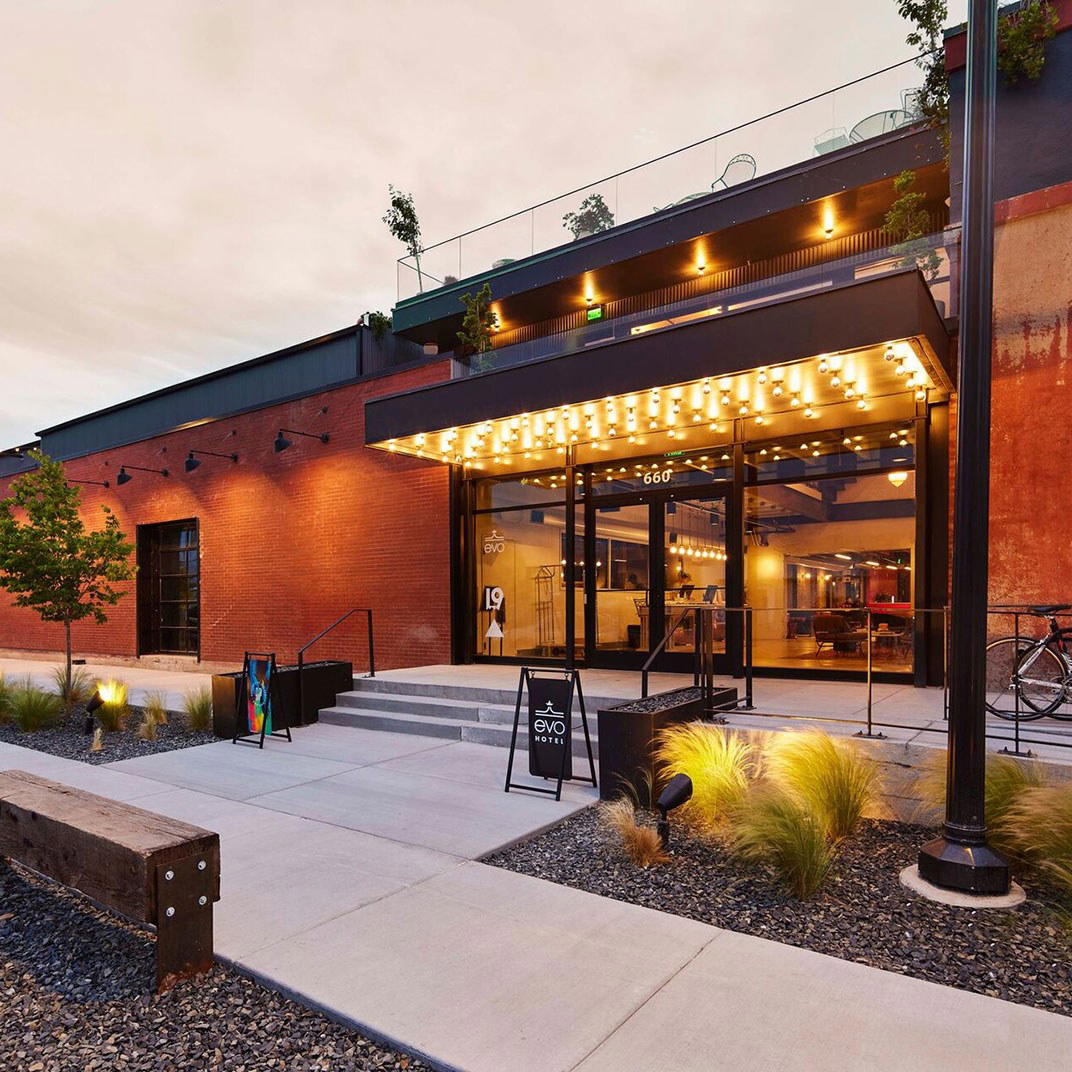
Wineries in Draper
Browse all →
At a Glance
- Modern
- Elegant
- Scenic
- Business Dinner
- Group Dining
- Family
- Celebration
- Special Occasion
- Private Dining
- Terrace
- Panoramic View
- Garden
- Local Sourcing
- Farm To Table
- Mountain
Current opening hours
- Monday
- 11 AM–9 PM
- Tuesday
- 11 AM–9 PM
- Wednesday
- 11 AM–9 PM
- Thursday
- 11 AM–9 PM
- Friday
- 11 AM–10 PM
- Saturday
- 4–10 PM
- Sunday
- 4–9 PM
Hours can change for holidays and private events. Last verified .
Inviting sleek exterior with floor-to-ceiling window walls permitting vast natural lighting and sunset vistas, creating a pre-eminent South Valley dining environment.
Know Before You Go
- Getting there
- 11450 State St, Draper, UT 84020