
Tabelog 100 #34
Our verdict
Ame wa, Yasashiku NO,2 belongs to Sapporo’s serious ramen circuit rather than its tourist shorthand: a seven-seat counter working in chicken paitan, tsukemen, and creative ramen, with Hokkaido scallop paste as its defining idea. Tabelog selected it for Ramen HOKKAIDO 100 in 2024 and 2025, placing it among the city’s more closely watched noodle rooms.

Pearl is the En Primeur Club membership app, where members save venues, book tables and use the concierge.
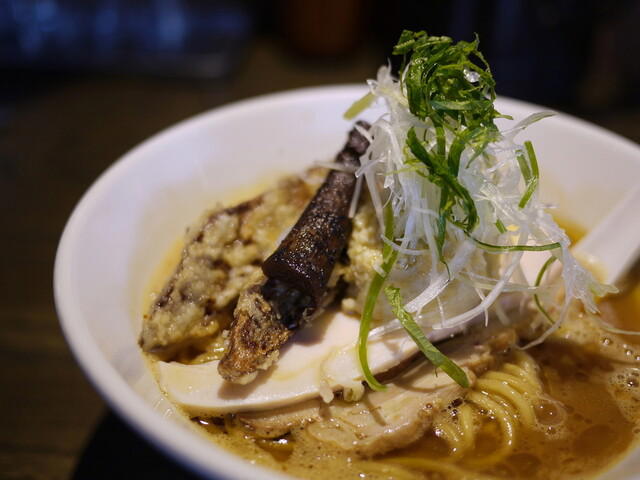
The menu
What to order
- Chicken Paitan Ramen with Hokkaido scallop paste
- Scallop Chicken Paitan Ramen
Approach this Higashi-ku corner expecting the opposite of Sapporo’s neon ramen mythology. The room is compact, counter-led, and built around ramen choreography: broth, tare, noodles, garnish, handoff. In a city where visitors often hunt miso ramen as one category, Ame wa, Yasashiku NO,2 reflects a newer Sapporo habit: small shops testing richer poultry broths, dipping noodles, and seafood accents without turning the bowl into theatre.
The core idea is chicken paitan ramen with Hokkaido scallop paste, a local inflection that fits the region. Hokkaido ramen culture has long absorbed butter, corn, miso, crab, and dairy into the visitor imagination, but the sharper modern move is subtler: regional seafood as a seasoning engine rather than postcard garnish. Here, scallop paste is the shop’s clearest editorial signal, aligning a creamy chicken base with a northern marine accent. That puts it apart from classic Sapporo miso shops and from the spice-led appeal of 175°DENO Tantanmen Sapporo kitaguchi ten, where the decision is about heat, sesame, and Sichuan-style intensity.
Chicken paitan, scallop paste, and the new Sapporo ramen grammar
Sapporo remains a ramen city with strong inherited forms, but its more interesting counters now act less like monuments than laboratories. Chicken paitan gives body and sweetness without pork-bone heaviness; tsukemen shifts attention to noodle texture and dipping concentration; creative ramen allows local accents. Ame wa, Yasashiku NO,2 sits in that overlap, listed across ramen, tsukemen, and creative categories, with Hokkaido scallop paste giving the concept a regional spine rather than a generic fusion label.
The recognition is not incidental. Selection for Tabelog Ramen HOKKAIDO 100 in both 2024 and 2025 places the shop inside a crowded, locally scrutinised field. Tabelog’s ramen lists matter not because they settle taste, but because they show which counters sustain attention in a market competing on repeat visits, short service windows, and fine broth differences. A 3.60 score in this category is meaningful in Japan’s rating culture, where casual shops can be judged as severely as formal dining.
That context matters for travellers. Sapporo dining is not only ramen, and a smart itinerary should not treat the city as a single-bowl stop. Soup curry, Indo-style curry, bakeries, izakaya, and hotel dining have their own lanes. For curry, [Curry Senmon Ten] Maruyama Kyoju., Ajanta Indo Curry Ten, and Ajanta Sohonke map another comfort-food tradition; Aigues Vives widens the frame beyond noodles. The point is sequencing: ramen here rewards focus, not overloading one day with too many bowls.
A seven-seat counter where the team has little room to hide
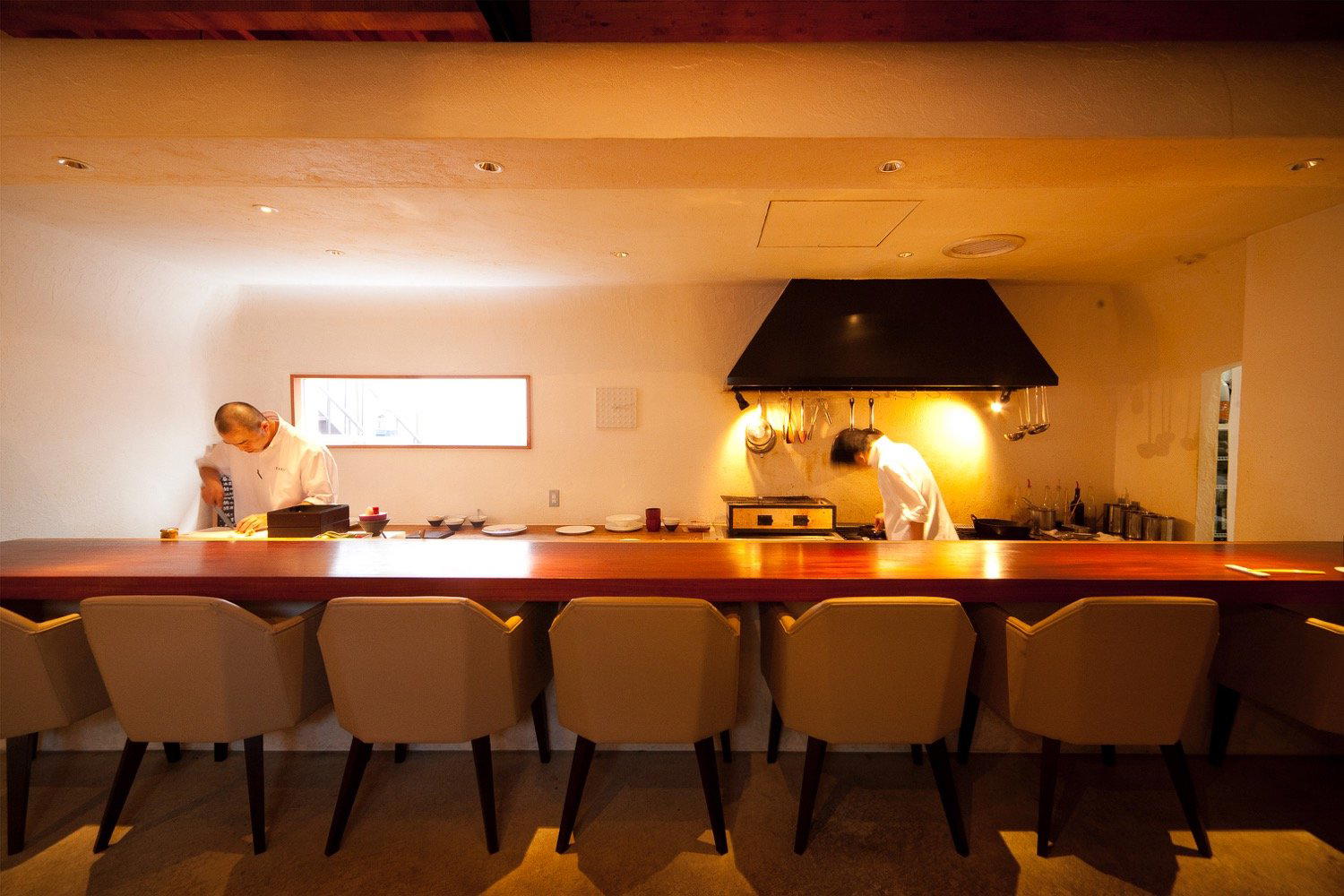
The counter-only format changes the meal. Seven seats make every movement visible: the kitchen must pace noodles, broth, paste, and service without a large dining-room buffer. In ramen, team dynamic matters more than biography. The person handling the bowl, the person managing the queue, and whoever controls counter timing all shape the result. A shop this size has little tolerance for slack; a late handoff or uneven flow is felt immediately by the next waiting diner.
That intimacy also explains why no-reservation ramen is its own discipline in Japan. The JPY 1,000 to JPY 1,999 lunch and dinner band keeps the meal accessible by premium-travel standards, but scarce seating and ingredient-based service create the real cost: time. This is not a drawn-out tasting-menu commitment, but a short, concentrated meal best treated as a timed counter stop, not a flexible backup between larger plans.
Compared with Sapporo peers, the position is clear. Ramen Hoppeya sits in a lower listed price bracket, while Ramen Sapporo Ichiryuan reaches higher at dinner and overlaps at lunch. Soup Curry Okushiba Shoten Ekimae souseiji shares a similar everyday price band but belongs to another Sapporo category. The appeal of Ame wa, Yasashiku NO,2 is not luxury pricing or elaborate service, but a compact format using a specific northern ingredient idea inside a serious ramen framework.
How to place it in a Sapporo food itinerary
The shop suits travellers staying around the station area because the address is in Higashi-ku, north-east of central Sapporo’s main hotel and retail spine. It is close enough for a day around the station, Sapporo Factory, or a casual-dining crawl, but the small counter argues against using it as a late backup. Hours vary: weekday lunch service, Friday and Saturday evening service, and Sunday daytime service; service ends when ingredients sell out. Monday closure is listed, and closures can change, so timing matters more than formality.
The practical details are unusually friendly for a small ramen shop. Payment includes credit cards, transport IC cards, several electronic-money systems, and QR payments, removing a common friction of casual dining in Japan. There is no parking and no private rooms. The room is non-smoking, children are welcome, and strollers are accepted, though the seven-seat counter means families should plan timing and pace carefully. Solo diners fit naturally.
For a broader Sapporo plan, use Our full Sapporo restaurants guide to balance ramen with curry, seafood, and contemporary Japanese dining. The city’s hospitality circuit is better read together: Our full Sapporo hotels guide helps anchor neighbourhood choices, while Our full Sapporo bars guide, Our full Sapporo wineries guide, and Our full Sapporo experiences guide widen the trip beyond the lunch counter. Travellers building a Japan-wide food route can also compare format and regional focus through -Grilled beef Sukiyaki- KAMAKURA TANUKIAN 鎌倉 たぬき庵 in Kamakura. 鮪と炭火焼き うお炭 秋葉原店 in Tokyo.cafe in Osaka.know in Kumamoto, (Shoku) Vietnam in Kawasaki, [ki:] in Kyoto, Jōdo Saké Bar in Los Angeles, and Onigiri Time in Pasadena.
The verdict is concise: this is a small Sapporo ramen counter for diners who care about bowl mechanics as much as the brand name. Hokkaido scallop paste gives the chicken paitan a local argument, Tabelog Ramen HOKKAIDO 100 selections confirm sustained attention, and the seven-seat format keeps the experience focused. Plan around timing, arrive with patience, and treat it as one sharp ramen stop rather than a general-purpose restaurant.
Frequently asked questions
What's the price range at Ame wa, Yasashiku NO,2?
Pricing at Ame wa, Yasashiku NO,2 is listed as JPY 1,000 - JPY 1,999 JPY 1,000 - JPY 1,999.
Where is Ame wa, Yasashiku NO,2 in Sapporo?
Ame wa, Yasashiku NO,2 is located in Sapporo.
How hard is it to get a table at Ame wa, Yasashiku NO,2?
Reservations are unavailable, and the dining room has just 7 counter seats. That makes the queue the main variable, especially during the lunch and short dinner windows listed for Sapporo.
What's the defining dish or idea at Ame wa, Yasashiku NO,2?
The clearest point of reference is chicken paitan ramen, with the award listing also placing the shop in ramen, tsukemen, and creative categories. It won Tabelog 100 Ramen HOKKAIDO 2025, which gives the place a stronger frame than a standard neighborhood bowl shop.
Is Ame wa, Yasashiku NO,2 good for vegetarians?
The venue’s named focus is chicken paitan ramen, so it is built around poultry-based broth rather than vegetarian cooking. For a vegetarian diner in Sapporo, this is not an obvious fit; the address at 北海道札幌市東区北七条東3-1-1 points to a ramen counter, not a veg-led menu.
The Short List
Comparable venues to calibrate price, style, and recognition.
| Venue | Cuisine | Price | Awards | Notes |
|---|---|---|---|---|
| Ame wa, Yasashiku NO,2This venue (the venue you are viewing) | Modern Sapporo ramen (chicken paitan & scallop) | $10–20 | Tabelog 100 #34 | Not listed |
| Ramen Hoppeya | Traditional Sapporo ramen & tsukemen | $10–20 | Tabelog 100 #15 | JPY 999 - JPY 999 |
| Ramen Sapporo Ichiryuan | Hokkaido miso ramen | $10–20 | Tabelog 100 #88 | JPY 2,000 - JPY 2,999 JPY 1,000 - JPY 1,999 |
| Soup Curry Okushiba Shoten Ekimae souseiji | Hokkaido shrimp-broth soup curry | $20–30 | Tabelog 100 #99 | JPY 1,000 - JPY 1,999 JPY 1,000 - JPY 1,999 |
| SKY RESTAURANT “TANCHO” | Japanese Kaiseki | Not listed | Not listed | Not listed |
| Restaurant & Bar “SKY J” | International Hotel Dining with Hokkaido Ingredients | Not listed | Not listed | Not listed |
Recognition history
Dated appearances from independent guides and award organizations, with the underlying list record or original source where available.
Tabelog 100 #34 · No. 34
Tabelog · Tabelog 100 - Ramen - HOKKAIDO - 2025
Continue exploring
More in Sapporo
Restaurants in Sapporo
All restaurants in Sapporo →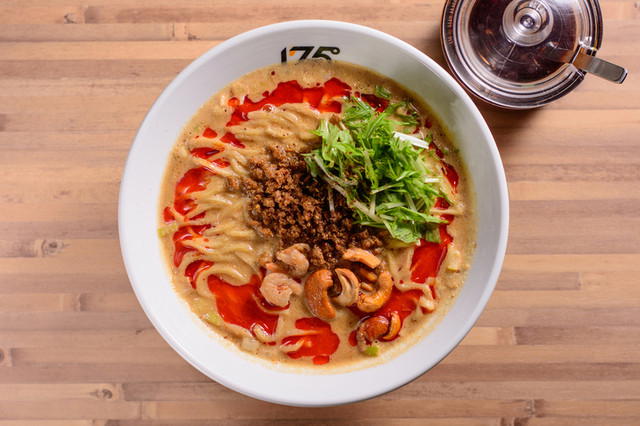
Bars in Sapporo
All bars in Sapporo →
Details
- Cozy
- Modern
- Trendy
- Solo
- Family
- Casual Hangout
- After Work
- Late Night
- Chefs Counter
- Standalone
- Local Sourcing
- A La Carte
- Counter Dining
- Beer
- Soft Drinks
- Tea
A small, stylish counter-only ramen shop with a relaxed, cozy atmosphere and spacious-feeling seating for its size, suited both to solo diners and casual family visits.