Torikizoku
Torikizoku on Hawthorne Boulevard sits inside Torrance's dense cluster of Japanese dining options, where yakitori-style formats have carved a loyal following among diners who prefer the grill over the sushi counter. The address places it alongside a corridor of Japanese-adjacent venues that collectively reflect the South Bay's deep ties to Japanese food culture. Expect a focused menu built around skewered chicken in a casual, counter-friendly setting.
Pearl is the En Primeur Club membership app — saves, bookings, and concierge access live there. Same editors, same standards.
- Address
- 21839 Hawthorne Blvd, Torrance, CA 90503
- Phone
- +13108506785
- Website
- torikizoku-usa.com
- Directions
- Get directions
 Saves & bookings on Pearl
Smoke, Skewer, and the Logic of the Yakitori Format
Walk into any serious yakitori house and the experience announces itself before the menu does: the smell of binchotan smoke, the low hum of a grill working at close range, the choreography of skewers arriving in deliberate sequence rather than all at once. That sequencing is not incidental. It is the structural grammar of yakitori dining, a format that rewards patience and repetition over abundance. Torikizoku, at 21839 Hawthorne Blvd in Torrance, California, is a Japanese Yakitori Izakaya with a casual dress code, walk-in friendly service, and an average price of about $20 per person.
Torrance is not a city that needs to announce its Japanese dining credentials. The density of Japanese restaurants per capita in the South Bay rivals pockets of the San Gabriel Valley, and the Hawthorne Boulevard strip in particular has long attracted operators who read the demographics accurately. Among that comparable set, venues running a yakitori or izakaya format tend to attract a clientele that already understands the rhythm of the meal, which changes the whole dynamic at the table. You are not explaining the format. You are executing it.
How a Yakitori Meal Actually Unfolds
The yakitori progression differs from tasting-menu sequencing at places like Alinea in Chicago or The French Laundry in Napa in one important respect: the architecture here is built on repetition with variation, not escalation toward a single climactic course. Where a restaurant like Le Bernardin in New York City builds each course as a distinct chapter, a yakitori counter builds its meal more like a playlist, returning to familiar proteins in different preparations, different cuts, different seasonings.
In practice, this means the early skewers tend to arrive with lighter treatments: salt over tare, leaner cuts over fattier ones. As the meal moves forward, the richer preparations follow. A well-managed yakitori progression moves through thigh meat before it reaches skin, through breast before it reaches cartilage or liver, with rice or ochazuke arriving at the close to anchor the palate. The format rewards diners who pace themselves and order incrementally rather than front-loading the table.
This sequencing logic sets yakitori apart from the more freewheeling izakaya format practiced at places like Hasu Izakaya & Grill in the same city, where the menu invites more lateral movement between dishes. Both formats are valid; they simply produce different dining experiences and different pacing at the table.
Torrance's Japanese Dining Corridor in Context
The Hawthorne Boulevard strip where Torikizoku sits has a character distinct from, say, Gardena's older Japanese dining cluster or the newer wave of omakase-oriented rooms opening across the South Bay. The corridor runs casual to mid-range, with a strong representation of formats that translate well for both Japanese expatriate diners and second-generation Japanese Americans who grew up eating this way. It is a neighbourhood built for frequency, not occasion dining.
That distinction matters. Occasion dining gravitates toward Michelin-tracked rooms or the kind of farm-to-table narrative you find at Blue Hill at Stone Barns in Tarrytown or tightly curated seasonal formats like Single Thread Farm in Healdsburg. Torrance's Hawthorne strip is doing something different. It is serving the kind of food that people return to weekly, that fills a specific craving rather than a calendar occasion. Torikizoku fits that pattern.
The broader Torrance dining scene accommodates a range of registers. Depot anchors the more formal end of the local market; Bazille handles European-leaning casual; Chado Tea Room serves a quieter, slower afternoon crowd; and Gaetano's Restaurant holds down the Italian end of the corridor. Torikizoku slots into the Japanese casual tier, where the competitive set is denser but so is the audience.
The Case for Chicken as a Serious Ingredient
Yakitori's cultural staying power in Japan, and increasingly in the United States, rests on an argument that most Western dining traditions resist: that chicken, handled with rigor, is a genuinely interesting ingredient. The leading yakitori operations source with specificity, grilling over real charcoal, and serve parts of the bird that Western menus typically discard. Neck, heart, liver, gizzard, cartilage, skin. In the yakitori format, these are not supporting characters. They are the point.
Korean-influenced formats at restaurants like Atomix in New York City have made a similar argument about offal and secondary cuts in a fine-dining register. Yakitori makes that argument in a more democratic format, at a lower price point, with charcoal doing most of the narrative work. The grill is the technique; the sourcing is the story; the cut is the variation.
For diners coming from a more European-lineage fine dining background, where the reference points run from Providence in Los Angeles to Addison in San Diego or Emeril's in New Orleans, a yakitori counter can feel disorienting at first. The menu is compact. The service is fast. The progression is built on repetition rather than variety. Once the format clicks, though, the logic becomes hard to argue with. See also the way Korean fine dining has pursued similar restraint-through-repetition structures at 8 1/2 Otto e Mezzo Bombana in Hong Kong for a different cultural take on sequenced precision.
Planning Your Visit
Torikizoku is located at 21839 Hawthorne Blvd, Torrance, CA 90503, on a stretch that runs parallel to the 405 and is accessible from both the Torrance Transit network and by car, with street and surface lot parking available along the boulevard. For a format like this, arriving without a fixed itinerary and ordering in rounds produces the leading result. Start lighter, build into the richer skewers, and close with something starchy.
Recognition, Side-by-Side
Comparable venues nearby, for context on price, style, and recognition.
| Venue | Cuisine | Price | Notes |
|---|---|---|---|
| TorikizokuThis venue — the venue you are viewing | Japanese Yakitori Izakaya | $ | Not listed |
| Bazille | New American Bistro | $$ | Del Amo |
| The Brews Hall - Del Amo | Multi-Concept Food Hall with Breweries | $$ | Del Amo |
| Kagura | Traditional Japanese Tonkatsu | $$ | Old Torrance |
| Iccho | Japanese Izakaya | $$ | Rolling Hills Plaza |
| Kimukatsu | Japanese Mille-Feuille Katsu | $$ | Torrance |
Continue exploring
More in Torrance
Restaurants in Torrance
Browse all →
Bars in Torrance
Browse all →
Hotels in Torrance
Browse all →
Wineries in Torrance
Browse all →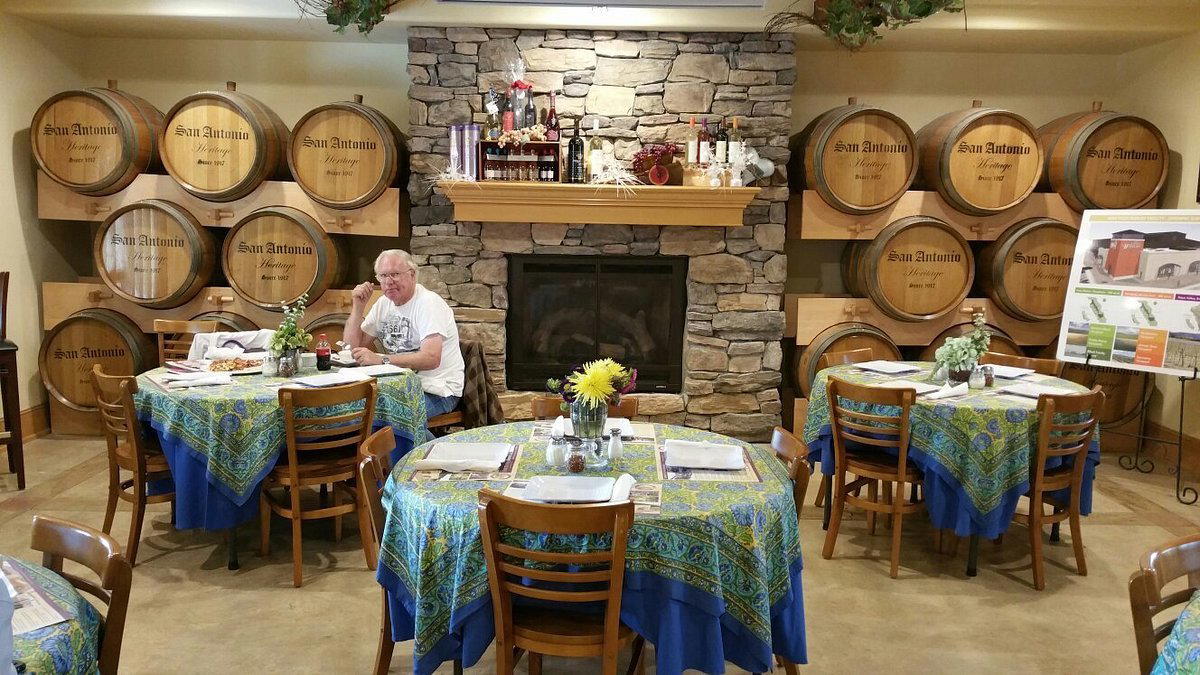
At a Glance
- Lively
- Energetic
- Casual Hangout
- Group Dining
- After Work
- Open Kitchen
- Sake Program
- Beer Program
Current opening hours
- Monday
- Closed
- Tuesday
- 11:30 AM–2 PM, 5–9:30 PM
- Wednesday
- 11:30 AM–2 PM, 5–9:30 PM
- Thursday
- 11:30 AM–2 PM, 5–9:30 PM
- Friday
- 11:30 AM–2 PM, 5–9:30 PM
- Saturday
- 5–9:30 PM
- Sunday
- 5–9 PM
Hours can change for holidays and private events. Last verified .
Boisterous dining room with open grilling.