Depot
Depot occupies a converted train depot in Old Torrance, anchoring the neighbourhood's dining scene with a format that rewards unhurried eating. The restaurant draws a loyal local following and sits comfortably within Torrance's more considered dining tier, where the ritual of the meal matters as much as what arrives on the plate. Plan ahead: the address is 1250 Cabrillo Ave, Torrance, CA 90501.
Pearl is the En Primeur Club membership app — saves, bookings, and concierge access live there. Same editors, same standards.
- Address
- 1250 Cabrillo Ave, Torrance, CA 90501
- Phone
- +13107877501
- Website
- depotrestaurant.com
- Directions
- Get directions
 Saves & bookings on Pearl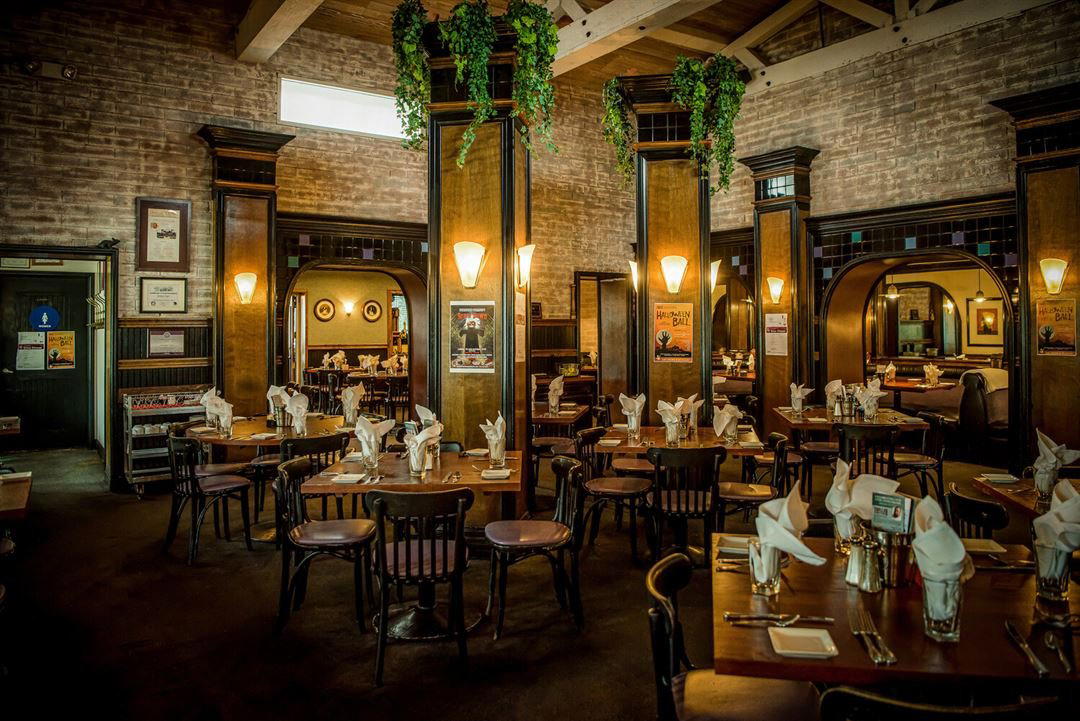
A Station Built for Sitting Still
Old Torrance has a quieter relationship with dining than its South Bay neighbours. The neighbourhood moves at a pace that rewards restaurants built around the act of eating rather than the theatre of arrival, and Depot fits that rhythm precisely. Housed in a converted train depot at 1250 Cabrillo Ave, the building carries the structural memory of transit infrastructure: high ceilings, a solidity to the walls, the sense that the space was designed for people who had time to wait and, eventually, time to eat. That architectural context shapes the dining ritual before a single dish reaches the table.
Across California's mid-tier dining scene, the format question matters more than it once did. Diners choosing between fast-casual volume and longer, more considered sit-down experiences increasingly sort themselves by how much of an evening they want to surrender. Depot positions itself clearly in the latter category. The physical environment signals this: a repurposed historic building is not incidental decoration but a structural commitment to a certain pacing of hospitality.
How the Meal Unfolds
The dining ritual at places like Depot is shaped as much by setting as by menu. In restaurants that occupy buildings with genuine age and civic history, there is an implicit contract with the guest: the space will not rush you, and you should not rush it. This is a different register from the efficient counter service that dominates much of Torrance's dining offer, and it positions Depot alongside the handful of spots in the area where a meal is expected to take the full arc of an evening.
Torrance's dining scene has historically tilted toward Japanese cuisine, a reflection of the city's significant Japanese-American population and the corporate presence of Japanese firms in the area. That context produces genuinely serious izakaya and ramen at addresses like Hasu Izakaya & Grill and precise Japanese counter dining at Iccho. Depot operates in a different register within the same city, anchoring the Old Torrance end of the market where the built environment and neighbourhood character point toward a more American dining tradition.
For readers who have followed the evolution of destination-level American dining through restaurants like Lazy Bear in San Francisco or Smyth in Chicago, the comparison is not direct but the broader principle holds: the most durable neighbourhood restaurants are those where the format and the setting reinforce each other. A converted depot that invites unhurried dining is making a structural argument about how a meal should feel.
Situating Depot in the South Bay Dining Context
The South Bay dining corridor runs from Redondo Beach through Hermosa and Manhattan Beach before turning inland toward Torrance and Hawthorne. Within that geography, the dining density and ambition are unevenly distributed. Manhattan Beach draws higher-ticket hospitality investment; Torrance has historically been more functional, oriented toward neighbourhood regulars rather than destination visitors.
That is changing incrementally. Old Torrance, in particular, has seen its dining identity consolidate around a small cluster of independent operators. Gaetano's Restaurant anchors the Italian-American end of the spectrum; Chado Tea Room occupies a more specialist position around tea culture; Bazille operates within a retail hospitality context. Depot sits among these as the option most architecturally and temperamentally suited to a full evening commitment. The full range of what Torrance's dining scene offers is mapped in our full Torrance restaurants guide.
The comparison set beyond the immediate neighbourhood is worth tracing. American restaurants that have made the most of historic or industrial buildings, from Emeril's in New Orleans to Blue Hill at Stone Barns in Tarrytown, have found that the building does substantial editorial work for the dining experience. Depot operates at a different price point and ambition level than those addresses, but the underlying logic, that a building with history communicates something about the seriousness of the hospitality within, is shared.
California's more formally ambitious end of the dining spectrum runs through addresses like Providence in Los Angeles, The French Laundry in Napa, Addison in San Diego, and Single Thread Farm in Healdsburg. Depot does not compete in that tier, nor does it try to. Its role in the local ecosystem is more neighbourhood-anchoring: a place that sustains the kind of sit-down dining culture that gives Old Torrance its modest but genuine character as a dining district.
For readers who track American fine dining at the national level through venues like Le Bernardin in New York City, The Inn at Little Washington, or Atomix in New York City, Depot represents the other end of the same continuum: the neighbourhood institution that keeps a local dining culture functional between the destination-level occasions. That role is less glamorous but arguably more load-bearing for how a city's dining identity actually sustains itself day to day.
Planning a Visit
Depot is located at 1250 Cabrillo Ave in Old Torrance, within walking distance of the neighbourhood's other independent dining operators. Street parking is available in the surrounding blocks, and the area is navigable on foot once you arrive. Because the venue occupies a historic building with a fixed footprint, table availability during peak evening hours follows the pattern typical of well-established neighbourhood restaurants in this part of Los Angeles County: checking ahead rather than arriving speculatively is the more reliable approach. Phone and website details were not available at the time of writing, so approaching via a booking platform or direct contact through the address is the recommended starting point.
For international context, the dining ritual at Depot has more in common with the unhurried European model, where a table is held for an evening and the meal is expected to develop across multiple courses and stretches of conversation, than with the faster American turnover format. Venues like Atelier Moessmer Norbert Niederkofler in Brunico represent the far end of that committed dining philosophy; Depot occupies a more accessible position on the same spectrum.
How Depot Torrance compares with similar nearby venues.
| Venue | Cuisine |
|---|---|
| Miyabi Uni | Japanese |
Continue exploring
More in Torrance
Restaurants in Torrance
Browse all →
Bars in Torrance
Browse all →
Hotels in Torrance
Browse all →
Wineries in Torrance
Browse all →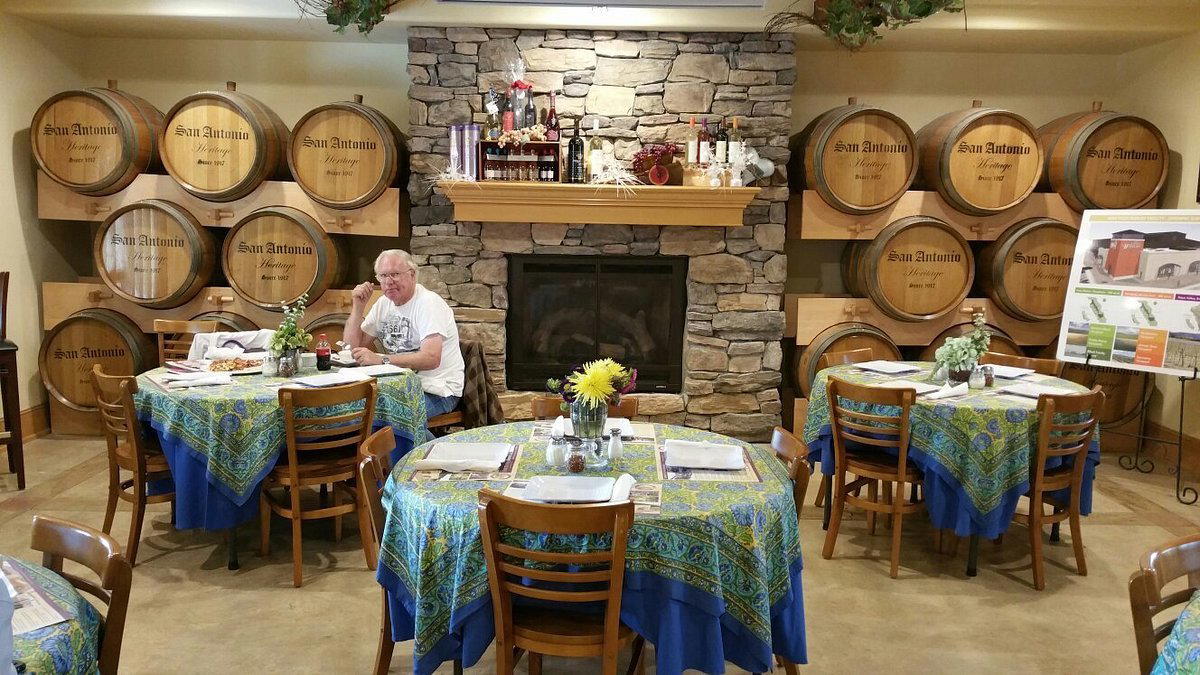
At a Glance
- Elegant
- Sophisticated
- Date Night
- Special Occasion
- Business Dinner
- Private Dining
Current opening hours
- Monday
- Closed
- Tuesday
- 11 AM–2 PM, 5–9 PM
- Wednesday
- 11 AM–2 PM, 5–9 PM
- Thursday
- 11 AM–2 PM, 5–9 PM
- Friday
- 11 AM–2 PM, 5–9 PM
- Saturday
- 5–9 PM
- Sunday
- Closed
Hours can change for holidays and private events. Last verified .
Elegant fine dining atmosphere with sophisticated lighting and occasional live blues music.
Know Before You Go
- Getting there
- 1250 Cabrillo Ave, Torrance, CA 90501