Kimukatsu
Our verdict
Kimukatsu brings the specialized craft of Japanese tonkatsu to Torrance, a city whose Japanese-American dining scene runs deeper than most of coastal Southern California. The format is narrow by design: pork cutlets layered and fried to a precise standard, served in a spare setting where the cooking is the entire argument. In a South Bay corridor that rewards this kind of focused Japanese cooking, Kimukatsu earns its place.

Pearl is the En Primeur Club membership app, where members save venues, book tables and use the concierge.
The menu
What to order
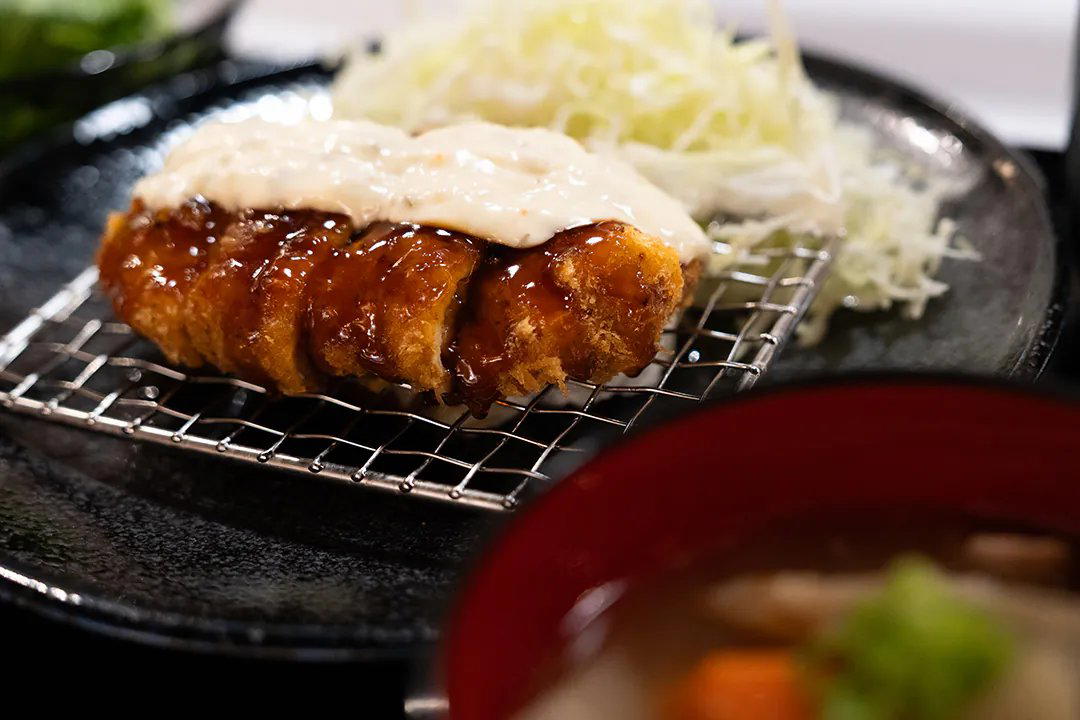
- Mille-Feuille Katsu
- Gozen Set
The Discipline Behind the Cutlet
There is a particular kind of Japanese restaurant that resists the pressure to diversify. No sushi rolls added to placate the undecided, no fusion pivot toward a broader audience. The tonkatsu specialist is one of the most demanding of these single-discipline formats, because the entire proposition rests on the quality of one technique: frying. The margin between a crust that shatters cleanly and one that turns greasy under its own steam is measured in seconds and oil temperature. Kimukatsu, operating in Torrance, California, belongs to this discipline-first tradition, where a narrow menu is not a limitation but an argument about craft.
Torrance itself provides useful context. The South Bay city has one of the most concentrated Japanese and Japanese-American dining corridors in greater Los Angeles, with a residential community that arrived in significant numbers through the mid-twentieth century and sustained a food culture that now draws diners from across the county. Where other Los Angeles neighborhoods absorbed Japanese restaurants as trend, Torrance absorbed them as infrastructure. The result is a dining scene that can support specialists, not just generalists, and that exercises enough collective knowledge to hold those specialists to account. Kimukatsu operates inside that environment.
Simplicity as a Standard
The editorial angle on tonkatsu is the same one that applies to ramen, udon, and soba: simplicity does not reduce the skill requirement, it concentrates it. A bowl of ramen with a clean, long-cooked broth and properly tensioned noodles demands more precision than a dish layered with competing components that can mask a weak foundation. Tonkatsu operates on the same logic. The breading, the fry time, the quality of the pork, the sharpness of the knife used to portion it, the rest period after frying so the interior finishes without steaming the crust from within, all of these variables are exposed rather than hidden.
Kimukatsu's particular contribution to this format, consistent with its Tokyo-origin positioning, is the layered cutlet construction, where the pork is not a single thick slab but multiple thin sheets pressed together. This approach changes the texture calculus significantly. Each layer retains some individual character, and the resulting cross-section presents differently than a conventional tonkatsu. It is a technique that requires more preparation time and more consistent knife work, and it places the restaurant in a niche category within an already specialist cuisine. In the broader context of Los Angeles Japanese dining, where thick-cut loin tonkatsu has become more common at izakayas and general Japanese menus, a restaurant that commits exclusively to the layered format represents a distinct position.
Where Kimukatsu Sits in the Torrance Scene
The Torrance dining scene distributes across several distinct register levels. At the upper end of the city's Japanese dining, you find izakaya-format venues like Hasu Izakaya & Grill, which carry broader menus and a social drinking dimension that tonkatsu specialists do not attempt to replicate. At the non-Japanese end, institutions like Depot and Gaetano's Restaurant anchor a different kind of neighborhood loyalty. Kimukatsu occupies neither of those positions. It is closer to the specialist category alongside venues like Chado Tea Room, which builds its entire premise around depth of knowledge in a single discipline, tea in that case, fried pork in this one.
This kind of specialist positioning is not unique to Torrance. The comparison holds across the high end of American dining, where restaurants that commit absolutely to one format, whether that is the prix-fixe tasting format of Lazy Bear in San Francisco or the ingredient-forward discipline of Blue Hill at Stone Barns in Tarrytown, tend to generate a more durable kind of credibility than those that spread across categories. The ambition scales differently across those examples, obviously, but the underlying logic applies: a clear, defensible thesis about what you do and why tends to age better than a broad appeal.
For a thorough map of where Kimukatsu fits within the full South Bay picture, the full Torrance restaurants guide covers the city's dining distribution across all cuisine categories and price tiers. Other landmark American dining programs discussed in EP Club's coverage include Le Bernardin in New York City, Alinea in Chicago, The French Laundry in Napa, Providence in Los Angeles, Addison in San Diego, Single Thread Farm in Healdsburg, Atomix in New York City, Emeril's in New Orleans, The Inn at Little Washington, and 8 1/2 Otto e Mezzo Bombana in Hong Kong, each representing the committed specialist approach at different scales and price points. For department-store dining context in the same city, Bazille rounds out the Torrance picture at the opposite end of the cuisine spectrum.
Planning a Visit
Specific pricing, hours, and reservation details for Kimukatsu in Torrance were not available at the time of this writing. The practical recommendation is to contact the restaurant directly or check current listings before visiting, since tonkatsu specialists in Japanese-American dining corridors often maintain hours that differ from general-category restaurants, with earlier closings and occasional lunch-only formats. Torrance's Japanese dining concentration means the area rewards dedicated visits: a single trip can cover multiple format categories, from Kimukatsu's fried-cutlet discipline to broader izakaya programming nearby, without leaving the South Bay.
Frequently asked questions
What is the atmosphere like at Kimukatsu?
Kimukatsu operates in the tonkatsu format, which in Japan typically means a focused, counter-to-table dining room built around a single dish category rather than a broad menu. Torrance's Japanese dining corridor draws residents from across the South Bay who prioritize precision over atmosphere theatrics, so expect a room calibrated for the food rather than for spectacle. The setting is functional and intentional, consistent with the discipline of a restaurant that does not diversify its menu to accommodate every preference.
How does Kimukatsu in Torrance differ from a typical Japanese restaurant in the South Bay?
Kimukatsu belongs to a narrow category of Japanese restaurants in Torrance that specialize in a single dish format rather than offering the full izakaya or multi-category menus common along the city's Japanese dining corridor. Tonkatsu as a cuisine type sits alongside ramen and udon in the Japanese tradition of single-discipline restaurants, where simplicity concentrates skill rather than reducing it. That focus makes Kimukatsu a different dining proposition from Torrance's broader Japanese options, targeting diners who want a specific pork cutlet preparation rather than a wide-ranging menu.
What should I eat at Kimukatsu?
Kimukatsu's identity is rooted in tonkatsu, the Japanese breaded and fried pork cutlet that demands clean oil, consistent pork thickness, and controlled frying temperature to execute correctly. The original Kimukatsu brand in Japan built its reputation on a layered pork preparation that distinguishes it from standard loin or fillet cutlets. Arriving with a clear preference for that core item is the appropriate way to approach the menu, as the kitchen is structured around that discipline rather than a broad spread of Japanese categories.
Budget and Context
Comparable venues nearby, for context on price, style, and recognition.
| Venue | Cuisine | Price | Notes |
|---|---|---|---|
| KimukatsuThis venue (the venue you are viewing) | Japanese Mille-Feuille Katsu | $20–30 | Not listed |
| Chado Tea Room | Traditional Tea Room | $20–30 | Old Torrance, Traditional Tea Room |
| Hasu Izakaya & Grill | Japanese Izakaya & Yakitori Grill | $30–50 | North Torrance, Japanese Izakaya & Yakitori Grill |
| WARAKU | Premium Japanese Izakaya & Omakase | $30–50 | South Bay, Premium Japanese Izakaya & Omakase |
| Kantaro Sushi | Traditional Japanese Omakase | Not listed | Harbor Gateway, Traditional Japanese Omakase |
| The Brews Hall - Del Amo | Multi-Concept Food Hall with Breweries | $20–30 | Del Amo, Multi-Concept Food Hall with Breweries |
Continue exploring
More in Torrance
Restaurants in Torrance
All restaurants in Torrance →
Bars in Torrance
All bars in Torrance →
Hotels in Torrance
Browse all →
Wineries in Torrance
Browse all →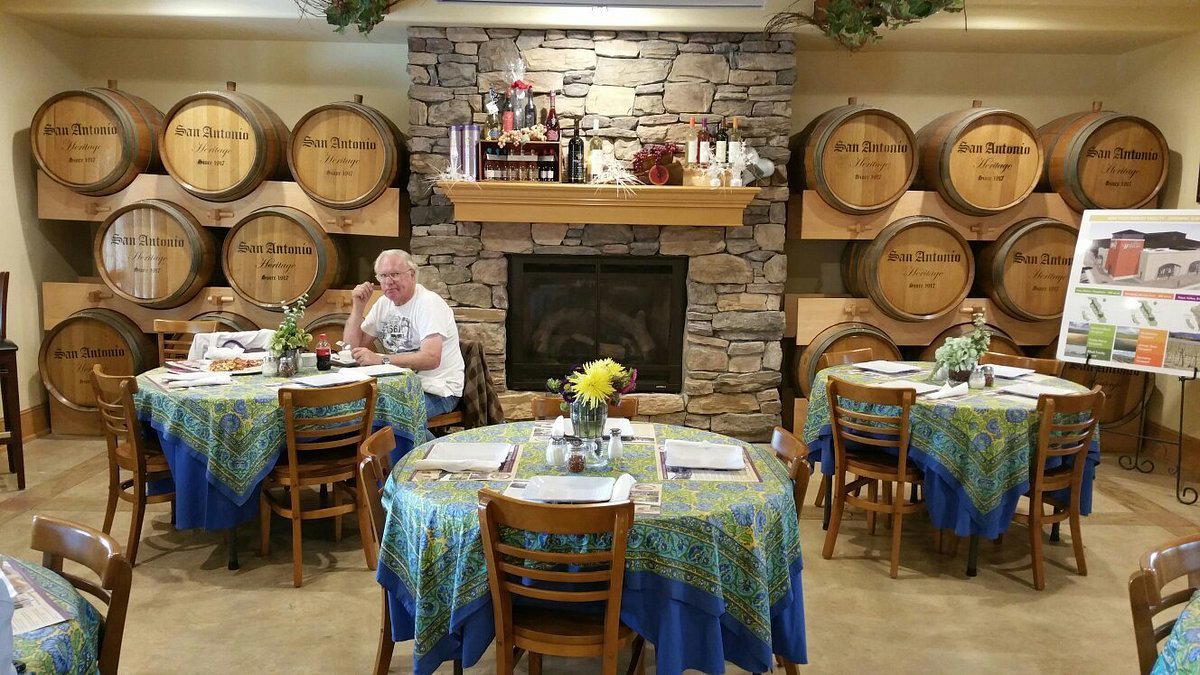

Details
- Modern
- Trendy
- Casual Hangout
- Family
- Standalone
- Sake Program
- A La Carte
Casual food court setting with focus on authentic Japanese katsu preparation.