Hasu Izakaya & Grill
Our verdict
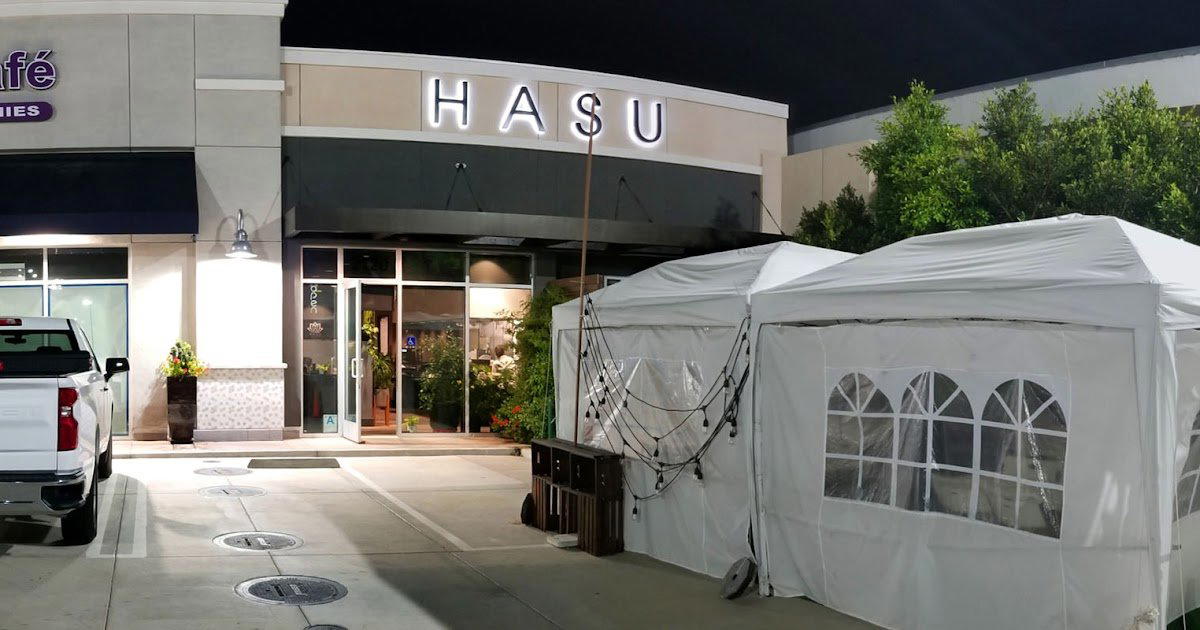
Hasu Izakaya & Grill occupies a specific corner of Torrance's Japanese dining scene, where the izakaya format, small plates, grilled skewers, and communal pacing, meets the South Bay's appetite for casual but considered Japanese food. The address on Artesia Boulevard places it in a corridor that locals treat as a working dining strip rather than a destination, which shapes both the crowd and the atmosphere.

Pearl is the En Primeur Club membership app, where members save venues, book tables and use the concierge.
The menu
What to order
- Yakitori Skewers
- Grilled Rice Ball
- Jalapeño Fish Cake
The Izakaya Format in Torrance's Japanese Dining Corridor
The South Bay's Japanese dining ecosystem is denser and more layered than most visitors expect. Torrance and its immediate neighbours host a concentration of Japanese residents that has sustained everything from high-end kaiseki to discount ramen for decades. Within that spectrum, the izakaya occupies a distinct structural position: not a restaurant in the Western sit-down-and-order sense, not a fast-casual counter, but a format built around extended stays, shared ordering, and a rhythm that alternates between food and drink without a fixed endpoint. Hasu Izakaya & Grill, at 2120 Artesia Boulevard, operates inside that tradition.
Artesia Boulevard is a working commercial strip rather than a dining destination. The venues along it tend to serve regulars first and newcomers second, which creates a different social contract than you find in more self-consciously designed dining corridors. Places like Iccho and the broader cluster of Japanese-operated businesses in central Torrance reflect the same pattern: the audience already knows what it wants, and the room is calibrated for that audience. Hasu fits within this context, drawing from a local base familiar with the izakaya format rather than needing to explain it.
What the Menu Structure Reveals
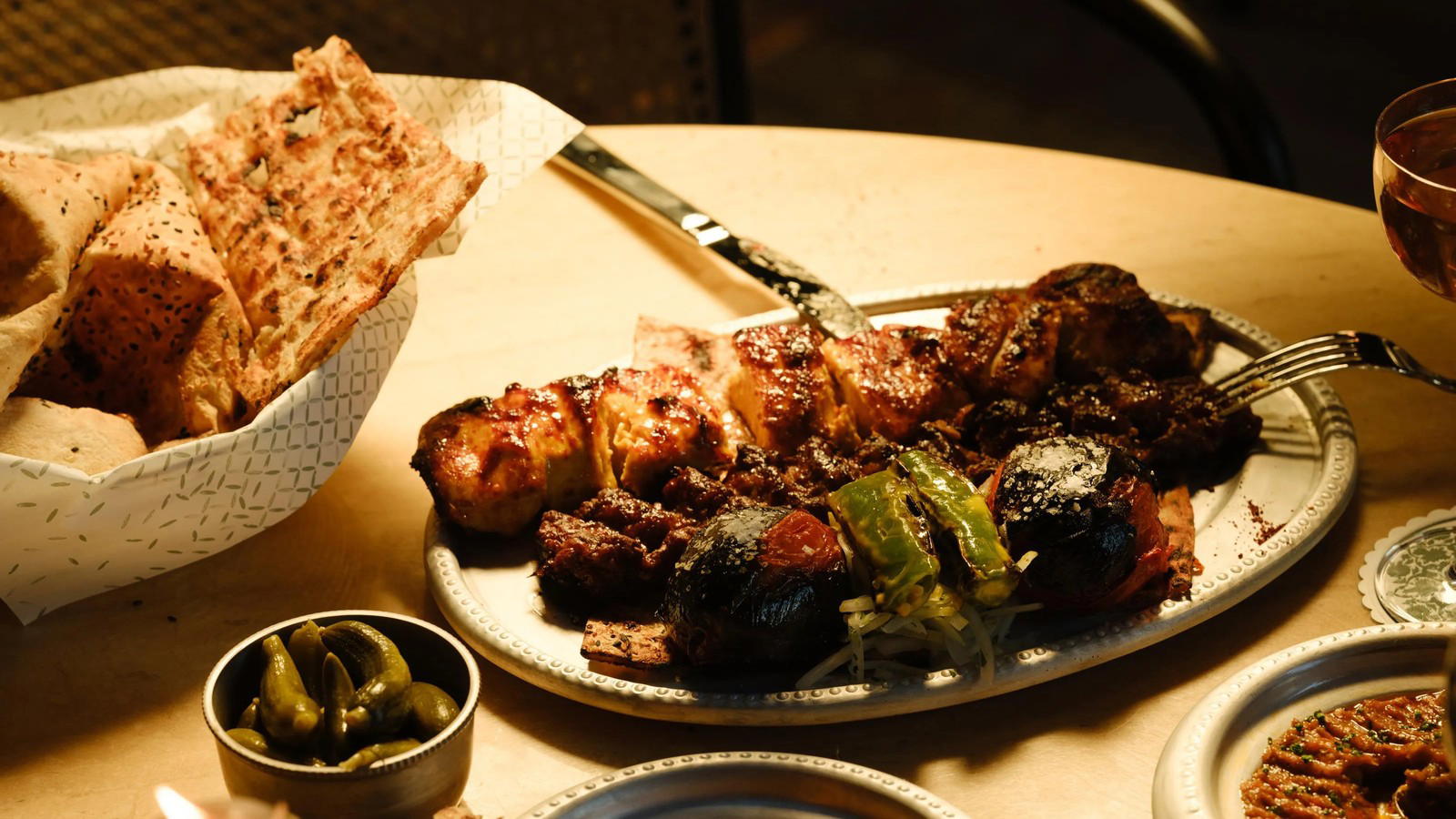
An izakaya menu is an argument about how a meal should unfold. The organizing logic is horizontal rather than hierarchical: there is no single main course around which everything else orbits. Instead, the menu sprawls across categories, small cold plates, grilled skewers (yakitori or kushiyaki depending on the house), fried bites, raw preparations, rice and noodle dishes that arrive when you call for them rather than on a fixed schedule. The word "grill" in Hasu's name signals that the kitchen's identity leans on the binchotan or gas-fired side of that format, where skewered proteins cooked over direct heat become the structural spine of the meal.
This architecture matters because it changes how a table eats. Two people ordering at an izakaya will share twelve small dishes across two hours; the same two people at a conventional restaurant would share two entrees across one. The izakaya model rewards decisiveness, knowing which categories to prioritize, and punishes passive ordering, where everything arrives at once and the rhythm collapses into a single undifferentiated pile. The dual identity of izakaya-plus-grill suggests Hasu positions the charcoal or grill station as its anchor, with the broader small-plate selection functioning as the surrounding context rather than the headline.
This is also how the better izakaya counters in Los Angeles proper have structured their menus over the past decade. The grill-forward approach borrows from yakitori specialists while retaining the open-category flexibility that lets a table move from edamame to sashimi to skewers to ochazuke without anyone feeling they've ordered out of sequence. For comparison, the omakase-only counters that dominate prestige Japanese dining in the US, places like Providence in Los Angeles or the tasting-menu tier represented by venues like The French Laundry in Napa and Alinea in Chicago, operate on entirely opposite logic: the kitchen controls the sequence, the portion, and the pace. The izakaya inverts all of that, handing control back to the table.
Placing Hasu in the South Bay Japanese Scene
Torrance's Japanese dining options span an unusually wide range for a city of its size. The local market supports formal sit-down Japanese alongside ramen specialists, sushi counters, and izakaya-style operations. Iccho represents one node of that network; the area's older establishments, some of which have operated for decades without significant reinvention, represent another. Hasu's name, which means lotus in Japanese, signals a certain attention to identity without being overtly high-concept.
The Artesia Boulevard address is practical rather than prestigious. Parking is typically available on a commercial strip of this type, and the neighbourhood draws locals running weekday errands alongside evening diners, which keeps the atmosphere grounded. This contrasts with the more self-consciously designed dining environments you find in Little Tokyo or West Hollywood, where the room design and the guest demographic are more explicitly coordinated. The South Bay's Japanese dining culture has historically operated outside that register, and venues like Chado Tea Room and Depot in Torrance reflect the same preference for substance over staging.
For those mapping Torrance's dining scene more broadly, Gaetano's Restaurant and Bazille represent the non-Japanese end of the local spectrum, useful for understanding how the city's dining options spread across cuisines and price points. The our full Torrance restaurants guide covers that wider picture for readers planning multiple meals in the area.
Planning Your Visit
The izakaya format works well when the table commits to time rather than rushing toward a fixed endpoint. An hour is too short to do the format justice; two hours allows the meal to find its own pace, with orders arriving in waves rather than all at once. For a venue on Artesia Boulevard, the practical approach is to arrive in the early evening to secure a table before the local dinner crowd builds. Reservations policies vary by format, and izakaya-style venues often accommodate walk-ins more readily than tasting-menu or omakase counters, though calling ahead is advisable for groups of four or more.
Dress is almost certainly casual at an operation of this type and location. The South Bay's Japanese dining culture runs informal by default. Pricing for izakaya-format dining in this part of Los Angeles typically falls in the mid-range bracket, enough that ordering freely across categories won't feel like a financial exercise, but not so low that the kitchen is under margin pressure to cut quality. The leading approach is to order incrementally: start with a few cold plates and the grill items that interest you most, then assess the pacing before adding more.
Frequently asked questions
What's Hasu Izakaya & Grill's location?
Hasu Izakaya & Grill is located at 2120 Artesia Blvd, Torrance, CA 90504, Torrance.
How does Hasu Izakaya & Grill fit into Torrance's Japanese dining scene?
Torrance supports one of the densest concentrations of Japanese dining in Southern California outside of Little Tokyo, ranging from ramen counters and sushi bars to sit-down kaiseki. An izakaya format like Hasu's occupies a specific register in that ecosystem: informal, grill-focused, and built for extended group dining rather than quick service. On Artesia Blvd, Hasu sits within reach of a local customer base that treats izakaya dining as a regular weeknight option rather than an occasional outing.
What do regulars order at Hasu Izakaya & Grill?
At an izakaya structured around horizontal sharing, regulars typically build a table around grilled skewers, cold appetizers, and a rotating selection of small plates ordered across the course of the evening rather than anchored to a single main dish. Hasu sits at 2120 Artesia Blvd in Torrance, a corridor where the local Japanese dining market is experienced enough to order confidently off a full izakaya card. The practical approach: start with a few cold dishes, add grilled items progressively, and let the table dictate pace.
Do I need a reservation for Hasu Izakaya & Grill?
Izakayas in Torrance's Japanese dining corridor draw both weekday regulars and weekend groups, so walk-in availability varies by day and party size. For groups of four or more, contacting the venue directly before arrival is advisable. Hasu is located at 2120 Artesia Blvd, Torrance, CA 90504, dropping by during off-peak hours on a weekday is the lowest-friction option for solo diners or pairs.
Awards and Standing
Comparable venues nearby, for context on price, style, and recognition.
| Venue | Cuisine | Price | Notes |
|---|---|---|---|
| Hasu Izakaya & GrillThis venue (the venue you are viewing) | Japanese Izakaya & Yakitori Grill | $30–50 | Not listed |
| Kantaro Sushi | Traditional Japanese Omakase | Not listed | Harbor Gateway |
| Torikizoku | Japanese Yakitori Izakaya | $20–30 | Not listed |
| Kagura | Traditional Japanese Tonkatsu | $30–50 | Old Torrance |
| Jana Mediterranean Coastal | Mediterranean Coastal | $30–50 | Torrance / Carson |
| Santouka Ramen | Hokkaido-Style Ramen | $10–20 | Not listed |

Continue exploring
More in Torrance
Restaurants in Torrance
All restaurants in Torrance →
Bars in Torrance
All bars in Torrance →
Hotels in Torrance
Browse all →
Wineries in Torrance
Browse all →

Details
- Cozy
- Modern
- Date Night
- Casual Hangout
- After Work
- Open Kitchen
- Sake Program
- Small Plates
- A La Carte
- Sake
Current opening hours
- Monday
- 5–9 PM
- Tuesday
- Closed
- Wednesday
- 5–9 PM
- Thursday
- 5–9 PM
- Friday
- 5–10 PM
- Saturday
- 11:30 AM–1:30 PM, 4–9:30 PM
- Sunday
- 11:30 AM–1:30 PM, 4–8:30 PM
Hours can change for holidays and private events. Hours as of .
Relaxed and friendly with a modern upscale feel featuring warm lighting and meticulous attention to detail in presentation.