Kagura
Kagura occupies a quietly serious position in Torrance's Japanese dining scene, operating on Cabrillo Avenue where South Bay residents have long sought out focused, ritual-minded Japanese cooking. The format here aligns with a tradition that prizes pacing and restraint over spectacle, placing it in a different register from the izakaya-style venues that dominate the neighbourhood's Japanese offerings.
Pearl is the En Primeur Club membership app — saves, bookings, and concierge access live there. Same editors, same standards.
- Address
- 1652 Cabrillo Ave (W Carson St.), Torrance, CA 90501
- Directions
- Get directions
 Saves & bookings on Pearl
The Ritual Before the First Bite
There is a particular kind of Japanese restaurant that announces itself through what it doesn't do. No signage competing for attention, no promotional boards in the window, no ambient noise spilling onto the street. Kagura, on Cabrillo Avenue in Torrance, operates in that register. The address, at the intersection with West Carson Street, sits in a stretch of the South Bay that has quietly accumulated one of Southern California's more concentrated Japanese dining corridors, a consequence of the area's decades-long connection to Japanese corporate and residential communities. Kagura fits that context without drawing attention to itself, which is itself a signal worth reading.
The South Bay's Japanese restaurant density is not accidental. Torrance and its immediate neighbours have hosted large Japanese-American and expatriate communities since the 1980s, and the dining infrastructure that grew around those communities tends toward authenticity over accessibility, toward regulars over tourists. The restaurants that survive longest in this environment are generally those that understand what a Japanese dining ritual actually asks of a room: measured pacing, attentive but unobtrusive service, and a kitchen philosophy that prioritises precision over volume. Kagura has built its local standing within that framework.
How the Meal Is Meant to Move
In Japanese dining traditions with any claim to formality, the meal is not a sequence of courses so much as a conversation with time. The pacing is deliberate. Early dishes tend toward the delicate, building complexity incrementally rather than leading with the dominant flavour. This structure asks something of the diner: a willingness to receive the meal on the kitchen's terms rather than rushing through it. That etiquette, which feels almost counter-cultural in a city built around efficiency, is part of what defines the upper tier of Japanese restaurants in the greater Los Angeles area.
Venues operating in this mode, from the focused omakase counters of West Hollywood to the kaiseki-inflected rooms in Sawtelle, share a set of values that prioritise the integrity of the sequence over the individual dish. Kagura's positioning within Torrance's Japanese dining scene places it in conversation with that broader tradition, even though it operates at a distance from the more conspicuous parts of LA's restaurant circuit. The South Bay has historically been content to let its leading Japanese restaurants remain known primarily to the communities that rely on them, a dynamic that keeps rooms honest and menus grounded.
For context, the kinds of ceremonial dining experiences built around this ritual philosophy are represented at the far end of the national spectrum by venues like Atomix in New York City, where Korean fine dining uses a similarly sequenced, etiquette-forward format, or Single Thread Farm in Healdsburg, where the kaiseki influence shapes every element of the meal's progression. Closer to Torrance, Providence in Los Angeles represents how that ritual-minded approach translates into a Michelin-recognised format. Kagura operates at a neighbourhood scale, but the underlying philosophy of the meal as ritual rather than transaction is consistent across that broader tradition.
Torrance's Japanese Dining Axis
Understanding Kagura requires understanding the street-level reality of dining in Torrance's Japanese corridor. This is not a neighbourhood where restaurants compete for visibility; they compete for loyalty. The dining room regulars at establishments along this axis have often been coming to the same venues for years, sometimes decades, and their recommendations carry more weight than any review aggregator. That dynamic shapes how kitchens operate: they cook for people who know what they're eating, which allows for a level of subtlety that broad-audience venues rarely attempt.
Within Torrance's wider dining picture, the Japanese options occupy a specific gravity. Hasu Izakaya and Grill operates in a more social, sharing-plate format, while venues like Chado Tea Room address a different corner of Japanese-influenced hospitality entirely. Depot and Gaetano's Restaurant represent the neighbourhood's wider range beyond Japanese cuisine, while Bazille occupies a different price tier and occasion type altogether. Kagura's place in this mix is defined by its alignment with the more focused, ritual-forward end of Japanese dining rather than the convivial izakaya mode.
For visitors oriented toward the kind of dining experience that demands engagement rather than passive consumption, venues in this tier reward preparation. Arriving with some familiarity with Japanese dining customs, being willing to follow the kitchen's lead on pacing, and resisting the impulse to reorder the sequence are all part of the contract. This is true whether you're sitting at a counter in Tokyo's Ginza, at The French Laundry in Napa, or at a quietly serious Japanese room in the South Bay.
Planning Your Visit
Kagura is located at 1652 Cabrillo Avenue, at the intersection with West Carson Street, in Torrance. Given the venue's standing among local Japanese dining regulars, booking ahead is advisable, particularly for weekend evenings when the neighbourhood's core community of Japanese-American and expatriate diners tends to fill rooms that don't rely on walk-in traffic. This is a venue that operates on its community's terms rather than on a digital-first basis, which is itself an indicator of where its priorities lie.
Dietary restrictions and special accommodations are leading discussed at the point of booking, directly with the restaurant, given that Japanese kitchens at this level tend to plan their menus in advance and appreciate forewarning. The South Bay's Japanese dining corridor has a long tradition of accommodating guests who engage respectfully with the kitchen's constraints, and Kagura's positioning within that tradition suggests the same approach applies here.
For a full picture of what Torrance's dining scene offers across cuisines and occasions, the EP Club Torrance restaurants guide maps the neighbourhood's range from casual to formal, Japanese to European. Those with an appetite for how the ritual-minded dining philosophy plays out at the highest formal register nationally can reference Alinea in Chicago, Blue Hill at Stone Barns in Tarrytown, Addison in San Diego, Le Bernardin in New York City, Lazy Bear in San Francisco, Emeril's in New Orleans, The Inn at Little Washington, or 8 1/2 Otto e Mezzo Bombana in Hong Kong for international comparison.
Continue exploring
More in Torrance
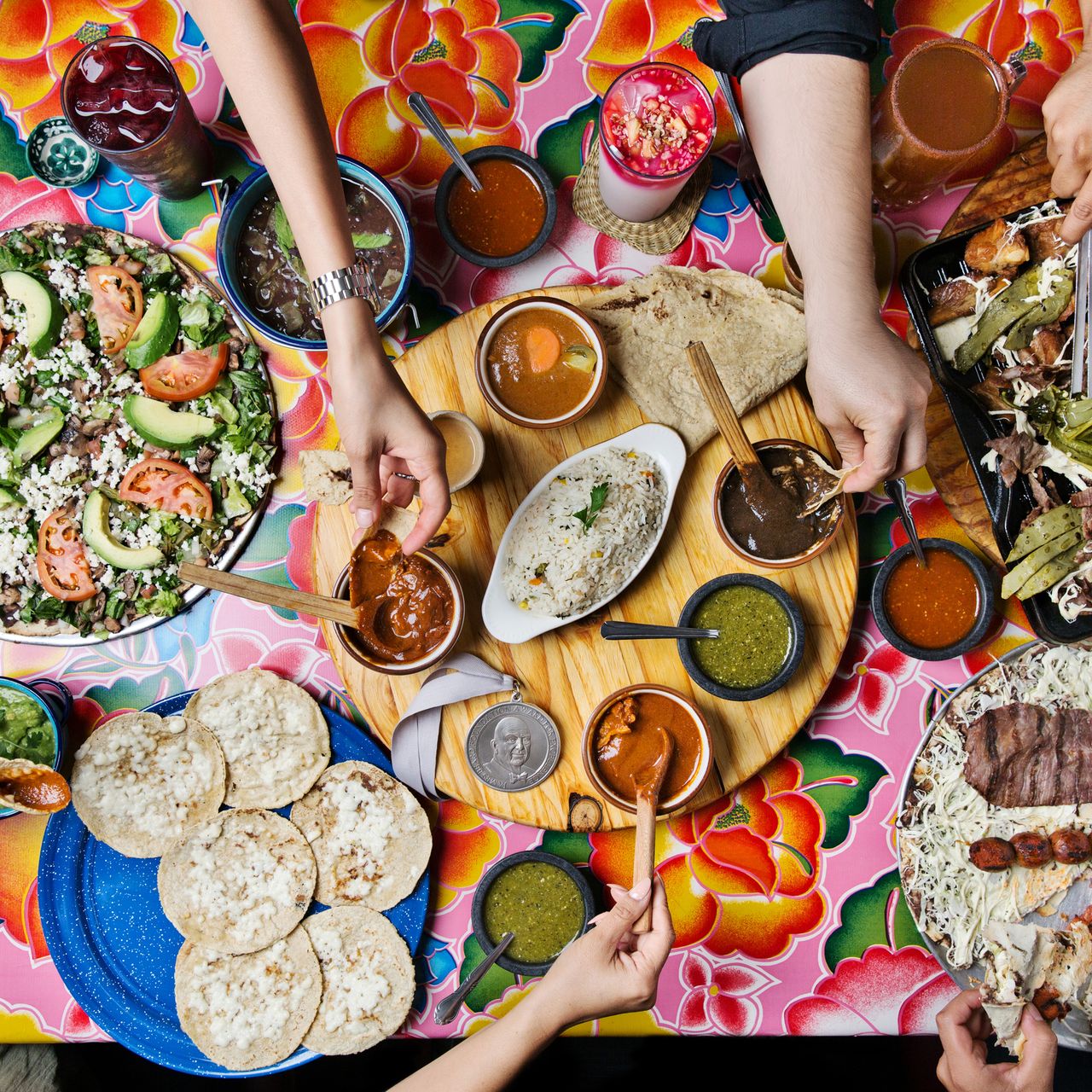
Restaurants in Torrance
Browse all →
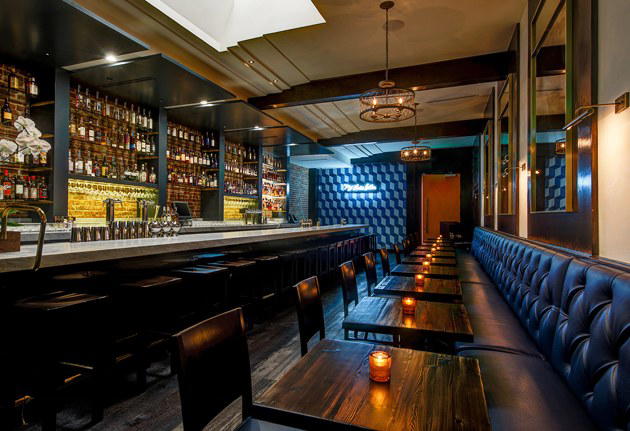
Bars in Torrance
Browse all →
Hotels in Torrance
Browse all →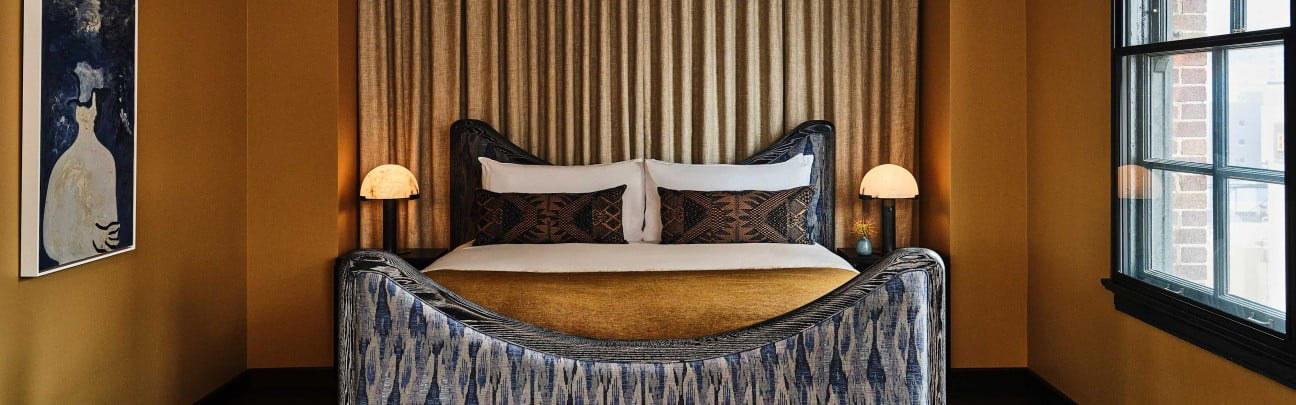
Wineries in Torrance
Browse all →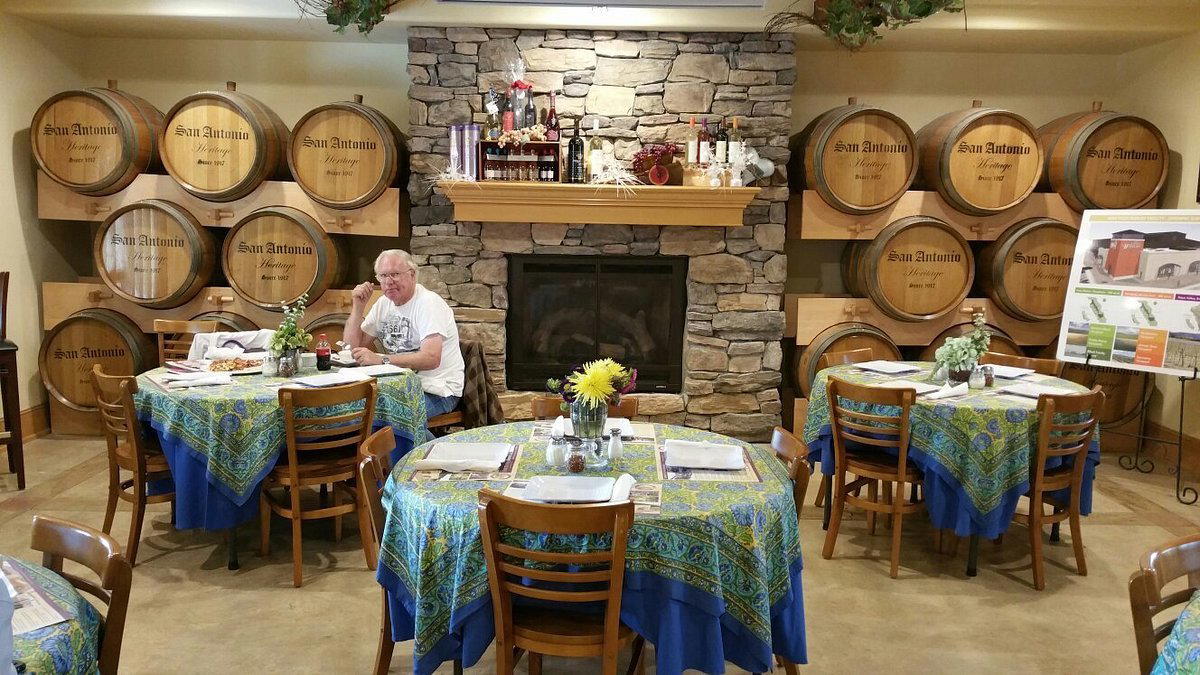
At a Glance
- Quiet
- Cozy
- Elegant
- Classic
- Casual Hangout
- Family
- Group Dining
- Business Dinner
- Standalone
- Sake Program
- Beer Program
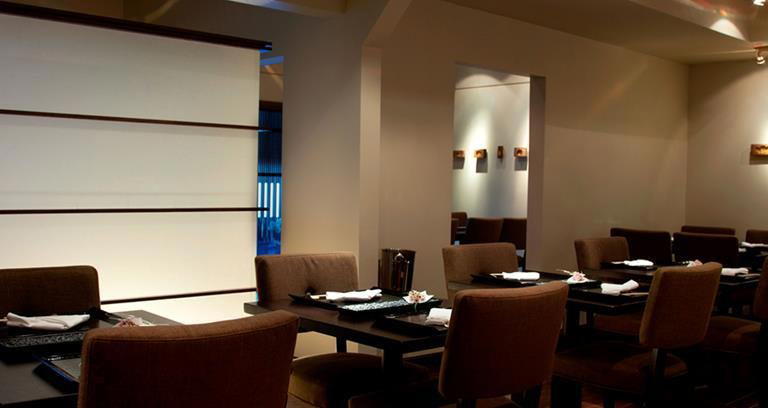
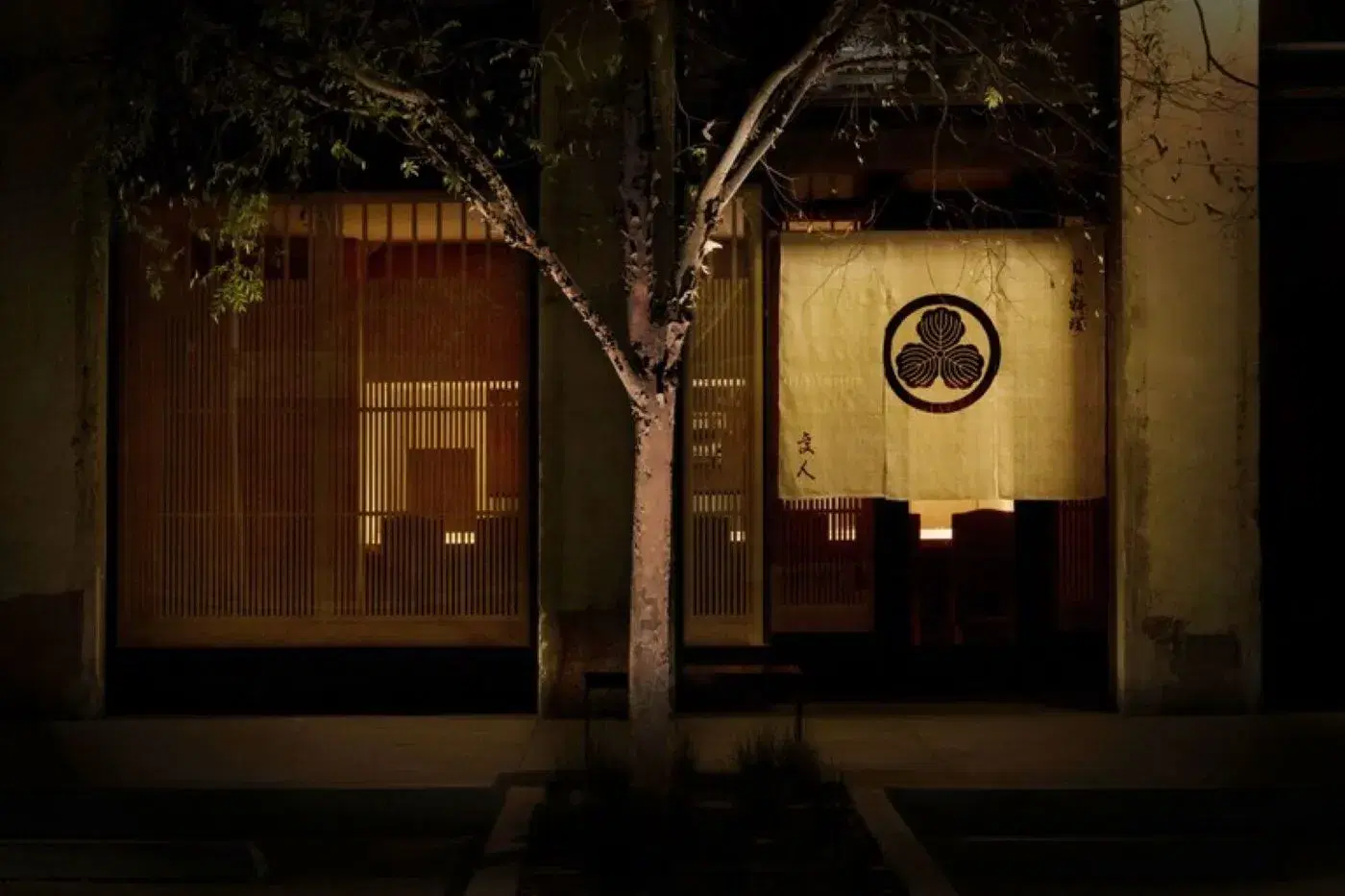
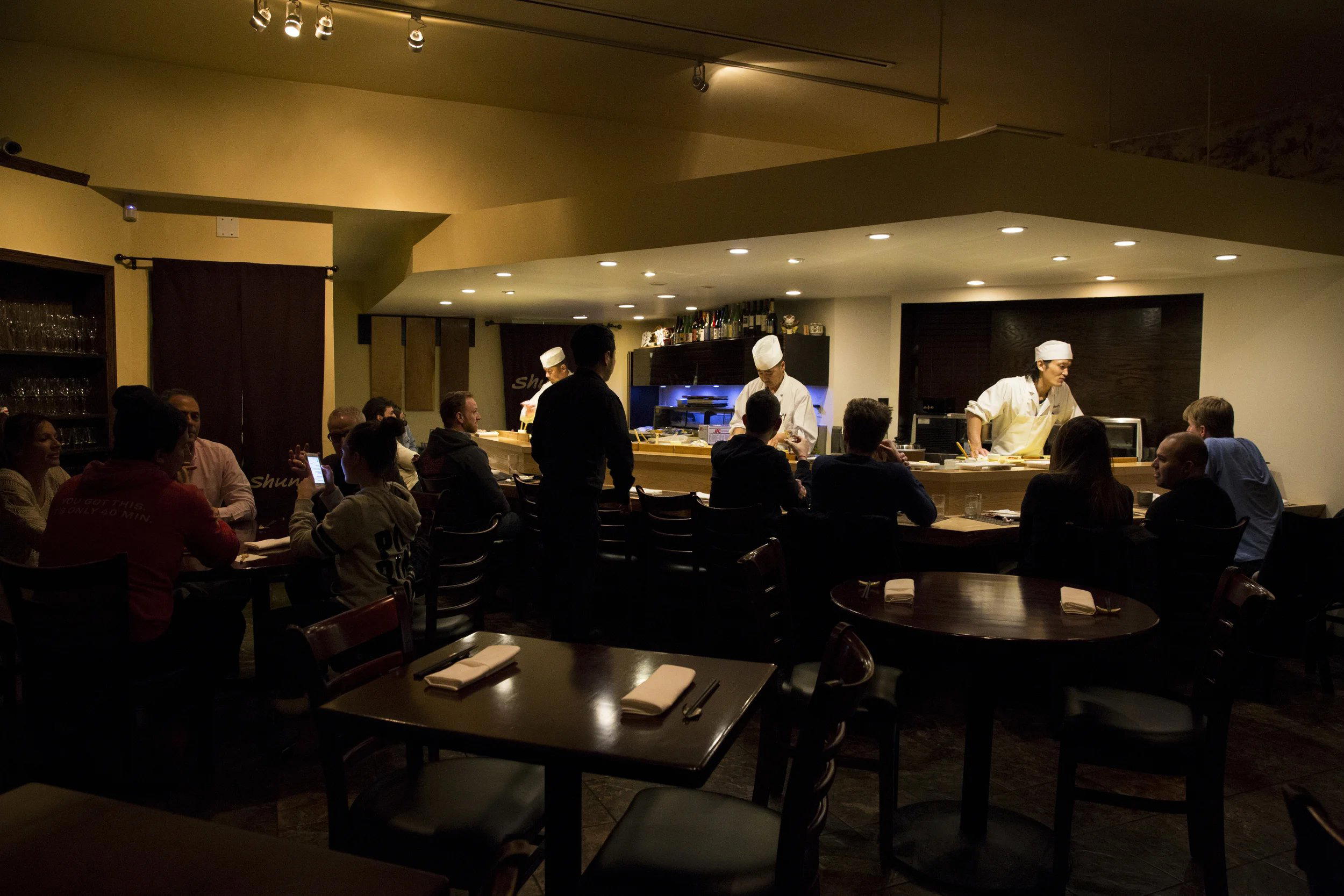
Clean lines and dark woods create a calm, polished atmosphere with cozy cubbies; the interior contrasts sharply with the modest exterior of the Old Torrance neighborhood.
Know Before You Go
- Getting there
- 1652 Cabrillo Ave (W Carson St.), Torrance, CA 90501