
Tabelog 100 #37
Our verdict
Tonkatsu Tsuchimoto brings Nagoya’s tonkatsu conversation into a tighter, more reservation-led format: a 16-seat Ikeshita room, counter-and-table layout, and recognition on Tabelog’s Tonkatsu 100 list for 2026. The appeal is not spectacle, but discipline around a pork-cutlet tradition where sourcing, frying technique, portion control, and waste-aware service matter more than ornament.

Pearl is the En Primeur Club membership app, where members save venues, book tables and use the concierge.
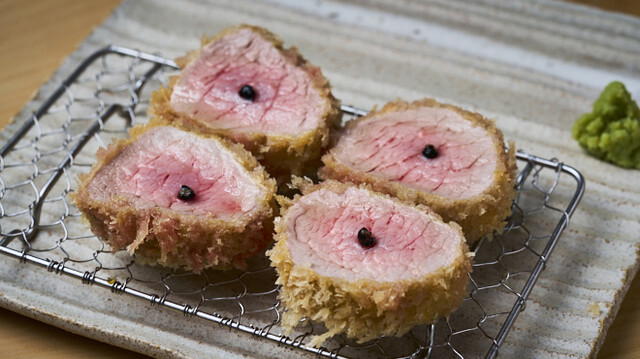
The menu
What to order
- Daily special aged brand pork tonkatsu
- Dinner pork comparison course
- Mangalitsa pork tonkatsu
Nagoya is not short on louder dining narratives, which suits tonkatsu. The form rewards attention over theatre: oil, the pause before a cutlet is served, and the practical rhythm of a focused specialist meal. Tonkatsu Tsuchimoto belongs to a category where a familiar comfort dish can be judged on control, consistency, and the details that make fried pork feel precise rather than routine.
Nagoya’s dining identity is often read through miso-katsu, hitsumabushi, kishimen, and coffee-shop culture, but its stronger contemporary story is precision applied to everyday formats. Tonkatsu fits neatly. It is democratic in price compared with kaiseki or sushi, yet unforgiving in execution: pork quality, breading, oil management, resting time, cabbage, rice, and sauce all expose shortcuts. Selection for Tabelog Tonkatsu 100 in 2026 places it in the national specialist conversation, not just the local lunch circuit.
Specialist tonkatsu and the value of controlled turnover
The format matters because frying is live. A focused tonkatsu setup gives the kitchen a narrower field than a broad-menu restaurant. That does not automatically make a restaurant better, but it changes the terms of judgment: timing, the gap between fryer and plate, and the moment a cutlet is served become central to the experience. In a genre where texture fades fast, pacing is part of the product.
The sustainability angle is practical, not slogan-led. Tonkatsu restaurants with careful service rhythms can plan procurement, prep rice and cabbage in measured volumes, and reduce waste from uncertain traffic. Pork cookery leaves little room for using surplus without compromising quality, so disciplined planning can matter as much as stated environmental language. The category has always depended on thrift, from careful portioning to cabbage as palate reset rather than decoration.
Price band separates it from Nagoya’s formal dining rooms. Yama no I and Housa Saryo sit far higher, while Yakiniku Hakushu Kassai occupies the premium meat-restaurant tier. Kishiya reads closer to everyday casual pricing. Tonkatsu Tsuchimoto lands between them: specialist enough to justify planning, affordable enough to remain repeatable rather than special-occasion dining.
Recognition without the tasting-menu machinery
Tabelog’s Hyakumeiten lists are useful because they often catch genre specialists outside the Michelin-style imagination of destination dining. Tonkatsu is not elaborate sequencing; its rigor is compressed into one main act. The 2026 Tonkatsu 100 selection, with a Tabelog score of 3.79, signals a restaurant judged among dedicated cutlet houses, not against French, sushi, or kaiseki benchmarks.
That matters for travelers. A high-end omakase counter asks guests to surrender an evening to a chef’s progression. A tonkatsu specialist asks how much precision can be put into an accessible dish without turning it into ceremony. In Nagoya, the answer is tied less to luxury signals than to category focus and exact service timing. Recognition in the 2026 list places Tonkatsu Tsuchimoto within a category with deep national competition.
The appeal is not about turning a cutlet into fine-dining theatre. It is about treating a direct, familiar format with enough seriousness that the meal can work as more than a utilitarian lunch stop. The setting need not behave like formal dining; the draw is tonkatsu given deliberate attention, especially for diners who treat fried pork as something to consider rather than merely finish.
How to read the Nagoya choice
Use this Nagoya address as a category-specific meal in a city where premium dining can turn expensive quickly. Nagoya has serious restaurants at far higher budgets, but Tonkatsu Tsuchimoto is listed in the JPY 2,000 to JPY 2,999 range for both lunch and dinner, offering a grounded test of craft. The point is not to compare pork cutlet with kaiseki course by course; it is to see how a city values technique when the ingredients and format are familiar.
For a wider Nagoya itinerary, it pairs well with a day built around the city rather than a cross-city dash. The meal feels Nagoya-based without needing mythology. Its usefulness for visitors lies in category clarity: this is not a broad menu trying to satisfy every mood, but a specialist stop that makes sense when tonkatsu is the reason for the booking.
Planning shapes the experience. Specialist restaurants in Japan often depend on punctuality and predictable service flow, because missed timing can affect the rhythm of a meal. That also supports waste reduction in principle: when kitchens can anticipate demand, they cook closer to need and reduce the drift that makes fried food less compelling.
Readers comparing Nagoya options can use Our full Nagoya restaurants guide for the wider dining map, then cross-reference city planning with Our full Nagoya hotels guide, Our full Nagoya bars guide, Our full Nagoya wineries guide, and Our full Nagoya experiences guide. Within the restaurant index, nearby and broader Japanese references can be treated as generic points of comparison rather than direct peers. For a wider Japan-and-beyond scan, unnamed dining rooms in other cities may help frame how specialist formats travel, but Tonkatsu Tsuchimoto is best read first as a Nagoya tonkatsu address.
The editorial read is clear: Tonkatsu Tsuchimoto is not trying to make tonkatsu grander than necessary. Its interest lies in compression: a focused category, a recognized national list, a moderate price band, and a format that rewards punctual, low-waste service. In Nagoya, that makes it a sharp counterpoint to heavier regional classics and high-spend dining rooms alike.
Frequently asked questions
What's Tonkatsu Tsuchimoto's location?
Nagoya.
What's the pricing like at Tonkatsu Tsuchimoto?
Pricing at Tonkatsu Tsuchimoto is listed as JPY 2,000 - JPY 2,999 for both lunch and dinner.
Do they take walk-ins at Tonkatsu Tsuchimoto?
Specific walk-in details are not provided in the available venue facts. Plan ahead where possible, as specialist restaurants can be sensitive to timing.
What do critics highlight about Tonkatsu Tsuchimoto?
The clearest signal is the Tabelog Tonkatsu 100 2026 selection, with a Tabelog score of 3.79, placing it among notable tonkatsu specialists.
Can Tonkatsu Tsuchimoto handle vegetarian requests?
Specific vegetarian accommodation details are not provided in the available venue facts. Contact the restaurant directly before visiting if dietary needs are essential.
Peers Worth Knowing
Comparable venues at the same tier.
| Venue | Cuisine | Price | Awards | Notes |
|---|---|---|---|---|
| Tonkatsu TsuchimotoThis venue (the venue you are viewing) | Aged Premium Pork Tonkatsu | $30–50 | Tabelog 100 #37 | Not listed |
| GapricE | Italian Omakase with Seasonal Japanese Ingredients | $100–150 | Tabelog Bronze #81 | Not listed |
| Yama no I | Sushi Omakase / Japanese Cuisine | $150–200 | Tabelog 100 #30 | JPY 20,000 - JPY 29,999 |
| Housa Saryo | Seasonal Japanese Kaiseki with Uni Specialties | $100–150 | Tabelog 100 #20 | JPY 20,000 - JPY 29,999 JPY 10,000 - JPY 14,999 |
| Yakiniku Hakushu Kassai | Japanese Yakiniku | $50–100 | Tabelog 100 #9 | JPY 10,000 - JPY 14,999 |
| Kishiya | Nagoya kishimen & ramen | $10–20 | Tabelog 100 #32 | JPY 1,000 - JPY 1,999 JPY 1,000 - JPY 1,999 |
Recognition history
Dated appearances from independent guides and award organizations, with the underlying list record or original source where available.
Tabelog 100 #37 · No. 37
Tabelog · Tabelog 100 - Tonkatsu - 2026
Continue exploring
More in Nagoya
Restaurants in Nagoya
All restaurants in Nagoya →





Details
- Modern
- Cozy
- Elegant
- Solo
- Family
- Date Night
- Casual Hangout
- After Work
- Special Occasion
- Chefs Counter
- Standalone
- Design Destination
- Sake Program
- Extensive Wine List
- Local Sourcing
- A La Carte
- Tasting Menu
- Counter Dining
- Set Menu
- Sake
- Wine
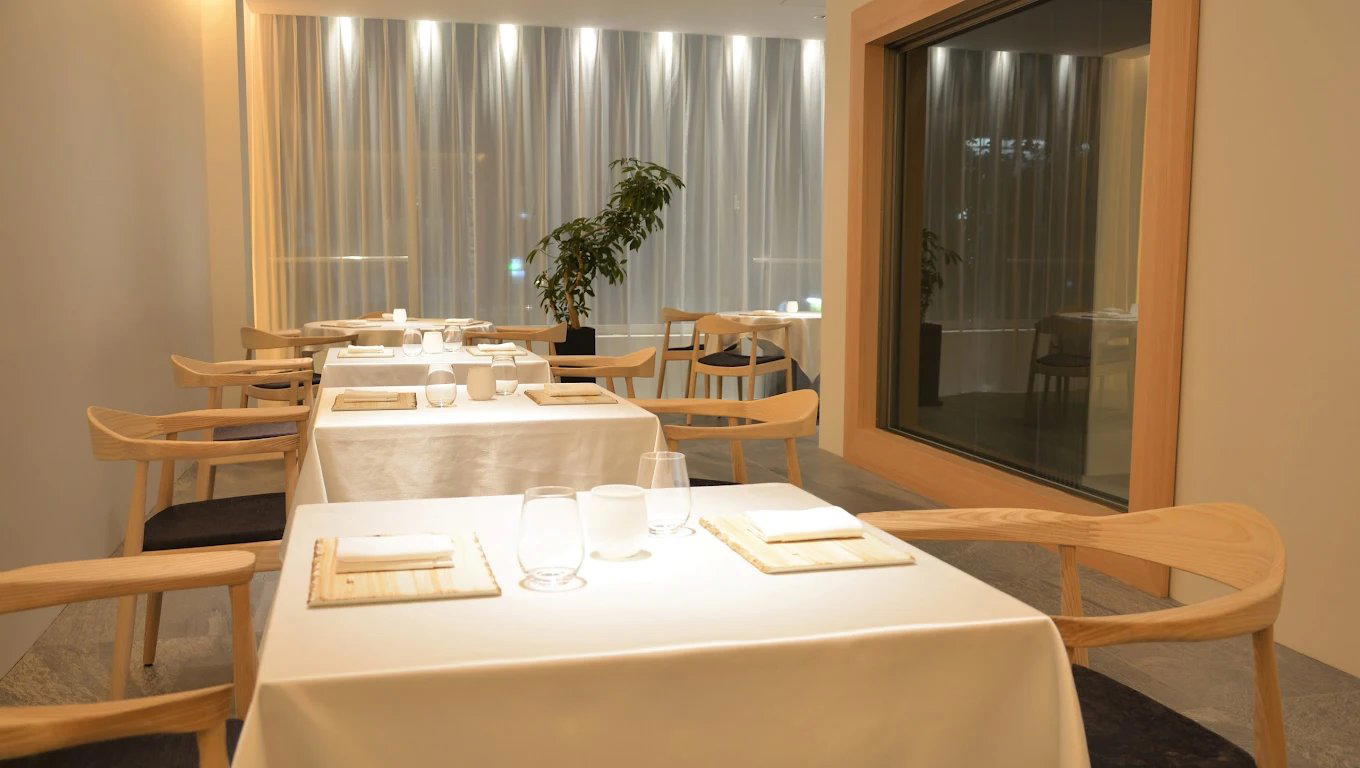
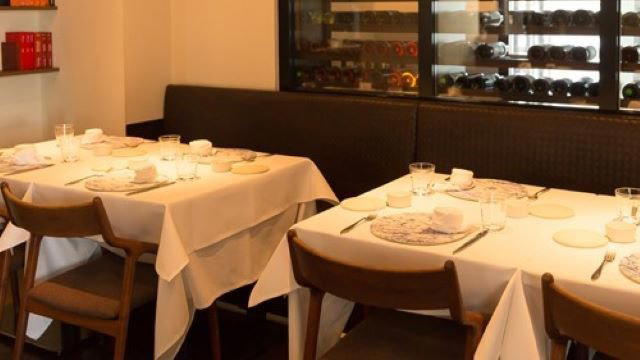
Warm, modern interior dominated by natural wood, with a small counter and a few tables creating a relaxed yet polished atmosphere suited to quiet meals and sake or wine in the evening.