Kafana

On a gritty block of Loisaida Avenue in the East Village, Kafana serves the kind of Serbian homestyle cooking that keeps regulars coming back weekly. Owner Vladimir Ocokolji modelled the space on the taverns of his native Serbia, and the result is one of New York City's more committed expressions of Balkan hospitality, generous portions, low pretension, and a room that earns its loyal following.
Pearl is the En Primeur Club membership app — saves, bookings, and concierge access live there. Same editors, same standards.
- Address
- 116 Loisaida Ave, New York, NY 10009
- Phone
- (212) 353-8000
- Website
- kafananyc.com
- Directions
- Get directions
 Saves & bookings on Pearl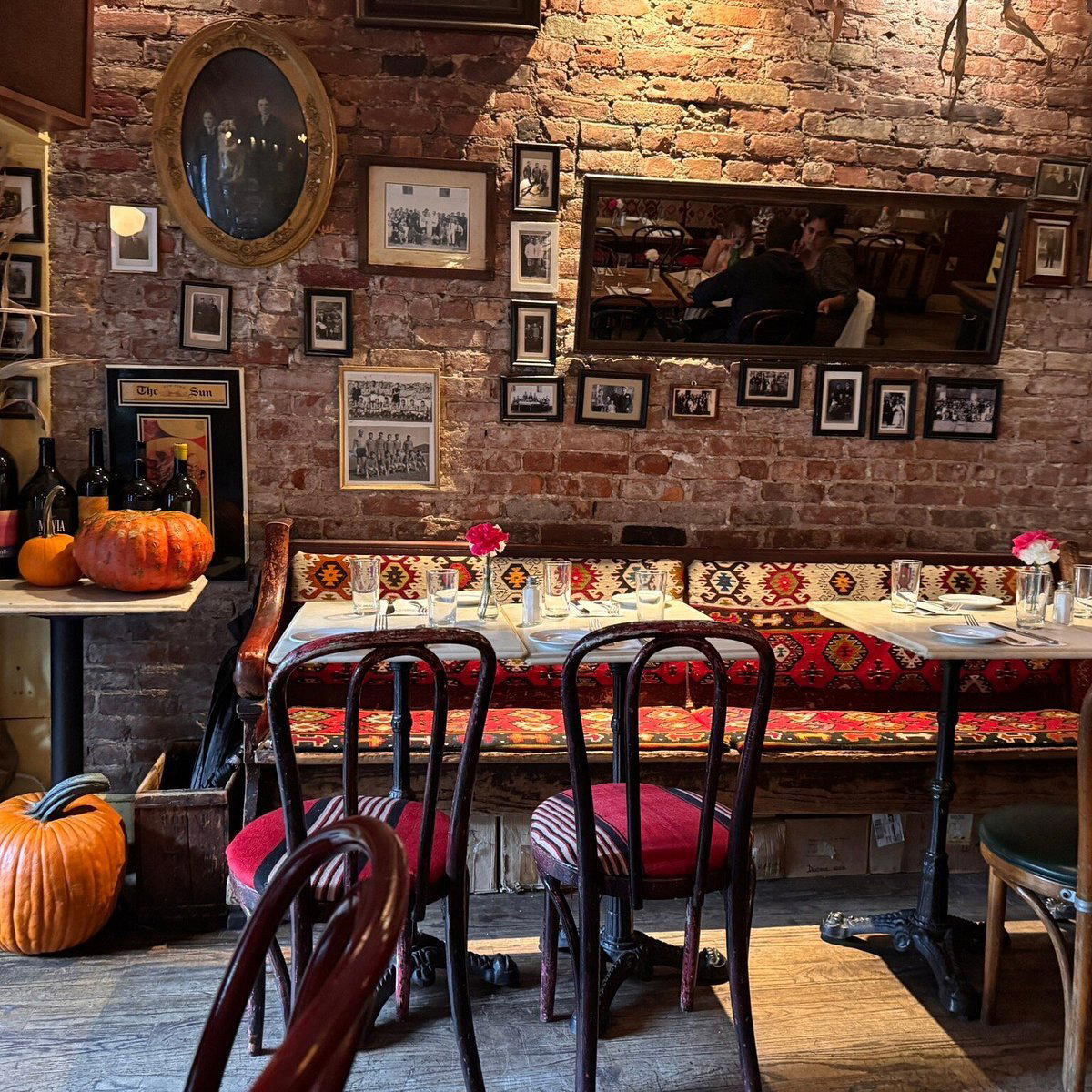
A Corner of the East Village That Doesn't Try
Loisaida Avenue runs through the eastern edge of the East Village with the particular energy of a block that hasn't been fully rebranded. The stretch around 116 has resisted the kind of surface-level polish that has softened much of the surrounding neighbourhood, and Kafana fits that register precisely. Kafana is a restaurant serving authentic Serbian cooking in New York City, at 116 Loisaida Ave, with a casual dress code and reservations recommended. The building presents without ceremony. Inside, the atmosphere draws from the Serbian kafana tradition: a tavern model built around unhurried eating, shared tables, and the understanding that a good meal is measured in hours rather than courses. Regulars who have been coming since the early years know not to rush.
New York's dining spectrum runs from counter-service to the kind of formal tasting menus at Le Bernardin, Masa, and Per Se where a meal requires three hours and three figures per head. Kafana operates at neither pole and competes with neither. Its frame of reference is the neighbourhood restaurant that earns loyalty through consistency and portion rather than through concept or credential. That is a different kind of ambition, and it has built a correspondingly different kind of following.
The Regulars' Map
The clientele at Kafana has the texture of a long-standing neighbourhood institution. There are people who have been eating here for years and who arrive with the easy familiarity of returning somewhere they know well rather than somewhere they are discovering. That dynamic shapes the room in ways that are hard to manufacture: the pace is less transactional, the noise level settles into conversation rather than performance, and the food arrives in the spirit of hospitality rather than theatre.
What keeps people returning to Serbian cooking specifically is worth understanding. The tradition leans on grilled meats, cold starters built around fermented and pickled vegetables, and bread that functions as a structural element of the meal rather than an afterthought. Portions in the kafana tradition are calibrated for the table rather than the individual plate, which creates a natural rhythm for groups. The unwritten contract between kitchen and regular involves a kind of generosity that is less common in restaurants where menu items are priced to the gram. Owner Vladimir Ocokolji has maintained that contract with the Loisaida Avenue room, and it is the foundation of what the loyal clientele is actually returning to.
This positions Kafana in a narrow but genuine niche within the city's Eastern European dining scene. Comparative options for Balkan cooking in Manhattan are limited, which gives the restaurant's regulars something close to a monopoly on the experience within the borough. That scarcity is part of the draw, particularly for the Serbian and former-Yugoslav diaspora community who use the room not just for food but for the kind of cultural continuity a kafana is meant to provide.
Serbian Tavern Culture in Manhattan Context
The kafana as a form has no close analogue in American dining culture. It is not a bistro, not a tavern in the English pub sense, and not a trattoria. The Serbian model involves a directness about hospitality, food arrives when it is ready, in the quantities the kitchen considers appropriate, and the expectation is that the table will stay for a while. That ethos requires a dining room that can hold the energy of a long evening, and Kafana's room on Loisaida Avenue, described consistently as gritty but possessing its own internal logic, serves that function.
Kafana is a counter-movement to both, in the same way that certain neighbourhood staples in any major city quietly outlast their more decorated contemporaries. The Serbian tavern model has been running in this city long enough to acquire the kind of earned authority that no press cycle can replicate. It is the opposite of the opening-week restaurant: harder to discover, easier to stay loyal to.
For comparison with other serious regional cooking that earns its following through commitment to tradition rather than concept, Emeril's in New Orleans occupies a similar position in its city's ecosystem, a place where the cultural specificity of the cooking is the point. Internationally, the posture is not unlike Alain Ducasse's Louis XV in Monte Carlo, which represents a formal European dining tradition with deep roots, though Kafana's register is radically less formal and radically more accessible. The shared principle is that cooking rooted in a specific cultural form earns a loyalty that trend-driven restaurants rarely achieve.
Planning Your Visit
Kafana sits at 116 Loisaida Avenue in the East Village, on the avenue also known as Avenue C, in the far eastern section of the neighbourhood. The surrounding blocks have a working character that makes the restaurant feel less like a destination and more like a find, which is consistent with how its regulars tend to describe it. The area is well served by the L train at First Avenue and the F and M trains at Second Avenue, with the walk east along 6th or 7th Street taking under ten minutes from either stop.
Bookings are recommended, particularly for weekend evenings when the room fills with a mix of regulars and visitors. Walking in on a weeknight often works, and some of the leading experiences at places like this happen at the bar or at a table claimed early in the evening before the room reaches full capacity. Given the tavern format and the portion sizes, the meal tends to last longer than at a comparable neighbourhood restaurant, so allow time accordingly. Going with a group of three or four gives the table access to the full breadth of the menu's logic, which is designed around sharing rather than individual ordering.
A Lean Comparison
Comparable venues nearby, for context on price, style, and recognition.
| Venue | Cuisine | Price | Notes |
|---|---|---|---|
| KafanaThis venue — the venue you are viewing | East Village, Authentic Serbian | $$ | Not listed |
| La Cabra Bakery | East Village, Danish Bakery Cafe | $$ | Not listed |
| Industria Argentina | Not listed | $$ | Tribeca-Civic Center, Authentic Argentine Steakhouse |
| Sigiri | East Village, Authentic Sri Lankan | $$ | Not listed |
| Soft Swerve | Not listed | $$ | Murray Hill-Kips Bay, Asian-Inspired Soft Serve |
| schmuck. | Not listed | $$ | East Village, Creative Cocktail Bar with Small Plates |
Recognition history
Dated appearances from independent guides and award organizations, with the underlying list record or original source where available.
Star Wine List
Star Wine List
Continue exploring
More in New York City
Restaurants in New York City
Browse all →
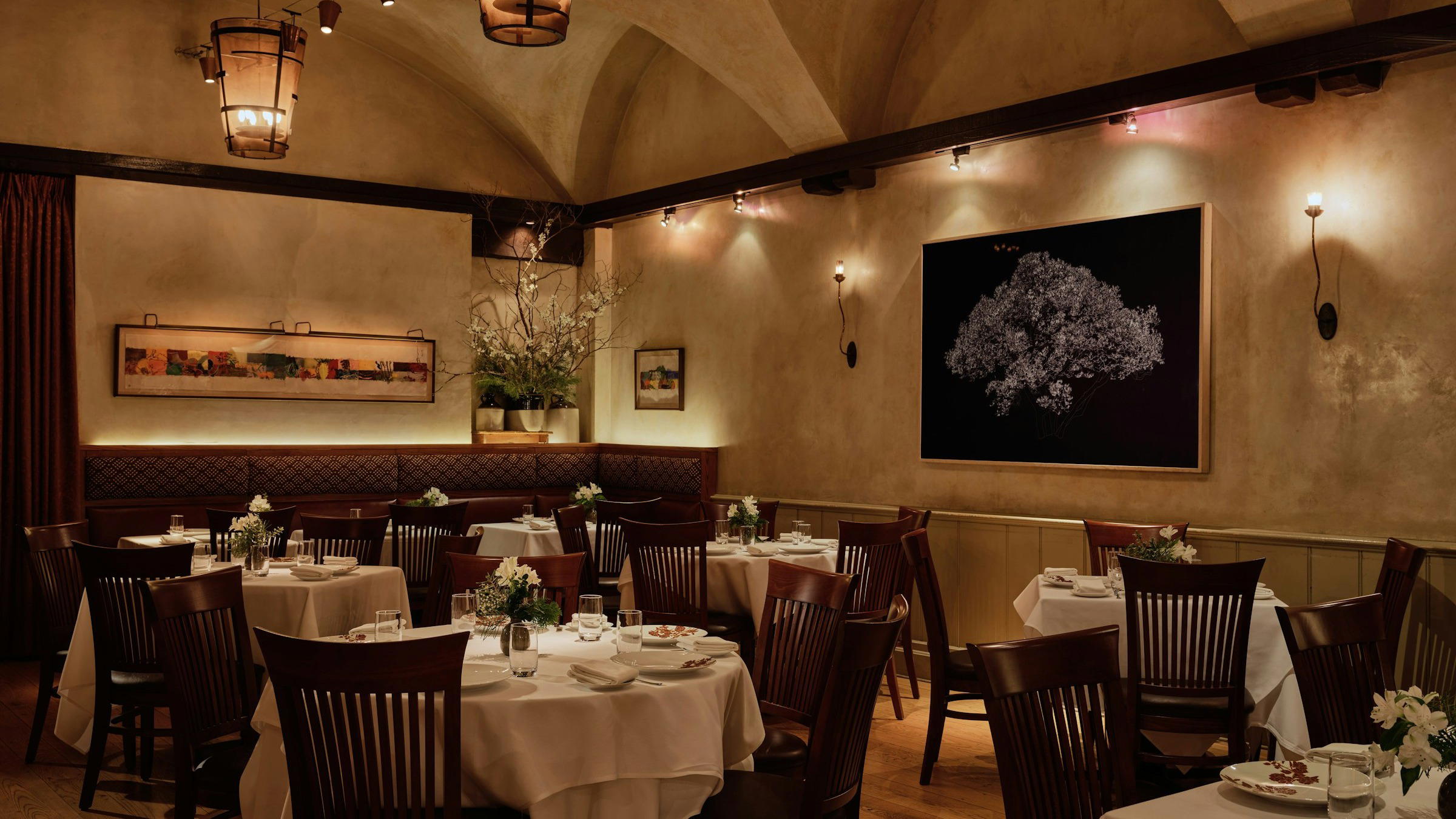
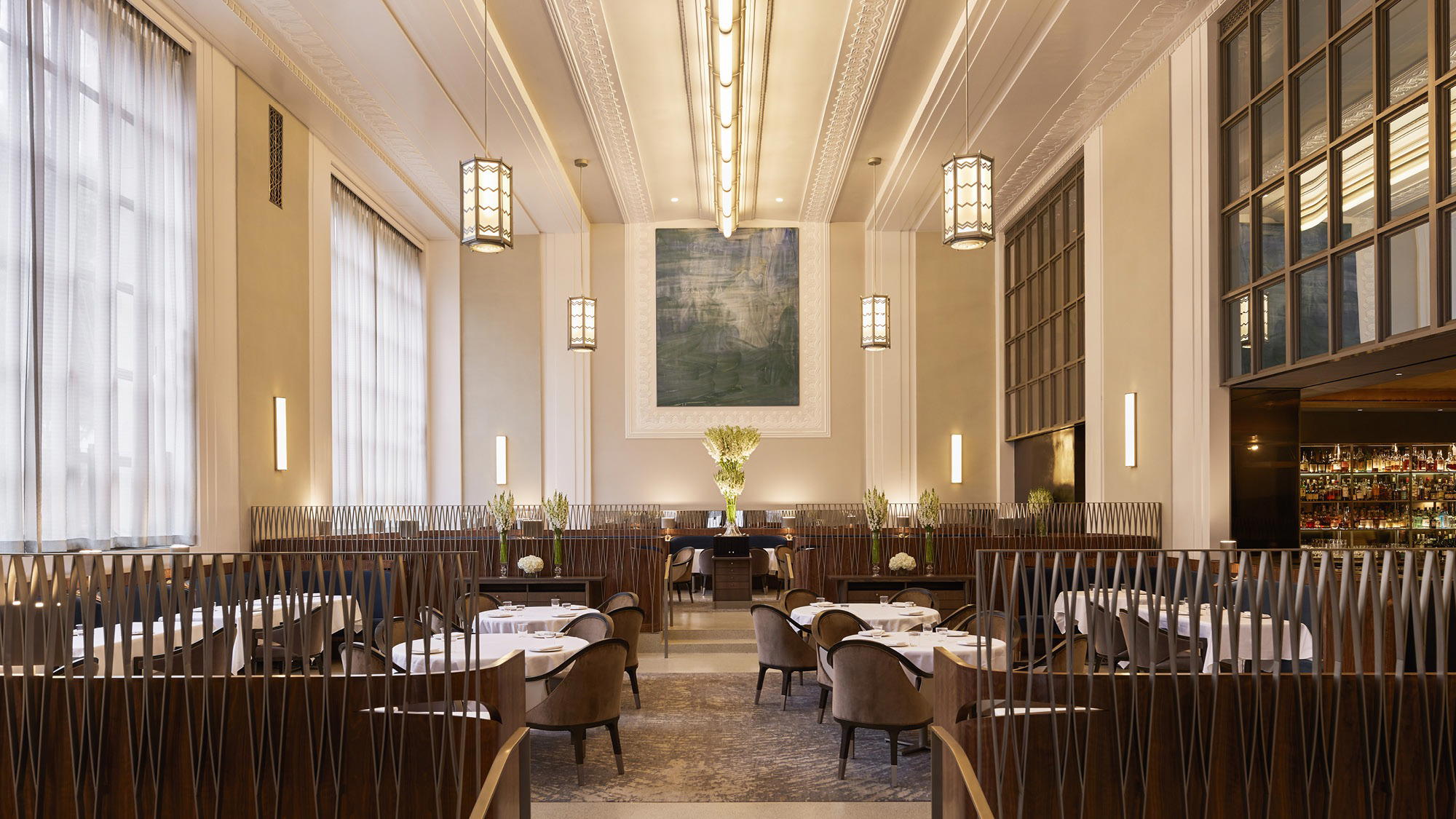
Bars in New York City
Browse all →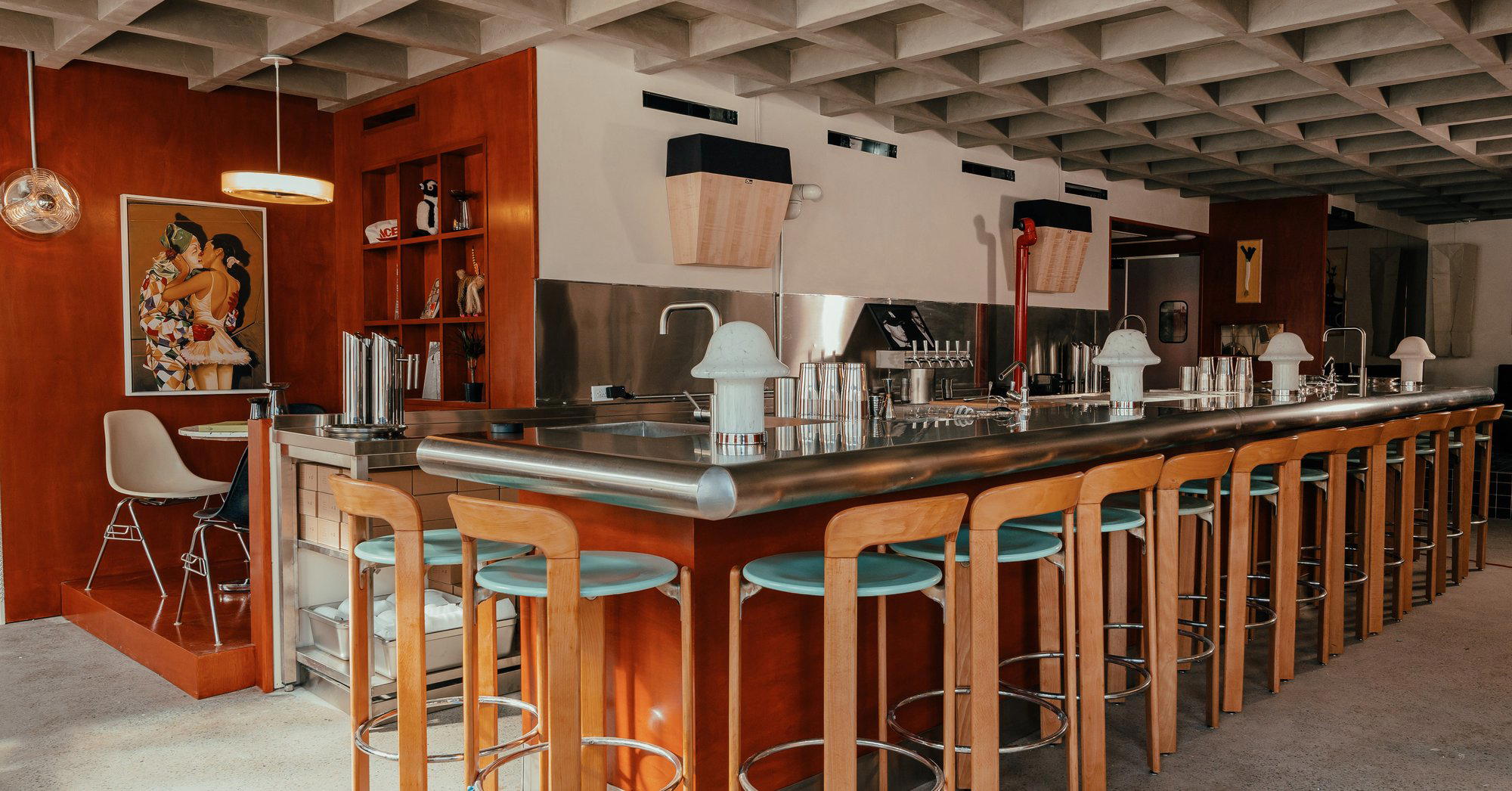
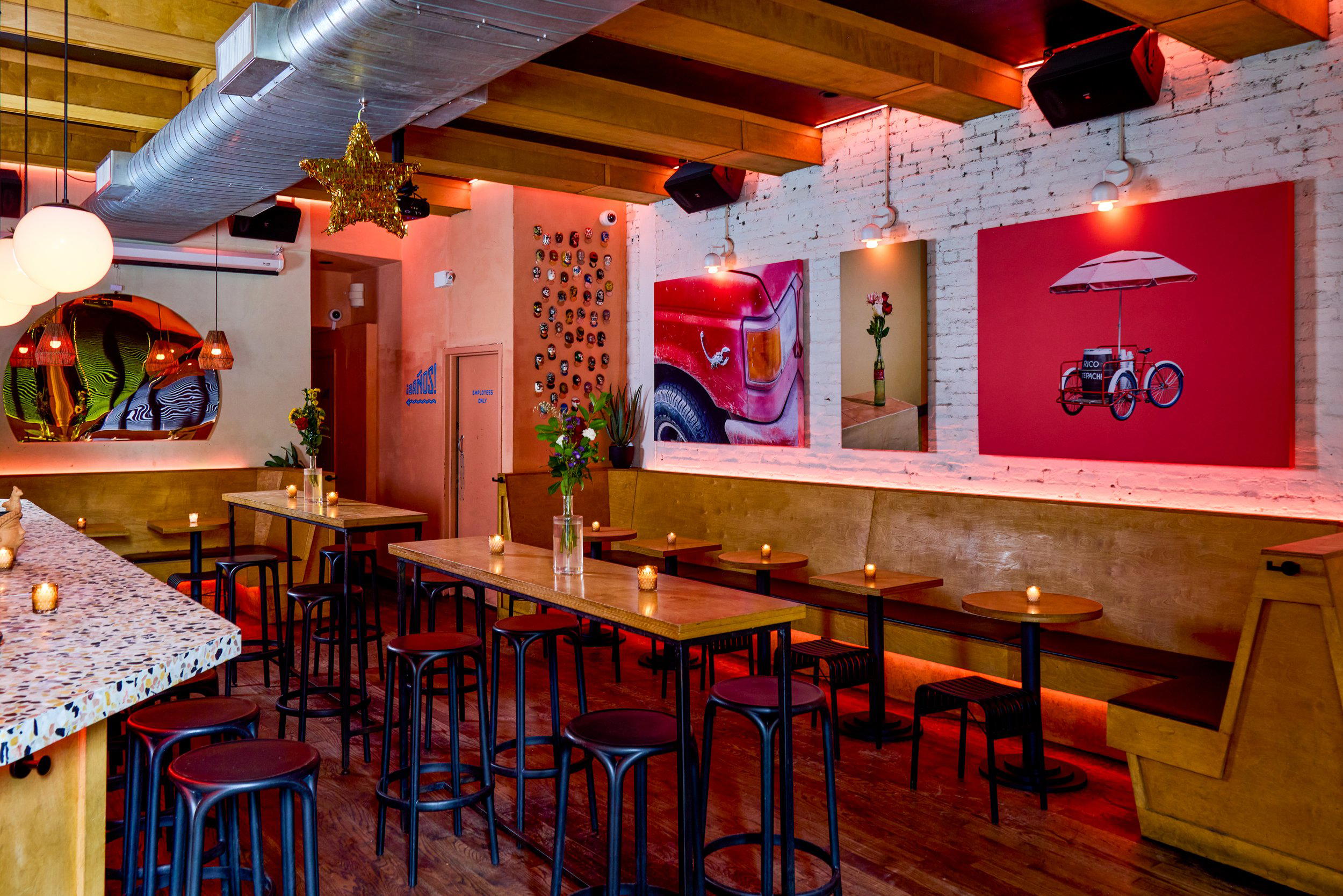
Hotels in New York City
Browse all →







At a Glance
- Cozy
- Rustic
- Intimate
- Casual Hangout
- Date Night
- Live Music
- Natural Wine
Current opening hours
- Monday
- 5–11 PM
- Tuesday
- 5–11 PM
- Wednesday
- 5–11 PM
- Thursday
- 5–11 PM
- Friday
- 5 PM–1:30 AM
- Saturday
- 12 PM–12 AM
- Sunday
- 12–11 PM
Hours can change for holidays and private events. Last verified .
Cozy and welcoming with a simple ethnic interior that evokes a hospitable home atmosphere, candlelight dining, and occasional live music.