Tom's Restaurant
Tom's Restaurant at 2880 Broadway has anchored the Upper West Side's diner tradition for decades, operating as one of the neighbourhood's most recognisable long-form breakfast and lunch institutions. Its exterior facade achieved a degree of cultural currency through repeated appearances in 1990s television, placing it in a specific tier of New York diners whose reputation extends well beyond the immediate block.
Pearl is the En Primeur Club membership app — saves, bookings, and concierge access live there. Same editors, same standards.
- Address
- 2880 Broadway, New York, NY 10025, USA
- Phone
- +1 212 864 6137
- Website
- tomsrestaurant.net
- Directions
- Get directions
 Saves & bookings on Pearl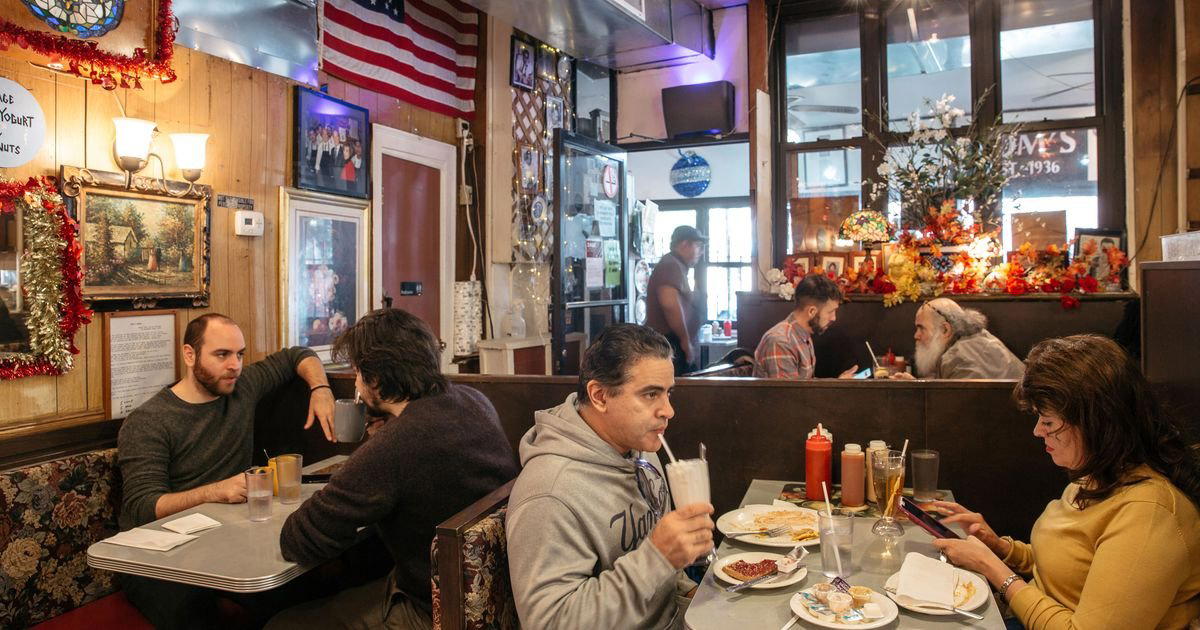
A Counter on Broadway: Tom's Restaurant in Context
The Upper West Side has always sustained a particular kind of eating institution that Manhattan's more fashion-forward dining districts tend to lose: the neighbourhood diner that persists across decades, absorbing demographic shifts, rent cycles, and culinary trend lines without materially changing its format. Tom's Restaurant, at 2880 Broadway near West 112th Street, belongs squarely to that category.
The comparison is not competitive; it is structural. These are restaurants that occupy opposite ends of a spectrum that New York maintains better than almost any other American city: from the maximalist, multi-course counter at Masa to the resolutely direct griddle operation that Tom's has run for nearly ninety years. Both exist because New York has the density and the appetite to sustain them simultaneously.
The Physical Container: How the Space Works
The editorial angle here is architectural, because the space itself is the argument. Tom's occupies a corner position on Broadway that gives it two street-facing facades and a visibility profile that few diners in the city can match. The exterior, white tile, red lettering, the kind of signage that reads as both period-authentic and deeply familiar, is the detail that lodged in popular culture when Seinfeld used the building's facade as the exterior shot for its fictional Monk's Cafe throughout the 1990s. That association gave Tom's a degree of international recognition that no amount of press coverage could have manufactured.
Inside, the space follows the classic New York counter-and-booth grammar: stools at a front counter, booths along the walls, fluorescent overhead light that makes no particular effort toward atmosphere. This is a deliberate format, not an oversight. The counter-and-booth arrangement is the spatial equivalent of the short-order menu, it communicates efficiency, accessibility, and a specific social contract between the diner and the customer. You sit, you order, you eat, you leave. The counter is also a social object: at peak hours, strangers share proximity in a way that the private-table format of restaurants like Atomix or Blue Hill at Stone Barns deliberately precludes.
American diner architecture in this mode reached its peak production in the 1940s and 1950s, when prefabricated stainless-steel diner units were shipped and installed across the northeastern United States. Tom's predates that standardisation slightly, which gives it a slightly more ad hoc quality, the kind of space that was built to function rather than to broadcast a particular design identity. In a city where restaurant interiors are now routinely designed by named studios and styled for social media documentation, that absence of self-consciousness reads, paradoxically, as a form of authority. Compare this to the careful material choices at farm-to-table formats like Single Thread Farm in Healdsburg or the considered rusticity of Smyth in Chicago, both of which use interior design as an extension of culinary philosophy. Tom's makes no such argument. The space is what it is, and that consistency across nearly nine decades is its own credential.
The Columbia University Adjacency
Location matters here in ways that go beyond the address. Tom's sits one block from the main gates of Columbia University's Morningside Heights campus, which has shaped its customer base continuously since the mid-twentieth century. University-adjacent diners in American cities occupy a specific sociological niche: they serve students, faculty, and neighbourhood residents simultaneously, which tends to produce a customer mix that is more intellectually diverse and economically varied than almost any other food-service category. The long-counter format facilitates exactly that kind of mixing. This is not incidental to the restaurant's identity, it is structural to how the space functions and why it has persisted when comparable operations elsewhere in Manhattan have closed.
The Morningside Heights neighbourhood itself sits between the Upper West Side's residential density to the south and Harlem's evolving restaurant scene to the north, occupying a relatively self-contained corridor where institutional anchors, Columbia, Barnard, the Cathedral of St. John the Divine, Riverside Church, give the area a stability that purely residential blocks lack. Restaurants in institutionally anchored neighbourhoods tend to have longer operational lifespans than those in purely retail or entertainment districts, because the customer base replenishes through academic cycles rather than through the more volatile rhythms of fashion and trend. Tom's has benefited from exactly this dynamic for the better part of a century.
Situating Tom's in the Broader American Diner Tradition
The American diner as a category is under structural pressure in most major cities, squeezed between rising real estate costs and the proliferation of fast-casual formats that offer similar price points with more controlled brand identities. New York has retained a higher density of functioning classic diners than most comparable American cities, more than Los Angeles, more than Chicago, partly because of rent-stabilised commercial leases that insulate long-standing operations from market-rate displacement. Tom's at nearly ninety years of continuous operation sits at the far end of that longevity curve.
For context on how the broader American restaurant scene has evolved during Tom's operational lifespan, the range is considerable. Restaurants like The French Laundry in Napa and The Inn at Little Washington opened in 1978 and 1978 respectively, representing a particular post-nouvelle moment in American fine dining. Emeril's in New Orleans, Lazy Bear in San Francisco, Providence in Los Angeles, Addison in San Diego, and Frasca Food and Wine in Boulder all arrived in subsequent decades. Even internationally, operations like Dal Pescatore in Runate and Atelier Moessmer Norbert Niederkofler in Brunico emerged long after Tom's had already established its counter and booth format. That longevity is a data point, not a sentiment.
Know Before You Go
- Address: 2880 Broadway, New York, NY 10025
- Neighbourhood: Morningside Heights, Upper West Side
- Nearest subway: Cathedral Pkwy (110th St) on the 1 line, approximately two blocks south
- Established: 1936
- Format: Classic American diner, counter seating and booths
- Reservations: Not applicable to standard diner format; walk-in only
- Cultural note: The exterior facade was used as the stand-in for Monk's Cafe in Seinfeld throughout the 1990s
A Lean Comparison
Comparable venues nearby, for context on price, style, and recognition.
| Venue | Cuisine | Price | Notes |
|---|---|---|---|
| Tom's RestaurantThis venue — the venue you are viewing | Not listed | $$ | Not listed |
| Pies ’n’ Thighs | Not listed | $$ | Prospect Heights, Southern Fried Chicken & Pies |
| Friedman's | Not listed | $$ | Midtown South-Flatiron-Union Square, Gluten-Free American Comfort |
| Café Standard | East Village, American Bistro Café | $$ | Not listed |
| The Grey Dog | Not listed | $$ | SoHo-Little Italy-Hudson Square, American Comfort Food |
| Morgenstern's BANANAS | Not listed | $$ | Lower East Side, Artisanal Soft Serve & Non-Dairy Ice Cream |
Continue exploring
More in New York City
Restaurants in New York City
Browse all →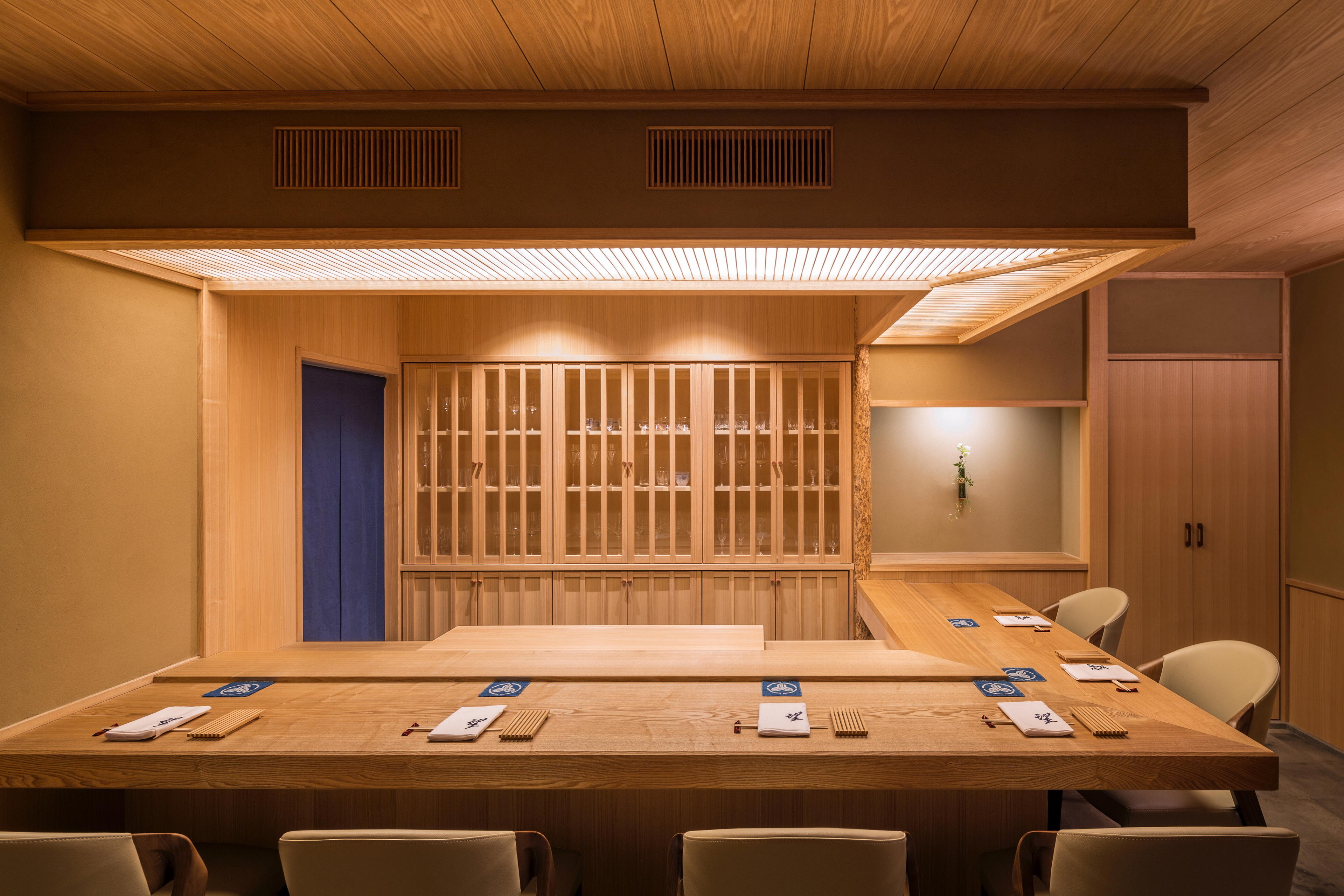
Bars in New York City
Browse all →
Hotels in New York City
Browse all →




At a Glance
- Classic
- Well Known
- Cozy
- Casual Hangout
- Brunch
- Historic Building
Current opening hours
- Monday
- 7 AM–10:30 PM
- Tuesday
- 7 AM–10:30 PM
- Wednesday
- 7 AM–10:30 PM
- Thursday
- 7 AM–10:30 PM
- Friday
- 7 AM–10:30 PM
- Saturday
- 7 AM–10:30 PM
- Sunday
- 7 AM–10:30 PM
Hours can change for holidays and private events. Last verified .
Classic diner atmosphere with high-backed red vinyl booths, neon signs, and a welcoming neighborhood feel.