Tomo Sushi
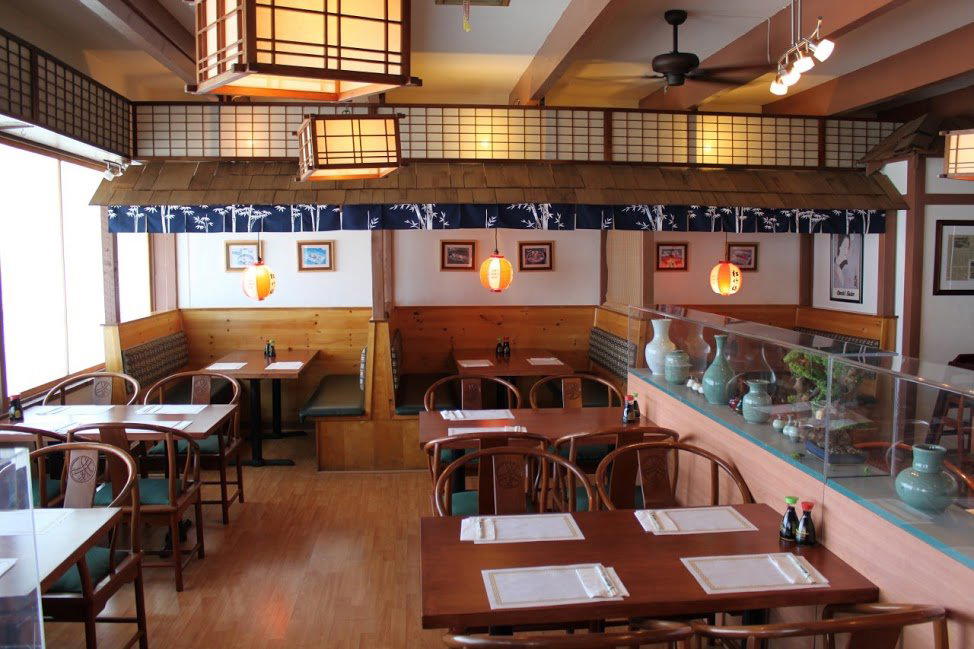
Tomo Sushi occupies a specific position in San Jose's neighbourhood sushi circuit, where the Snell Avenue corridor draws a local clientele rather than destination diners. The address places it in the residential south side of the city, away from the downtown dining cluster, which shapes both the format and the expectations visitors should bring to the room.
- Address
- 5487 Snell Ave, San Jose, CA 95123
South San Jose's Neighbourhood Sushi Register
The residential corridors of south San Jose operate on a different logic than the downtown dining cluster around San Pedro Square or the Santana Row strip. On Snell Avenue, the sushi counters and Japanese restaurants that anchor strip-mall blocks serve a local repeat clientele rather than conference-week visitors or destination diners travelling from San Francisco. That dynamic shapes everything: the format tends toward familiar omakase-lite or à la carte sashimi rather than the architect-designed counter experiences you find at the summit tier of the Bay Area market. Tomo Sushi at 5487 Snell Ave is a Traditional Japanese Sushi restaurant in San Jose, priced around $25 per person, and that context is the right frame for understanding what the restaurant is and what it is not.
For comparison, the Bay Area's upper sushi bracket clusters in San Francisco proper or in closer suburban pockets like Palo Alto. San Jose has a thinner field at that tier. What the city does have, particularly in its southern residential zones, is a reliable mid-market sushi presence where proximity and consistency matter more than culinary ambition. Tomo Sushi operates in that tier, where the relevant comparable set is the surrounding neighbourhood block rather than, say, Lazy Bear in San Francisco or the precision counter formats of Atomix in New York City.
The Broader Sushi Tradition It Sits Within
Japanese cuisine in Silicon Valley has a longer history than the tech-boom narrative typically acknowledges. Japanese American communities established food businesses in the South Bay from the mid-twentieth century, and the area's sushi culture reflects that layered history. What passes for everyday neighbourhood sushi in San Jose, California, sitting alongside more traditional nigiri and a menu calibrated to broad local tastes rather than purist edomae orthodoxy, is a format that developed out of the Americanisation of Japanese technique that began in California and spread nationally.
That fusion trajectory is worth understanding. The intersection of imported Japanese methods and local California ingredients, Pacific halibut, Dungeness crab, locally farmed salmon, West Coast uni, defines the genre. It is a different conversation from what happens at The French Laundry in Napa or Single Thread Farm in Healdsburg, where the sourcing philosophy is foregrounded as part of the dining experience. At neighbourhood sushi level, the local ingredient story is baked into the supply chain quietly, without ceremony. The West Coast advantage, access to Pacific seafood that the rest of the country receives frozen and at a premium, is real, and it benefits this tier of restaurant as much as the decorated ones.
San Jose's dining scene as a whole covers more ground than its reputation suggests. Portuguese-influenced cooking at Adega and Alma de Amón reflects the city's significant Portuguese-American population. Caribbean and Latin American kitchens like Back A Yard Caribbean Grill and Italian-focused spots like Antipastos by DeRose add further texture. The city's Japanese restaurant tier, including neighbourhood counters like Tomo Sushi, is one strand in a genuinely multicultural dining city that tends to be underread by food media relative to its northern neighbours.
Reading the Snell Avenue Address
Address context matters for sushi in particular. The Snell Avenue location places the restaurant in a residential-commercial strip that draws from the surrounding neighbourhoods rather than from a destination foot-traffic pattern. This is the kind of sushi that works as a regular Tuesday dinner rather than a special-occasion booking. That is not a diminishment, the neighbourhood sushi institution is a specific and valuable category, and the regulars who sustain these restaurants across decades know something that destination diners often miss. Consistency over time, the ability to absorb a weekly visit without wearing out, is a harder metric to sustain than a single impressive meal.
The south San Jose corridor also sits at a remove from the more heavily reviewed dining pockets of the city. That obscurity within a city already underreported in national food media creates a layered invisibility that is worth naming. Restaurants at this address level rarely attract the kind of coverage that flows to Augustine or the more conspicuous downtown dining options. The result is a dining tier that operates on word-of-mouth and repeat local business, which is its own form of quality signal.
Practical Notes for Visitors
Prospective visitors should check directly with the restaurant before travelling, particularly for weekend evenings, when neighbourhood sushi counters in this part of San Jose can run shorter waits than comparable spots further north but are not immune to demand spikes. The Snell Avenue address is accessible by car from the 85 and 87 freeways. For diners building a broader San Jose evening, pairing a neighbourhood sushi dinner in this corridor with a visit to other south-side restaurants is more efficient than combining it with the downtown Portuguese dining cluster.
Visitors comparing the neighbourhood sushi tier to Bay Area alternatives further afield should calibrate expectations accordingly. The decorated formats, the multi-course precision work at Providence in Los Angeles, the tightly controlled sourcing at Blue Hill at Stone Barns in Tarrytown, or the European-inflected seafood rigour at Le Bernardin in New York City, are operating in a different register entirely. Within San Jose's own market, the relevant comparison is lateral: other neighbourhood Japanese restaurants on the south and east sides, not the Michelin circuit.
The Essentials
Comparable venues nearby, for context on price, style, and recognition.
| Venue | Cuisine | Price | Notes |
|---|---|---|---|
| Tomo SushiThis venue — the venue you are viewing | Willow Glen, Traditional Japanese Sushi | $$ | Not listed |
| Hokkaido Ramen Santouka らーめん山頭火 | Not listed | $$ | Strawberry Park, Hokkaido-Style Tonkotsu Ramen |
| Sushi Confidential Willow Glen | Willow Glen, Modern Sushi | $$ | Not listed |
| Blowfish Sushi to Die For | Santana Row, Fusion Japanese Sushi | $$ | Not listed |
| Trifecta | Not listed | $$ | Silver Creek, Japanese-Filipino Fusion Omakase |
| TEXAMEX Restaurant | Westwinds, Tex-Mex | $$ | Not listed |
Continue exploring
More in San Jose
Restaurants in San Jose
Browse all →
Bars in San Jose
Browse all →
Hotels in San Jose
Browse all →
Wineries in San Jose
Browse all →
At a Glance
- Cozy
- Classic
- Casual Hangout
- Group Dining
- Family
- Open Kitchen
- Sake Program
- Sustainable Seafood
Warm wooden accents throughout the sushi bar with a welcoming, cozy atmosphere that encourages guests to savor each dish.