Tomaso's on Camelback
A Phoenix institution on the Camelback corridor, Tomaso's has anchored the city's Italian dining tradition for decades. The room carries the weight of a neighbourhood establishment that regulars return to by habit rather than occasion, with a kitchen operating in the classic Italian-American register. For visitors to Phoenix seeking a settled, unflashy dining experience, it belongs in the same conversation as the corridor's longer-standing addresses.
Pearl is the En Primeur Club membership app — saves, bookings, and concierge access live there. Same editors, same standards.
- Address
- 3225 E Camelback Rd, Phoenix, AZ 85018
- Phone
- +16029560836
- Website
- tomasos.com
- Directions
- Get directions
 Saves & bookings on Pearl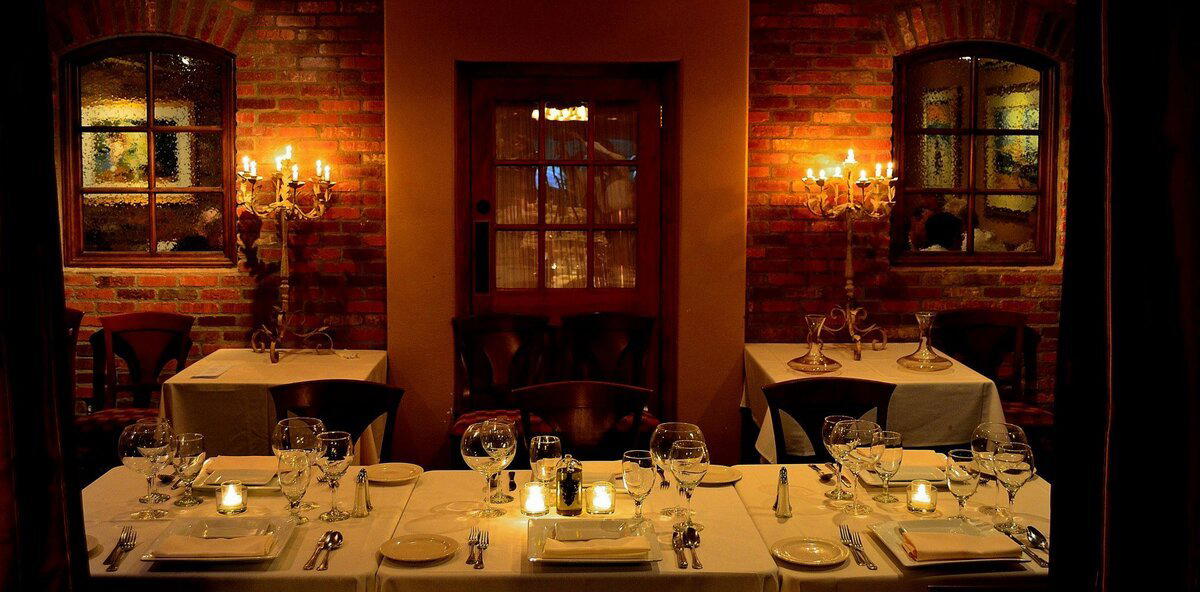
The Camelback Corridor and the Weight of Familiarity
Phoenix's Camelback Road has long operated as the city's most concentrated stretch of sustained dining ambition. Where other Phoenix corridors cycle through concepts at the pace of a fast-moving lease market, Camelback's east end holds a cluster of addresses that have outlasted trends by staying anchored to a specific register. Italian-American dining of the traditional variety occupies a particular slot in that mix: not the modernist Italian threading through cities like New York or Los Angeles, but the kind of room where the lighting stays low, the menu changes little, and the regulars know what they're ordering before they sit down. Tomaso's on Camelback at 3225 E Camelback Rd has operated in that tradition for long enough to carry the credibility that only repetition and survival build.
That kind of institutional weight is worth understanding on its own terms. American cities that lack a deep restaurant history often produce dining institutions through longevity rather than critical elevation, and Phoenix is no exception. An address that has held its position on a competitive corridor across decades of expansion, recession, and the arrival of multiple competing formats has done something genuinely difficult. It has convinced a city that reorders itself constantly to keep returning. That's a different kind of trust signal than a Michelin star or a 50 Best ranking, but it's a real one.
What the Room Communicates
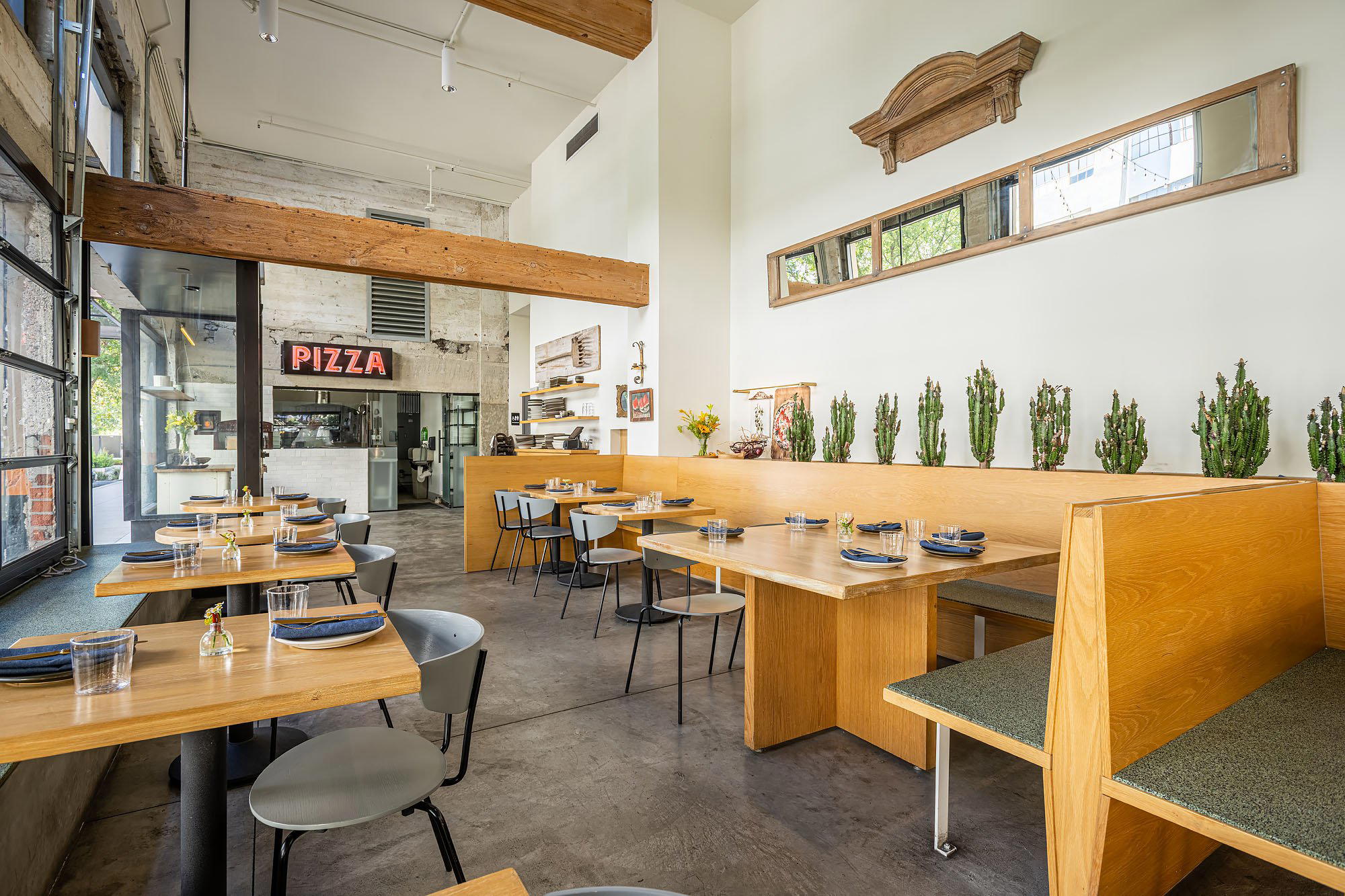
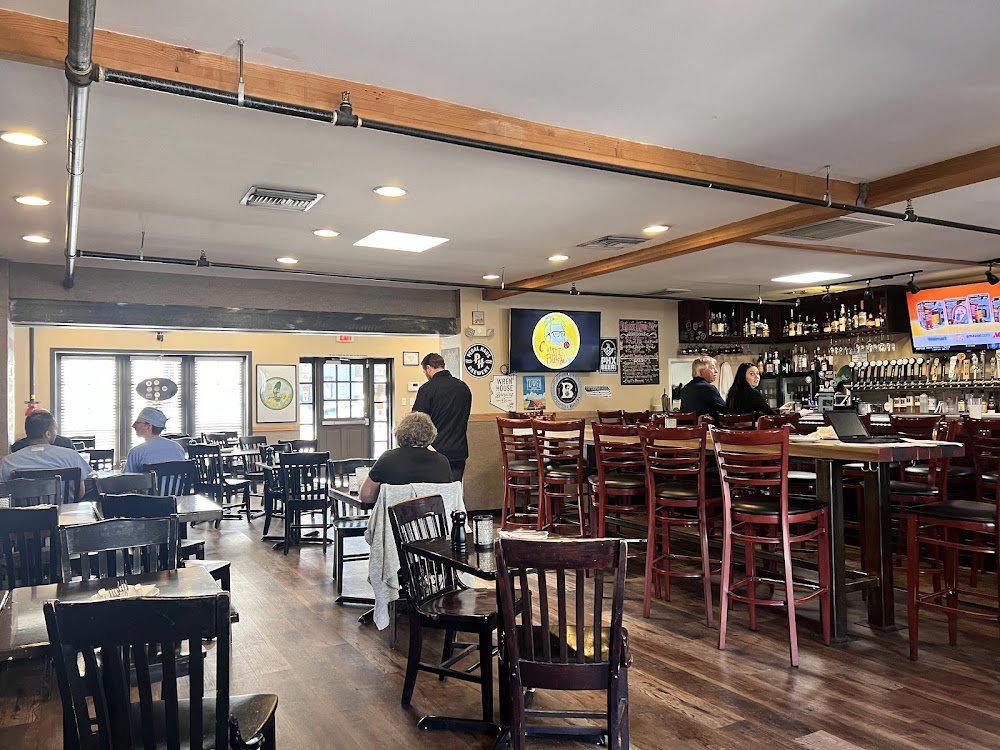
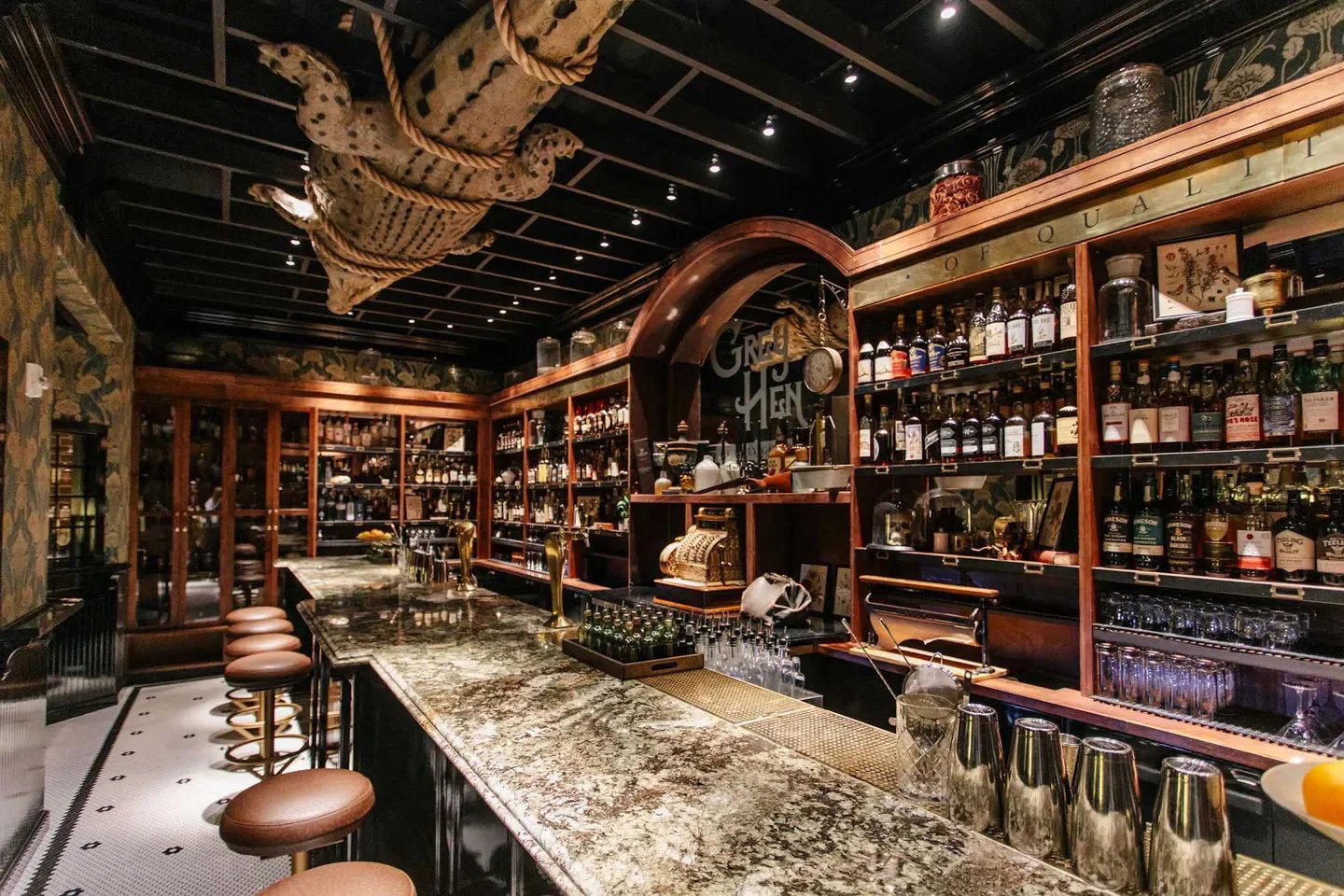
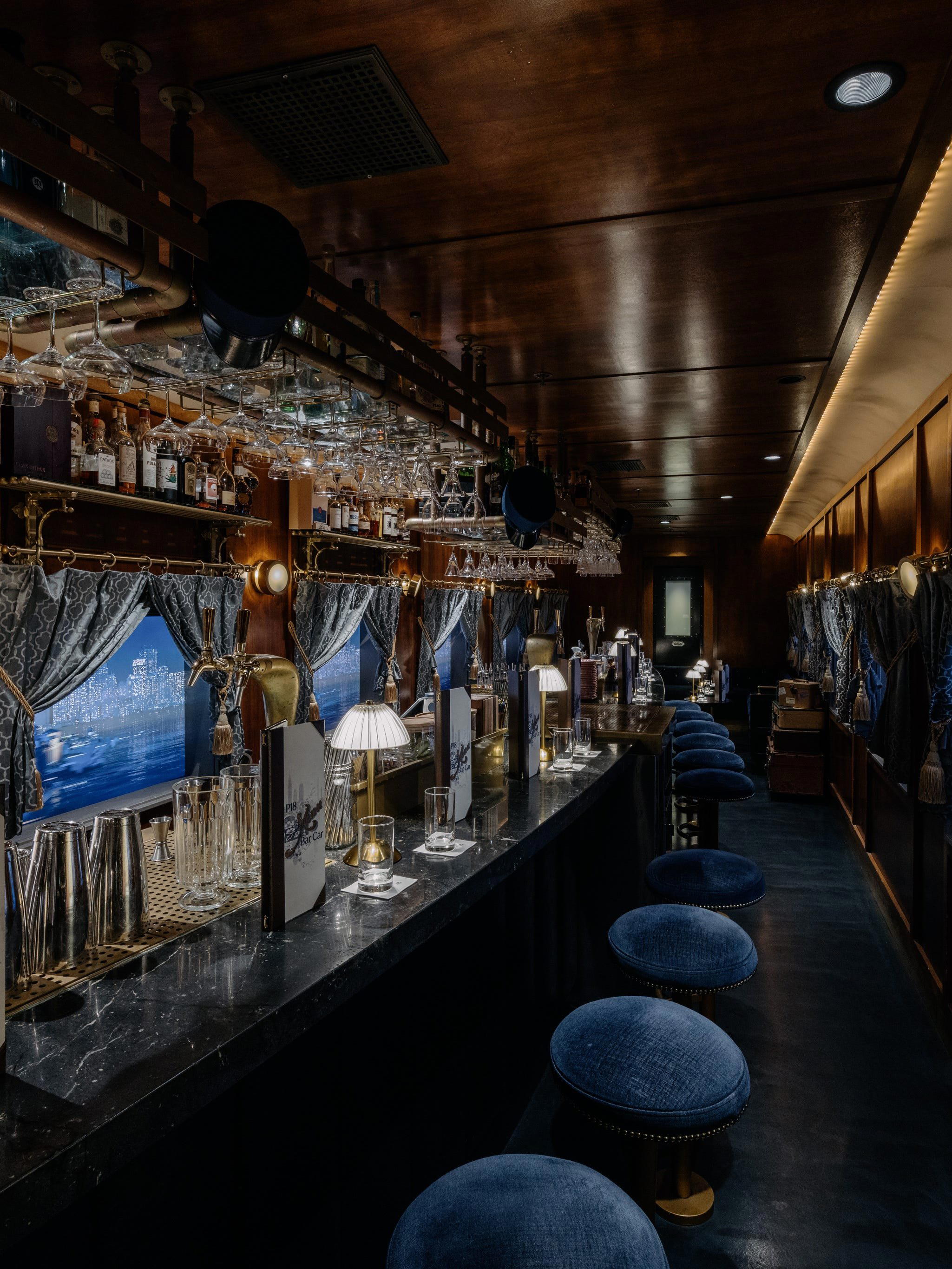
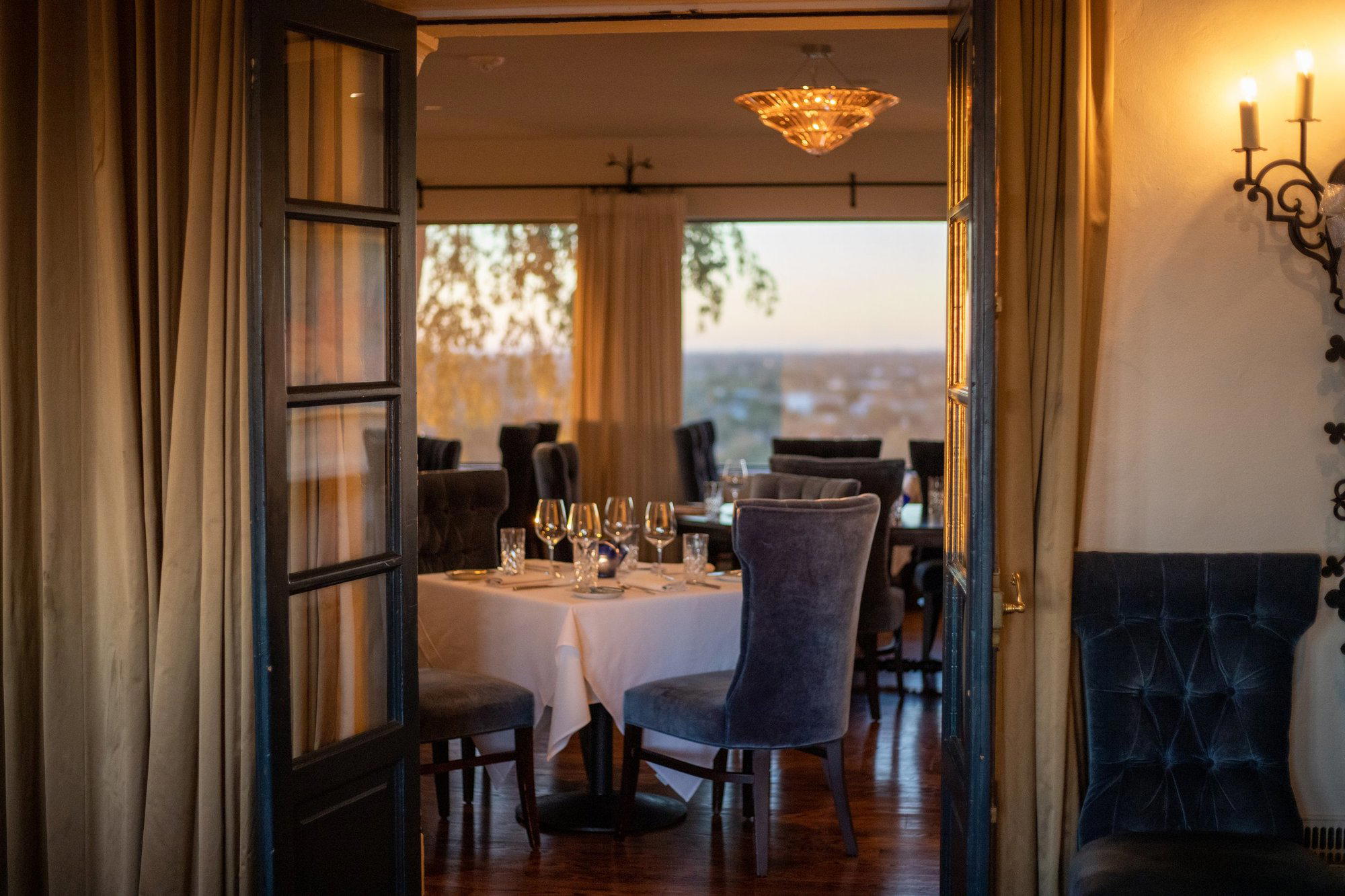
The atmospheric grammar of traditional Italian-American dining in the United States follows a consistent logic: warmth over spectacle, enclosure over openness, texture accumulated over time rather than designed in a single fit-out. The dominant sensory register is amber, low-frequency, and familiar. Approaching and entering Tomaso's, the cues align with that tradition rather than depart from it. This is not a room competing for Instagram real estate or chasing the open-kitchen theatre that defines much of contemporary American dining. It is, by design or by habit, a room where the visual environment recedes and the meal moves forward.
That restraint matters in a city that has spent the past decade adding high-design hospitality at pace. Phoenix's dining scene, covered in full in our full Phoenix restaurants guide, has diversified sharply: the Sonoran-inflected cooking at Bacanora brings northern Mexican tradition to a serious modern room, while the precision Thai work at Lom Wong represents the kind of focused, format-specific cooking that wins devoted repeat visitors. Against that backdrop, a room that prioritises consistency over novelty occupies a specific and legitimate position.
Italian-American Tradition in the Desert Southwest
Classic Italian-American cooking arrived in the American Southwest later and thinner than it did in the northeast, which makes establishments that have held the tradition for an extended period worth placing in context. In cities like Phoenix, Italian dining has historically sorted into two broad tiers: casual, pizza-led neighbourhood formats at one end, and the more formal red-sauce and pasta tradition at the other. The latter tier, which draws from the Sicilian and southern Italian immigrant tradition filtered through decades of American adaptation, is what addresses like Tomaso's represent. It is a category that has contracted nationally as fine-dining Italian moved toward lighter, more ingredient-driven formats, which is part of what makes a long-running practitioner of the older style increasingly specific.
For context on where Italian-American fine dining sits within the wider national conversation, counters like Le Bernardin in New York City and progressive American kitchens like Alinea in Chicago represent the pole furthest from this tradition, where technique and conceptual ambition define the register entirely. The more grounded, place-specific American dining tradition appears in different forms at Emeril's in New Orleans or at farm-driven formats like Blue Hill at Stone Barns in Tarrytown. Tomaso's occupies none of those positions. It sits in the category of the durable American neighbourhood institution, which is its own tradition and should be read on those terms.
The Camelback corridor itself supports this reading. Vincent Guerithault on Camelback has held its French Southwestern position on the same road for decades, establishing a precedent that the corridor rewards sustained commitment to a defined format over reinvention. That two long-running addresses with distinct culinary traditions have coexisted on the same stretch speaks to a dining culture in Phoenix that has, at least in this pocket, valued continuity.
Where It Sits in the Phoenix Dining Picture
Phoenix's dining development over the past fifteen years has pulled in several directions at once. Casual-format addresses like Pane Bianco have built sustained reputations on a narrow, well-executed focus. Diner formats like 5 and Diner occupy the nostalgic register. The city's ambitious end looks toward formats like those at Lazy Bear in San Francisco, Single Thread Farm in Healdsburg, or Providence in Los Angeles as reference points for what refined intent produces at scale. Locally, Tomaso's doesn't position against any of those.
That positioning carries its own demands. A room operating in the familiarity register lives or dies on execution consistency. The sensory experience in a traditional Italian-American dining room is built from accumulated small details: the temperature of the bread, the weight of the pour, the timing between courses, the absence of the kind of friction that reminds a diner they're in an unfamiliar room. When it works, the sensation is one of ease rather than excitement, which is what the format promises. Kitchens built on that promise, at addresses from Addison in San Diego to The Inn at Little Washington, understand that consistency is itself a craft. The comparison set is different, but the underlying discipline is not.
Know Before You Go
| Address | 3225 E Camelback Rd, Phoenix, AZ 85018 |
|---|---|
| Neighbourhood | Camelback Corridor, Phoenix |
| Format | Traditional Italian-American dining room |
| Booking | |
| Leading For | Established neighbourhood dining; returning visitors to Phoenix; mid-week dinners with less competition for tables |
At a Glance
- Elegant
- Sophisticated
- Classic
- Date Night
- Special Occasion
- Business Dinner
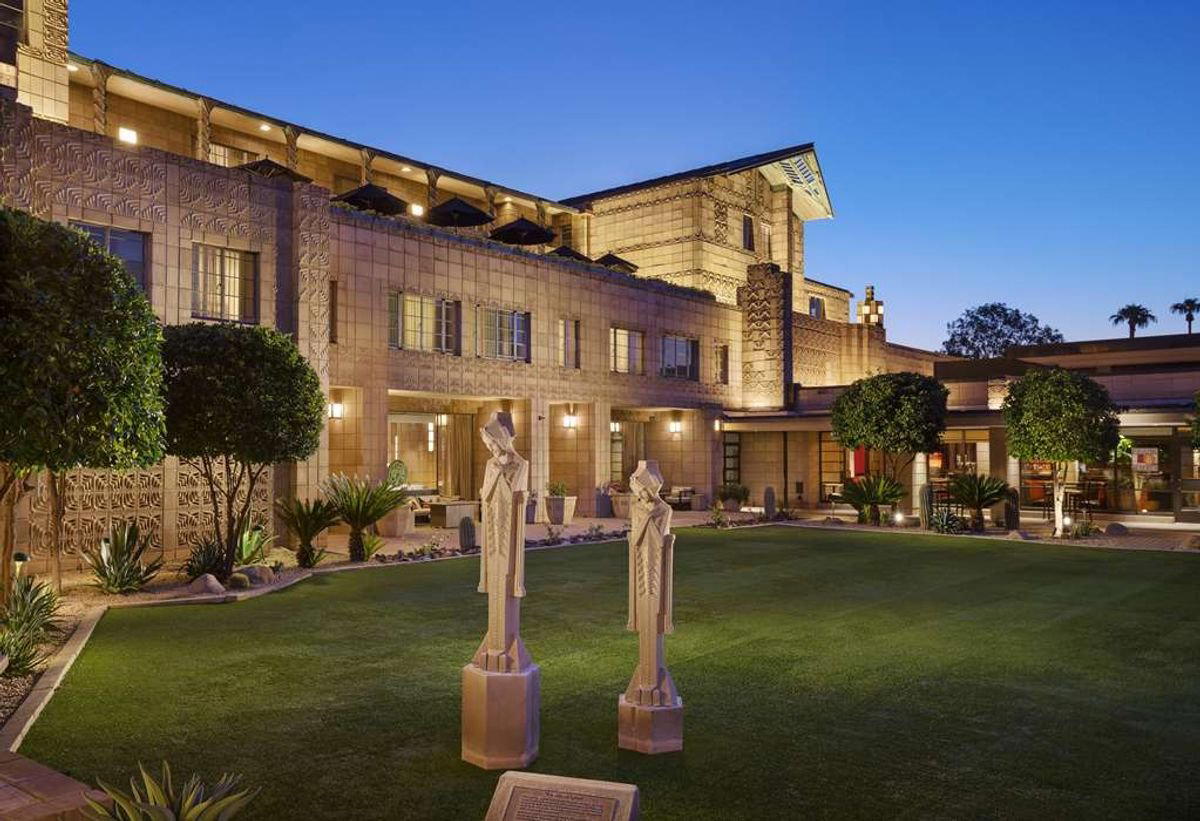
- Historic Building
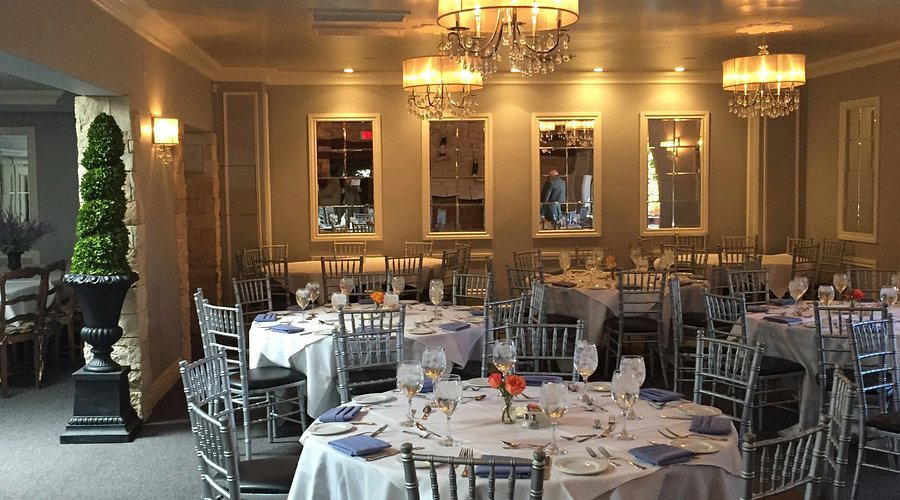
Sophisticated and warm-feeling space with spacious white-tablecloth dining and relaxed vibe.
Know Before You Go
- Getting there
- 3225 E Camelback Rd, Phoenix, AZ 85018