Tratto
Tratto occupies a particular position in Phoenix's mid-to-upper Italian dining tier, where the physical setting does as much work as the kitchen. Located on N 20th Street in the Biltmore corridor, it draws a regular crowd that returns for the room as much as the menu. The space and the food operate in conversation, making it one of the more considered Italian addresses in the city.
Pearl is the En Primeur Club membership app — saves, bookings, and concierge access live there. Same editors, same standards.
- Address
- 4743 N 20th St, Phoenix, AZ 85016
- Phone
- +16022967761
- Website
- opentable.com
- Directions
- Get directions
 Saves & bookings on Pearl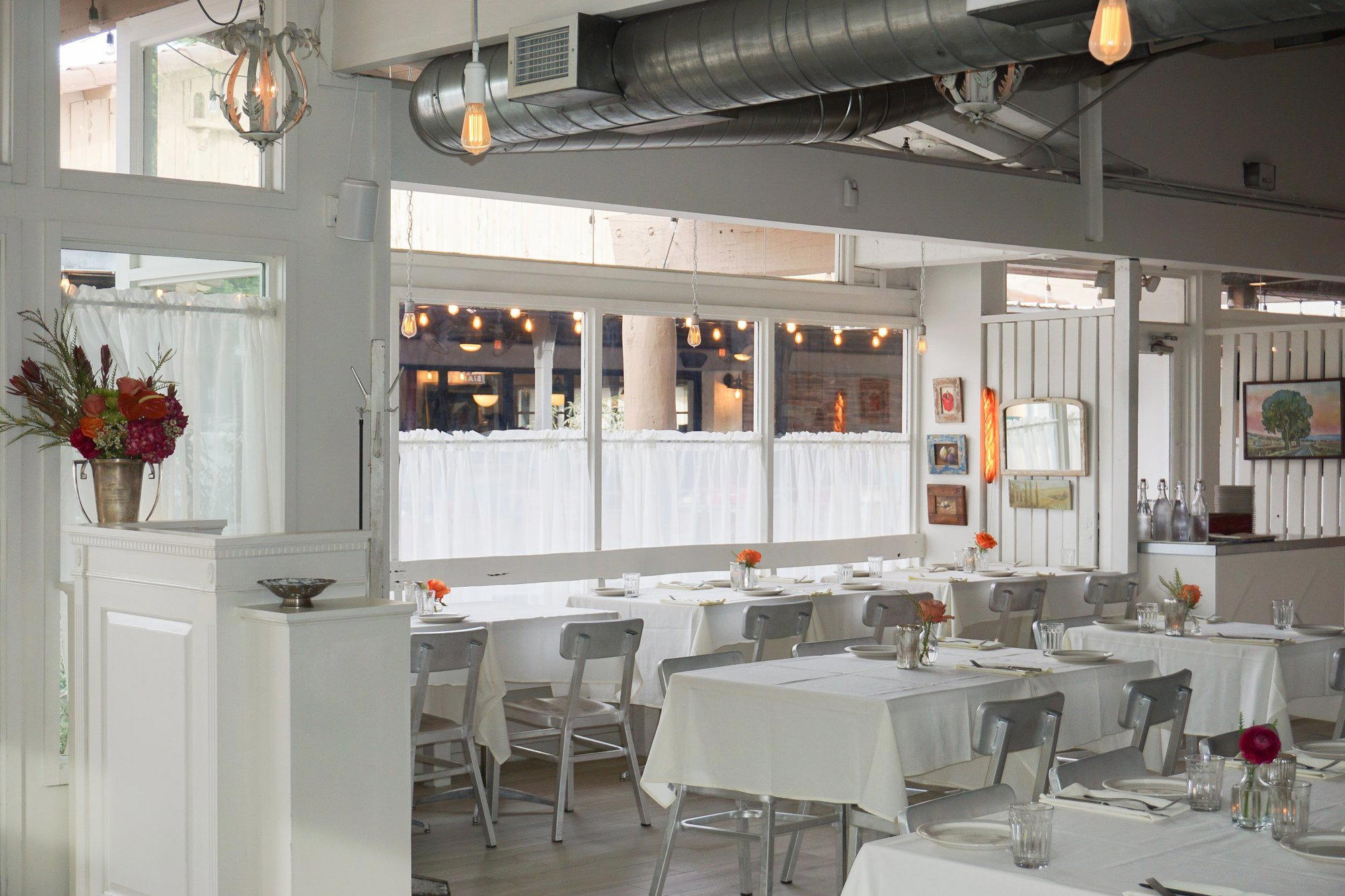
The Room as Argument
Phoenix has spent the better part of a decade building a serious restaurant culture, and the Italian segment of that culture has split along a clear design axis. On one side sit the loud, red-sauce trattorias that lean on volume and familiarity. On the other sit a smaller number of rooms where the architecture itself makes a case for the food. Tratto, a rustic Italian trattoria with Southwestern flair in Phoenix, belongs to the second group. The physical container here is not incidental. It is, in most respects, the first thing the food has to answer to.
The Biltmore corridor is worth understanding before walking through the door. This stretch of central Phoenix has historically attracted a more settled, neighborhood-loyal dining crowd than the flashier corridors further east or downtown. Restaurants here tend to hold rather than spike, building steady regulars rather than chasing opening-week noise. That dynamic shapes what Tratto has become: a room with a point of view, frequented by people who have already decided where they stand on it.
Architecture Doing the Heavy Lifting
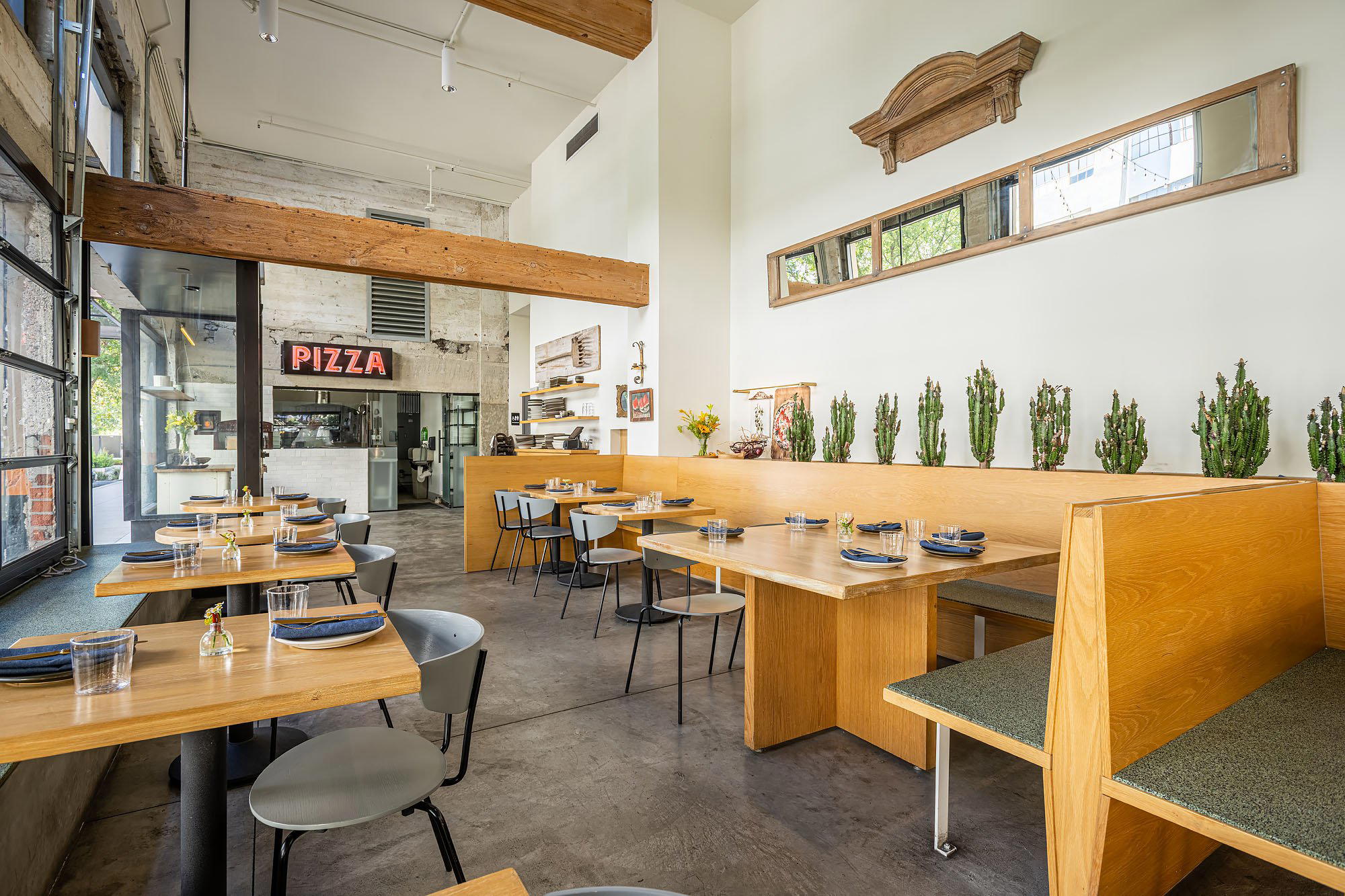
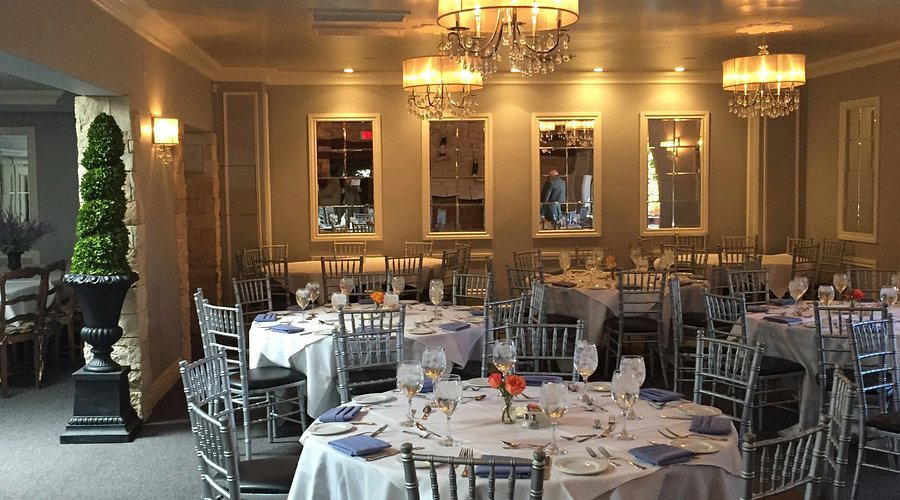
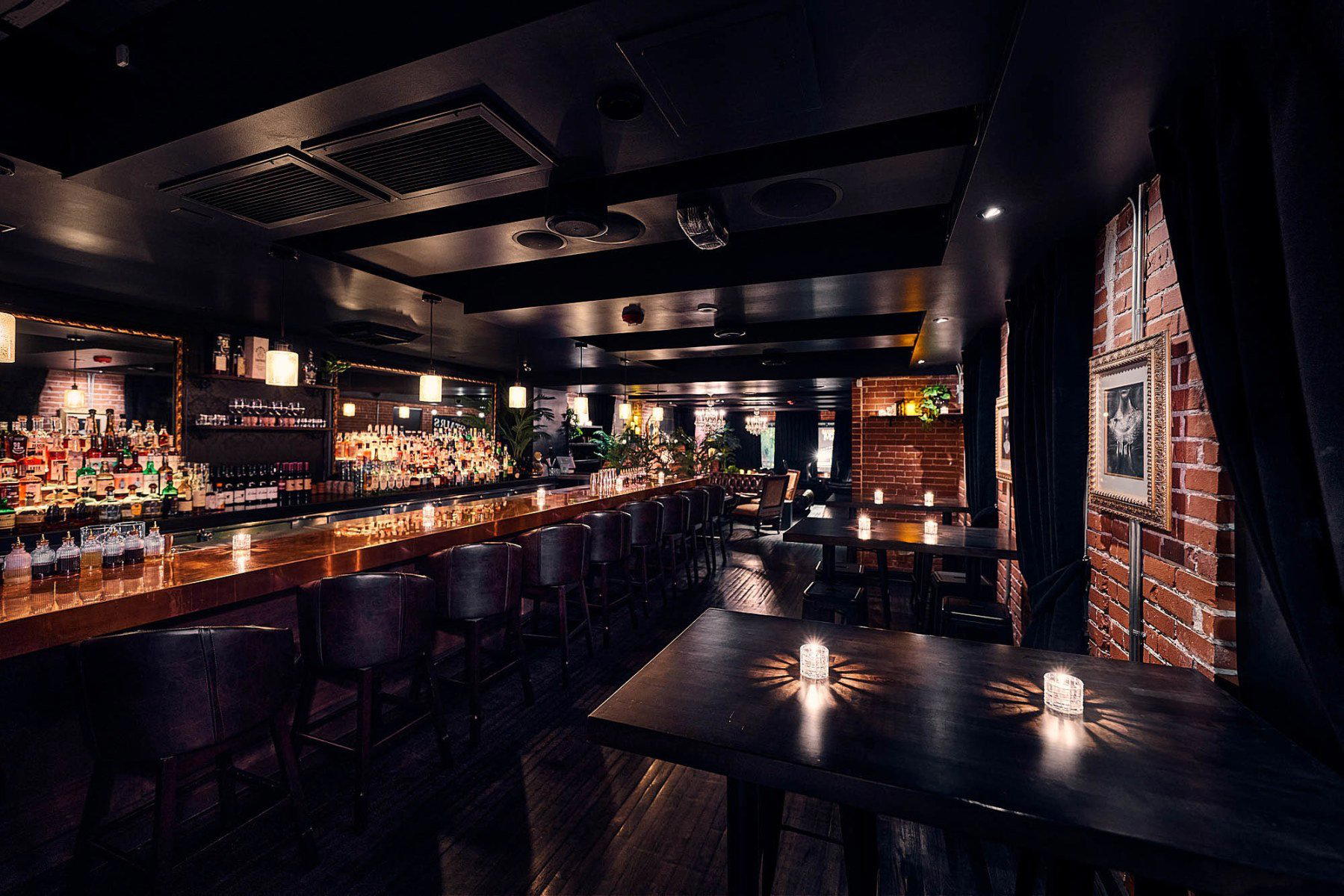
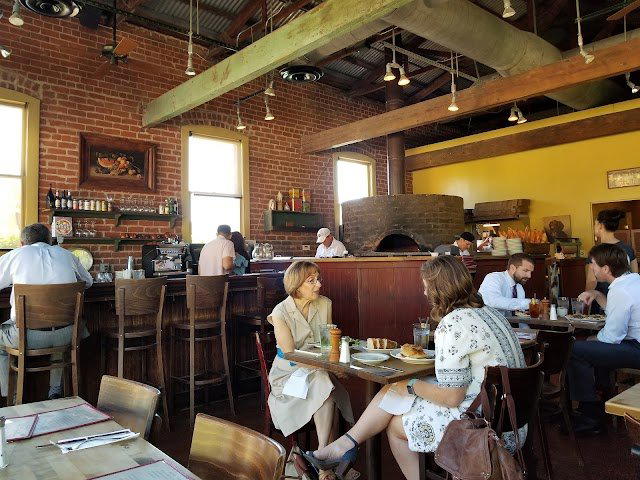
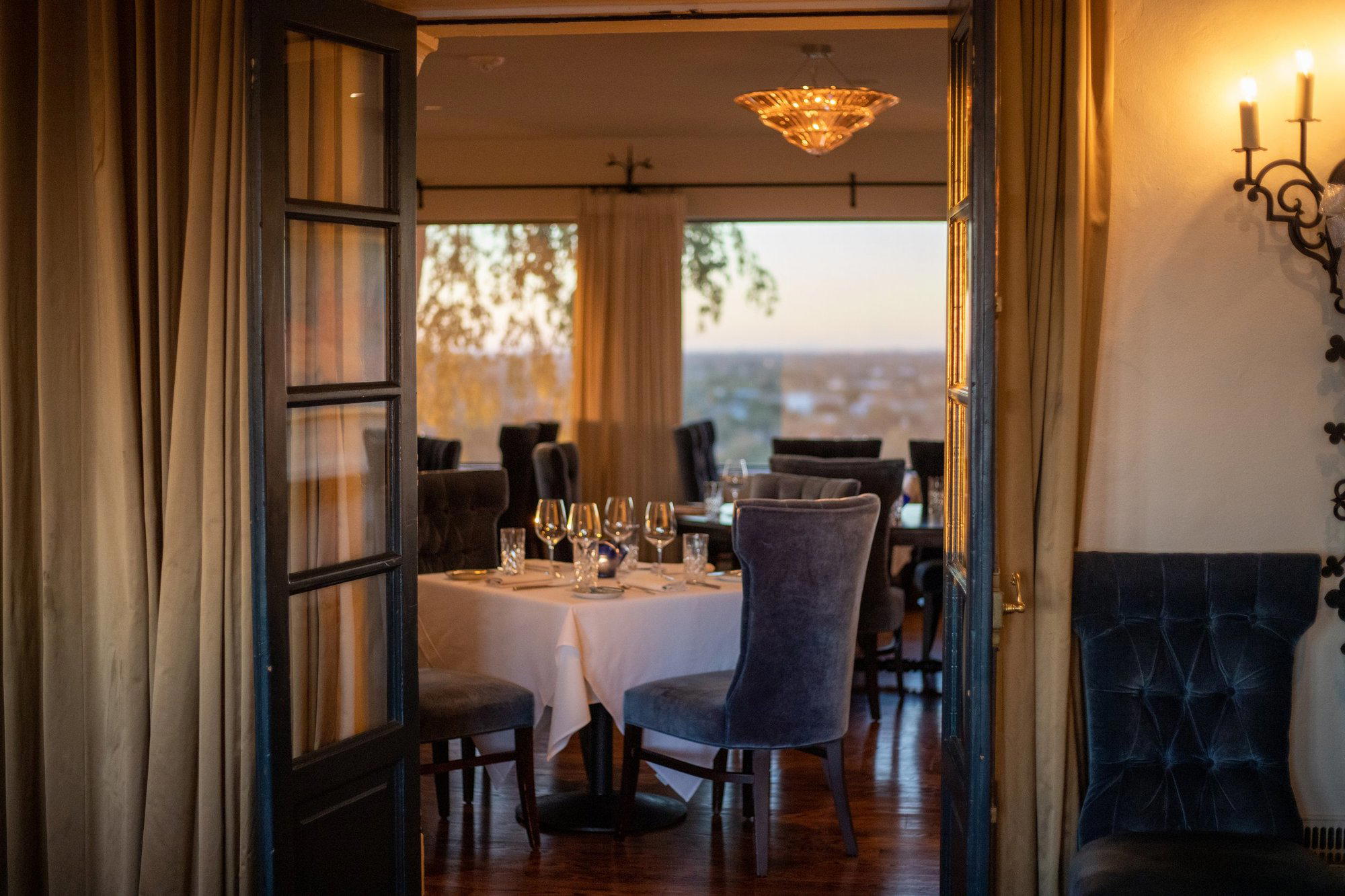
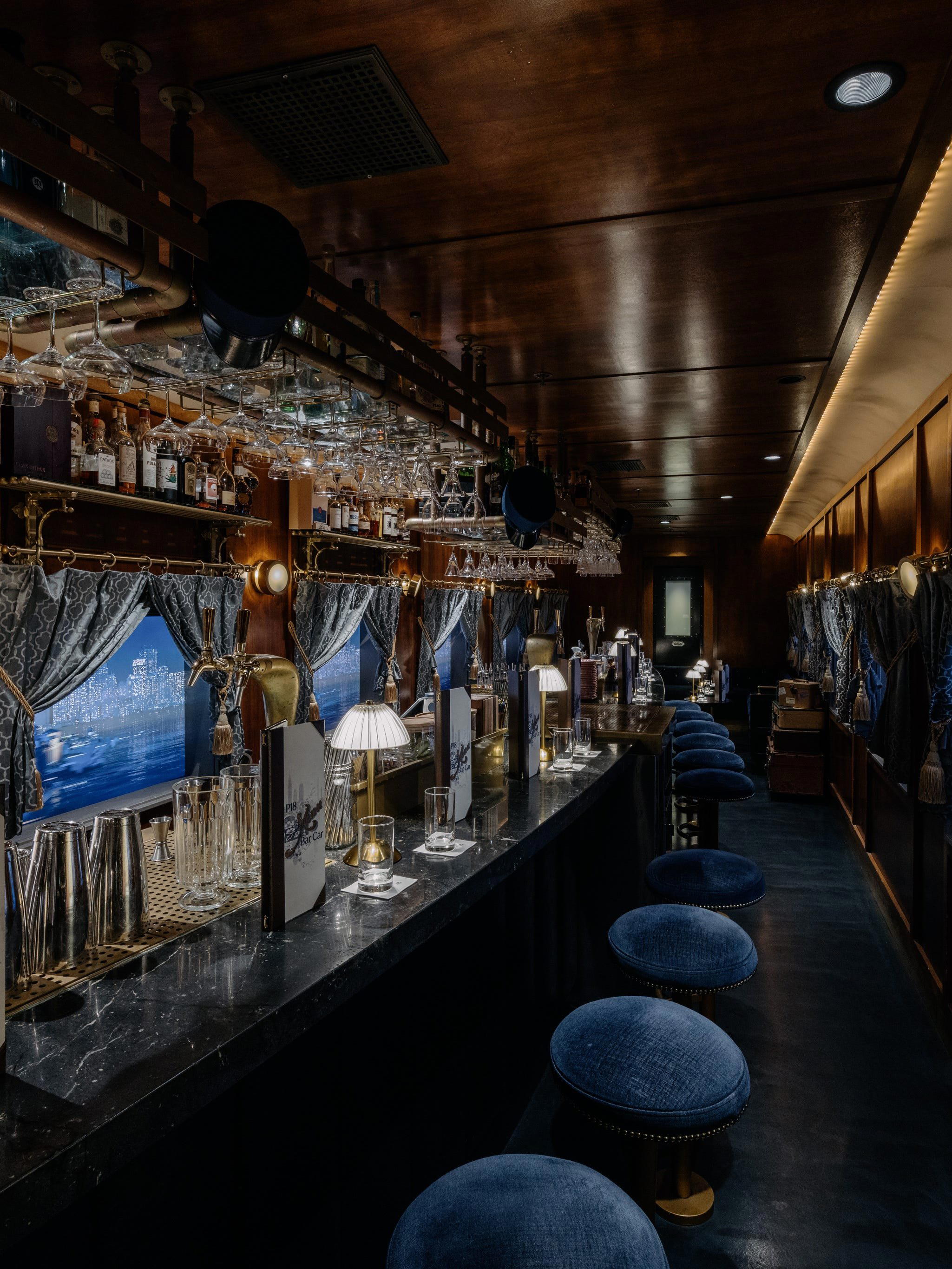
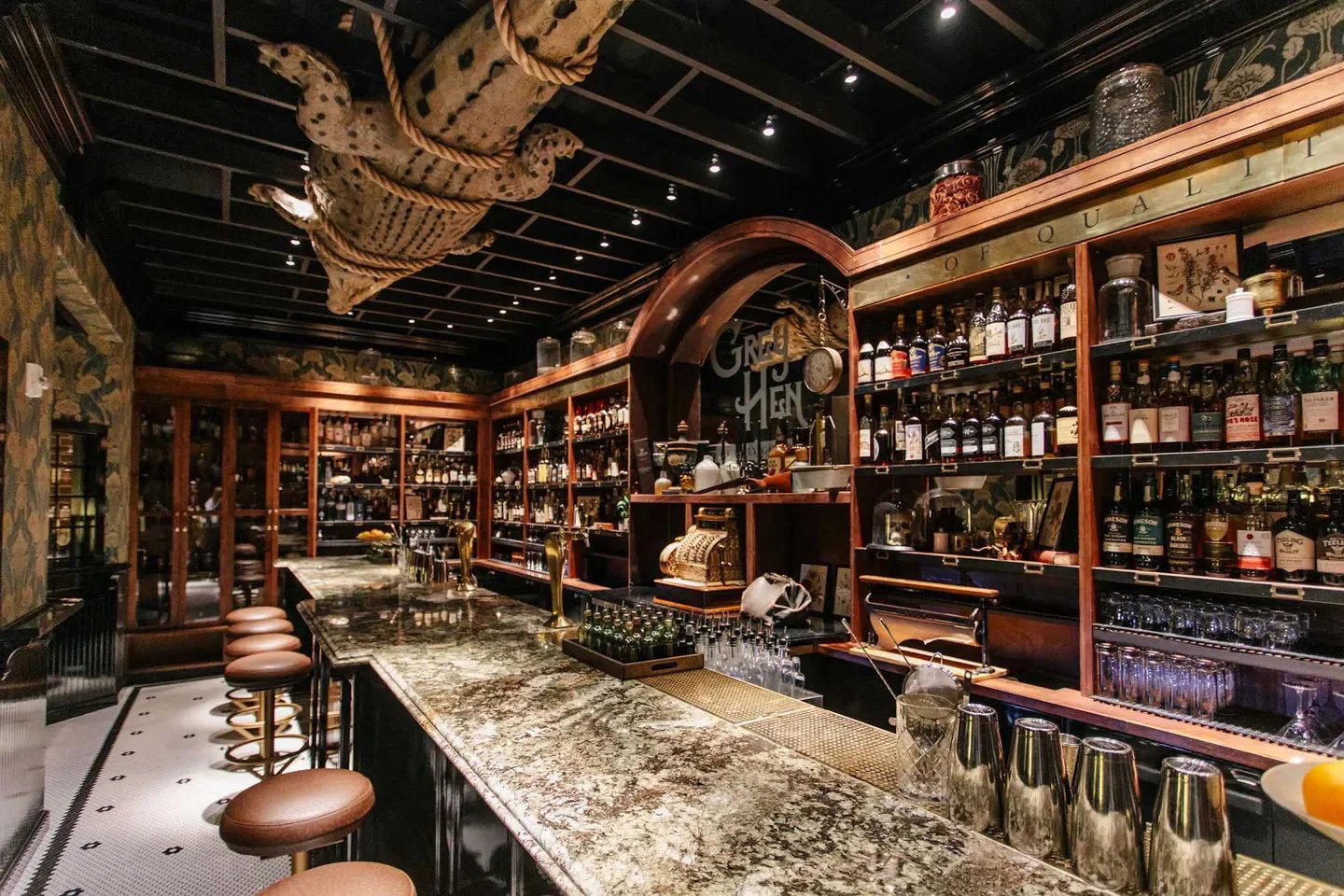
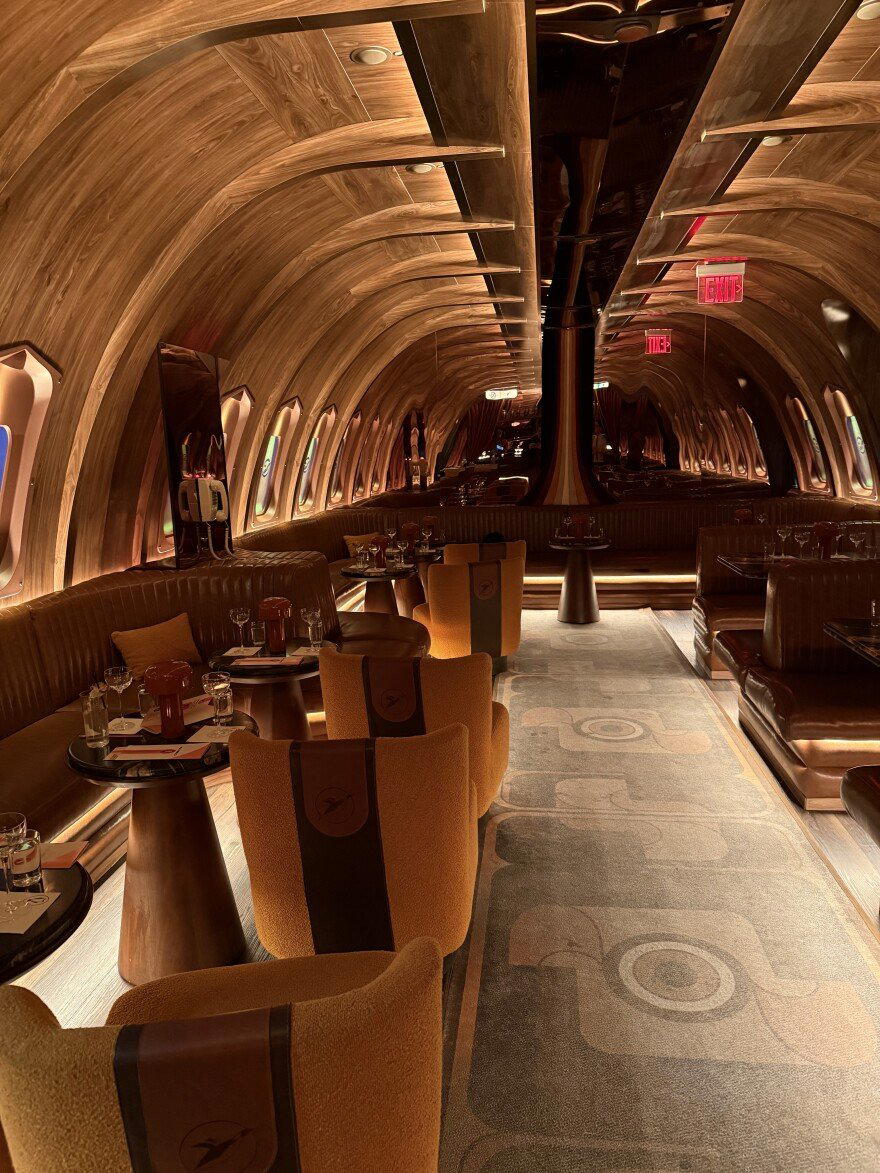
The design language at Tratto runs toward restraint. The interior reads as deliberately considered rather than decorated: warm tones, a spatial arrangement that separates tables enough to allow actual conversation, and lighting calibrated to flattery without theatrics. Italian-American restaurant design in the American Southwest has often defaulted to either Tuscan-villa pastiche or stripped-back minimalism; Tratto occupies the more interesting territory between those poles. The room feels like it was designed for a specific kind of evening rather than for a generic dining occasion.
Seating configuration matters more than most diners consciously register, and here it performs a specific function. The arrangement discourages the in-and-out pace of a casual trattoria and encourages the kind of seated rhythm where you order another glass of wine before the entrees arrive. That is a design choice as much as a hospitality one, and it places Tratto in the category of rooms built for duration rather than throughput.
Across the American dining scene, the venues drawing sustained critical and consumer attention in the Italian category have increasingly been those where space and menu cohere rather than operate independently. Lazy Bear in San Francisco and Alinea in Chicago represent the extreme end of that spatial intentionality at the fine-dining tier. Tratto operates at a different register, but the underlying logic is the same: the room is part of the proposition.
Where Tratto Sits in Phoenix's Italian Conversation
Phoenix's Italian dining tier has expanded meaningfully in recent years without producing an obvious anchor institution at the leading. The city lacks the kind of decades-old Italian flagship that cities like New York or San Francisco carry as reference points. What it has instead is a competitive mid-upper tier where individual rooms distinguish themselves through consistency, neighbourhood loyalty, and, increasingly, design identity. Tratto competes in that tier.
For comparison, the French Southwestern register at Vincent Guerithault on Camelback has held its position in Phoenix through a combination of longevity and culinary specificity. The Sonoran-inflected Mexican cooking at Bacanora has built a different kind of following through ingredient focus. Tratto's position is distinct from both: it is Italian in the more classical European-American sense, and it leans on the room and the experience of being there as a primary differentiator.
The Thai register at Lom Wong and the direct American proposition at Pane Bianco illustrate how broad Phoenix's dining range has become across price points. At the other end of the format spectrum, 5 & Diner anchors the casual end. Tratto's register sits clearly above the casual tier without reaching into the full fine-dining bracket occupied nationally by addresses like The French Laundry in Napa, Le Bernardin in New York City, or Providence in Los Angeles.
Internationally, Italian restaurants operating at the premium end of the design-led tier include addresses like 8 1/2 Otto e Mezzo Bombana in Hong Kong, which has used space and Italian classical training to occupy a clear position in a competitive Asian dining market. The lesson from that model, and from comparable American rooms, is that design coherence tends to extend a restaurant's competitive lifespan in ways that menu novelty alone does not.
What Regulars Come Back For
The question of what regulars order at a room like Tratto is answered by understanding what kind of room it is. Italian menus at this register tend to anchor around pasta made in-house, proteins treated with enough technique to justify the price point, and a wine list that covers Italian regions without requiring a sommelier degree to navigate. Regulars at neighbourhood-rooted Italian rooms of this type typically settle into patterns: a preferred pasta, a go-to secondo, a familiar producer on the wine list. The menu is the backdrop; the room and the ritual are the draw.
For context on how Italian restaurants at the upper mid-tier are building reputations nationally, it is worth noting that venues like Single Thread Farm in Healdsburg and Blue Hill at Stone Barns in Tarrytown have demonstrated that sourcing transparency and spatial intentionality can substitute for conventional fine-dining signifiers. Tratto operates in a different culinary tradition, but the broader pattern holds: rooms that have something to say architecturally tend to attract diners who return for the total experience rather than any single dish.
Know Before You Go
- Address: 4743 N 20th St, Phoenix, AZ 85016
- Neighbourhood: Biltmore corridor, central Phoenix
- Booking: Reservation recommended, particularly for weekend evenings; the room's layout means walk-in availability is limited during peak service
- Leading season: Phoenix's October-to-April window, when outdoor-adjacent dining and the post-summer return of the city's dining public makes this neighbourhood particularly active
- Peer context: Sits in Phoenix's Italian mid-to-upper tier; compare with neighbourhood-rooted rooms rather than full fine-dining tasting menu formats
- Further reading: See our full Phoenix restaurants guide for broader context on the city's dining tiers
Comparable Spots
Comparable venues nearby, for context on price, style, and recognition.
| Venue | Cuisine | Price | Notes |
|---|---|---|---|
| TrattoThis venue — the venue you are viewing | Rustic Italian Trattoria with Southwestern Flair | $$$ | Not listed |
| Alexi's Grill | Italian Grill with Mediterranean & Southwestern Influences | $$$ | Encanto |
| Tutti Santi - Phoenix | Traditional Italian Family Trattoria | $$$ | Skyline Heights |
| Nook Kitchen Arcadia | Modern American with Italian Roots | $$ | Camelback East |
| The Gladly | New American | $$$ | Colony Biltmore Iv |
| Avanti | Classic Italian Fine Dining | $$$ | Squaw Peak Terrace |
At a Glance
- Rustic
- Elegant
- Intimate
- Sophisticated
- Date Night
- Special Occasion
- Open Kitchen
- Extensive Wine List
- Local Sourcing
- Farm To Table
Current opening hours
- Monday
- Closed
- Tuesday
- 5–9 PM
- Wednesday
- 5–9 PM
- Thursday
- 5–9 PM
- Friday
- 5–9 PM
- Saturday
- 5–9 PM
- Sunday
- Closed
Hours can change for holidays and private events. Last verified .
Intimate setting with exposed brick, antiqued furniture, open kitchen, flickering tapered candles, and soft lighting.