Toki Underground



Michelin Bib Gourmand · Diners, Drive-Ins and Dives Featured Restaurant
Our verdict
On H Street NE, Toki Underground operates on the second floor above The Pug Bar, carrying a Michelin Bib Gourmand and a 2024 ranking in Opinionated About Dining's Cheap Eats in North America. The format is strict: reservations only, counter seats, and roughly one hour per sitting. Five ramen selections, all freshly made, are the focus.

Pearl is the En Primeur Club membership app, where members save venues, book tables and use the concierge.
The menu
What to order
- Toki Classic Ramen
- Fried chicken steamed buns
Up the Stairs, Into the Bowl
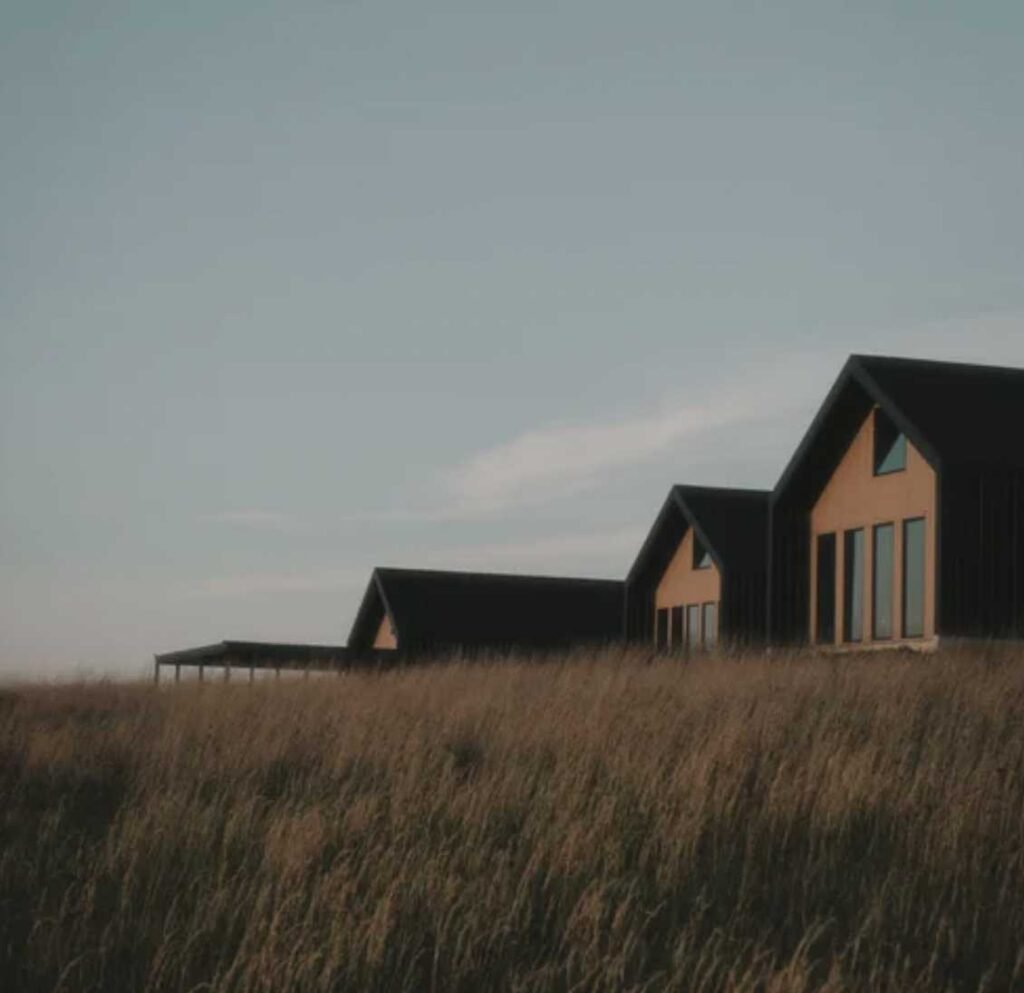
H Street NE has spent the better part of a decade asserting itself as Washington's most restless dining corridor, where a $14 bowl of ramen can share a block with serious tasting-menu ambition. The street rewards a certain kind of commitment: these are places that back a position and hold it. Toki Underground holds one firmly. You enter through the same door as The Pug Bar below, climb a flight of stairs, and arrive in a room that reads more like a record collector's storage unit than a restaurant, raw wood beams, walls covered in stickers and handwriting, Christmas lights strung without ceremony. The aesthetic is not accidental. In the American ramen conversation, where some operators have moved toward cleaner, more composed interiors, Toki's room has stayed exactly where it wants to be: loud in spirit, deliberately unglamorous.
That positioning matters when you consider where ramen has traveled since Japanese noodle houses began influencing American casual dining in earnest. The category split years ago between the sleek, minimalist school, bright surfaces, precisely plated toppings, a faint echo of kaiseki's visual discipline, and a rawer, community-driven approach that prizes the bowl over the backdrop. Toki Underground belongs to the second school without apology. The proximity to H Street's broader scene, where Albi and Causa operate at the $$$$ tier, makes the price contrast pointed: Toki runs at a single dollar sign, which at this recognition level is a deliberate editorial statement about what the format values.
Format and Discipline
The current format is reservations only, a shift from its earlier walk-in queue culture. Counter seats turn quickly, and the operating window per sitting runs to slightly more than one hour. That constraint structures the meal in a way that feels more intentional than rushed: you arrive knowing what the transaction is, you eat, and you leave. There is a kaiseki-adjacent logic here, not in the multi-course seasonal sense that places like Atomix in New York City or Single Thread Farm in Healdsburg practice, but in the idea that a meal can be structured by a clear, disciplined sequence. The bowl is the point. Everything before it is preparation; everything after it is departure.
That discipline shows in how the menu is organized. Small plates, fried chicken steamed buns, fried enoki mushrooms, pork dumplings, open the meal, but they function as a threshold rather than a destination. Their role is to calibrate appetite for the main event rather than to compete with it. The ramen menu itself runs to five selections, all freshly made. The option to add extras to a bowl exists, and it's genuinely useful for anyone who reads the room correctly and arrives hungry rather than as a formality. The meal closes with yuzu custard, which lands as a palate-clearing final note rather than a dessert course with ambitions above its station.
Recognition and Competitive Position
The Michelin Bib Gourmand, awarded in 2024, identifies Toki Underground in the tier Michelin reserves for venues offering what the guide calls good quality cooking at a reasonable price. The Bib Gourmand does not belong to the same conversation as the starred houses, the three-starred French Laundry in Napa or the similarly decorated Le Bernardin in New York City, but it operates with its own authority. In Washington's current dining map, where the starred tier includes Jônt and Oyster Oyster, the Bib Gourmand marks a distinct and harder-to-earn position: high consistency under price pressure.
The 2024 Opinionated About Dining ranking adds a second data point. OAD's Cheap Eats in North America list ranked Toki Underground at number 486 across the continent, a competitive bracket that spans every major city with a credible ramen or casual Japanese program. For context, Los Angeles fields serious ramen competition; Killer Noodle represents the LA end of that spectrum. Being ranked at all in this category, in Washington, carries weight. The city's ramen scene is thinner than New York or LA, which means fewer competitors but also less cultural infrastructure to generate the kind of repeat-visit, word-of-mouth pressure that produces long-term ranking stability.
Among Washington's ramen options, the closest peer reference for comparison is Menya Hosaki, which occupies a different register of the Japanese noodle tradition. The two venues address different segments of what the city's appetite for ramen actually looks like, and the existence of both strengthens the category rather than diluting it.
H Street and the City Context
Washington's dining identity has traditionally been read through its power-adjacent restaurant culture: expense-account rooms, hotel dining, and the institutional machinery of a government city. That reading has grown less useful as neighborhoods like H Street NE, Shaw, and Navy Yard have built something more lateral, blocks where a reservation at a serious casual venue sits minutes from a formal tasting menu. H Street NE's character is still partly defined by its independent, medium-format operators, and Toki Underground has been part of that definition long enough to count as a contributor rather than a beneficiary. For a fuller picture of where the corridor sits within the city's dining options, the full Washington, D.C. restaurants guide maps the range across neighborhoods and price points. The D.C. bars guide, the hotels guide, the wineries guide, and the experiences guide cover the rest of the city's infrastructure for anyone building a longer visit.
The comparison venues on H Street's broader dining circuit, Albi at the $$$$ tier, or the tasting-menu formats that define Washington's high-end new wave alongside Alinea in Chicago or Lazy Bear in San Francisco as national reference points, operate in an entirely different economic and structural register. The interest in mapping Toki Underground against them is not competitive but contextual: it illustrates what a single dollar sign can achieve when it is applied with the same seriousness that higher-ticket venues apply to a twelve-course menu. The bowl is smaller in scope. The discipline is not. And in a city with a growing appetite for venues that commit fully to a single thing, that commitment carries its own kind of authority. For reference, Emeril's in New Orleans and similar American dining landmarks built their reputations on exactly that principle, at a different price and scale.
Know Before You Go
- Address: 1234 H St NE, Washington, DC 20002
- Access: Enter through the shared door with The Pug Bar; Toki Underground is on the second floor
- Hours: Monday to Thursday 5–10 pm; Friday 5–11 pm; Saturday 11:30 am–2:30 pm and 5–11 pm; Sunday 11:30 am–2:30 pm and 5–10 pm
- Reservations: Required; walk-in queue no longer in operation
- Sitting duration: Approximately one hour per seating
- Price range: $ (single dollar sign; among the lowest price-point venues in Washington with formal recognition)
- Awards: Michelin Bib Gourmand 2024; Opinionated About Dining Cheap Eats in North America, ranked #486 (2024)
What Should I Eat at Toki Underground?
The ramen menu, five selections, all freshly made, is the anchor of any meal here. The small plates that precede the bowl (fried chicken steamed buns, fried enoki mushrooms, pork dumplings) work well as openers, but they are designed to build toward the ramen rather than compete with it. Adding extras to the bowl is worth considering if appetite allows. The meal ends with yuzu custard, a clean finish that does not overstay its welcome. Given the one-hour format, pacing the small plates efficiently rather than lingering is the practical approach. Toki's closest ramen peer in Washington operates in a different stylistic register, so the two are worth experiencing separately rather than treating as interchangeable.
In Context: Similar Options
A quick peer check to anchor this venue’s price and recognition.
| Venue | Cuisine | Price | Awards | Notes |
|---|---|---|---|---|
| Toki UndergroundThis venue (the venue you are viewing) | Japanese Ramen Noodle Bar | $20–30 | Michelin Bib Gourmand · Diners, Drive-Ins and Dives Featured Restaurant | Not listed |
| Albi | Modern Levantine Fine Dining | $300–500 | 1 Michelin Star · World's 50 Best #6 | United States, Middle Eastern |
| Causa | Modern Peruvian Fine Dining | $150–200 | 1 Michelin Star · James Beard Award Best Chef: Mid-Atlantic | Peruvian |
| Oyster Oyster | Modern Vegetable-Focused Tasting Menu | Not listed | 1 Michelin Star · James Beard Award Outstanding Chef #1 | New American, Vegetarian, Vegetarian (Sustainable) |
| Bresca | Modern French Bistronomy | $150–200 | 1 Michelin Star · James Beard Award Semi Finalist | Modern French, Contemporary |
| Gravitas | Modern American Fine Dining | $150–200 | 1 Michelin Star | New American, Contemporary |
Recognition history
Dated appearances from independent guides and award organizations, with the underlying list record or original source where available.
Michelin Bib Gourmand
Michelin
Diners, Drive-Ins and Dives Featured Restaurant
Diners, Drive-Ins and Dives · 2026 Diners, Drive-Ins and Dives Featured Restaurants
Opinionated About Dining Cheap Eats in North America Ranked #486
Opinionated About Dining
Full recognition history (4 entries)
Michelin Bib Gourmand
Michelin
Continue exploring
More in Washington DC
Restaurants in Washington DC
All restaurants in Washington DC →
Bars in Washington DC
All bars in Washington DC →
Details
- Trendy
- Cozy
- Industrial
- Casual Hangout
- Date Night
- After Work
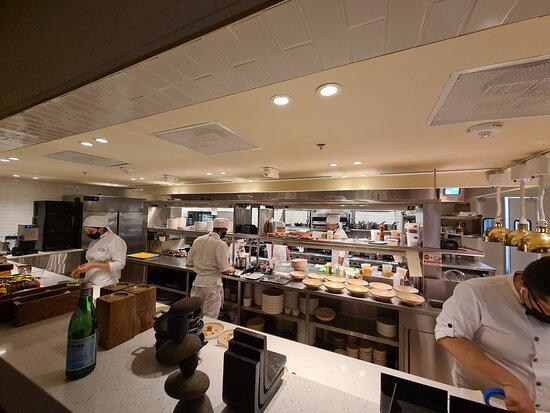
- Open Kitchen
- Craft Cocktails
- Sake Program
- A La Carte
- Small Plates
- Sake
- Craft Cocktails
- Vegetarian Friendly
- Vegan Options
Current opening hours
- Monday
- 4:30–10 PM
- Tuesday
- 4:30–10 PM
- Wednesday
- 4:30–10 PM
- Thursday
- 4:30–10 PM
- Friday
- 4:30–11 PM
- Saturday
- 11:30 AM–10 PM
- Sunday
- 11:30 AM–2 PM, 5–10 PM
Hours can change for holidays and private events. Last verified .
Trendy, artistic hole-in-the-wall with raw wood beams, graffiti walls, dangling lights, and urban hip atmosphere.