Sababa


Michelin Bib Gourmand
Our verdict
Sababa brings Israeli and Mediterranean small-plates cooking to Cleveland Park with a Michelin Bib Gourmand and consecutive Opinionated About Dining recognition. The menu pivots on salatim, hummus, and charred vegetables, accessible in price, precise in execution. A globally minded wine list and Mediterranean-tiled room make it one of Washington D.C.'s most consistent Middle Eastern destinations at the $$ price point.

Pearl is the En Primeur Club membership app, where members save venues, book tables and use the concierge.
Cleveland Park and the Case for Rooted Mediterranean Cooking
Connecticut Avenue north of the National Zoo has never been Washington's most talked-about dining corridor, which makes the sustained critical attention Sababa has received all the more instructive. The Israeli and Mediterranean small-plates format that Sababa occupies sits at a specific intersection in D.C.'s dining map: affordable enough for repeat visits, precise enough to hold Michelin attention. That combination is harder to sustain than it appears. The Bib Gourmand, awarded in 2024, recognises exactly this, cooking that punches above its price tier without repositioning itself upmarket to do so.
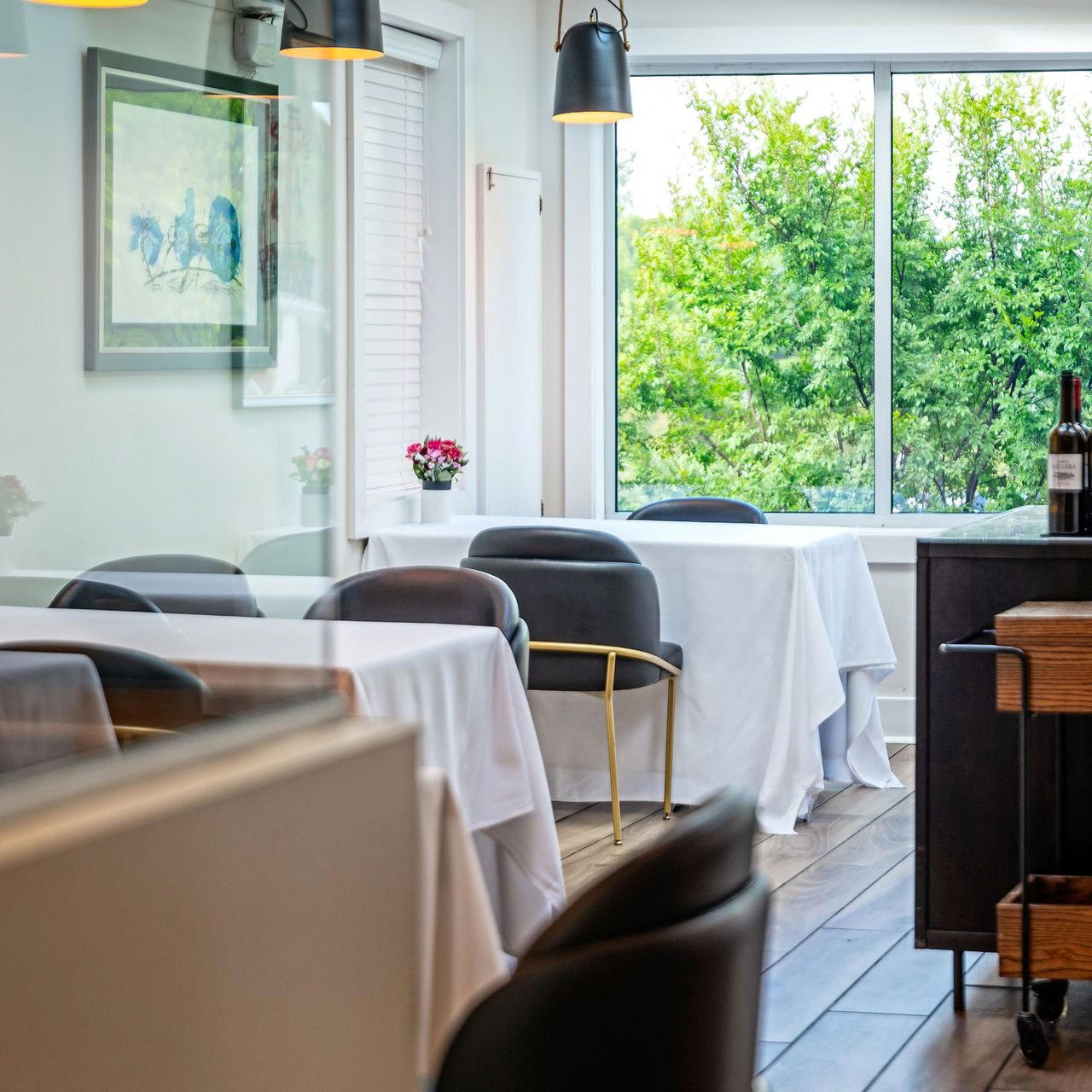
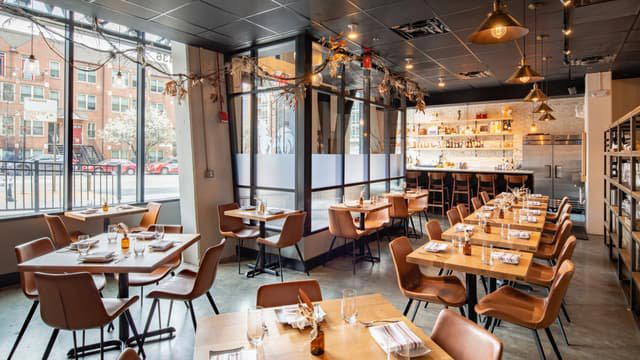
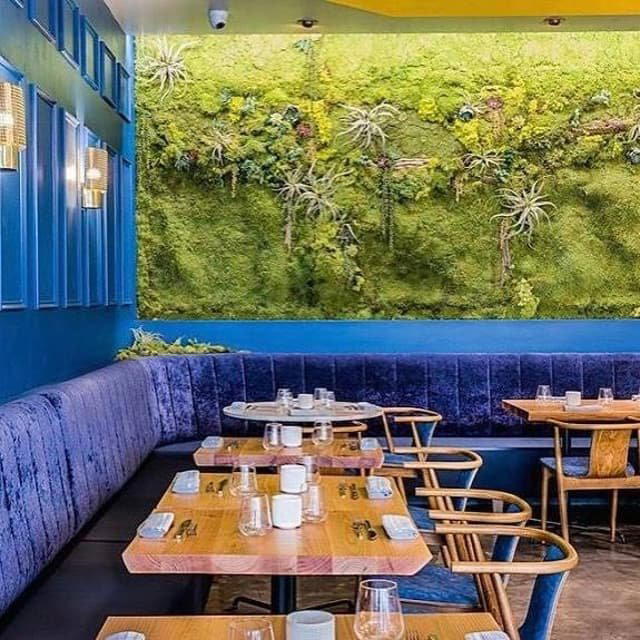
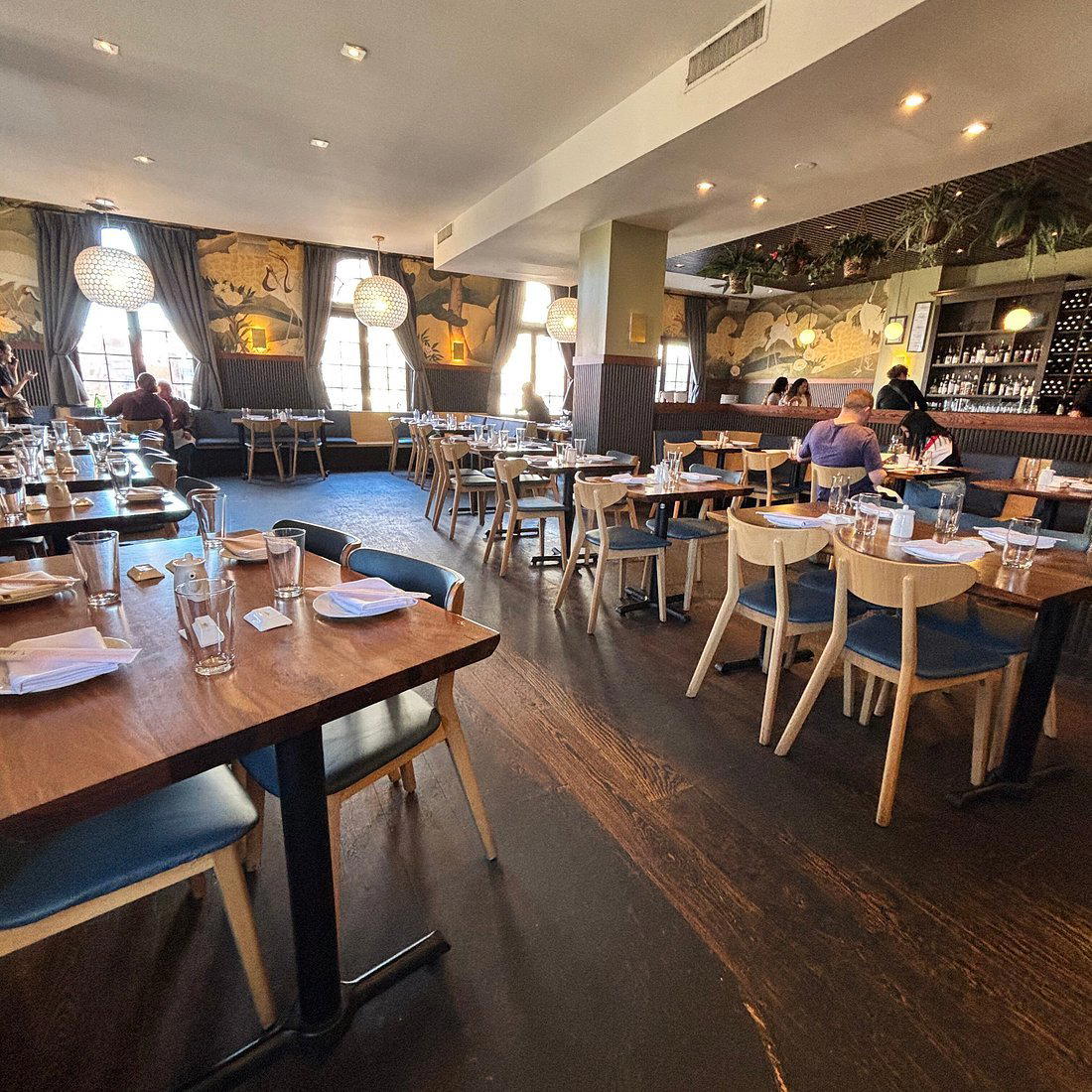
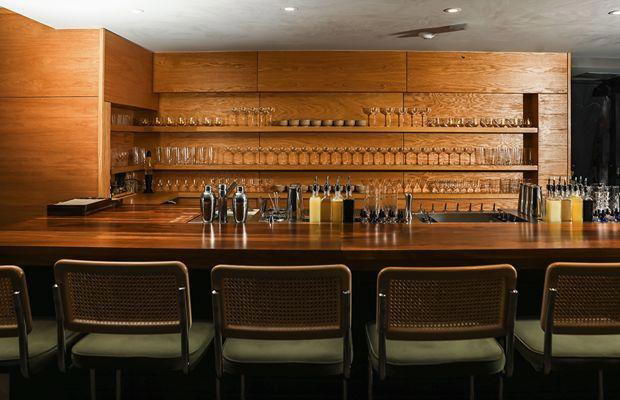
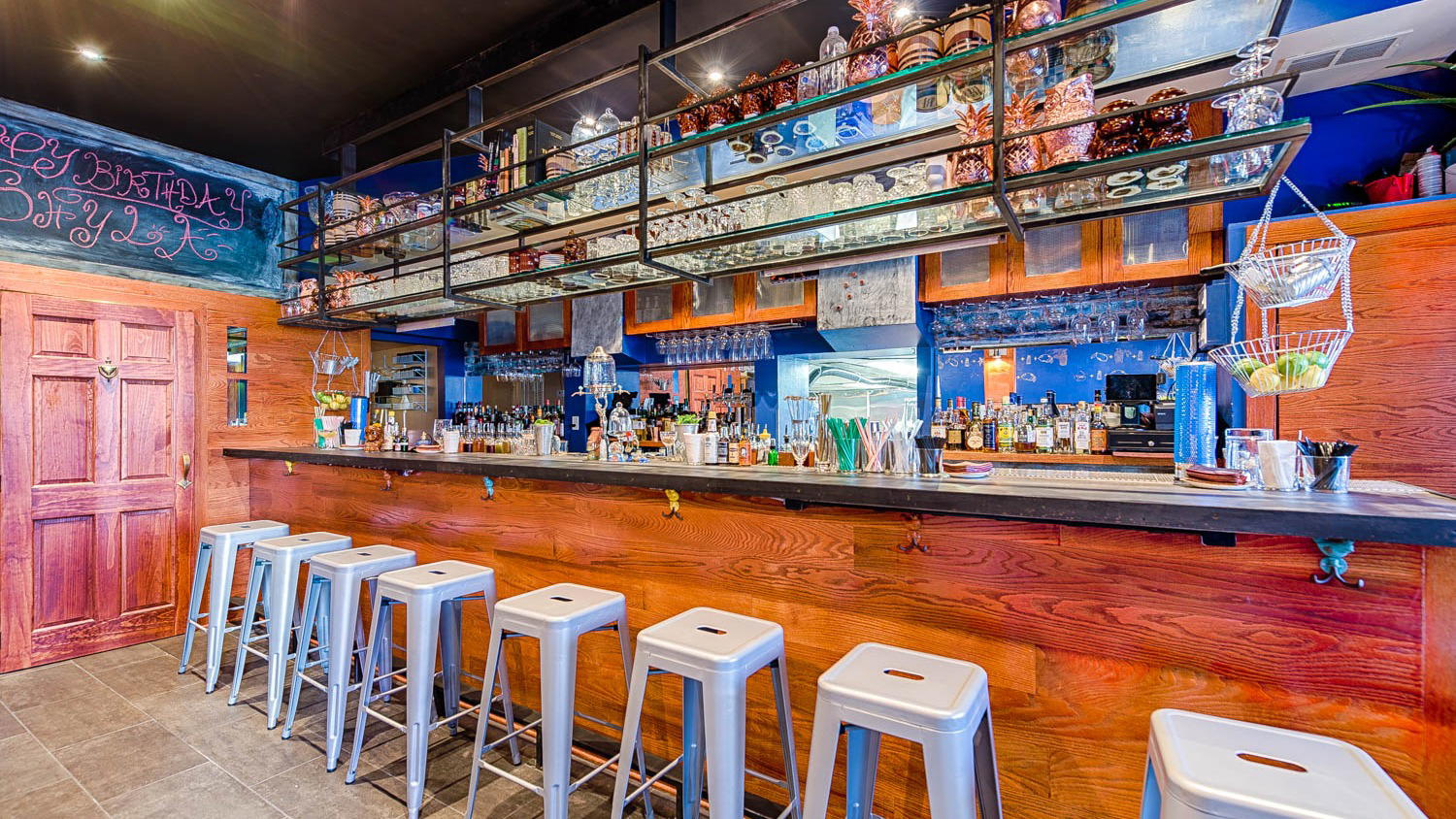
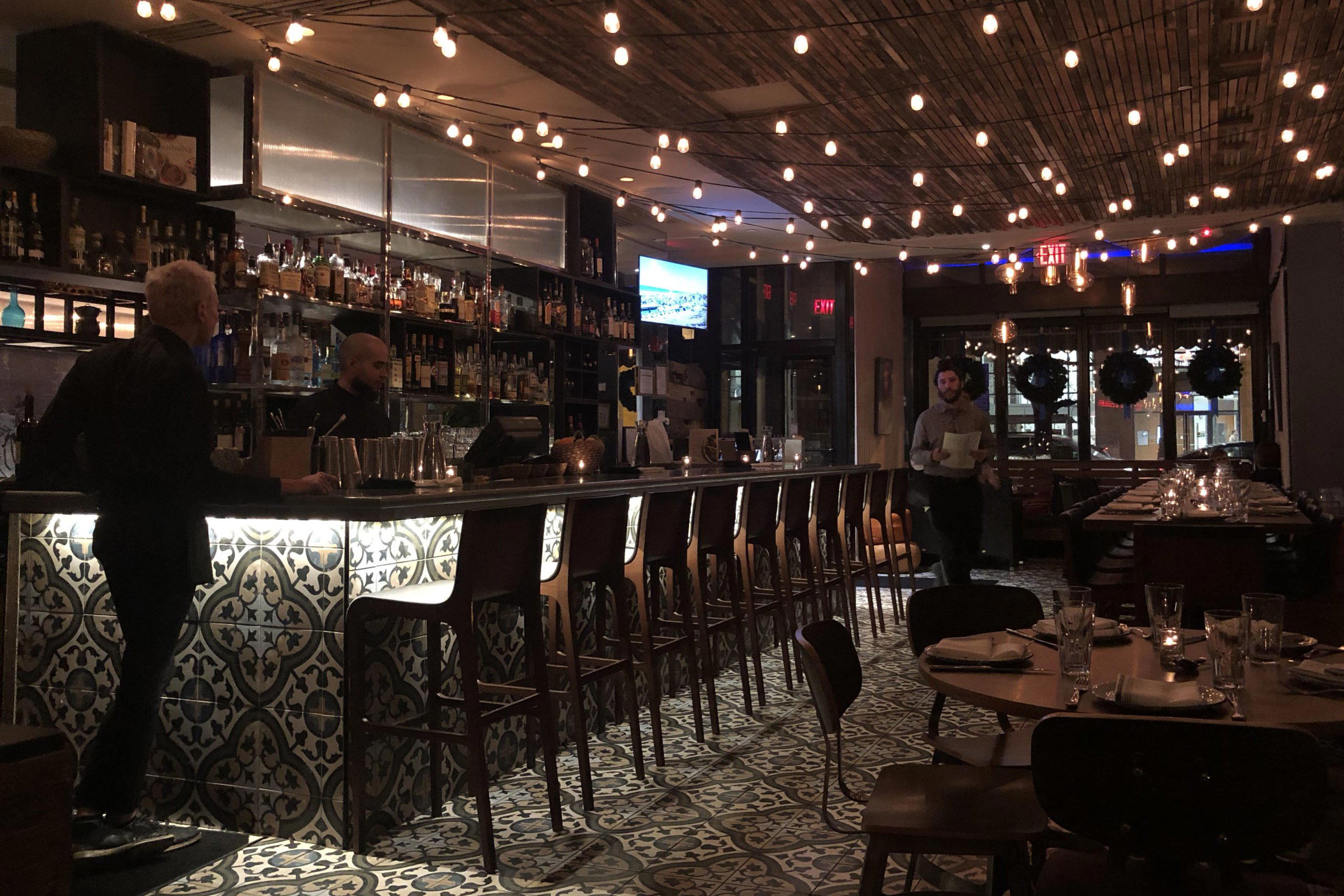
Mediterranean-tiled walls signal the kitchen's reference points before the menu opens. The room reads as casual, deliberately so, but the food program treats that casualness as a frame rather than an excuse. Sababa positions itself differently, two dollar signs, walk-in accessible much of the week, focused on the kind of shared-table eating that Israeli food has always organised itself around.
The Architecture of the Menu: Soil, Garden, and Fire
The agrarian logic of Israeli cooking runs deeper than most Western diners register. The salatim tradition, small salads presented at the start of a meal as a collective, comes directly from the kibbutz table, where seasonal produce from shared land was broken down into multiple preparations rather than a single composed dish. Sababa's five-salad starter is a working expression of that logic: a set of preparations that changes with availability, each one a different technique applied to the same basic philosophy of coaxing maximum flavour from vegetables and legumes.
Charred eggplant with herbed labneh and fried cauliflower with tahini and raisins both demonstrate how fire and fermentation anchor this cuisine. The char on the eggplant is a flavour-building step, not a presentation choice; the labneh introduces acidity and fat; the combination reads as finished because the process is. Cauliflower fried until colour develops, then anchored with tahini and lifted with the sweetness of raisins, follows the same construction: transformation through heat, balance through contrast. These are not decorative small plates. They are the kind of food that Israeli home cooks and market vendors have been producing for generations, formalised into a restaurant format without losing their grounding.
The hummus at Sababa holds particular status. Listed as a daily special, a designation that signals kitchen investment rather than a commodity offering, it signals a commitment to a dish that most restaurants treat as a default accompaniment. Properly made hummus requires both quality ingredients and time; shortcuts produce the version that comes in supermarket tubs. The daily-special designation here is a trust signal about sourcing and process.
Where Sababa Sits in D.C.'s Broader Dining Pattern
Washington's restaurant scene in 2024 and 2025 reflects a split that other major American cities share: a cluster of high-investment, high-price-point restaurants chasing tasting-menu prestige, places like Jônt and minibar at the technical end, alongside a smaller group of restaurants building sustained reputations at accessible price points through sheer cooking quality. The Bib Gourmand tier is where the latter group gets formally recognised.
Sababa's Opinionated About Dining ranking has moved in a meaningful direction: Recommended in 2023, #718 in 2024, #757 in 2025. The slight shift in numerical ranking between 2024 and 2025 matters less than the sustained presence on that list across three consecutive years. OAD rankings are driven by frequent-diner votes weighted toward knowledgeable eaters; three years of consistent placement signals a restaurant that holds its quality rather than peaking after an opening buzz. Oyster Oyster and Causa operate in D.C.'s broader neighbourhood-restaurant tier as well, demonstrating that the city's most interesting cooking is increasingly distributed across neighbourhoods rather than concentrated in a single hospitality district.
For comparison: restaurants at Sababa's price point in other American cities rarely hold both Michelin and OAD recognition simultaneously. The combination is evidence that the kitchen is consistent rather than occasionally brilliant.
The Wine List as a Position Statement
A globally minded wine list at a two-dollar-sign Israeli restaurant in Cleveland Park is a choice that communicates something specific. It suggests the kitchen views the dining experience as worth supporting with considered beverage curation, and that the restaurant is not treating wine as a default revenue line. Israeli and Eastern Mediterranean wine regions have expanded significantly in international recognition over the past decade; a list that engages with that geography alongside broader global selections positions Sababa as a restaurant aware of where its cuisine sits in a larger conversation about food and place.
Planning Your Visit
Friday and Saturday service runs until 10 pm, which extends the window for later arrivals. Sunday includes a lunch service from 11 am to 3 pm, the only daytime opening in the week, making it the natural choice for those who prefer midday visits or want the full salatim spread in afternoon light. Weeknight sittings on Wednesday and Thursday close at 9:30 pm; Monday and Tuesday at 9 pm.
Chef Ryan Moore leads the kitchen at 3311 Connecticut Ave NW. The Cleveland Park neighbourhood is Metro-accessible, which removes any parking calculation from the planning equation.
For the wider D.C. picture, our full Washington D.C. restaurants guide maps the city's dining across price points and neighbourhoods. The D.C. hotels guide, bars guide, wineries guide, and experiences guide cover the rest. Beyond D.C. the EP Club network extends to restaurants at every tier of the national conversation: Le Bernardin in New York City, Lazy Bear in San Francisco, Alinea in Chicago, The French Laundry in Napa, Single Thread Farm in Healdsburg, Atomix in New York City, Emeril's in New Orleans, and 8½ Otto e Mezzo Bombana in Hong Kong.
Know Before You Go
- Address: 3311 Connecticut Ave NW, Washington, DC 20008
- Price range: $$ (accessible; two dollar signs)
- Hours: Monday–Tuesday 5–9 pm; Wednesday–Thursday 5–9:30 pm; Friday–Saturday 5–10 pm; Sunday 11 am–3 pm and 5–9 pm
- Awards: Michelin Bib Gourmand (2024); Opinionated About Dining Casual North America #718 (2024), #757 (2025), Recommended (2023)
- Chef: Ryan Moore
- Cuisine: Israeli and Mediterranean small plates
- Getting there: Cleveland Park Metro station (Red Line) is within walking distance
What Do Regulars Order at Sababa?
The salatim, the five-salad opening course, is the standard starting point for returning diners, functioning as both an orientation to the kitchen's current seasonal work and a ritual that defines the meal's pacing. From there, the hummus listed as a daily special draws consistent attention; its treatment as a featured item rather than a side signals why. The charred eggplant with herbed labneh and the fried cauliflower with tahini and raisins are the small plates most frequently cited in the OAD-sourced recognition that has placed Sababa on the North American casual list across three consecutive years. The kebabs provide a more familiar anchor for first-time visitors unfamiliar with the salatim format. The wine list is worth engaging with rather than defaulting to beer; the globally minded selection has been constructed to work with the food's acidity and spice rather than simply complement a Middle Eastern aesthetic.
Frequently asked questions
Is there a head chef associated with Sababa?
The chef associated with Sababa is Ryan Moore.
What kind of recognition has Sababa received?
Sababa has received recognition including: Opinionated About Dining Casual in North America Ranked #757 (2025); “Sababa,” which means “cool” in Hebrew slang, is exactly as advertised. This ode to the Middle East is awash in Mediterranean tiles. But despite the hip digs, it’s all abo….
What do regulars order at Sababa?
The salatim, a five-salad opening course, is the standard entry point for returning diners, establishing the kitchen's produce-focused approach before the meal proper begins. From there, the charred eggplant with herbed labneh and fried cauliflower with tahini and raisins are among the small plates the OAD reviewers specifically noted. The hummus is listed as a daily special rather than a background item, which signals how seriously the kitchen treats it, and regulars treat it the same way.
What's the cuisine at Sababa?
What's the price range at Sababa?
Pricing at Sababa is listed as $$.
Booking and Cost Snapshot
| Venue | Cuisine | Price | Awards | Notes |
|---|---|---|---|---|
| SababaThis venue (the venue you are viewing) | Modern Israeli | $30–50 | Michelin Bib Gourmand | Not listed |
| Albi | Modern Levantine Fine Dining | $300–500 | 1 Michelin Star · World's 50 Best #6 | United States, Middle Eastern |
| Causa | Modern Peruvian Fine Dining | $150–200 | 1 Michelin Star · James Beard Award Best Chef: Mid-Atlantic | Peruvian |
| Oyster Oyster | Modern Vegetable-Focused Tasting Menu | Not listed | 1 Michelin Star · James Beard Award Outstanding Chef #1 | New American, Vegetarian, Vegetarian (Sustainable) |
| Bresca | Modern French Bistronomy | $150–200 | 1 Michelin Star · James Beard Award Semi Finalist | Modern French, Contemporary |
| Gravitas | Modern American Fine Dining | $150–200 | 1 Michelin Star | New American, Contemporary |
Recognition history
Dated appearances from independent guides and award organizations, with the underlying list record or original source where available.
Michelin Bib Gourmand
Michelin
Opinionated About Dining Casual in North America Recommended
Opinionated About Dining
Full recognition history (6 entries)
Opinionated About Dining Casual in North America Ranked #757
Opinionated About Dining
Michelin Bib Gourmand
Michelin
Opinionated About Dining Casual in North America Ranked #718
Opinionated About Dining
Opinionated About Dining Casual in North America Recommended
Opinionated About Dining