Our verdict
In the ancient desert trading town of Ghadames, Togada Cafe occupies a small but telling position in Libya's limited but evolving cafe culture. Set against a backdrop of UNESCO-listed mud-brick architecture and Saharan trade-route history, it represents the kind of local gathering place where the sourcing of ingredients is less a philosophy than a practical reality shaped by geography and tradition.

Pearl is the En Primeur Club membership app, where members save venues, book tables and use the concierge.
The menu
What to order
- Libyan tea
- Makroud
- Bazeen
Where the Sahara Shapes What Ends Up on the Table
Ghadames sits at the intersection of three national borders, roughly 600 kilometres southwest of Tripoli, deep in the Libyan desert. For centuries it functioned as a waypoint on trans-Saharan caravan routes, and the town's relationship with food has always been defined by what the surrounding territory can actually provide. That is not a romantic abstraction. It is a logistical condition that still governs what any cafe or kitchen here puts in front of a visitor. Togada Cafe operates inside that same constraint, and understanding the town's geography is the most honest starting point for understanding what the place offers. For a broader picture of what the local dining options look like across the city, our full Ghudamis restaurants guide maps the current picture.
The Physical Setting
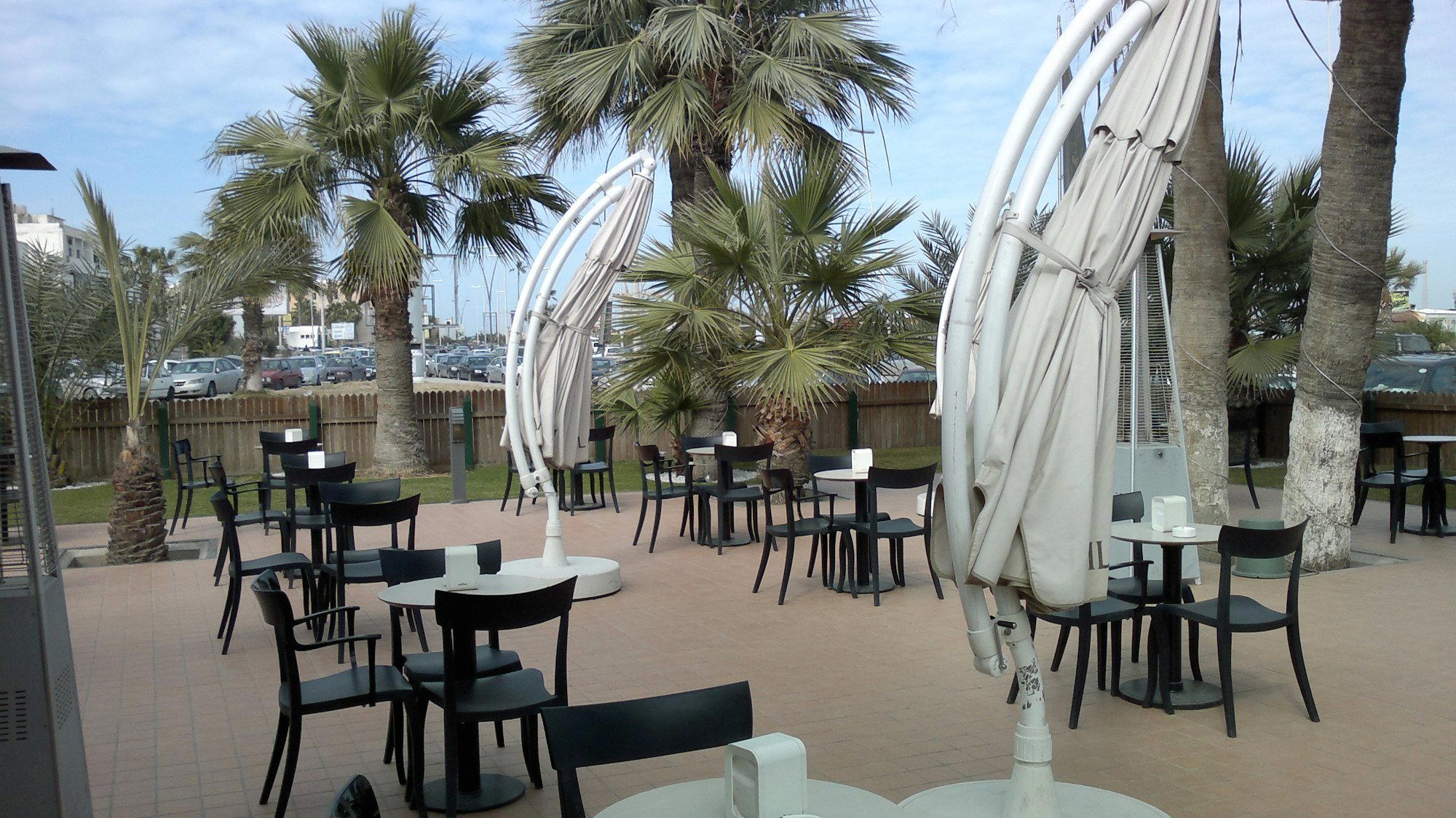
Ghadames is a UNESCO World Heritage Site, and the old city's architecture, built from palm wood, gypsum, and clay, creates an environment unlike almost anywhere else in North Africa. Streets are covered by a network of overhead passages that shade pedestrians from temperatures that regularly exceed 40 degrees Celsius in summer. Whatever physical environment Togada Cafe occupies, it does so within a town that imposes itself architecturally and atmospherically on every interior it contains. The sensory experience of approaching any establishment in Ghadames includes the smell of desert dust, the relative cool of shaded lanes, and the particular quiet of a settlement whose permanent population has shrunk dramatically over recent decades as residents moved to the modern town outside the old walls.
Ingredient Realities in a Desert Economy
The sourcing question is worth taking seriously in a place like Ghadames. Libya's agricultural sector is heavily concentrated in the northwest, around Tripoli and the Jefara Plain, and in the Jebel Nafusa highlands. The far southwest, where Ghadames sits, has historically depended on oasis cultivation, with date palms as the dominant crop and supplementary production of vegetables, olives, and grains that the oasis water table can support. For a cafe in this location, that means supply chains are either long and dependent on transport from the north, or short and highly seasonal, drawing on whatever the oasis and local market can produce.
Across the broader Libyan cafe and restaurant scene, this dynamic plays out differently depending on proximity to coastal supply. Venues like Baracuda Seafood Restaurant in Tripoli operate with direct access to Mediterranean catch, while establishments further inland work with a narrower, more land-based pantry. In Ghadames, that pantry tilts toward preserved and dried goods, dates, local honey, flatbreads, and whatever seasonal produce can be transported or grown locally. The cafe format, rather than a full-service restaurant, is well-suited to this kind of supply environment: lighter preparations, beverages, and small plates are less dependent on the perishable proteins that coastal cooking demands.
Libyan tea culture provides one of the most consistent ingredients anywhere in the country. The three-glass ritual, progressing from strong and bitter to sweet and mint-infused to lighter and flavoured with peanuts or almonds, is as close to a standardised sourcing and serving tradition as you will find across Libya's varied hospitality formats. In a desert town like Ghadames, tea service is not incidental; it is the central offering around which other food items organise themselves. For a point of comparison across very different sourcing and service contexts, Fattoush in Tripoli represents how Libyan dining traditions translate into a more urban, ingredient-diverse setting.
Ghadames in the Context of Libyan Dining
Libya's restaurant and cafe sector is not well-documented by international awards bodies or the global food press. The country does not appear in Michelin's current coverage, and the 50 Best frameworks that organise critical conversation around venues such as Le Bernardin in New York, Atomix, or Alinea in Chicago have no footprint here. That absence is worth naming directly: it does not reflect the quality or validity of what local establishments offer, but it does mean that the tools used to position and compare venues in more documented markets simply do not apply. The reference points for Togada Cafe are local and practical, not tied to the international critical apparatus that shapes perception of venues like Arpège in Paris or Arzak in San Sebastián.
What Ghadames does have is a specific cultural gravity as a tourist destination. The UNESCO designation has drawn visitors since the 1980s, and the town's old city sees a steady flow of travellers, including Libyan domestic tourists and a smaller number of international visitors, particularly from Europe. That tourism context shapes what a cafe in the area needs to offer: familiar comfort, local specificity, and a legible format for people who may not speak Arabic and are navigating an unfamiliar food environment. The cafe format that Togada appears to occupy fits that function more naturally than a full-service restaurant would.
Planning a Visit
Ghadames is accessible by road from Tripoli, a journey that takes between six and eight hours depending on conditions, and has a small regional airport with limited scheduled services. Visitors travelling to see the old city typically allocate at least one overnight stay, with accommodation options ranging from small guesthouses within or adjacent to the heritage zone to newer hotels in the modern town. Given the limited number of dining establishments in Ghadames overall, Togada Cafe functions less as a destination in the way that a venue like Lazy Bear in San Francisco or Atelier Crenn might anchor a visit, and more as part of the practical infrastructure of spending time in the town. Specific hours, pricing, and booking details were not available at time of publication; confirming arrangements locally or through your accommodation in Ghadames is the most reliable approach.
Frequently asked questions
Is Togada Cafe good for families?
Ghadames itself is a small, close-knit desert town where communal hospitality is embedded in daily life, and cafes in this setting typically serve a broad cross-section of the local community. Travelers with children visiting the UNESCO-listed old city will find Ghadames more village than metropolis in pace and atmosphere.
Is Togada Cafe better for a quiet night or a lively one?
Ghadames is a remote desert settlement of modest size, not a nightlife destination, which sets the baseline for any cafe operating there. Expect an unhurried tempo shaped by the town's geography and conservative Libyan social norms rather than a programmed evening scene. Togada Cafe is more likely a daytime or early-evening stop than a venue defined by late-night energy.
What makes Togada Cafe worth visiting if you are already in Ghadames?
Ghadames is one of the few functioning urban centers in the Libyan Sahara and receives a fraction of the international foot traffic of comparable UNESCO desert sites in Morocco or Tunisia, meaning cafes like Togada operate in a context almost entirely undocumented by the global food press. For travelers making the six-to-eight-hour overland journey from Tripoli, or arriving via the regional airport, a local cafe is a practical window into Ghadames' daily rhythm in a way that the old city's monuments alone cannot provide.
What should I eat at Togada Cafe?
Libya's agricultural output is concentrated in the northwest, so expect a menu shaped by what travels well into a desert economy rather than fresh coastal produce. Specific dishes should be confirmed locally on arrival.
How It Stacks Up
Comparable venues nearby, for context on price, style, and recognition.
| Venue | Cuisine | Price | Notes |
|---|---|---|---|
| Togada CafeThis venue (the venue you are viewing) | Libyan Cafe | $1–10 | Not listed |
| مطعم المندي | Yemeni Mandi | Not listed | طرابلس |
| Fattoush | Lebanese | Not listed | Hay Al Andalus |
| Laleli Turkis Restaurant | Turkish | Not listed | Laleli |
| Baracuda Seafood Restaurant | Fresh Grilled Seafood | $30–50 | Tajura' wa an Nawahi al Arba |
| As-Safir Restaurant | Iranian | Not listed | Tripoli |
Details
- Cozy
- Casual Hangout
- Family
- A La Carte
- Tea
- Vegetarian Friendly
Casual and welcoming with a cozy, local feel typical of a small town cafe.