As-Safir Restaurant occupies a place in Tripoli's dining culture where the rhythms of traditional Libyan hospitality set the pace of a meal. Located in the Libyan capital, the restaurant draws locals and visitors into a format shaped more by communal custom than by clock. It represents the kind of table-centred experience that defines urban dining in North Africa's most historically layered city.
 Discover on Pearl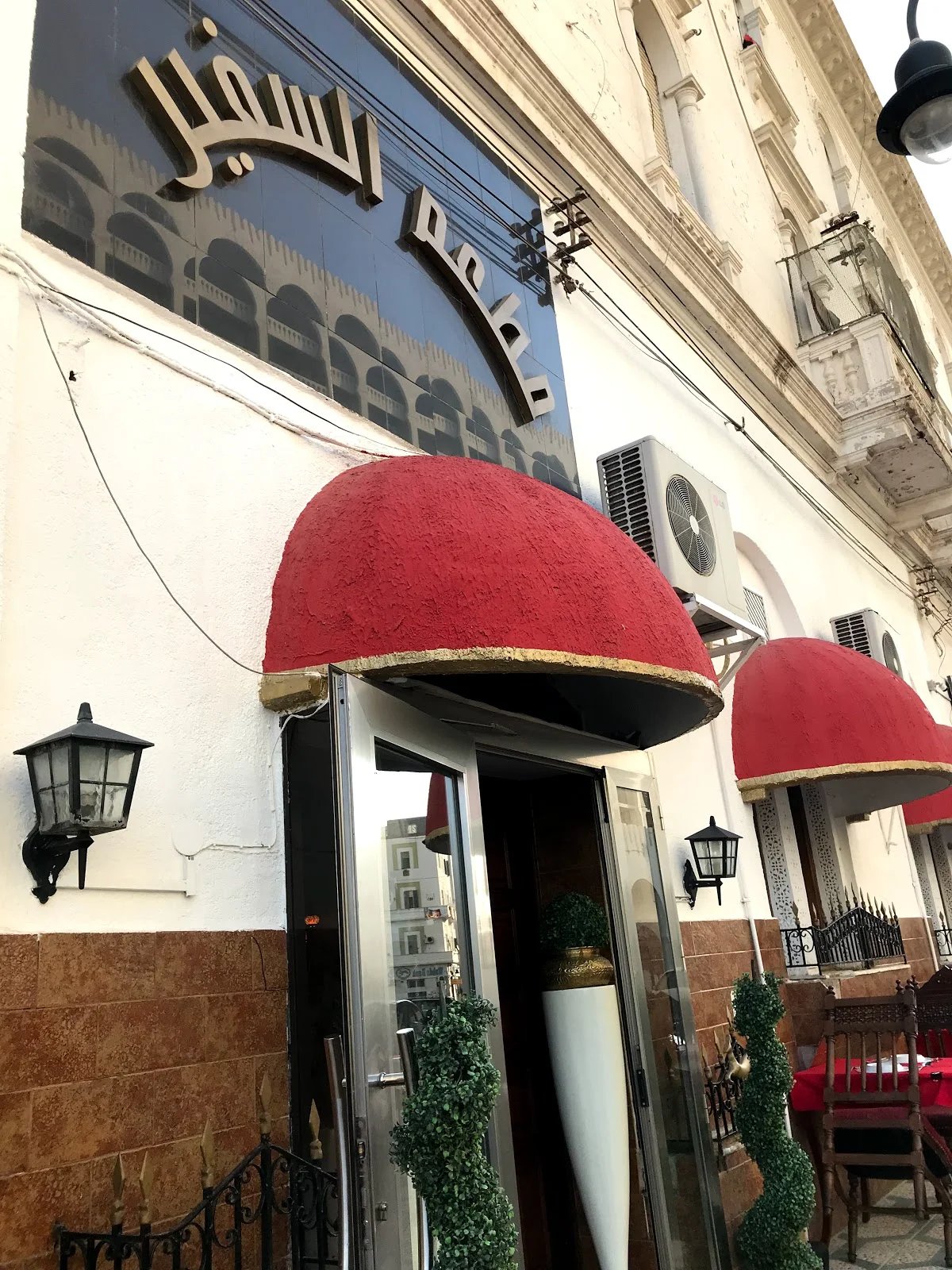
Where Tripoli Slows Down to Eat
In Tripoli, the meal is rarely a transaction. Across the city's established dining rooms, the pace of eating follows a logic closer to domestic hospitality than to restaurant service as understood in European or North American contexts. Dishes arrive in waves. Bread is already on the table. Tea or water comes before anyone has looked at a menu. As-Safir Restaurant operates within this tradition, in a city where the dining ritual carries more cultural weight than the food critic's checklist.
That context matters because it shapes how a first-time visitor should approach the room. Come with time. Come with company. The format here, as at most serious Libyan dining establishments, is built around a table that expects to be occupied for the duration, not turned over at intervals. The experience rewards patience in the way that any meal rooted in Levantine and North African hospitality does: slowly, and then all at once.
The shortlist, unlocked.
Hard-to-book tables, cellar releases, and concierge-planned trips.
Get Exclusive Access →The Architecture of a Libyan Meal
Libyan cuisine sits at the intersection of several culinary traditions: Berber staple grains, Ottoman-influenced spicing, Italian-era pasta habits that persisted long after the colonial period ended, and sub-Saharan trade routes that brought particular spice combinations into the coastal kitchen. The result is a table that can feel encyclopedic to someone eating it for the first time. Shareable plates, slow-cooked proteins, legume-heavy sides, and fermented dairy accompaniments all move in a sequence that is less structured than French service but no less deliberate.
In Tripoli's mid-tier and established independent restaurants, the ritual opening of a meal typically involves a spread of cold preparations before any hot dish arrives. This is not an amuse-bouche conceit borrowed from European fine dining. It is the inherited pattern of a cuisine that treats hospitality as a physical act, demonstrated through quantity and variety before a single main course appears. Diners visiting from cities like Le Bernardin in New York City or Alléno Paris au Pavillon Ledoyen in Paris will find the sequencing logic here operates on entirely different cultural coordinates.
As-Safir in Tripoli's Dining Field
Tripoli's restaurant scene has expanded in fits and starts over the past decade, shaped by economic constraints and the political instability that followed 2011. What has persisted through those disruptions is a core of local establishments that function as neighbourhood anchors rather than destination venues. These are places where regulars return on a rhythm dictated by habit and relationship, not by new menus or seasonal programming.
As-Safir sits within that category of Tripoli dining room. The city's table culture is not defined by Michelin trajectories or 50 Best listings. Recognition here operates through word of mouth, through family recommendation, through the kind of repeat-customer loyalty that fills a room on a Thursday evening without a single sponsored post. Compared to internationally recognised operations like Atomix in New York City or Alinea in Chicago, whose formats are built around controlled, choreographed progression, the Tripoli independent restaurant functions as a looser but no less intentional social institution.
Within the city's own peer set, As-Safir occupies a position alongside other established independents. Tripoli diners also frequent places like Fattoush, Baracuda Seafood Restaurant in Tripoli, and Laleli Turkis Restaurant, each representing a different strand of the city's appetite: Mediterranean seafood, Levantine mezze, Turkish-influenced grills. The spread of these options reflects how cosmopolitan Tripoli's culinary inheritance is, even when it operates outside the formal review infrastructure that shapes dining conversation elsewhere.
Hospitality as the Primary Format
The editorial angle that matters most when writing about a Libyan restaurant in Tripoli is not the chef's background or the menu's innovation index. It is the manner of the meal. North African hospitality codes are explicit: you do not rush a guest, you do not present a bill before they are ready, and you do not allow a glass or a plate to remain empty longer than necessary. These are not service standards in the Western hospitality sense. They are social obligations, and they create a dining experience that is structurally different from the paced, timed, commercial transaction that defines most urban restaurant formats globally.
At As-Safir, as at مطعم المندي and other Tripoli establishments rooted in this tradition, the meal's rhythm is set by the table, not by the kitchen's output schedule or the front-of-house team's turn-time targets. This makes the experience harder to compare on a standard review matrix, but more meaningful as a representation of the city's actual food culture.
For a broader picture of how this fits into dining across the region, Togada Cafe in Ghudamis offers a point of contrast from Libya's interior, where the hospitality format is similar but the culinary references shift toward the desert trade routes that shaped oasis town cuisine differently from the coastal capital.
Planning a Visit
Tripoli does not operate a centralised booking infrastructure of the kind that supports reservation platforms in cities with active tourism industries. For most independent restaurants in the capital, including As-Safir, the practical approach is to arrive early in the service window, particularly on weekends when Thursday and Friday evenings draw the densest local crowds. Enquiring locally or through a hotel concierge remains the most reliable method for confirming current hours and any group dining arrangements. No public website or booking line appears in available records for this venue, which is consistent with how most of Tripoli's established independent restaurants manage their front-of-house operations.
Those planning a wider Tripoli itinerary should consult our full طرابلس restaurants guide for a mapped view of how the city's dining options distribute across neighbourhoods. Libya's dining culture rewards the traveller who approaches it on its own terms rather than importing expectations from cities with mature restaurant industries. Other Libya-based options worth considering include L'antica Pizzeria Da Michele / Libya, which traces a different thread of the country's culinary history through its Italian-era food connections.
Frequently Asked Questions
- What do people recommend at As-Safir Restaurant?
- Specific dish-level recommendations for As-Safir are not documented in available records. As a general principle, Libyan dining at established Tripoli restaurants centres on slow-cooked meat dishes, legume-based stews, and a wide range of cold starters served communally. Ordering broadly and sharing across the table is the format that matches how the cuisine is designed to be eaten, rather than individual plating. Local regulars and hotel concierge contacts in Tripoli are the most reliable source for current menu intelligence.
- Do I need a reservation for As-Safir Restaurant?
- No public reservation system is recorded for As-Safir Restaurant. In Tripoli's independent restaurant sector, walk-in arrival during earlier service hours is the standard approach, with Thursday and Friday evenings representing peak demand. For group visits, local enquiry through a hotel or regional contact is advisable. The city's dining infrastructure does not currently support the kind of online booking pipelines common in cities with higher tourism volumes.
- What's the defining dish or idea at As-Safir Restaurant?
- Without verified menu data, no specific dish can be attributed to As-Safir. The defining idea, however, is broader than any single plate: it is the Libyan tradition of hospitality-led dining, where the volume and variety of what arrives at the table before a main course is itself a form of welcome. That principle, shared across established Tripoli restaurants, is the lens through which As-Safir should be understood.
- Can As-Safir Restaurant accommodate dietary restrictions?
- No website or phone contact is currently recorded for As-Safir, which limits the ability to confirm dietary accommodation in advance. If dietary needs are a consideration, the most practical approach is direct enquiry on arrival or through a local contact in Tripoli. Libyan cuisine includes a significant proportion of vegetable and legume-based dishes, which may provide options, though cross-contamination protocols and allergen policies cannot be confirmed from available data.
- Is As-Safir Restaurant a good option for first-time visitors to Tripoli's dining scene?
- As-Safir represents the kind of locally embedded, hospitality-first restaurant that gives a more accurate picture of Tripoli's food culture than any internationally formatted venue could. For a visitor with no prior experience of Libyan dining customs, it offers an entry point into the communal, unhurried meal format that defines how the city actually eats. Pairing a visit here with broader Tripoli context from our full طرابلس restaurants guide will help frame what to expect from the city's independent restaurant sector as a whole.
Category Peers
A fast peer set for context, pulled from similar venues in our database.
| Venue | Cuisine | Awards | Notes |
|---|---|---|---|
| As-Safir Restaurant | This venue | ||
| Fattoush | |||
| L'antica Pizzeria Da Michele / Libya | |||
| Laleli Turkis Restaurant | |||
| مطعم المندي |
Need a table?
Our members enjoy priority alerts and concierge-led booking support for the world's most difficult tables.
Get Exclusive AccessThe shortlist, unlocked.
Hard-to-book tables, cellar releases, and concierge-planned trips.
Get Exclusive Access →