Our verdict
Baracuda Seafood Restaurant sits on the Tripoli dining circuit as one of the city's seafood-focused addresses, drawing on the Mediterranean coastline that defines so much of Libyan food culture. The restaurant operates in a city where the connection between catch and kitchen remains direct, and where the Gulf of Sidra's waters set the rhythm of what lands on the table. For visitors seeking coastal Libyan cuisine in its most immediate form, Baracuda is a practical and purposeful choice.

Pearl is the En Primeur Club membership app, where members save venues, book tables and use the concierge.
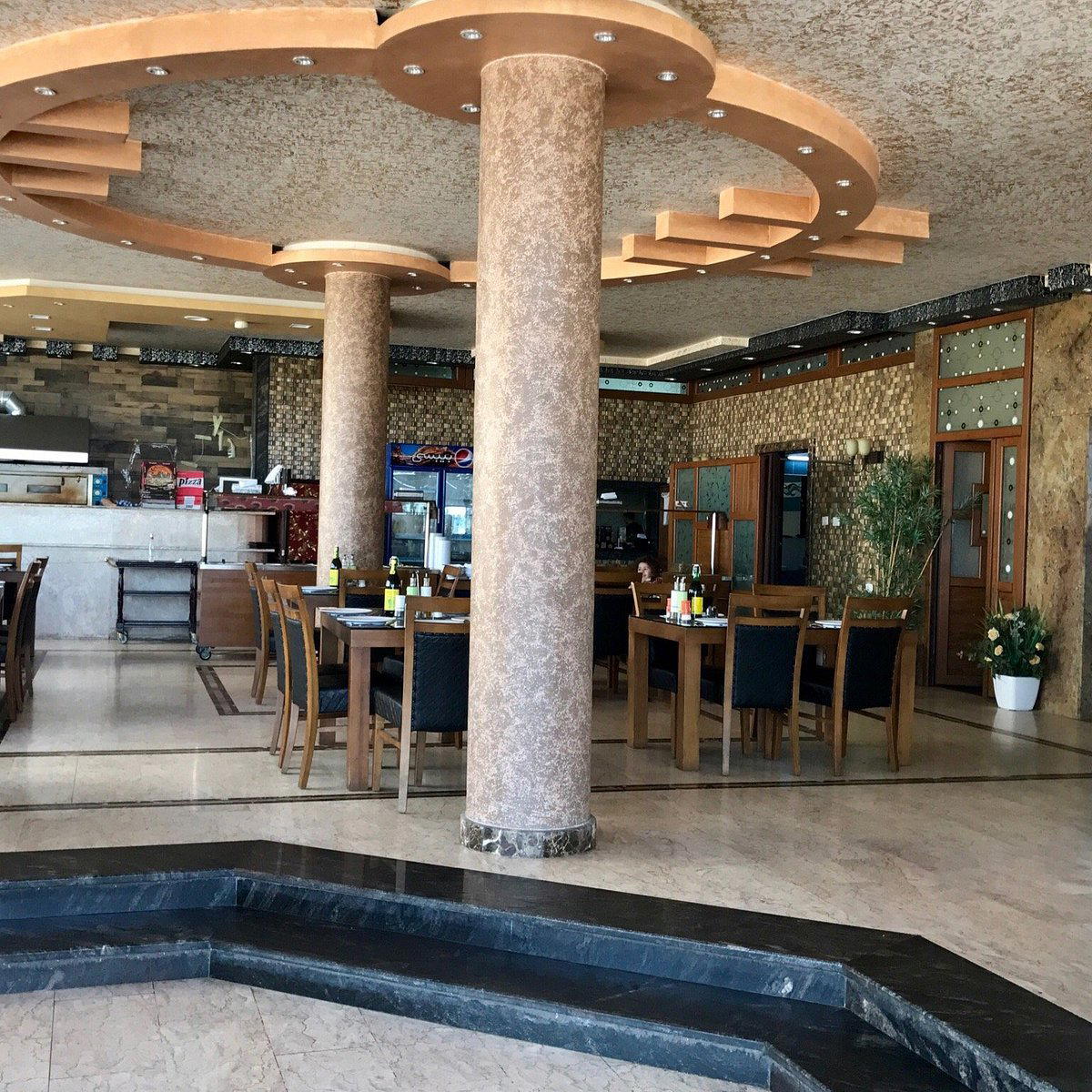
The menu
What to order
- Grilled barracuda
- Grilled grouper
- Sea soup
- Seafood pasta
Seafood at the Edge of the Mediterranean: Tripoli's Coastal Kitchen
Tripoli sits on one of the Mediterranean's least-documented stretches of coastline, which means the restaurants that anchor its waterfront dining scene operate largely outside the international review circuit. That obscurity is not a measure of quality. Libya's northern shore, where the Gulf of Sidra pushes cold, relatively unfarmed waters toward the city's edge, produces seafood that reaches restaurants with a supply chain closer in spirit to a village fish market than to the centralized distribution systems that define sourcing in European capitals. Baracuda Seafood Restaurant works within that local logic, and in a city where reliable seafood dining is the category that draws the most consistent local repeat business, it occupies a meaningful position in our full Tripoli restaurants guide.
What the Gulf of Sidra Puts on the Table
The ingredient sourcing story for any serious seafood restaurant in Tripoli begins with geography. The Mediterranean along Libya's coast remains comparatively low in industrial fishing pressure relative to the northern shore, which means species variety and seasonal availability still track natural cycles rather than industrial yield targets. Red mullet, sea bream, grouper, and various cephalopods move through Libyan waters in patterns that experienced local fishermen read by season and weather, not by wholesale catalogue. The practical implication for a restaurant like Baracuda is that what appears on the table on a given day reflects what the morning's catch produced rather than a fixed menu template engineered for consistency. This is not a limitation. In the context of Mediterranean seafood dining, where the highest-regarded addresses in Europe, from Uliassi in Senigallia to Quattro Passi in Marina del Cantone, have built their reputations precisely on proximity to the catch, market-driven sourcing is a credential, not a compromise.
The Libyan coastal kitchen itself is shaped by overlapping culinary histories: Berber, Arab, Ottoman, and Italian colonial periods all left structural marks on how fish is prepared and served in Tripoli. Spice-forward preparations using cumin, caraway, and coriander sit alongside simpler grilled treatments. Preserved fish traditions coexist with the immediate simplicity of the day's catch cooked at its peak. Restaurants that navigate this range well earn loyalty from a local dining public that has grown up with high expectations for seafood freshness. In Tripoli, a city where domestic dining culture often outpaces the international visibility of its restaurants, that local credibility is the most meaningful performance metric.
The Setting and What to Expect
Seafood dining in Tripoli tends toward spaces that are functional rather than designed, where the argument for eating there is always the fish rather than the interior. The broader category in the city runs from simple waterfront grills to more structured restaurant formats, and the range of formality within that spectrum is wider than most international visitors expect. Baracuda operates within a city that has been managing a complex economic and political period, which shapes how hospitality businesses across all categories present themselves. Service standards and menu complexity at seafood restaurants in Tripoli are often calibrated to a local clientele with clear preferences, rather than to an international visitor expectation of scripted fine dining. What this means in practice is that the experience rewards a degree of adaptability and local curiosity over rigid expectations about format.
The address for Baracuda in Tripoli's Tajura district places it away from the immediate city centre, in a residential and coastal fringe area where a number of the city's more practically focused dining options have established themselves. Getting there requires either a local taxi or private transport, as the address reference points to a non-central location that does not resolve cleanly against standard navigation tools. Visitors staying centrally should build in travel time and confirm the address directly before arrival, as phone contact details are not publicly listed through standard channels.
Tripoli Seafood in Regional Context
To understand what Baracuda represents in the context of the wider Mediterranean seafood dining conversation, it helps to look at what the highest tier of the region's fish-focused restaurants actually does. Places like Le Bernardin in New York City, which transplanted French classical seafood discipline to an American context, or Jordnær in Gentofte, which earned its Michelin recognition in part through rigorous sourcing specificity, represent one end of the spectrum: institutional, formally structured, and export-facing. The other end, where Tripoli's coastal restaurants sit, operates on the logic that proximity to water, absence of intermediary supply chain steps, and a cooking tradition built directly on local ingredient availability produces its own form of quality. These are not competing systems so much as different expressions of the same underlying argument: that great seafood cooking begins with sourcing.
Other Mediterranean seafood traditions that have attracted international attention, including the coastal Libyan-adjacent cuisines of Tunisia and Egypt, share structural similarities with what Tripoli's restaurants offer, but Libya's dining scene remains substantially less documented in the English-language food press. In the absence of Michelin coverage, 50 Best listings, or James Beard recognition, the relevant trust signal here is the city's own dining public, which constitutes a demanding and repeat-visit audience with long institutional memory for which addresses hold up over time.
Planning Your Visit
Tripoli's restaurant infrastructure varies considerably in terms of how visitors should approach booking, payment, and timing. Without publicly listed hours, a website, or a phone number available through standard data sources, confirming operational details for Baracuda before arrival is leading handled through hotel concierge contacts or local guides who maintain direct relationships with Tripoli's restaurant community. Payment norms in Tripoli's dining sector lean toward cash in Libyan dinar, and visitors should plan accordingly. The most productive time to visit seafood restaurants in this part of the Mediterranean is generally midday to early afternoon, when the morning catch is at its freshest and kitchen output tends to be at its highest volume. Evening dining is common but the selection at the market-driven end of the menu may be narrower by later service times.
Frequently Asked Questions
- Is Baracuda Seafood Restaurant child-friendly?
- Tripoli's seafood restaurants, as a category, tend to operate in a family-friendly social register, reflecting Libyan dining culture's broader orientation toward multigenerational meals. Parents visiting with young children would be well-served by arriving earlier in the service window, when the room is less crowded and the kitchen pace is steadier.
- What's the vibe at Baracuda Seafood Restaurant?
- Tripoli's seafood dining scene operates well outside the award-circuit formality that shapes expectations in cities with active Michelin or 50 Best coverage. Baracuda sits within that local register: the emphasis is on the food and the company rather than on designed atmosphere or scripted hospitality. Expect a practical, neighbourhood-facing dining room where regulars set the tone and where the conversation at adjacent tables is as likely to be about the quality of the day's catch as anything else.
- What do regulars order at Baracuda Seafood Restaurant?
- What the broader culinary tradition of Tripoli's coastal restaurants suggests is that grilled whole fish, preparation methods built around cumin-forward spice profiles, and simply cooked cephalopods are the categories that draw the most consistent repeat orders across the city's seafood addresses. A chef or kitchen known for sourcing directly from local fishermen, as the category norm in Tripoli implies, would logically anchor the daily offer around whatever species came in that morning.
- Does Baracuda Seafood Restaurant focus on a particular seafood tradition within Libyan cuisine?
- Libyan coastal cooking draws on a layered history that includes Berber, Ottoman, and Italian culinary influences, all of which shaped how fish is seasoned, cooked, and served in Tripoli. Seafood restaurants in this city typically reflect that mixed inheritance rather than adhering to a single codified tradition, in contrast to the more documented, nationally branded seafood cuisines of neighboring Mediterranean countries. Without a confirmed menu or chef credentials on record, Baracuda is leading approached as part of that broader Tripolitan coastal cooking tradition, where sourcing proximity and daily availability drive the offer more than any fixed regional formula. Visitors interested in the full range of Tripoli's dining options can also explore Fattoush for a contrasting angle on the city's cuisine.
Frequently asked questions
Is Baracuda Seafood Restaurant child-friendly?
Seafood restaurants anchored around fresh daily catch in Tripoli generally operate in a relaxed, unpretentious format, which tends to suit families without issue. Baracuda's address in the Tajura district places it in a neighbourhood context where family dining is a normal part of the local eating culture. No formal children's menu is documented, but the straightforward seafood-centred style means younger diners are rarely out of place. Confirm current seating arrangements directly when planning a group visit.
What's the vibe at Baracuda Seafood Restaurant?
Tripoli's serious seafood spots tend to make their argument through the quality of what comes off the boat rather than through interior design, and Baracuda fits that pattern. Expect a functional, fish-forward setting where the room is secondary to what arrives at the table. The Tajura district location gives it a neighbourhood character rather than a tourist-facing polish. Dress expectations are casual; the focus here is the Mediterranean catch, not the atmosphere.
Is Baracuda Seafood Restaurant one of the few places in Tripoli serving Mediterranean seafood in a dedicated format?
Tripoli sits on one of the Mediterranean's least-documented stretches of coastline, and dedicated seafood restaurants operating at a consistent level remain relatively rare in the city's dining infrastructure. Baracuda occupies a specific position in that gap, with its Tajura district address placing it in one of Tripoli's coastal neighbourhoods rather than the commercial centre. No chef credentials or awards are currently documented publicly, but its identity as a seafood-focused venue in a city where that specialism is underrepresented gives it a clear point of differentiation.
What do regulars order at Baracuda Seafood Restaurant?
No specific menu details are publicly documented for Baracuda, but the restaurant's position on the Libyan Mediterranean coast means the sourcing story begins with whatever the Gulf of Sidra yields on a given day. In Tripoli's coastal kitchens, grilled whole fish, crustaceans, and simply prepared fresh catch are the consistent draw for repeat visitors. Ordering by whatever is freshest that day is the standard approach at this type of venue.
How do I find Baracuda Seafood Restaurant?
Baracuda Seafood Restaurant is located at W64G+4F5, Tripoli, Libya, Tripoli.
At-a-Glance Comparison
| Venue | Cuisine | Price |
|---|---|---|
| Baracuda Seafood RestaurantThis venue (the venue you are viewing) | Fresh Grilled Seafood | $30–50 |
| Fattoush | Lebanese | Not listed |
| L'antica Pizzeria Da Michele / Libya | Neapolitan Pizza | $10–20 |
| Laleli Turkis Restaurant | Turkish | Not listed |
| Togada Cafe | Libyan Cafe | $1–10 |
| مطعم المندي | Yemeni Mandi | Not listed |
Continue exploring
More in Tripoli
Restaurants in Tripoli
All restaurants in Tripoli →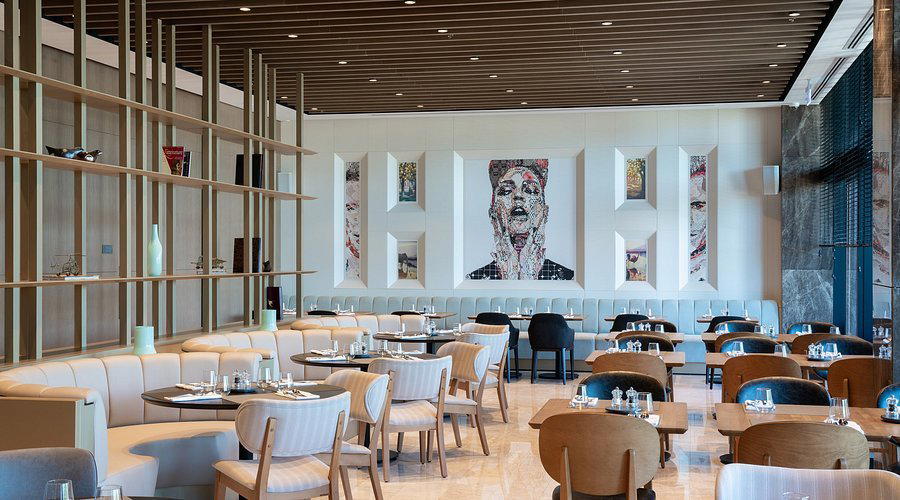
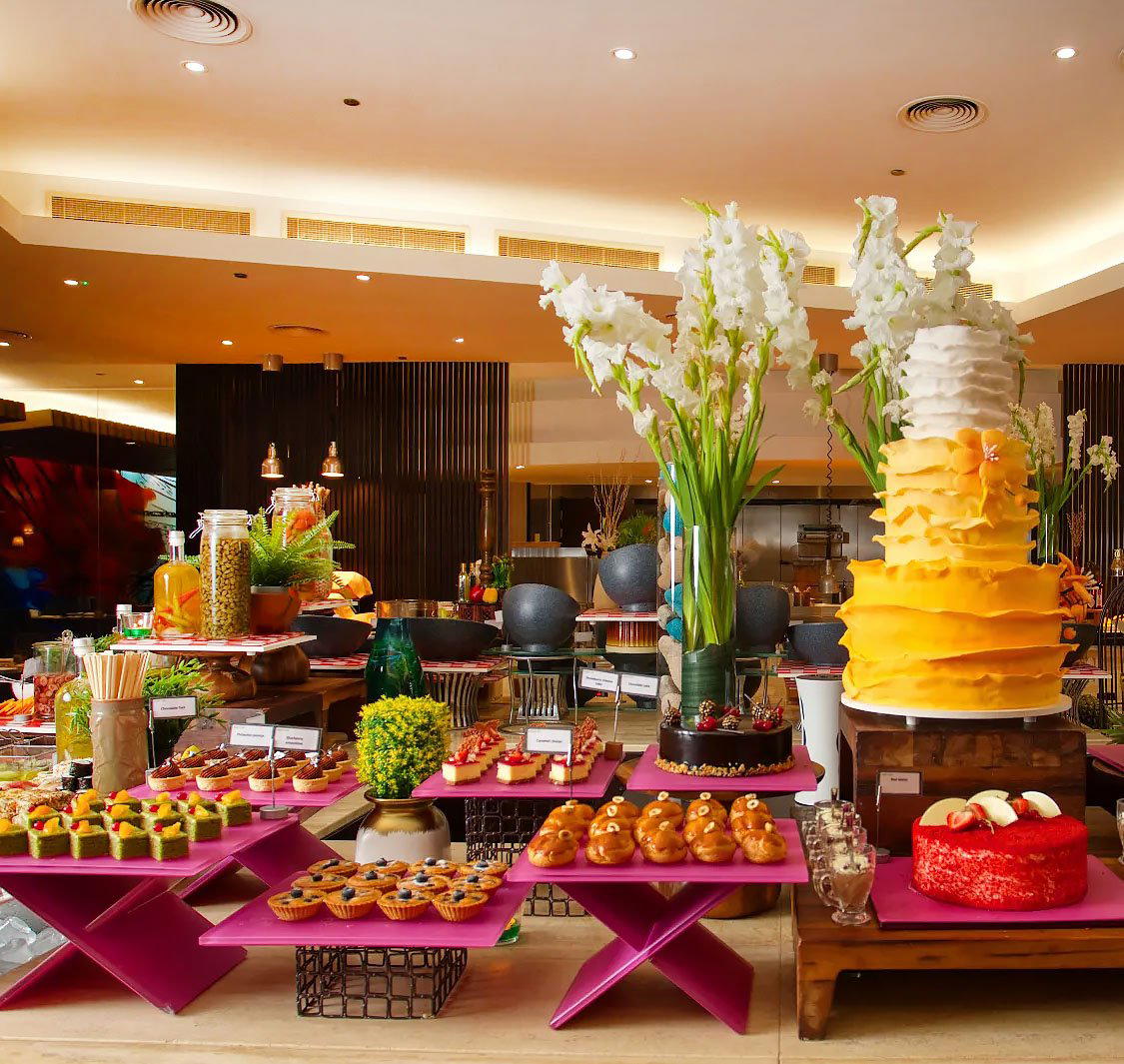
Hotels in Tripoli
All hotels in Tripoli →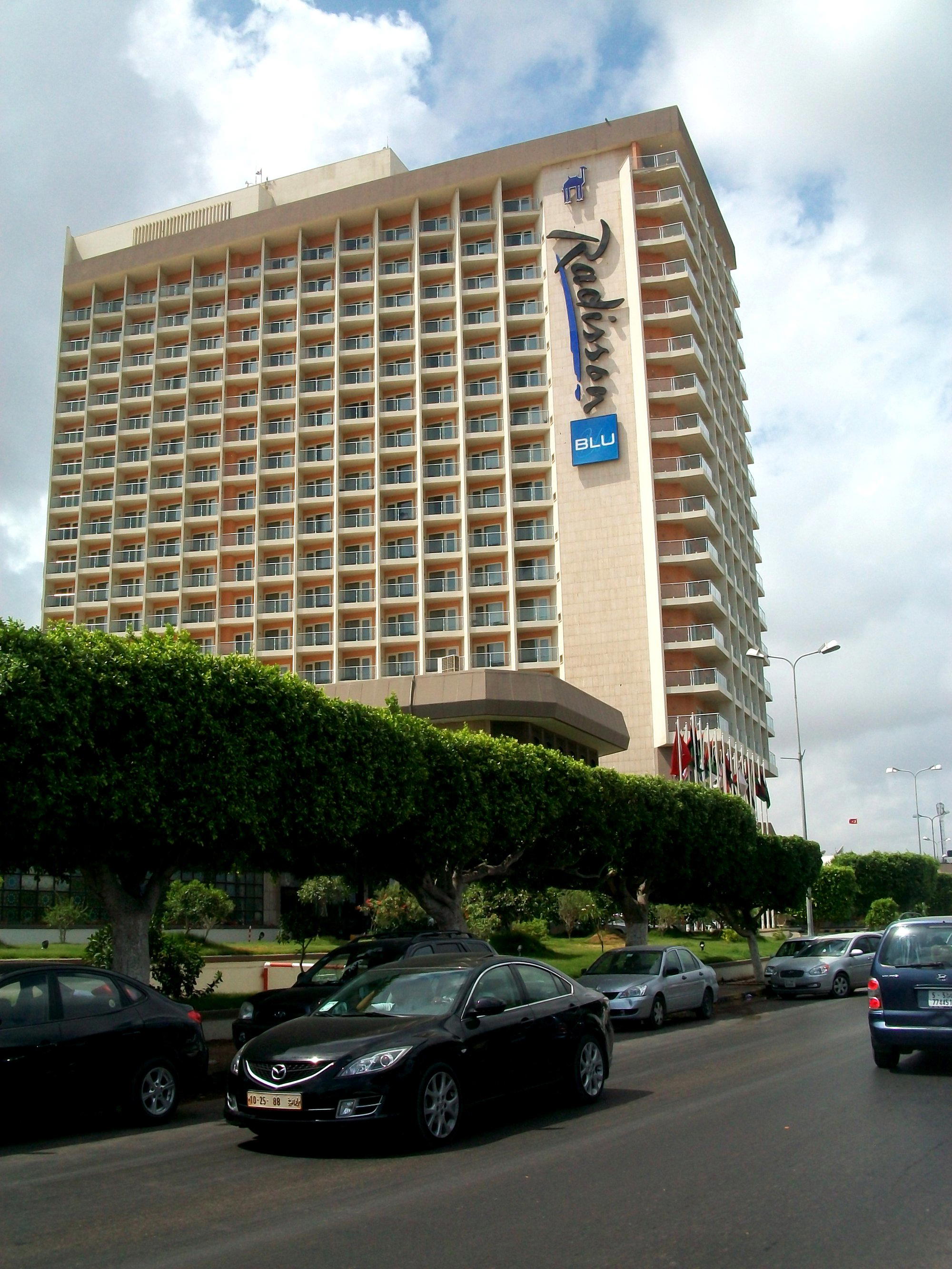
Details
- Lively
- Scenic
- Classic
- Group Dining
- Business Dinner
- Casual Hangout
- Waterfront
- Open Kitchen
- Panoramic View
- Local Sourcing
- Sustainable Seafood
- Waterfront
- A La Carte
- Family Style
- Pescatarian Friendly
Current opening hours
- Monday
- 9 AM–2 AM
- Tuesday
- 9 AM–2 AM
- Wednesday
- 9 AM–2 AM
- Thursday
- 9 AM–2 AM
- Friday
- 9 AM–2 AM
- Saturday
- 9 AM–2 AM
- Sunday
- 9 AM–2 AM
Hours can change for holidays and private events. Hours as of .
Lively and lively with Mediterranean views; casual atmosphere across multiple dining floors with a working open kitchen and live barbecue counter visible to guests.