Fattoush is a dining address in Tripoli that draws from the deep larder of Libyan and Levantine cooking traditions. In a city where eating well means reading local sourcing signals rather than award stickers, it occupies a position shaped by neighbourhood character and the produce that passes through its kitchen. A practical choice for visitors wanting grounded, regional cooking in Libya's capital.
 Discover on Pearl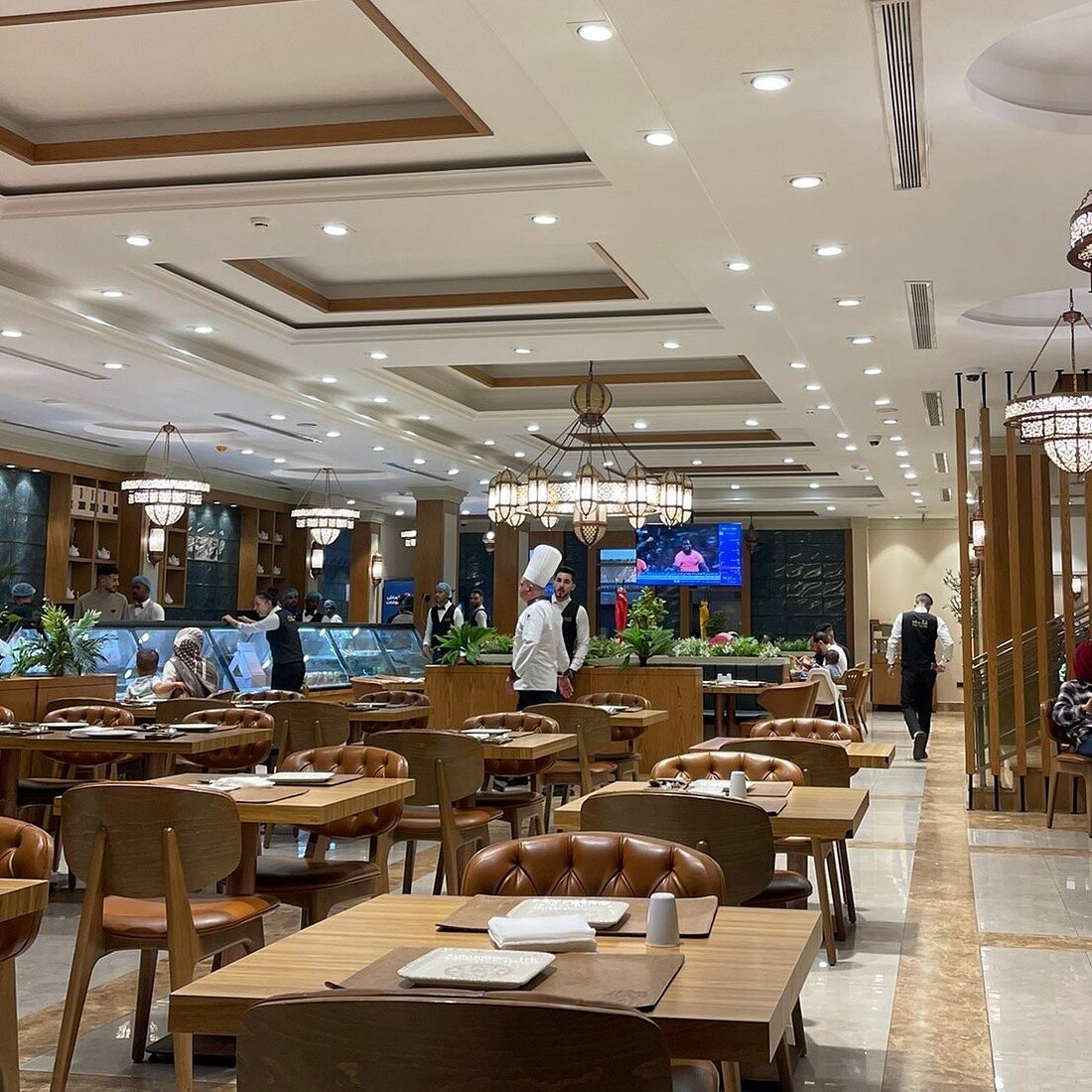
Tripoli at the Table: What the City's Dining Scene Tells You Before You Sit Down
Arriving in Tripoli, you read the city's food culture through its markets before you read it through its restaurants. The Souk al-Mushir and the older covered passages near the medina move vegetables, dried legumes, olives, and preserved lemons at a pace that tells you where the real culinary centre of gravity lies: in produce, not performance. Restaurants here are downstream of that supply chain, and the best-positioned ones know it. Fattoush, sitting inside that tradition, belongs to a category of Tripoli dining room where the plate is less a statement of ambition than a translation of what the city's growers and traders have to offer on a given day.
That orientation matters because Libya's dining scene does not operate inside the Michelin framework that structures expectations elsewhere. There are no star-rated counters, no tasting-menu formats priced against international peers. What structures the scene instead is proximity to ingredient sources, regional culinary lineage (Ottoman, Berber, Italian colonial, and Levantine threads all surface in Libyan cooking), and the social function of the dining room itself. Fattoush's name alone signals its point of entry: fattoush, the bread-and-vegetable salad common across the Levant, is a dish that lives or dies by the freshness of its components. Naming a restaurant after it is a declaration of where the kitchen's priorities begin.
The shortlist, unlocked.
Hard-to-book tables, cellar releases, and concierge-planned trips.
Get Exclusive Access →The Ingredient Logic Behind Levantine and Libyan Cooking
Across the eastern Mediterranean and North Africa, the most instructive thing about a kitchen is not what it adds to a dish but what it starts with. Libyan cooking in particular shares this logic with its Levantine neighbours: the flatbread, the herb mix, the quality of the olive oil, and the acid balance of preserved vegetables are all determined well before any heat is applied. Restaurants in Tripoli that draw from this tradition are, in effect, operating as curators of local produce as much as they are cooking operations.
The fattoush salad itself illustrates the point. In its most considered forms across the region, it brings together toasted or fried pieces of khubz (flatbread), purslane, tomato, cucumber, radish, spring onion, and sumac, with the bread acting as a textural counterweight to the wet vegetables. The quality of each element is individually legible. There is nowhere to hide a substandard tomato or a poorly sourced olive oil in that construction. Kitchens that put this kind of dish at the centre of their identity are signalling that sourcing is their primary discipline.
Tripoli's position on the Mediterranean coast and its proximity to the Jebel Nafusa agricultural region give local kitchens access to a supply of olive oil, grains, and seasonal produce that is broadly underrepresented in international food writing. Venues like Baracuda Seafood Restaurant in Tripoli lean into the city's coastal geography; others, including Fattoush, sit in the Levantine-inflected tradition that arrived through trade routes and population movement over centuries. Neither is a lesser version of the other. They are different expressions of the same city's larder.
Where Fattoush Sits in Tripoli's Dining Mix
Tripoli's restaurant sector divides, broadly, into a small cluster of venues that serve international or Turkish-inflected menus to a business and expatriate clientele, and a larger, less visible group that operates within Libyan and Levantine cooking traditions for a predominantly local audience. Laleli Turkis Restaurant represents the former category. As-Safir Restaurant and مطعم المندي point toward the regional cooking end of that spectrum. Fattoush, with its Levantine naming reference and its position in the capital, sits closer to the latter group.
That positioning has practical implications for the visitor. Pricing in this tier of Tripoli dining is calibrated to local purchasing power rather than to international restaurant benchmarks. Booking infrastructure, website presence, and the kind of logistical transparency that travellers expect from restaurants in, say, New York or London, are not the norm here. Le Bernardin in New York City or Atomix in New York City operate inside a system of published menus, online reservations, and documented press coverage that makes pre-visit research direct. Tripoli's dining scene, including Fattoush, requires a different approach: local contacts, Arabic-language navigation, and a tolerance for the kind of discovery that comes without a published review trail.
For visitors accustomed to the documented transparency of European fine dining, whether at Waterside Inn in Bray, Dal Pescatore in Runate, or Uliassi in Senigallia, that adjustment can be jarring. But the trade-off is access to a food culture that receives almost none of the international attention directed at, say, Italian coastal cooking at Quattro Passi in Marina del Cantone or the alpine ingredient-sourcing discipline of Atelier Moessmer Norbert Niederkofler in Brunico.
Planning a Visit: What to Know Before You Go
Tripoli is not a direct destination for independent travel, and the practical advice that applies to the city's restaurants applies here. Confirmed opening hours, direct phone contact, and English-language booking channels are not reliably available for venues in this tier of the market. The most effective approach is to arrange visits through a locally based contact or hotel concierge who can confirm current operating status and, if needed, place a reservation or inquiry on your behalf. Togada Cafe in Ghudamis offers a useful reference point for the kind of informal, locally embedded dining experience that defines much of Libya's food scene outside formal structures. For a broader orientation to eating in the capital, the full طرابلس restaurants guide covers the category in more detail.
The Levantine dining format, which Fattoush's name and positioning suggest, typically involves a spread of shared cold and warm mezze before any main dishes arrive. Portions are calibrated for the table, not the individual. Coming with two or more people gives you access to a wider range of the kitchen's output. Lunch tends to be the dominant meal service in this tradition; evening service exists but the midday meal is where the produce is freshest and the kitchen most active.
As a reference point for what ingredient-driven cooking looks like at its most considered end globally, venues like HAJIME in Osaka, Lazy Bear in San Francisco, or Reale in Castel di Sangro operate with fully documented sourcing narratives and tasting formats. Fattoush operates without any of that apparatus. What it offers instead is a more direct, less mediated version of the same underlying logic: food built from what the region produces, served in a format the region has refined over generations. Also worth comparing locally: L'antica Pizzeria Da Michele / Libya and Emeril's in New Orleans represent the documented end of the spectrum for those who want a clearer pre-visit picture.
Frequently Asked Questions
- Is Fattoush okay with children?
- Tripoli's Levantine-style restaurants are generally family-oriented by default, and the shared mezze format suits mixed-age groups. Fattoush's price positioning within the local market makes it an accessible option for families eating in the capital.
- What's the vibe at Fattoush?
- If you arrive expecting the kind of formal dining room signalling found at award-listed venues, Tripoli's neighbourhood restaurants will not match that template. Fattoush sits in a city where dining rooms function as communal social spaces first; the atmosphere is shaped by that local function rather than by any hospitality design brief. Without published awards or a documented price tier, the most reliable guide is to treat it as you would any well-regarded neighbourhood address in a North African capital: informal, sociable, and calibrated to local rather than international expectations.
- What should I order at Fattoush?
- The kitchen's Levantine framing points toward mezze as the primary format. Order across the cold and warm spread rather than anchoring to a single main dish. The fattoush salad itself, given its role in the restaurant's identity, is the most logical starting point for assessing the kitchen's sourcing discipline and its relationship with the produce coming through the door.
- How does Fattoush fit into Libya's broader culinary tradition?
- Libyan cooking draws from Berber, Ottoman, and Mediterranean trading influences, with Levantine technique particularly visible in the western coastal cities. Fattoush, named for one of the Levant's most ingredient-transparent dishes, operates within that western Libyan culinary lineage. Tripoli's proximity to both coastal fishing grounds and the Jebel Nafusa agricultural interior gives kitchens here access to a supply that is genuinely distinct from what arrives in restaurant districts further north across the Mediterranean.
At-a-Glance Comparison
These are the closest comparables we have in our database for quick context.
| Venue | Cuisine | Price | Awards | Notes |
|---|---|---|---|---|
| Fattoush | This venue | |||
| L'antica Pizzeria Da Michele / Libya | ||||
| Laleli Turkis Restaurant | ||||
| مطعم المندي | ||||
| As-Safir Restaurant |
Need a table?
Our members enjoy priority alerts and concierge-led booking support for the world's most difficult tables.
Get Exclusive AccessThe shortlist, unlocked.
Hard-to-book tables, cellar releases, and concierge-planned trips.
Get Exclusive Access →