Tocabe, An American Indian Eatery

Tocabe, An American Indian Eatery on West 44th Avenue brings Indigenous American foodways into Denver's casual dining conversation, one of few restaurants in the country to center Native cuisine as its primary lens. The menu draws on traditions that predate European contact, making it a substantive counterpoint to the European-rooted frameworks that dominate the city's dining scene.
Pearl is the En Primeur Club membership app — saves, bookings, and concierge access live there. Same editors, same standards.
- Address
- 3536 W 44th Ave, Denver, CO 80211
- Phone
- +17205248282
- Website
- tocabe.com
- Directions
- Get directions
 Saves & bookings on Pearl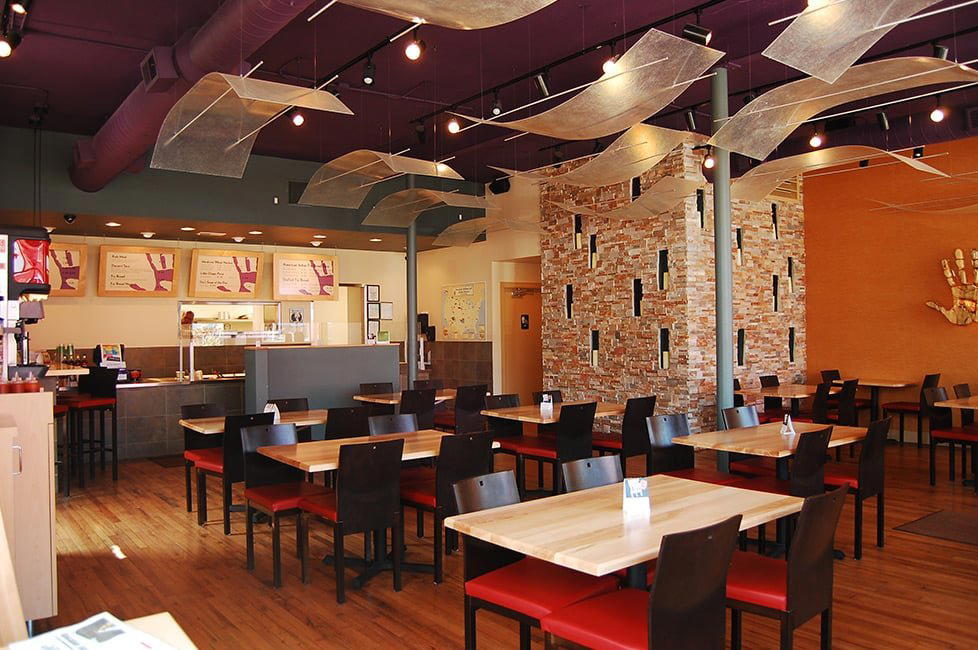
Where the Plate Tells a Different Story
The visual language, the ingredient vocabulary, the logic of the menu, all of it references traditions that existed on this continent long before any colonial kitchen arrived. That orientation is rarer in American restaurants than it should be, and it gives Tocabe a distinctly different atmosphere from the $$$ Israeli counter at Alma Fonda Fina or the tasting-menu formalism of Brutø a few miles away.
Denver's dining scene has expanded considerably over the past decade, with serious contemporary American cooking at places like The Wolf's Tailor and Beckon drawing national attention. But the conversation about what "American" cooking actually means, whose ingredients, whose techniques, whose history, remains unresolved. Tocabe occupies that unresolved space directly, foregrounding Native American foodways in a format accessible enough for a weeknight meal.
The Sensory Register of Indigenous Ingredients
Indigenous American cuisine operates on a different aromatic and textural register than the European-derived cooking that dominates most American restaurant menus. Bison, frybread, wild rice, hominy, and dried chiles built into traditional preparations carry flavors that are earthier, less acidic, and often more mineral-forward than, say, the butter-and-reduction vocabulary of classical French cooking. At Tocabe, those ingredients appear in a format, counter service, assembled bowls and fry bread bases, that keeps the focus on the food rather than on ceremony or fine-dining signaling.
That format is deliberate and worth noting in context. Indigenous food has often been presented to mainstream audiences either as museum-piece ethnography or as high-concept fine dining with a Native-inspired twist. The counter-service model here positions the cuisine as everyday food with deep roots, not as spectacle. It's a stance that places Tocabe in a different comparable set from the prix-fixe formats at Annette or the formal tasting menus of nationally recognized rooms like Lazy Bear in San Francisco or Alinea in Chicago.
Denver's Northwest Side and the West 44th Corridor
The West Highland and Sunnyside neighborhoods that frame West 44th Avenue have attracted a particular kind of independent restaurant, places with a clear point of view and a neighborhood-first orientation, rather than destination-dining venues chasing national press. That context suits Tocabe's approach. The surrounding blocks include a mix of longtime Denver residents and newer arrivals, and the restaurant functions as a genuine neighborhood anchor rather than a draw for visitors who've already ticked off the city's tasting-menu circuit.
For visitors making a broader Denver sweep, arriving from the mountain corridor or checking out Denver's broader culinary range alongside the city's more celebrated rooms, West 44th sits within reasonable reach of central Denver. For orientation: Tocabe is a northwest-side destination, distinct in character from the RiNo and LoDo clusters that tend to anchor most first-time itineraries.
Why Indigenous Cuisine Occupies a Narrow Lane Nationally
The scarcity of Native American restaurants operating at any consistent scale is worth naming plainly. Across the United States, Indigenous-owned restaurants presenting Native foodways as a primary rather than incidental focus remain a small category, a handful of operations nationwide, concentrated in cities with significant Native populations or in proximity to tribal lands. The reasons are structural: ingredient supply chains for traditional Native foods are underdeveloped, culinary training pipelines rarely address Indigenous techniques, and the mainstream restaurant economy has historically shown little appetite for food cultures that don't map onto European or East Asian frameworks.
Against that background, a restaurant like Tocabe doing consistent volume in a major city represents something more substantive than a niche curiosity. Nationally, the conversation about food sovereignty and Indigenous ingredients has grown more serious in the past decade, with chefs like Sean Sherman (The Sioux Chef, Minneapolis) and events like the Native American Food Sovereignty Alliance drawing attention from the same publications that cover the fine-dining circuit. Tocabe sits in that broader movement, operating at a more accessible price point than the high-end Native-influenced tasting formats that occasionally appear at larger festivals or pop-up events.
For comparison: the kind of culinary specificity and cultural rootedness that defines Tocabe's approach takes a different form at celebrated rooms like Blue Hill at Stone Barns or Single Thread Farm in Healdsburg, where terroir-driven American cooking draws on European fine-dining architecture. Tocabe's relationship to place and ingredient is equally deliberate, just routed through a completely different historical and cultural channel.
Planning Your Visit
The counter-service format means Tocabe operates at a pace and accessibility level that separates it from the reservation-dependent fine dining at venues like The French Laundry in Napa, Le Bernardin in New York City, or Providence in Los Angeles. Walk-ins are the norm rather than the exception. Peak lunch hours on weekdays draw neighborhood regulars; weekend evenings tend to draw a broader mix. confirm current hours directly with the restaurant before visiting.
| Venue | Cuisine | Price Range | Format | Booking |
|---|---|---|---|---|
| Tocabe | American Indian | $ | Counter service | Walk-in |
| Alma Fonda Fina | Mexican | $$ | Sit-down, à la carte | Reservations recommended |
| Brutø | Contemporary | $$$$ | Tasting menu | Reservations required |
| The Wolf's Tailor | New American | $$$$ | Tasting menu | Reservations required |
| Safta | Israeli | $$$ | Sit-down, sharing plates | Reservations recommended |
Peers in This Market
Comparable venues nearby, for context on price, style, and recognition.
| Venue | Cuisine | Price | Notes |
|---|---|---|---|
| Tocabe, An American Indian EateryThis venue — the venue you are viewing | Contemporary American Indian | $$ | Not listed |
| Fox And The Hen | American Breakfast and Brunch | $$ | Highland |
| Briar Patch | Modern American Gastropub | $$ | Congress Park |
| Pint Brothers | American Gastropub | $$ | Hampden South |
| Hamburger Mary's Denver | American Burgers with Drag Entertainment | $$ | City Park West |
| Roxy on Broadway | Vintage-Modern American Fusion | $$ | Washington Park West |
Recognition history
Dated appearances from independent guides and award organizations, with the underlying list record or original source where available.
Diners, Drive-Ins and Dives Featured Restaurant
Diners, Drive-Ins and Dives · 2026 Diners, Drive-Ins and Dives Featured Restaurants
Continue exploring
More in Denver
Restaurants in Denver
Browse all →
Bars in Denver
Browse all →
Hotels in Denver
Browse all →

At a Glance
- Rustic
- Cozy
- Casual Hangout
- Family
- Standalone
- Local Sourcing
Current opening hours
- Monday
- Closed
- Tuesday
- 11 AM–9 PM
- Wednesday
- 11 AM–9 PM
- Thursday
- 11 AM–9 PM
- Friday
- 11 AM–9 PM
- Saturday
- 11 AM–9 PM
- Sunday
- 12–8 PM
Hours can change for holidays and private events. Last verified .
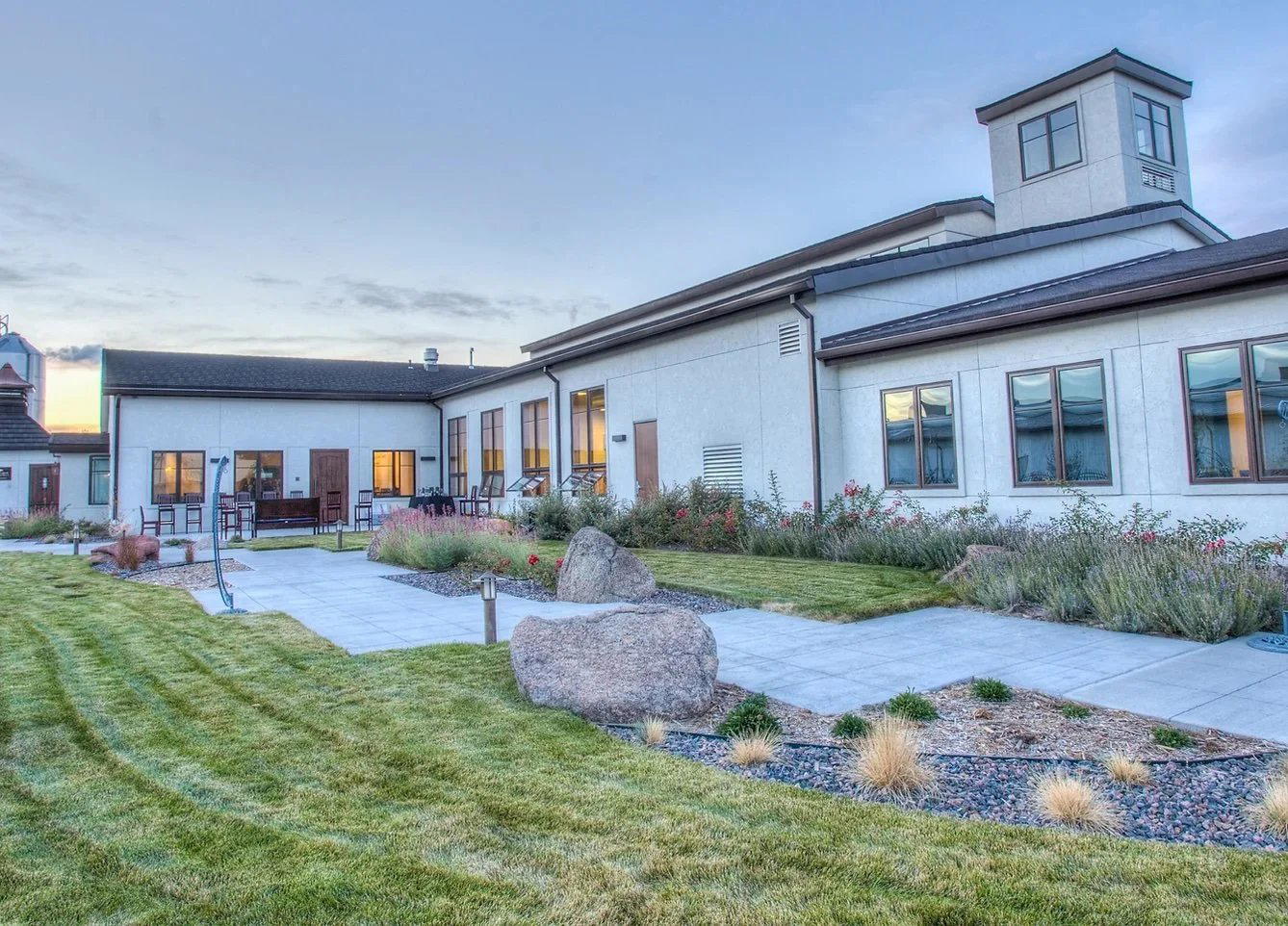
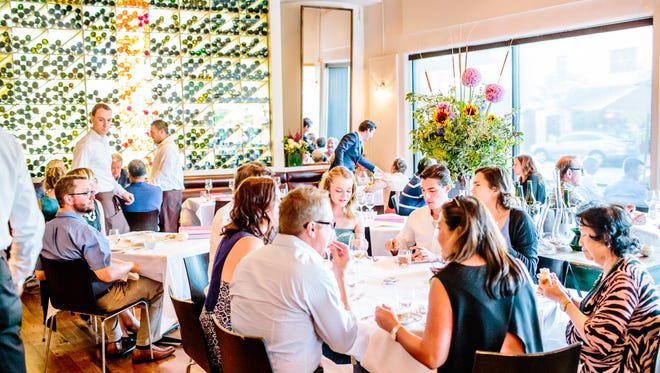
Casual fast-casual atmosphere with a cultural focus on Indigenous storytelling through food, featuring counter service in a laid-back neighborhood setting.