
Tabelog 100 #86
Our verdict
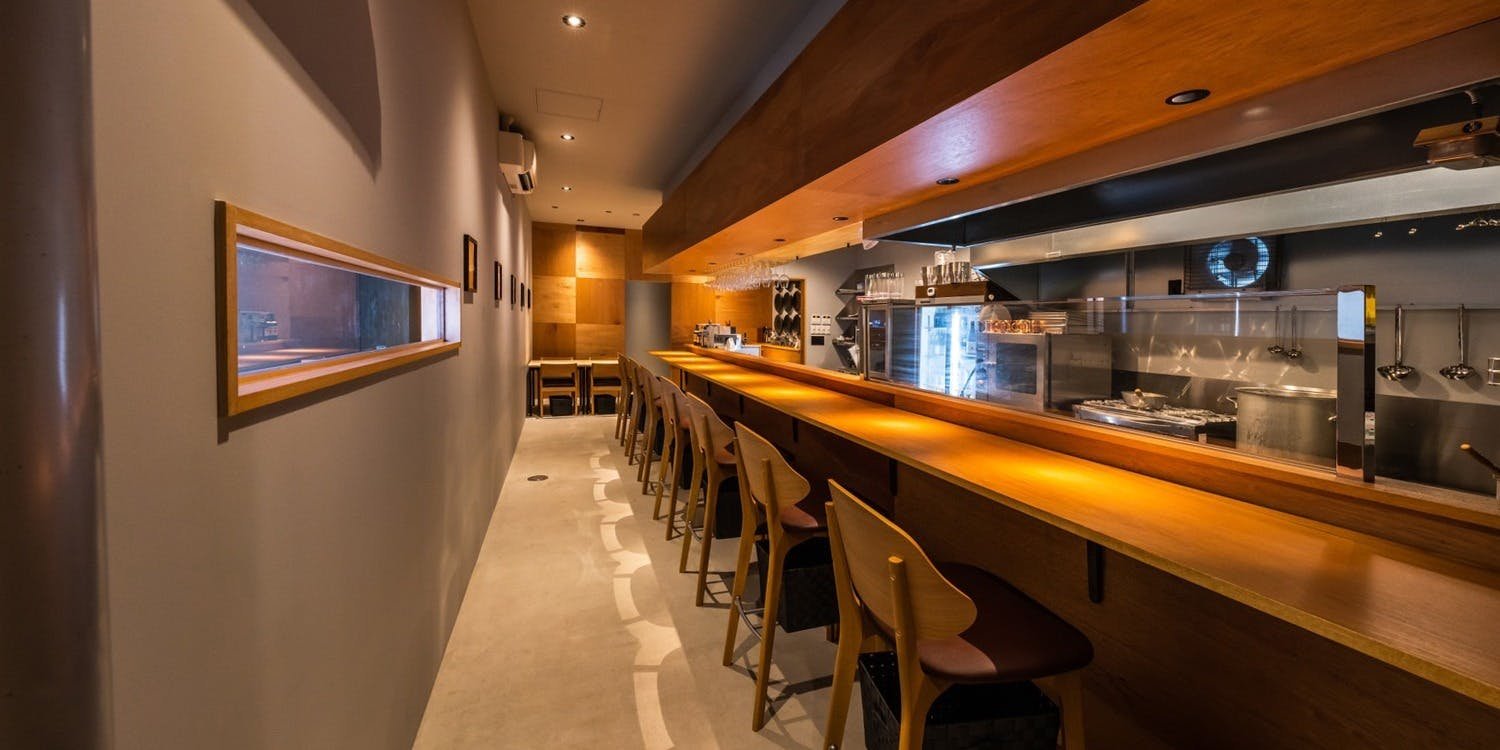
Tobu gives Yokote a serious chicken-cuisine address in a prefecture better known to many travelers for rice, sake, and winter food traditions. Its Tabelog 100 - Chicken cuisine - 2025 selection, compact 22-seat scale, counter seating, and drinks focus across nihonshu, shochu, and wine place it in Akita’s specialist dining tier rather than the broad izakaya lane.

Pearl is the En Primeur Club membership app — saves, bookings, and concierge access live there. Same editors, same standards.
- Address
- 秋田県横手市大町5-33 桧山ビル 1F
- Phone
- +81182361311
- Website
- r.goope.jp
- Directions
- Get directions
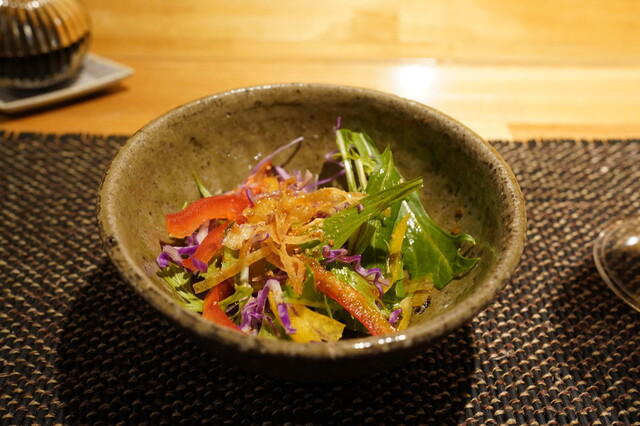
The menu
What to order
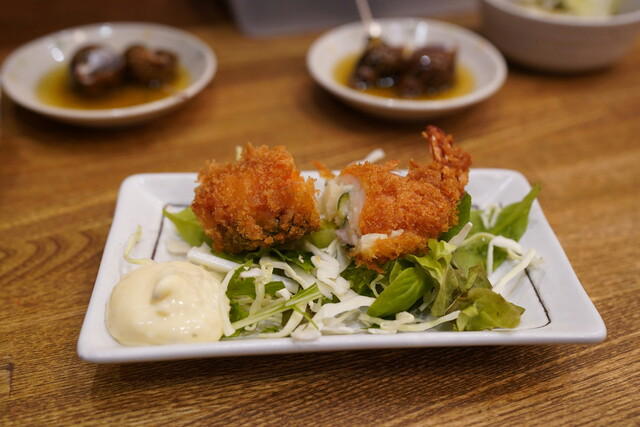
- Mizutaki nabe (chicken hot pot)
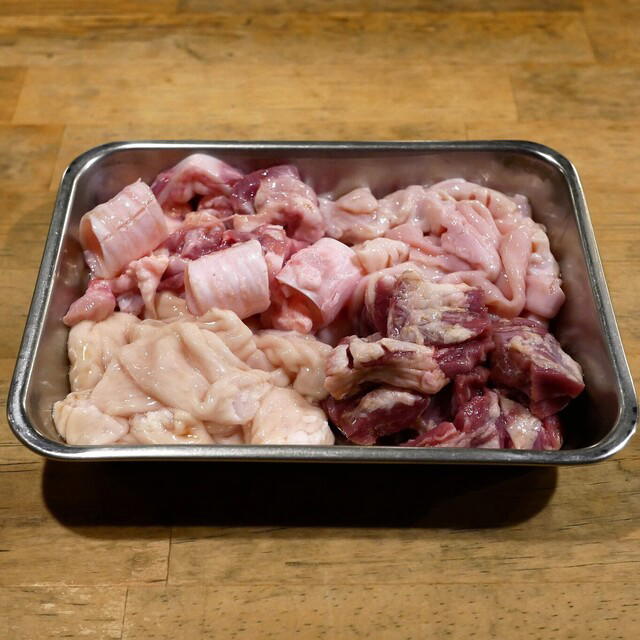
- Assorted chicken course dishes
- Tori-sashi (chicken sashimi)
The first read is compact: a restaurant in Akita, and a local scale that suits chicken dishes better than spectacle. Akita dining often begins with place rather than polish: rice country, sake country, cold-weather preservation, inland appetite. Here, a restaurant built around chicken must justify itself through careful cooking, heat control, and drink pairing, not luxury signals. Tobu belongs to that tighter category, where the question is not menu breadth but how clearly one ingredient can carry an evening.
Chicken cuisine in Japan is often flattened in translation as yakitori, but broader chicken-focused restaurants can use a wider grammar: grilled cuts, simmered preparations, seasonal accompaniments, and rice or noodle finishes depending on region and house style. Akita adds agricultural confidence, and poultry remains one of the area’s serious culinary subjects, not a side note to beef or seafood. An Akita chicken table therefore reads differently from a metropolitan counter chasing rarity. It sits closer to regional food culture, where the handling of fat, texture, and seasoning matters more than novelty.
Akita chicken cookery, treated as a regional argument
The useful way to understand Tobu is as part of Akita’s ingredient-led dining map. The prefecture has beef rooms, sake-friendly izakaya formats, and polished Japanese counters, but chicken dishes occupy a narrower, more revealing lane. Selection for Tabelog 100 - Chicken cuisine - 2025 gives the restaurant a national signal inside that lane, while its Tabelog score of 3.64 places it in a credible specialist bracket without turning the experience into trophy dining. That distinction matters. This is not the same decision as booking formal tempura or a beef-led dinner; it is a decision to let poultry carry the meal’s structure.
That focus clarifies the drinking logic. Akita’s sake culture is not incidental to this cooking. Chicken fat, char, seasoning, and richer or leaner preparations can ask for different drinks over a meal, and a table attentive to pacing benefits from that range. In northern Japan, where sake often frames dinner as much as food does, that breadth is practical. It lets the meal move from cleaner flavors to richer ones without forcing every pairing into one register.
Within wider Akita, the contrast is sharp. Other Akita dining rooms may make the beef case directly, while some local venues speak plainly to the prefecture’s chicken associations. Contemporary restaurants show other ways the city’s dining scene absorbs local produce into modern formats. Tobu’s value is narrower: it asks whether chicken, handled with enough concentration, can anchor a full evening in Akita.
A focused format changes the stakes
Format shapes expectation. A chicken-dishes restaurant gives less cover for unfocused menu sprawl and more pressure on timing. In chicken cookery, that matters because the difference between satisfying and dull often sits in seconds of heat, skin handling, and the sequencing of richer preparations against cleaner ones. The experience suits a social register built around attentive, informal dining: focused enough for the cooking to matter, relaxed enough that the ingredient stays foregrounded.
Comparison outside the poultry lane is instructive. Tempura Shoshin An, another Akita reference point, works from a different discipline: batter, oil, timing, and seasonal produce. Names such as Pocket, Shio Horumon Sumiraku, and Don Quixote occupy other casual or adjacent lanes, but they do not answer the same chicken-focused question. Tobu’s case is tighter: a clear category, a regional ingredient tradition, and a format that recognizes chicken as a serious dining subject.
How to place it on an Akita itinerary
Akita rewards travelers who look beyond the most obvious stops. The area has its own food identity, shaped by inland weather, farming communities, and winter culture, making a focused chicken dinner less a detour than a useful correction to the usual Akita script. Pairing Tobu with broader Akita dining gives the trip better range: beef, chicken, sake-led evenings, and quieter regional rooms where cooking is less performative.
For planning, Our full Akita restaurants guide is the natural place to compare dining styles across the prefecture, while Our full Akita hotels guide helps separate city stays from more rural itineraries. Travelers building a fuller food-and-drink route can also use Our full Akita bars guide, Our full Akita wineries guide, and Our full Akita experiences guide to understand how sake, local produce, and seasonal travel fit together.
The broader Japan file shows how specialized formats travel across regions without becoming interchangeable. Beef-focused, seafood-focused, cafe-style, curry, and comfort-food formats can all succeed when the concept is narrow but the sourcing logic is clear. Even outside Japan, ingredient-specific drinking rooms and focused casual formats underline the same point: narrow concepts work when that logic is evident. Tobu’s appeal is that clarity, expressed through Akita’s chicken-dishes culture rather than imported dining theater.
Frequently asked questions
What's Tobu's location?
Akita.
What's the pricing like at Tobu?
Pricing at Tobu is listed as Dinner: JPY 5,000 - JPY 5,999; Lunch: JPY 3,000 - JPY 3,999.
Do they take walk-ins at Tobu?
Reservation details should be confirmed directly with Tobu. As a focused chicken-dishes restaurant in Akita, advance planning is the safer approach.
What has Tobu built its reputation on?
Tobu was selected for Tabelog 100 in the chicken cuisine category for 2025, which is the clearest credential on the page. Its profile also points to a focused chicken-dishes format in Akita.
Can Tobu adjust for dietary needs?
Those details are not published. Tobu lists a phone number, +81-182-36-1311. Check the venue's official channels for the latest details.
Comparison Snapshot
Comparable venues by cuisine and price in the same metro.
| Venue | Cuisine | Price | Awards | Notes |
|---|---|---|---|---|
| TobuThis venue — the venue you are viewing | Traditional Japanese chicken hot pot (mizutaki) | $20–30 | Tabelog 100 #86 | Not listed |
| Akita Hinaiya Oodate honten | Hinai-jidori & Akita regional Japanese | $20–30 | Tabelog 100 #70 | Odate |
| Akita Gyugentei Ekimae honten | Akita wagyu yakiniku & grilled meat | $50–100 | Tabelog 100 #64 | Akita |
| Sushi Kojima | Traditional Omakase Sushi | $50–100 | Tabelog 100 #7 | Akita |
| Akita Kurasu | Akita local sake standing bar & specialty shop | $10–20 | Tabelog 100 #95 | Akita |
| Takaraya | Local sake-focused Japanese izakaya | Not listed | Tabelog 100 #28 | Akita |
Recognition history
Dated appearances from independent guides and award organizations, with the underlying list record or original source where available.
Tabelog 100 #86 · No. 86
Tabelog · Tabelog 100 - Chicken cuisine - 2025
Continue exploring
More in Akita
Restaurants in Akita
Browse all →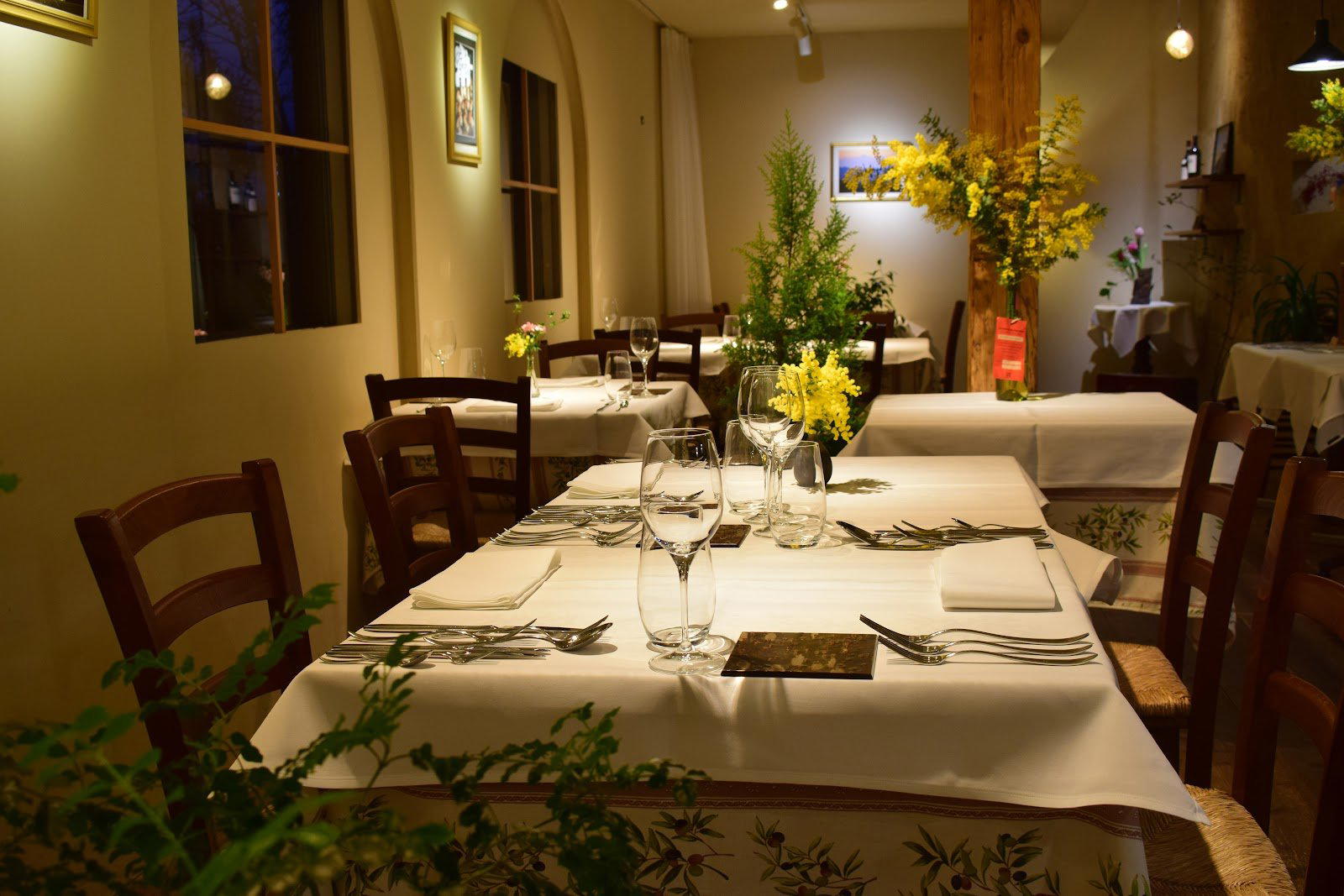
Details
- Cozy
- Intimate
- Elegant
- Date Night
- Group Dining
- Family
- Casual Hangout
- Private Event
- Private Dining
- Standalone
- Set Menu
- Family Style
- Counter Dining
- Sake
- Beer
- Allergy Accommodating
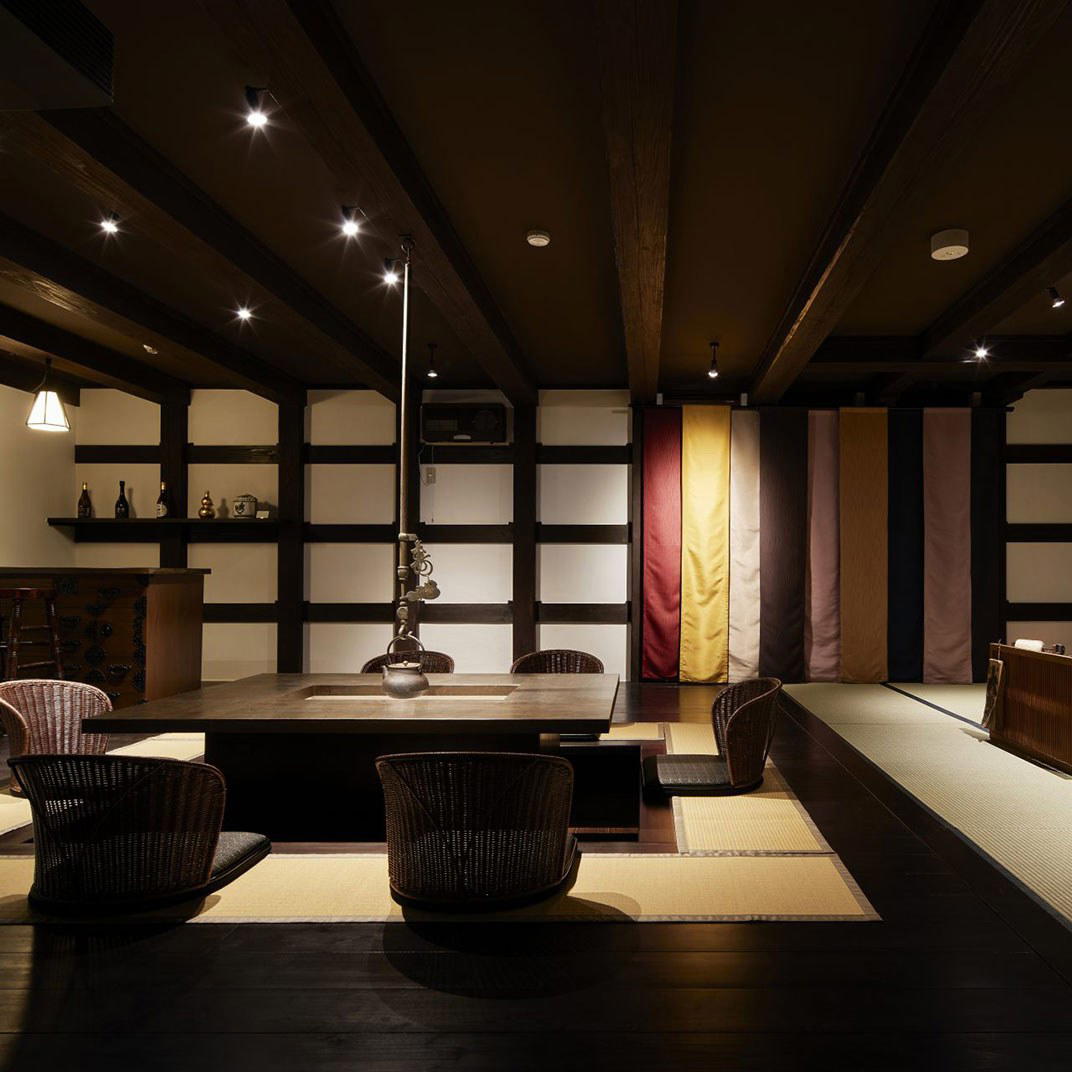
The atmosphere is calm and relaxed, with a stylish counter-focused interior suited to quiet conversations, dates, and small gatherings rather than loud group parties.