
Tabelog 100 #28
Our verdict
Akita’s grill culture is less about spectacle than provenance: beef, tripe, local vegetables, sake, and shochu handled in an izakaya register rather than a luxury dining-room script. Takaraya belongs to that practical, produce-led side of the city’s eating scene, with Tabelog 100 Yakiniku EAST recognition in 2025 and a price band that keeps it closer to local night-out territory than destination tasting-menu dining.

Pearl is the En Primeur Club membership app, where members save venues, book tables and use the concierge.
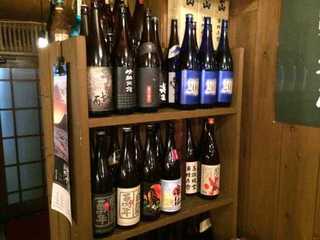
The menu
What to order
- Oden
- Grilled dishes using organic vegetables
In Akita after office hours, the city’s low-rise blocks, after-work groups, and small-venue rhythm show a prefectural capital that eats seriously without turning every counter into theatre. Akita is often framed through rice, sake, and cold-weather comfort, but its casual tavern culture matters too. Here, a tripe-focused table can overlap with izakaya habits: shared plates, local drinks, and a pace built for friends rather than ceremony.
Takaraya sits in that register. Its 2025 Tabelog recognition matters because it shifts attention toward regional rooms with loyal followings. The listing category is telling: tripe and izakaya, not polished fine dining. That frames the meal around texture, seasoning, and drinking pace, with the table functioning as part of a broader Akita night rather than a standalone luxury performance.
Akita tavern culture through tripe, izakaya rhythm, and local drink habits
Meat-led izakaya dining outside Japan’s largest cities often follows a different value equation. In Tokyo or Osaka, the conversation can turn to rare cuts, counter choreography, and reservation status. In Akita, the sharper question is how this style of food fits the region’s appetite for sake-friendly dishes, winter comfort, and communal dining. Takaraya’s listed focus on tripe places it where the meal is not only about richness, but chew, warmth, and seasoning that carry drinks through a long evening.
Regional context gives this category depth. Akita food culture is built around agriculture, fermentation, and cold-season appetite, so tavern food rarely stands apart from the table around it. Takaraya’s positioning as a tripe and izakaya venue points to a regional meal rather than a generic one. No chef’s manifesto is needed: the appeal is in tripe, shared ordering, and the kind of unfussy room where food and drink move together.
The Akita comparison set clarifies the point. Akita Gyugentei Sannou bekkan gives travelers another reference point for the city’s meat-led dining, while other Akita dining rooms frame the local night from different angles. Takaraya is more izakaya-coded: less formal progression, more ordering across shared plates, comfort dishes, and drink.
Where the city's ingredient story moves beyond the grill
Akita suits diners who want regional Japan without the flattening effect of one famous dish. Rice-based sake, mountain vegetables, Sea of Japan seafood, and Japanese dining technique all sit close together. A meal can be built through contrasts: tripe and izakaya cooking one night, sushi or Japanese cuisine the next, then a drink-led stop. Takaraya is stronger as part of an Akita itinerary than as an isolated address.
For travelers, the broader point is not to force every meal into one category. Other Akita dining rooms map the prefecture’s local produce, sake culture, and casual counter formats in different ways. Together, these addresses make the city legible: Akita’s interest lies in how local ingredients move between izakaya, Japanese dining, specialist counters, and drink-led rooms.
The comparison venues underline that range. Sushi Kojima, Nihon Ryori Takamura, and Akita Tempura Mikawa give travelers other ways to read the city’s dining hierarchy and specialist formats. Against those rooms, Takaraya’s 2025 Tabelog recognition is not a claim of formality; it signals that a casual-seeming izakaya room can carry serious regional weight.
How to place it in an Akita food itinerary
The best use of this table is a night for people who care about regional character without wanting a stiff course menu. Dinner is listed in the JPY 5,000 to JPY 5,999 range, making repeat local custom plausible and keeping it distinct from more formal specialist planning. The Tabelog score provided is 3.62, a useful signal for diners comparing it with other Akita options.
Practical planning should stay simple: treat Takaraya as an Akita izakaya choice rather than a formal destination restaurant. Its listed categories are tripe and izakaya, so the expectation should be shared ordering, drink-friendly pacing, and a room suited to an evening built around conversation. For travelers, that reinforces the appeal: not a generic passerby stop, but a place to fold into a broader Akita night.
For wider planning, use Our full Akita restaurants guide to balance izakaya rooms with sushi, Japanese dining, specialist counters, and casual formats. Travelers pairing dinner with lodging should cross-check Our full Akita hotels guide, while sake-led evenings belong with Our full Akita bars guide. Broader regional context comes through Our full Akita wineries guide and Our full Akita experiences guide, especially for travelers treating food, drink, and rural production as one itinerary.
Readers comparing Japanese casual dining beyond Akita can look broadly at other regional grill, tavern, sake, and rice-centered formats across Japan. The useful comparison is not a list of distant names, but the way each city translates everyday ingredients into local habits. Akita’s version remains tied to rice-country identity, cold-climate appetite, and the social grammar of a shared table.
The critical read is simple: Takaraya is strongest for diners who want Akita’s tripe-and-drink culture in working form. The reward is not choreographed luxury, but the intersection of tripe, izakaya pacing, regional appetite, and a city room that has earned Tabelog recognition without losing its casual grammar.
Frequently asked questions
What are Takaraya's hours?
Hours at Takaraya should be confirmed directly before visiting.
What does dinner at Takaraya typically cost?
Pricing at Takaraya is listed as JPY 5,000 - JPY 5,999 View spending breakdown.
Where is Takaraya located?
Akita.
What is Takaraya known for?
Takaraya is known as a tripe and izakaya venue in Akita, with 2025 Tabelog recognition and a listed score of 3.62.
In Context: Similar Options
Comparable venues by cuisine and price in the same metro.
| Venue | Cuisine | Price | Awards | Notes |
|---|---|---|---|---|
| TakarayaThis venue (the venue you are viewing) | Local sake-focused Japanese izakaya | Not listed | Tabelog 100 #28 | Not listed |
| é ç | Japanese | Not listed | Not listed | Akita |
| Torikou | Yakitori Izakaya | $50–100 | Tabelog 100 #49 | Akita |
| Akita Kurasu | Akita local sake standing bar & specialty shop | $10–20 | Tabelog 100 #95 | Akita |
| Sushi Kojima | Traditional Omakase Sushi | $50–100 | Tabelog 100 #7 | Akita |
| Sake Tomi | Japanese Izakaya | $30–50 | Tabelog 100 #63 | Akita |
Recognition history
Dated appearances from independent guides and award organizations, with the underlying list record or original source where available.
Tabelog 100 #28 · No. 28
Tabelog · Tabelog 100 - Yakiniku - EAST - 2025
Continue exploring
More in Akita
Restaurants in Akita
All restaurants in Akita →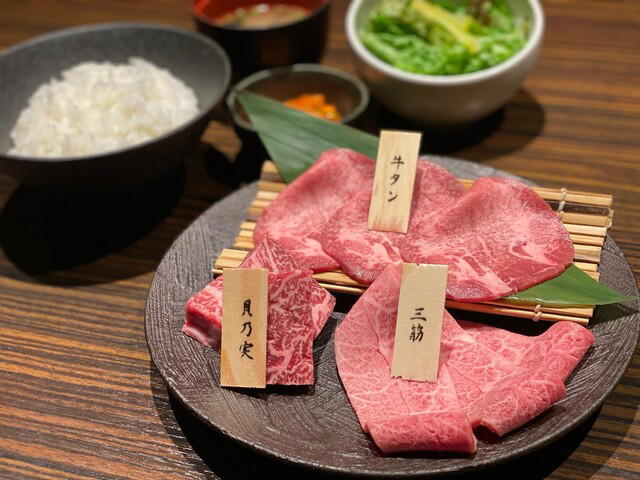
Hotels in Akita
Browse all →
Details
- Cozy
- Lively
- Intimate
- After Work
- Casual Hangout
- Group Dining
- Solo
- Late Night
- Standalone
- Sake Program
- Beer Program
- Organic
- Local Sourcing
- A La Carte
- Small Plates
- Sake
- Beer
- Organic Focus
Current opening hours
- Monday
- Closed
- Tuesday
- 6 PM–12 AM
- Wednesday
- 6 PM–12 AM
- Thursday
- 6 PM–12 AM
- Friday
- 6 PM–12 AM
- Saturday
- 6 PM–12 AM
- Sunday
- 6 PM–12 AM
Hours can change for holidays and private events. Hours as of .
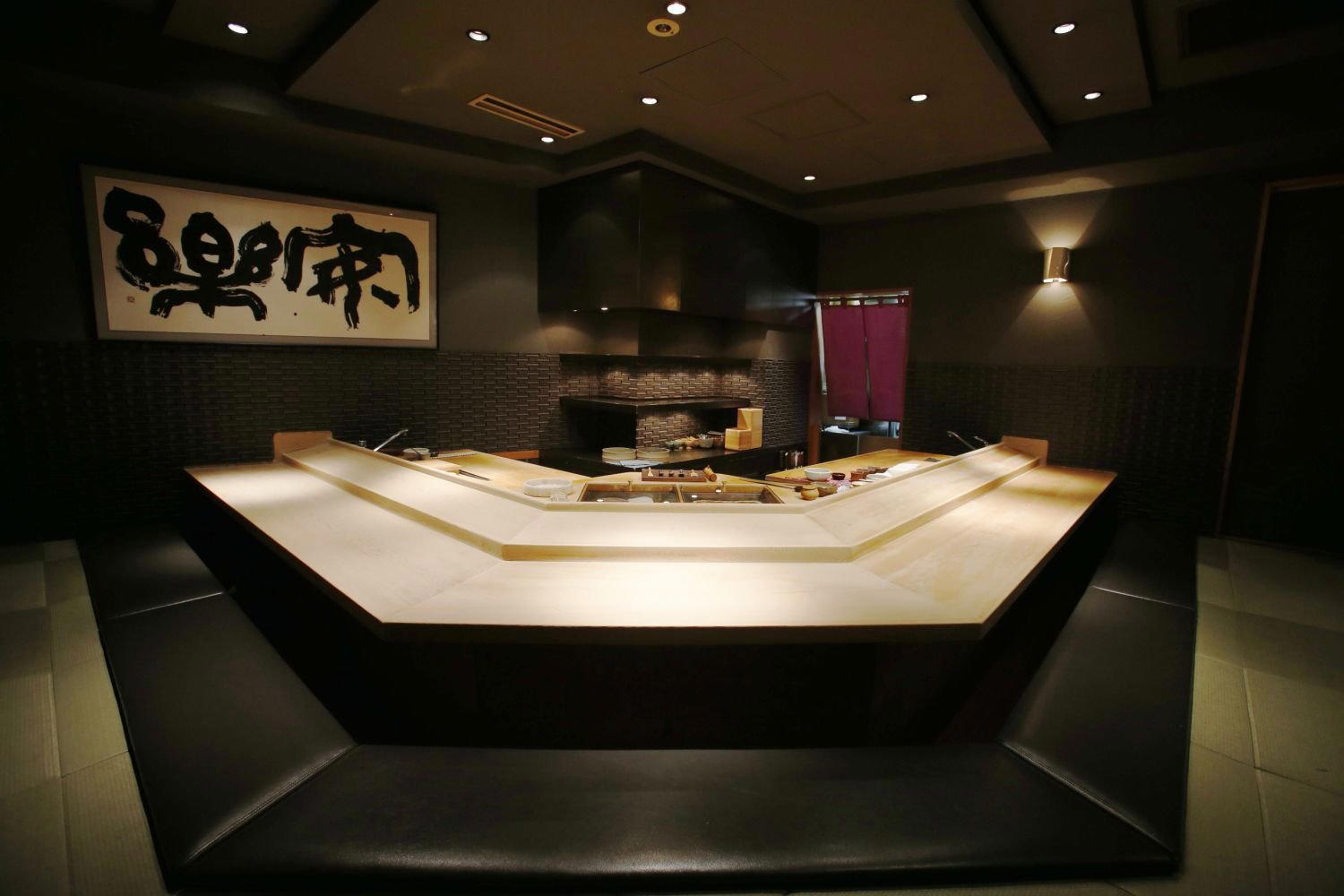
Laid-back and intimate izakaya atmosphere where food is grilled in front of guests, encouraging slow, relaxed drinking with local sake rather than a rushed meal.