
Tabelog 100 #38
Our verdict
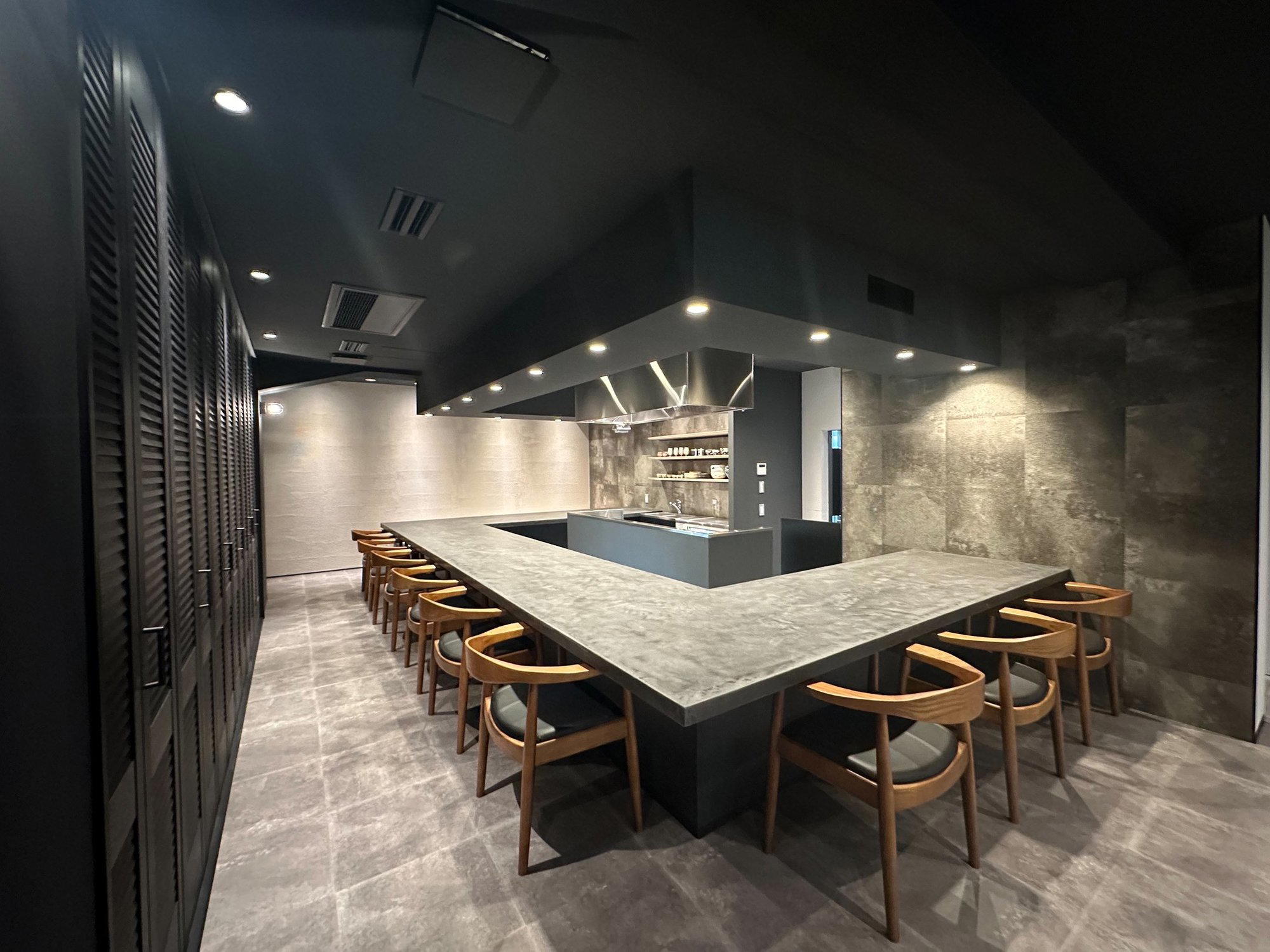
Essence places French cooking inside Akita’s northern Japanese food culture, with fish-led cooking, sake and wine service, and recognition in Tabelog 100 French EAST 2025. Its small-room format, counter and private-room seating, and reservation-only structure put it in the city’s serious dining tier rather than its casual izakaya circuit.

Pearl is the En Primeur Club membership app — saves, bookings, and concierge access live there. Same editors, same standards.
- Address
- Japan, 〒010-0851 Akita, Tegata, Nishiyachi−704-1 センティース マンション
- Phone
- +81 18-874-8433
- Hours
- Daily 12–2 PM, 6–9 PM
- Website
- essence-akita.com
- Directions
- Get directions
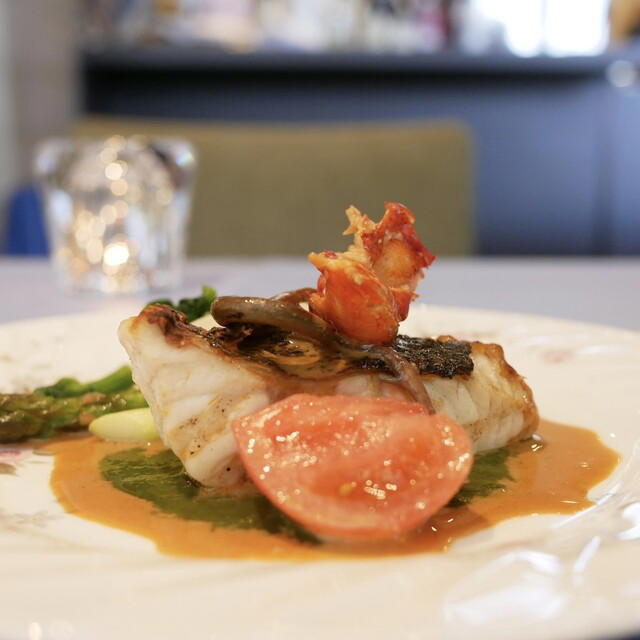
The menu
What to order
- Chef’s seasonal dégustation menu
- Recommended lunch course
- Lunch dinner course with fish and meat
- Custom special menu
Approaching Akita, the dining scene feels different from the denser restaurant grids of Tokyo or Osaka. The city’s serious rooms tend to sit closer to daily life than spectacle: station-side streets, residential edges, intimate-feeling meals, and menus shaped by the Sea of Japan, rice country, mountain vegetables, and a long sake culture. In that context, Essence reads less as an imported French idea than as a northern Japanese answer to French technique.
Akita is not a city that needs French cooking to prove sophistication. Its food identity is already deep: Hinai-jidori chicken, kiritanpo, iburigakko, shottsuru, winter seafood, and some of Japan’s defining rice and sake production. The interesting question is what happens when French structure meets that pantry. The answer, at this level, is not fusion theatre. It is a quieter mode of dining where regional appetite and a composed restaurant format carry the argument.
French technique filtered through Akita's fish-and-sake culture
French restaurants in regional Japan often work best when they stop imitating metropolitan luxury and start behaving like local interpreters. The strongest versions use sauce work, pacing, and wine grammar to frame ingredients that already have a regional logic. Here, the signal is clear: the restaurant is listed as French. That places it in a Japanese-French category that has become more persuasive outside the major capitals, where restaurants can build around local supply rather than chase imported status markers.
Tabelog’s 2025 recognition of Essence gives the room a useful external marker. It matters because regional French dining in Japan can reveal a different hierarchy from internationally driven dining: less hotel-style polish, more attention to local regulars, reservation discipline, and repeat credibility. For Akita, a city better known to visiting diners for sake, chicken, and cold-weather comfort cooking, that recognition places French dining inside the prefecture’s broader food conversation rather than outside it.
The comparison within Akita is instructive. Akita Kurasu belongs to a lighter, lower-spend register, useful for understanding everyday city dining. Other Akita dining rooms point toward the regional, casual, or premium sides of the city’s appetite. French dining here occupies another lane: structured, planned, and better suited to diners who want Akita reframed through course progression rather than served as a regional checklist.
A planned-meal format changes the pace of the evening
Format matters in Akita. A more focused restaurant meal creates a different expectation from the city’s larger drinking houses. It narrows the rhythm, reduces the margin for walk-in spontaneity, and makes the experience closer to a composed meal than a casual evening of ordering. That helps explain why Essence is best understood as a planned meal rather than a spontaneous stop.
That format also fits the way serious French cooking has evolved in Japan outside hotel dining. The point is no longer grand service choreography. The more relevant model is a restaurant where the kitchen can manage pacing, temperature, and the flow of the meal without turning dinner into a performance of luxury. In Akita, where sake literacy runs high and wine has to justify its place at the table, French cooking has to speak with the local drinking culture rather than simply sit apart from it.
This is where the city context helps. Akita’s restaurant culture is not built around international tasting-menu tourism. Diners moving through the prefecture often split their time between local food institutions, sake bars, ryokan meals, and station-adjacent restaurants. A French table with Tabelog 2025 recognition gives that itinerary a sharper counterpoint. For a wider map of the city’s eating options, Our full Akita restaurants guide is the better starting point, while Our full Akita bars guide helps place the sake and after-dinner side of the trip.
How to place it in an Akita itinerary
The smarter use of this booking is not as a substitute for Akita’s regional cooking, but as a second lens on it. Pair a French dinner with a day of local specialties, then let the contrast do the work. Travelers building a food-led route can put it beside casual and regional addresses, or use it after a lower-key meal at Akita Kurasu. The difference in format clarifies the city: Akita is not only bowls, grilled chicken, and sake counters; it also has a premium tier where French technique is used with regional restraint.
For visitors extending the trip, the city works better when food planning is linked to sleep, drink, and regional movement. Our full Akita hotels guide helps with base selection, while Our full Akita wineries guide and Our full Akita experiences guide widen the frame beyond dinner. The practical point is simple: Akita rewards itineraries that respect weather, train timing, and appetite. A French restaurant belongs on a planned evening, not as an afterthought between station transfers.
Beef-focused meals, charcoal and seafood formats, casual addresses, sake bars, and diaspora formats show how far Japanese dining identity travels, from regional technique to global interpretations. Akita’s French tier is quieter than those contrasts, but that is exactly its value: it shows how local ingredients can enter a European framework without losing their northern character.
Frequently asked questions
Where do I go for Essence?
Akita.
What's the price range at Essence?
Pricing at Essence is listed as Dinner: JPY 10,000 - JPY 14,999; Lunch: JPY 15,000 - JPY 19,999.
What are Essence's hours?
Published hours are not provided here.
What is Essence known for?
Essence is known as a French restaurant in Akita. It has Tabelog recognition for 2025, with a listed score of 3.84.
Can Essence adjust for dietary needs?
Those details are not published.
Is Essence good for families?
Essence is a French restaurant in Akita, so it is best approached as a planned meal. For family visits or group needs, confirm suitability directly with the venue before booking.
Pricing, Compared
Nearby venues at a similar price tier for orientation.
| Venue | Cuisine | Price | Awards | Notes |
|---|---|---|---|---|
| EssenceThis venue — the venue you are viewing | Seasonal French fine dining in Akita | $50–100 | Tabelog 100 #38 | Not listed |
| Hinai Jidori Kushi Sot l'y laisse | Hinai-jidori yakitori counter | $50–100 | Tabelog 100 #17 | Akita, Hinai-jidori yakitori counter |
| スシュ | Classic French | Not listed | Tabelog Bronze #421 | Akita, Classical French Cuisine |
| Sushi Kojima | Traditional Omakase Sushi | $50–100 | Tabelog 100 #7 | Akita, Traditional Omakase Sushi |
| Sake Tomi | Japanese Izakaya | $30–50 | Tabelog 100 #63 | Akita, Japanese Izakaya |
| Tobu | Traditional Japanese chicken hot pot (mizutaki) | $20–30 | Tabelog 100 #86 | .null, Traditional Japanese chicken hot pot (mizutaki) |
Recognition history
Dated appearances from independent guides and award organizations, with the underlying list record or original source where available.
Tabelog 100 #38 · No. 38
Tabelog · Tabelog 100 - French - EAST - 2025
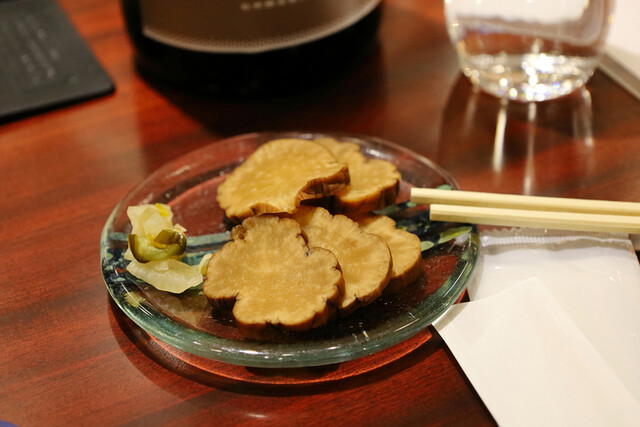
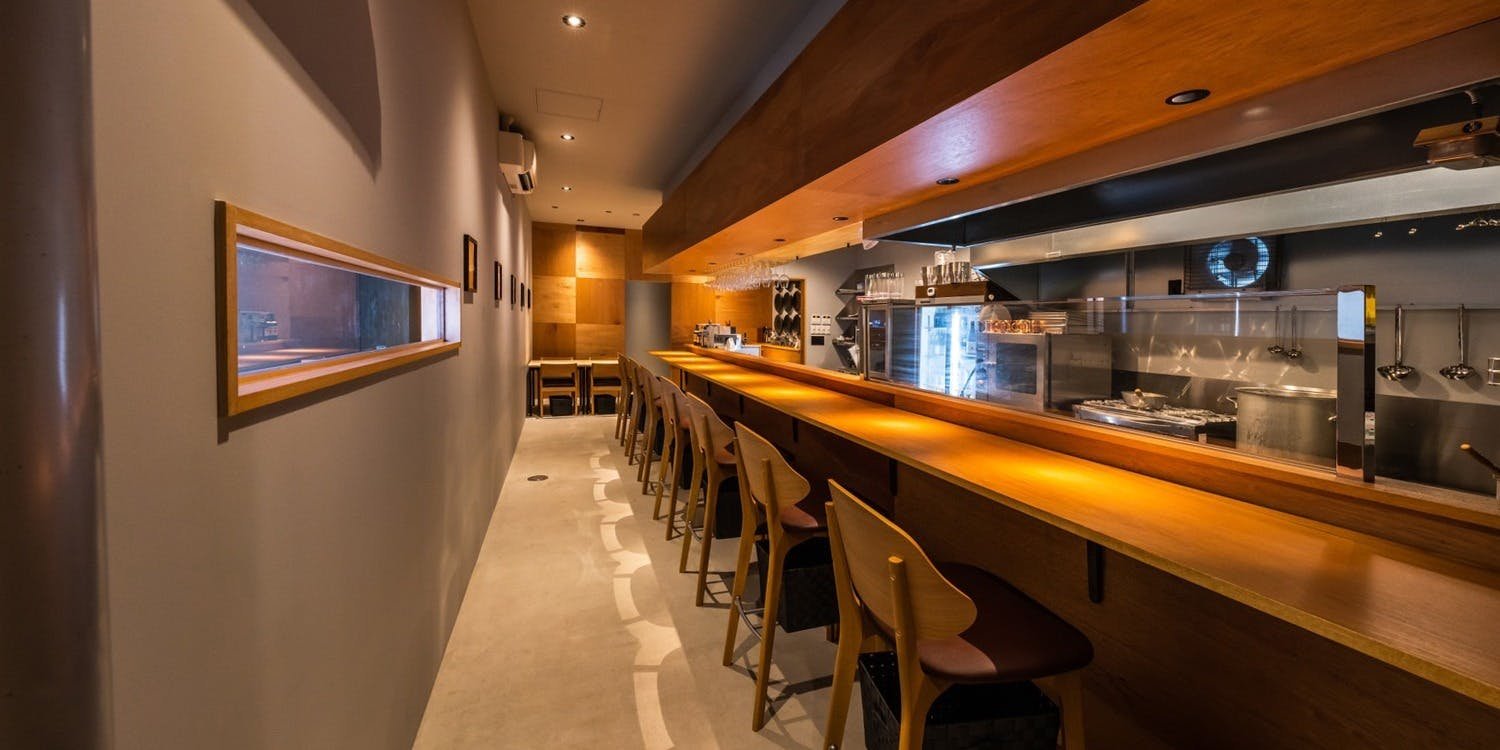
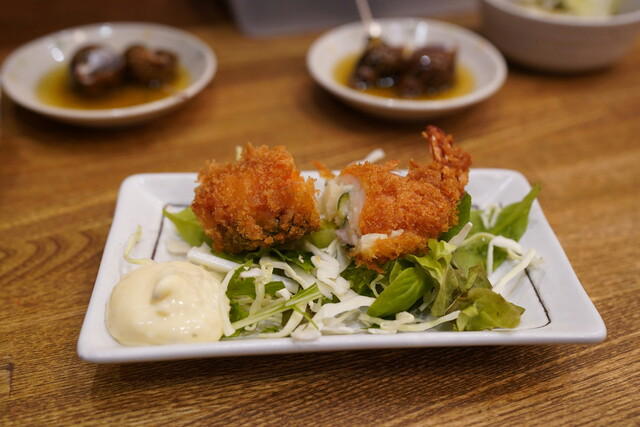
Details
- Romantic
- Intimate
- Elegant
- Cozy
- Date Night
- Special Occasion
- Celebration
- Business Dinner
- Group Dining
- Standalone
- Extensive Wine List
- Local Sourcing
- Tasting Menu
- Prix Fixe
- Set Menu
- Wine
- Allergy Accommodating
Current opening hours
- Monday
- 12–2 PM, 6–9 PM
- Tuesday
- 12–2 PM, 6–9 PM
- Wednesday
- 12–2 PM, 6–9 PM
- Thursday
- 12–2 PM, 6–9 PM
- Friday
- 12–2 PM, 6–9 PM
- Saturday
- 12–2 PM, 6–9 PM
- Sunday
- 12–2 PM, 6–9 PM
Hours can change for holidays and private events. Last verified .
Intimate, quietly elegant neighborhood French with a calm, relaxed pace, where the chef builds seasonal menus to order and emphasizes thoughtful, health-minded dining rather than formality.