
Tabelog 100 #93
Our verdict
Eiraku Shokudo sits in Akita’s izakaya tradition rather than the city’s formal dining lane: shared tables, tavern cooking, and a local rhythm built around drinking food. Its Tabelog 100 Izakaya EAST selections in 2024 and 2025 put it in a recognized regional category, while the format remains closer to everyday shokudo culture than ceremony.

Pearl is the En Primeur Club membership app — saves, bookings, and concierge access live there. Same editors, same standards.
- Address
- 4 Chome-14-33 Nakadori, Akita, 010-0001, Japan
- Phone
- +81 18-833-1473
- Hours
- Mon–Sat 4:30 PM–12 AMSun Closed
- Website
- instagram.com
- Directions
- Get directions
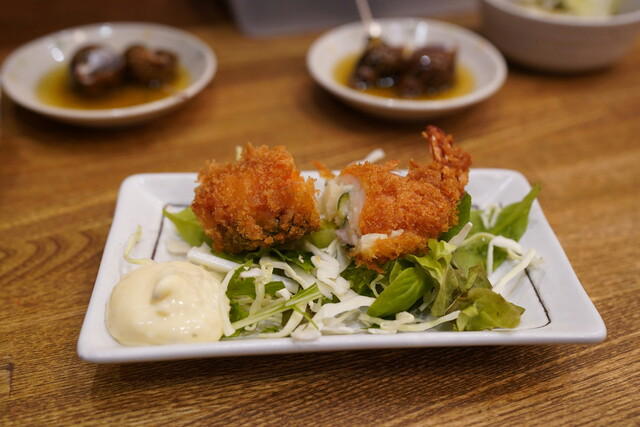
The menu
What to order
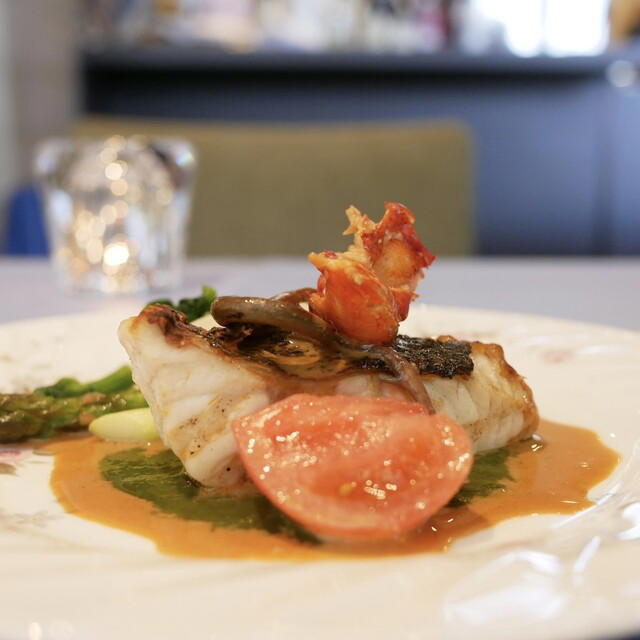
- Sardine potato fry
- Radish and shrimp fritters
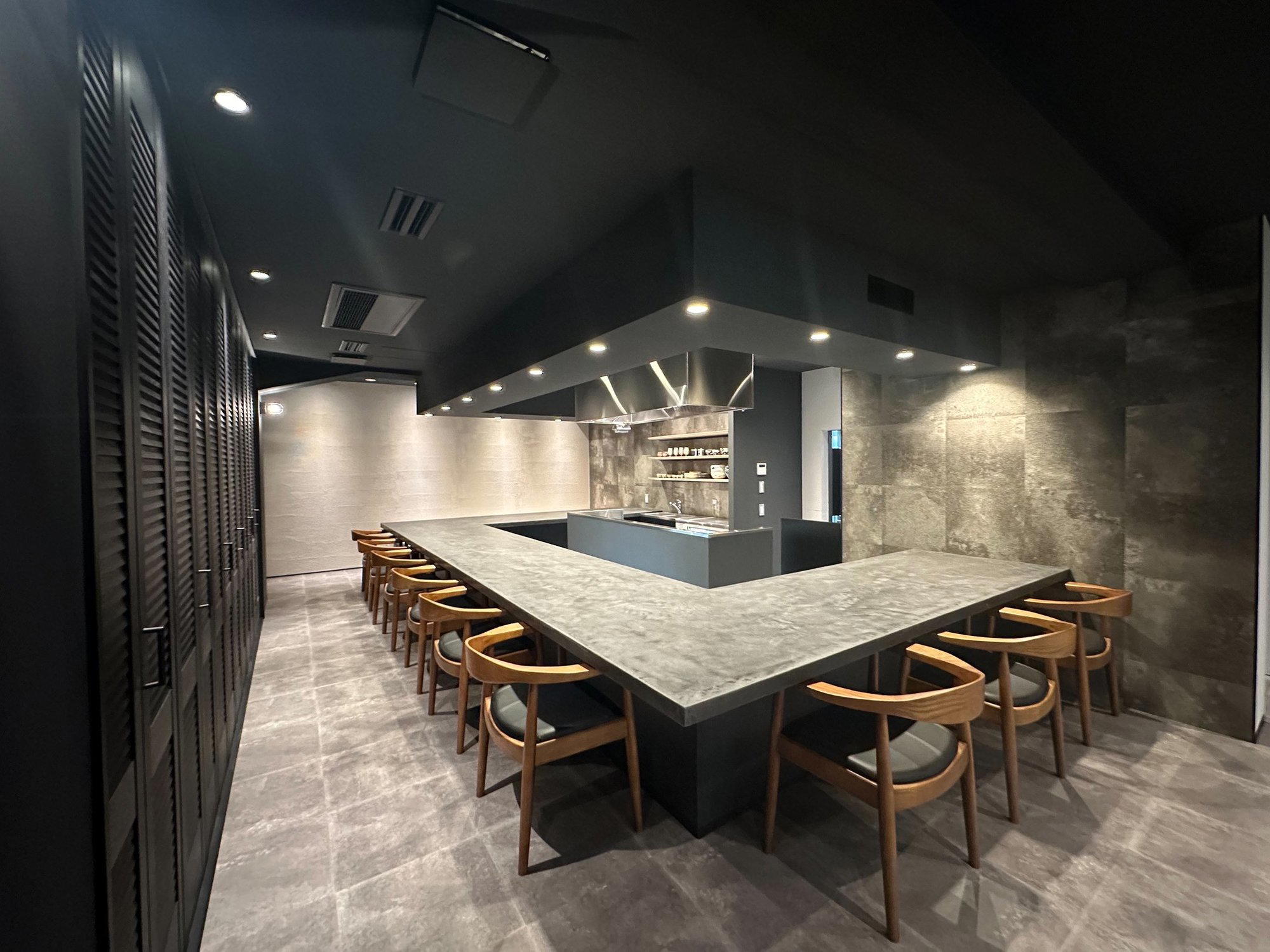
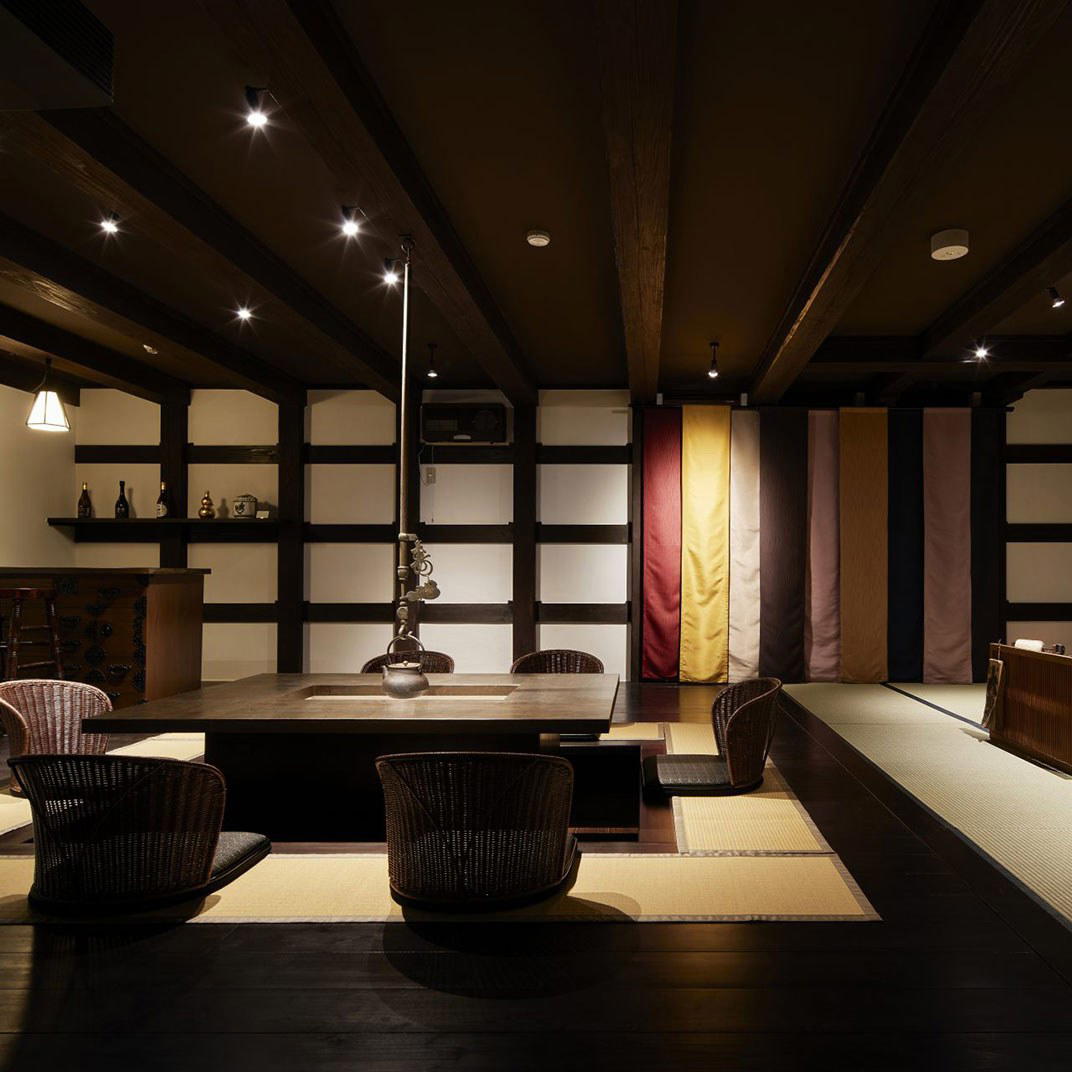
Approaching an Akita izakaya at dusk, the first signal is rarely architectural drama. It is the compression of the room: coats, counter chatter, the clink of glasses, and a menu logic built for ordering in rounds rather than committing to a tasting sequence. Eiraku Shokudo belongs to that tradition. The name itself points toward the shokudo, Japan’s democratic dining room, while its listed categories place it between izakaya and cafeteria.
Akita is often read through rice, sake, winter, and regional comfort food, but its strongest casual restaurants are not casual in the careless sense. They are highly coded rooms where pace, portioning, and drink compatibility matter. Izakaya cooking is not a lesser cousin of kaiseki or sushi; it is a separate grammar. Dishes are expected to hold conversation, alcohol, and repetition. The test is not whether one plate can dominate the table, but whether the meal can gather momentum across several small decisions.
Akita's tavern cooking belongs to the city's social infrastructure
In larger Japanese dining cities, izakaya often split into specialist lanes: counters, sake-led rooms, seafood-focused rooms, or newer taverns with design-led menus. Akita’s appeal is different. The city rewards places that read as local utilities, feeding regulars and travellers with the same practical intelligence. Eiraku Shokudo’s Tabelog Hyakumeiten recognition in 2025 gives it a clear trust signal without changing the basic expectation: this is tavern dining, not theatre.
That distinction matters for travellers building a serious Akita itinerary. A night here sits in contrast to other dining in town, including Sushi Cho and Torikou, which serve different occasions. It also occupies a different lane from Horumo Saru, or SOUPHOLIC, which sits elsewhere on the city’s casual spectrum. The point is not hierarchy; it is fit. Akita dining works when meals are sequenced by purpose rather than prestige.
The izakaya category also explains the absence of a single defining plate in the way outsiders often want one. The defining idea is format: drink-aware Japanese tavern cooking, ordered flexibly, with the kitchen acting as part of the evening’s rhythm. That makes it a useful counterweight to more scripted meals. For readers mapping the city across genres, other Akita dining rooms can frame the area through different vocabularies, while unnamed local specialists show how the city handles product-focused meals.
The shokudo signal keeps the room grounded
The word shokudo carries weight in Japan because it suggests utility, not luxury. It is the canteen, the everyday dining room, the place where appetite comes before performance. Eiraku Shokudo’s listing as both izakaya and cafeteria is therefore interesting: it sits at the overlap between tavern sociability and cafeteria directness. That overlap is especially useful in a regional capital, where the audience is not only visitors chasing awards but locals looking for a room that works on an ordinary evening.
Akita’s food identity is tied to northern Honshu’s climate and preservation logic: rice culture, fermented flavours, sake production, and winter-ready cooking. An izakaya does not need to announce those roots with a manifesto. It carries them through the structure of the meal, where salty, grilled, simmered, pickled, and fried elements can sit comfortably beside drinks. The cultural value is in the elasticity. A table can be brief or long, restrained or generous, led by sake or by food.
That elasticity separates tavern dining from the city’s more destination-coded restaurants. Other Akita dining rooms point to different local traditions and give additional angles on the city’s food culture. Eiraku Shokudo is better understood as part of the connective tissue between such addresses: a room that makes sense when the evening calls for breadth rather than a single product focus.
For a wider reading of the city, Our full Akita restaurants guide is the natural companion to the restaurant map, while Our full Akita hotels guide, Our full Akita bars guide, Our full Akita wineries guide, and Our full Akita experiences guide help place dinner inside a broader stay.
How to place it in a serious Japan itinerary
The value of a recognized izakaya in Akita is clearest when compared with how visitors often plan Japan: sushi in Tokyo, wagyu in Kansai, ramen in Sapporo, then a rushed regional stop. That approach misses the tavern as a cultural form. Izakaya dining is where local foodways become conversational rather than ceremonial, and Akita is a strong city for seeing that distinction without the pressure of a capital-city reservation economy.
Within a broader Japan file, the contrast is useful. A beef-focused stop in another city serves a different occasion. Urban seafood, charcoal cooking, cafe formats, sake bars, and casual specialists all clarify the same point: format is a serious editorial lens, not a secondary detail. Eiraku Shokudo belongs in that discussion because it shows how an Akita room can be understood through category, rhythm, and practical use rather than through spectacle.
Eiraku Shokudo earns attention because it represents a category travellers often under-plan. The room is not trying to replace Akita’s formal meals, specialist counters, or product-led restaurants. It gives the itinerary something those rooms cannot: a tavern register, grounded in shokudo directness, with enough external recognition to justify prioritizing it over a generic station-area dinner.
Frequently asked questions
Where do I go for Eiraku Shokudo?
Akita.
What does dinner at Eiraku Shokudo typically cost?
Pricing at Eiraku Shokudo is listed as JPY 5,000 - JPY 5,999 View spending breakdown.
What days is Eiraku Shokudo closed?
Published closure details were not provided in the supplied venue facts. Check directly with Eiraku Shokudo before going.
What's the defining dish or idea at Eiraku Shokudo?
Eiraku Shokudo reads as an Akita izakaya-cafeteria venue rather than a single-dish place. Its clearest credential is Tabelog Hyakumeiten recognition in 2025, paired with a JPY 5,000 - JPY 5,999 listed dinner range.
What if I have allergies at Eiraku Shokudo?
The safest move is to call +81-18-833-1473 before going. The venue is listed as an izakaya and cafeteria, so allergy needs are best raised in advance rather than assumed at the door.
Would Eiraku Shokudo be comfortable with kids?
Eiraku Shokudo’s izakaya-cafeteria listing may suit some diners better than others. Families should call ahead to confirm the current setup and whether it fits the age and needs of their group.
Booking and Cost Snapshot
Side-by-side context: comparable cuisine and price.
| Venue | Cuisine | Price | Awards | Notes |
|---|---|---|---|---|
| Eiraku ShokudoThis venue — the venue you are viewing | Japanese Izakaya | $20–30 | Tabelog 100 #93 | Not listed |
| Akita Kurasu | Akita local sake standing bar & specialty shop | $10–20 | Tabelog 100 #95 | Akita, Akita local sake standing bar & specialty shop |
| Tobu | Traditional Japanese chicken hot pot (mizutaki) | $20–30 | Tabelog 100 #86 | .null, Traditional Japanese chicken hot pot (mizutaki) |
| Sushi Arata | Sushi | Not listed | Tabelog 100 #50 | Akita, Sushi |
| Tonkatsu Ishikawa | Japanese Tonkatsu | Not listed | Tabelog 100 #76 | Akita, Japanese Tonkatsu |
| Sumibi Yakiniku Nama Horumon Dokoro Shouchan | Yakiniku & Horumon (Japanese BBQ) | $20–30 | Tabelog 100 #11 | Akita, Yakiniku & Horumon (Japanese BBQ) |
Recognition history
Dated appearances from independent guides and award organizations, with the underlying list record or original source where available.
Tabelog 100 #93 · No. 93
Tabelog · Tabelog 100 - Izakaya - EAST - 2025
Details
- Cozy
- Classic
- Lively
- Casual Hangout
- Group Dining
- After Work
- Late Night
- Standalone
- Sake Program
- Beer Program
- Local Sourcing
- Street Scene
- A La Carte
- Small Plates
- Sake
- Beer
Current opening hours
- Monday
- 4:30 PM–12 AM
- Tuesday
- 4:30 PM–12 AM
- Wednesday
- 4:30 PM–12 AM
- Thursday
- 4:30 PM–12 AM
- Friday
- 4:30 PM–12 AM
- Saturday
- 4:30 PM–12 AM
- Sunday
- Closed
Hours can change for holidays and private events. Last verified .
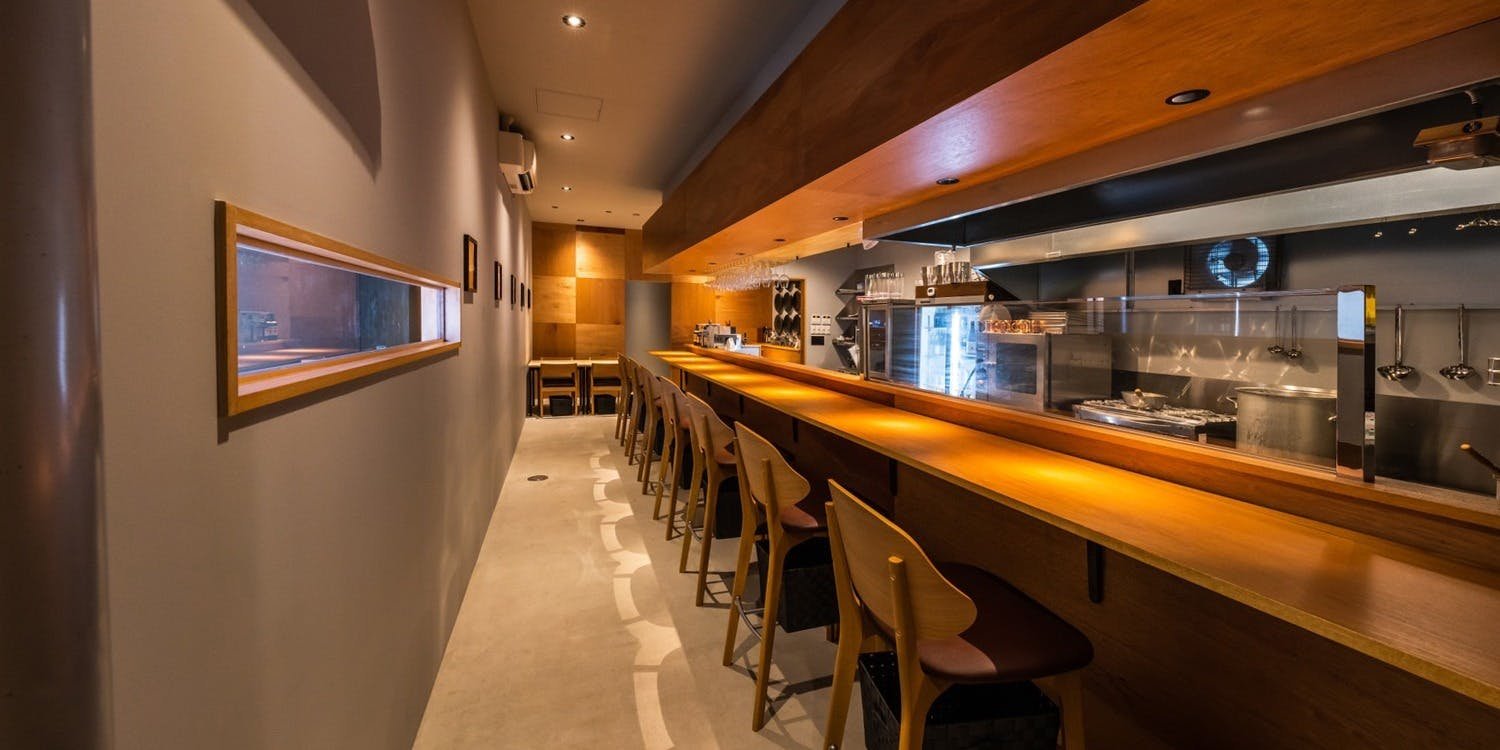
Casual, energetic izakaya atmosphere with a neighborhood tavern feel and a focus on sake drinking and shared plates.