Our verdict
Arno Deli in Adamstown sits within a broader Italian deli tradition that has quietly shaped Newcastle's casual dining habits for decades. The focus is panini, handled with the kind of specificity that distinguishes a serious Italian deli from a sandwich shop. For anyone tracing the Italian influence on everyday eating in regional New South Wales, it belongs on the list.

Pearl is the En Primeur Club membership app — saves, bookings, and concierge access live there. Same editors, same standards.
- Address
- Adamstown, Australia
- Directions
- Get directions
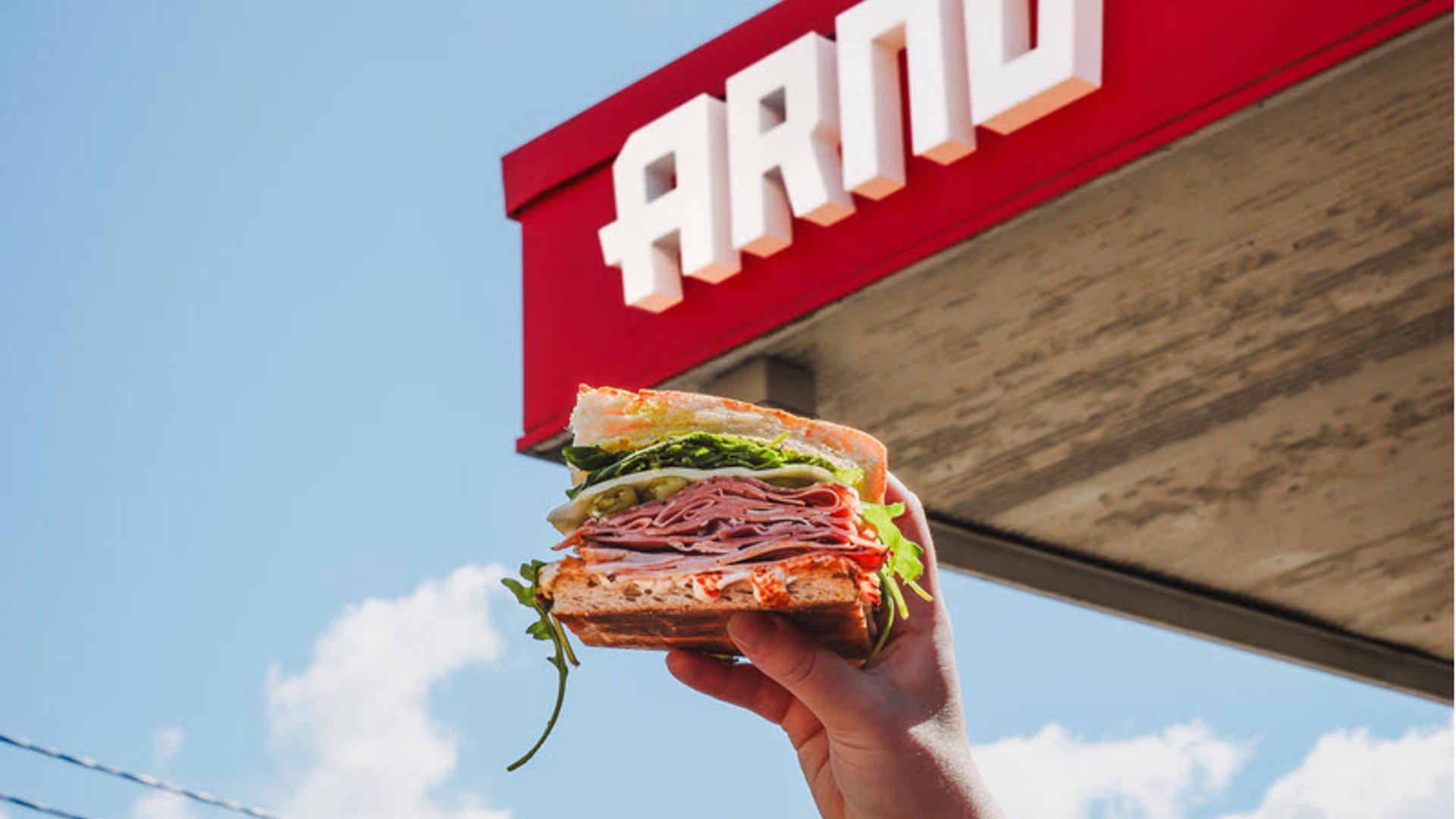
The menu
What to order
- Panini
- Cannoli
The Italian Deli Counter in Regional Australia
The panino is one of the most misunderstood formats in Italian food culture. Outside Italy, it tends to collapse into a generic category — bread, filling, done — losing the regional grammar that separates a Roman-style suppli-adjacent lunch counter from a Milanese tavola calda or a Neapolitan friggitoria. What defines the serious Italian deli tradition, in any city that has inherited it, is precision in the bread-to-filling ratio, the quality of the cured product, and the restraint that keeps the sandwich from becoming a construction project. Arno Deli in Adamstown operates within that tradition, bringing the focussed panini deli format to a suburb of Newcastle that sits outside the usual critical radar for food writing in New South Wales.
Adamstown is not a destination neighbourhood in the way that Surry Hills or Collingwood draws interstate visitors. It is a working residential suburb within the City of Newcastle, and the eating culture there reflects that character: practical, loyal, built on regulars rather than tourists. That context matters for understanding what a dedicated Italian panini counter means in this setting. It is not performing for a food media audience. It is doing what neighbourhood Italian delis have done in Australian cities since the post-war immigration waves that brought Sicilian, Calabrian, and Abruzzese families into the Hunter Region, feeding people well, consistently, without theatre.
Roman, Tuscan, Neapolitan: Where the Panini Tradition Sits
The regional distinctions within Italian bread culture are sharper than most Australian diners appreciate. In Rome, the panino often means something built on a rosetta or a ciabatta, heavy on the salumi, with minimal vegetable interference. In Tuscany, the schiacciata, a flatter, oilier bread, carries the filling differently, and the cured meats lean toward finocchiona or lardo di Colonnata. In Naples, fried street food dominates the quick-lunch format, and the panino competes with the cuoppo and the pizza fritta for midday traffic. In Milan, the tramezzino, a crustless, triangular sandwich on soft white bread, defines the aperitivo-adjacent snack tradition more than the panino does.
What most Australian Italian delis inherited was not one of these regional models cleanly but a synthesis shaped by which Italian regions contributed most heavily to local immigration patterns. In the Hunter Valley and Newcastle area, Calabrian and Sicilian influence has historically been present alongside broader Southern Italian arrivals. The deli format that resulted tends toward generous cured meats, good bread sourced locally or baked in-house, and a relatively direct construction philosophy, closer to the Roman or Southern model than to the Milanese tramezzino. For context on how Italian dining traditions translate across Australian cities, venues like Bar Carolina in South Yarra represent one end of the Italian-Australian spectrum, while neighbourhood delis like Arno represent the other: less self-conscious, more embedded in daily local life.
The Neighbourhood Deli as a Category
In Australian food culture, the Italian deli counter occupies a position that is easy to overlook precisely because it does not seek recognition through the channels that generate critical attention, no tasting menus, no wine programs designed for column inches, no chef whose biography anchors the brand. The category earns its place through repetition and reliability. A deli that has held a neighbourhood for years carries a form of trust that no award can fully replicate, because the award cycle runs annually and the deli runs daily.
That said, the Italian panini format is not immune to variation in quality. The gap between a deli that sources good mortadella and one that defaults to industrial product is immediate and legible to anyone who eats both. The bread matters equally, stale ciabatta or a roll that compresses to nothing under the press is a different object from one with structural integrity and a proper crust. These distinctions are the ones that separate casual sandwich operations from places that understand what the format is actually supposed to do. For broader reference points in the Australian casual Italian space, Hungry Wolfs Italian Restaurant in Newcastle represents the sit-down trattoria end of the Newcastle Italian eating scene, while Arno Deli operates at the counter-service, quick-lunch register.
Across Australia, the casual daytime eating format has produced some of the country's most consistently discussed spots, bills in Bondi Beach built an international reputation on exactly that register, and Barry Cafe in Northcote demonstrates how neighbourhood cafes earn loyalty through consistency rather than ambition. Arno Deli sits within that broader Australian tradition of the serious daytime counter, applied to the Italian deli format specifically.
Planning a Visit
Adamstown is accessible from Newcastle's city centre and sits within the broader Hunter Region network. As with most neighbourhood delis operating in the quick-service format, the practical approach is to arrive during the main lunch window rather than treating it as a destination dining reservation. For a fuller picture of eating options across the area, our full Adamstown restaurants guide covers the neighbourhood in more detail.
Visitors to the wider Newcastle and Hunter region who want contrast across the formal-to-casual spectrum might also consider Bayly's Bistro in Kirribilli or, further afield, venues like Brae in Birregurra and Attica in Melbourne for the formal Australian fine dining end of the spectrum. In Sydney, Rockpool anchors the heritage end of Australian fine dining. The point is not that these venues belong in the same conversation as a neighbourhood panini counter, they do not, and that is the point. The Italian deli format earns its place by being precisely what it is, in the neighbourhood where it operates, for the people who return to it regularly.
Frequently asked questions
Is Arno Deli (Adamstown) suitable for children?
A neighbourhood Italian deli counter serving panini in Adamstown is about as low-pressure a format as you will find. There is no formal service to navigate and no set-menu pacing, which makes it an easy fit for families. That said, confirm current seating and hours directly with the venue before visiting.
What kind of setting is Arno Deli (Adamstown)?
Arno Deli operates as a neighbourhood deli counter in Adamstown, within the broader Hunter Region of New South Wales. The format follows the Italian deli tradition: counter service, panini made to order, and a local clientele rather than a destination dining crowd. It sits in the category of everyday community food addresses rather than special-occasion venues.
What makes Arno Deli in Adamstown different from a standard sandwich shop?
Arno Deli works within the Italian panini tradition specifically, a format with distinct regional roots in Italian bread and filling culture that differs meaningfully from the generic sandwich-shop category common across Australian high streets. Adamstown sits within the Hunter Region, an area with an established Italian-Australian community history that gives this kind of deli counter a cultural context beyond convenience food. For the clearest picture of current offerings, the counter itself is the most reliable source.
What's the signature dish at Arno Deli (Adamstown)?
The kitchen's focus is Italian panini, which is the defining format of the counter. Specific fillings and house combinations are best confirmed at the venue directly, as deli counters in this category typically rotate based on availability and season.
Can I walk in to Arno Deli (Adamstown)?
Deli counters operating in the Italian panini format, as Arno Deli does in Adamstown, generally work on a walk-in basis rather than a reservation model.
What do critics highlight about Arno Deli (Adamstown)?
In the neighbourhood deli category, recognition tends to come through local reputation rather than published criticism, and Adamstown's Italian deli counter sits squarely in that tradition.
Quick Comparison
Comparable venues nearby, for context on price, style, and recognition.
| Venue | Cuisine | Price | Awards | Notes |
|---|---|---|---|---|
| Arno DeliThis venue — the venue you are viewing | Italian Deli & Panini | $10–20 | Not listed | Not listed |
| Gigi Pizzeria | Authentic Neapolitan Pizza | $20–30 | Not listed | Newtown |
| Marios | Classic Italian Cafe | $20–30 | Not listed | Fitzroy |
| Makaveli | Italian-inspired Small Plates | Not listed | Not listed | Bondi Beach |
| Monsterella Pizza | Handmade Woodfired Italian Pizza | $20–30 | Not listed | Wembley |
| 10 William St | Modern Italian Wine Bar | $50–100 | Star Wine List · World's Best Wine Lists Awards WBWL 3-Star | Paddington |
Continue exploring
More in Adamstown
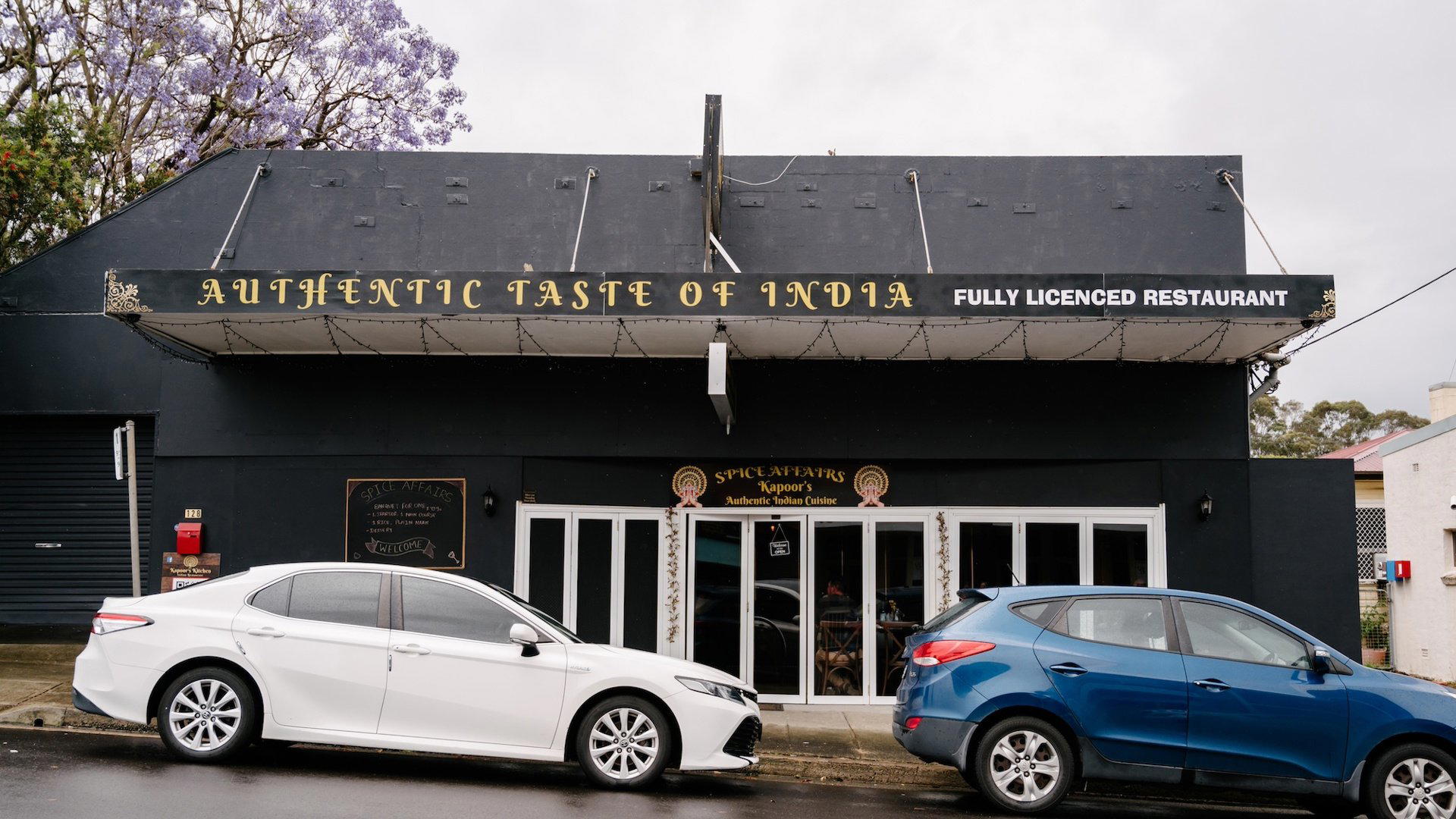
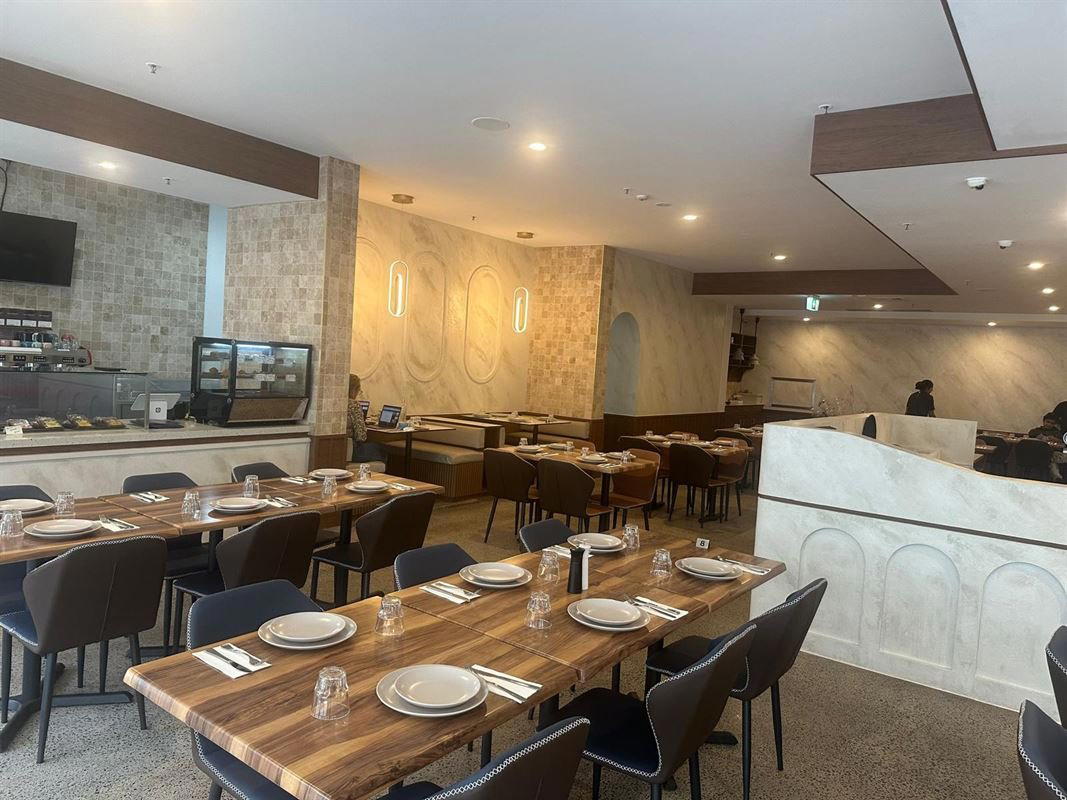
Restaurants in Adamstown
Browse all →
Bars in Adamstown
Browse all →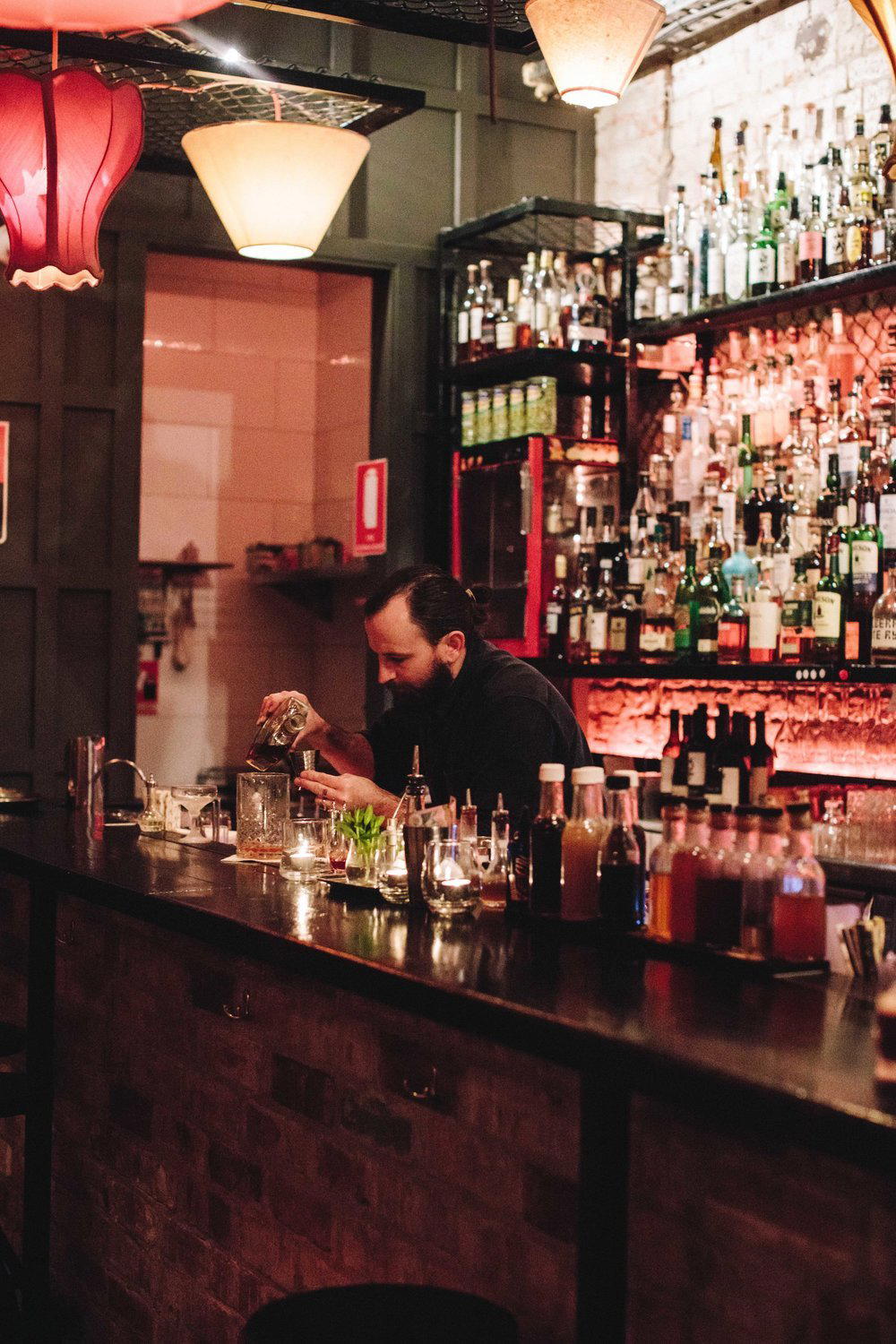
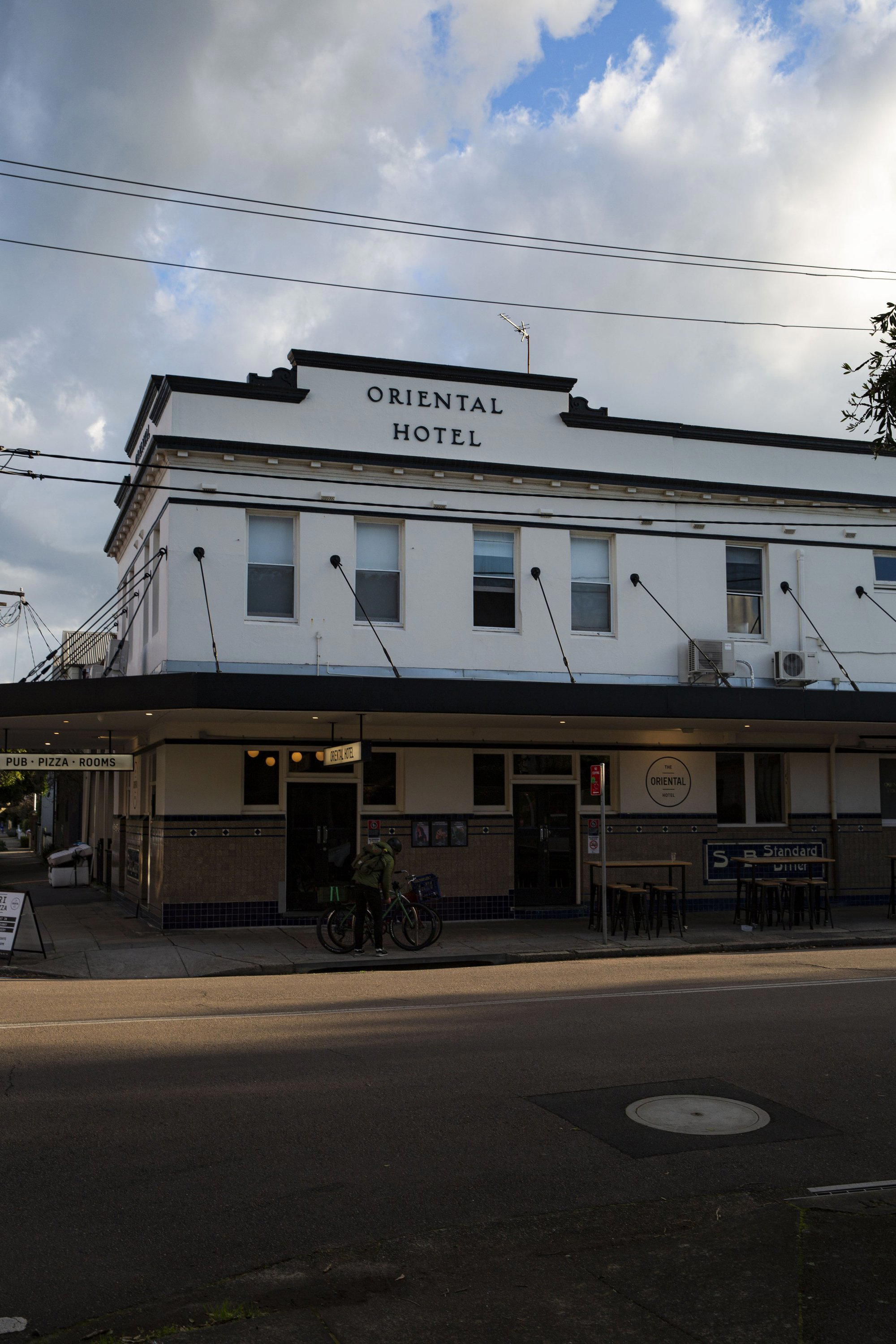
Hotels in Adamstown
Browse all →
Details
- Casual
- Cozy
- Casual Hangout
- After Work
- Standalone
- Beer Program
- Local Sourcing
- A La Carte
- Counter Dining
- Coffee
- Wine
- Vegetarian Friendly
Casual neighbourhood deli atmosphere with a direct, unpretentious vibe focused on quality Italian ingredients and craftsmanship.