Inver Restaurant & Rooms






Michelin Plate · La Liste Top Restaurants · National Restaurant Awards Top 100 #93
Our verdict
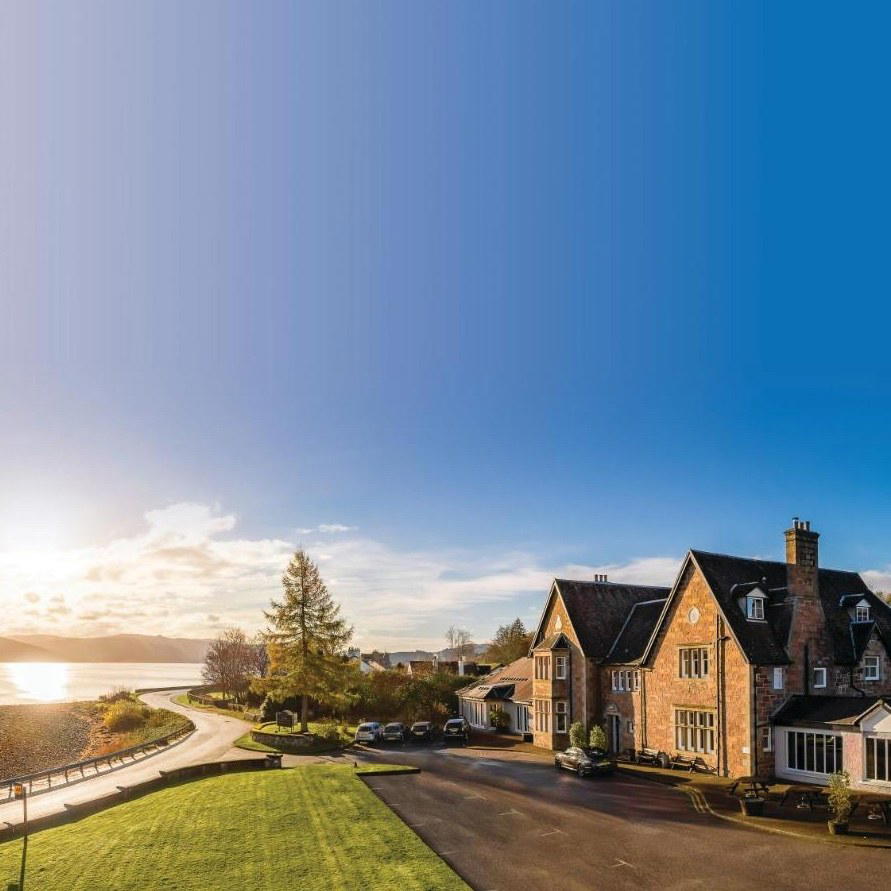
Inver Restaurant & Rooms sits on the shore of Loch Fyne in Cairndow, Argyll and Bute, placing serious kitchen ambition inside genuinely remote Scottish landscape. The cooking draws directly from the surrounding land and water, placing it within a small tier of destination restaurants where the journey is inseparable from the meal. Rooms on site make an overnight stay the logical way to approach it.

Pearl is the En Primeur Club membership app, where members save venues, book tables and use the concierge.
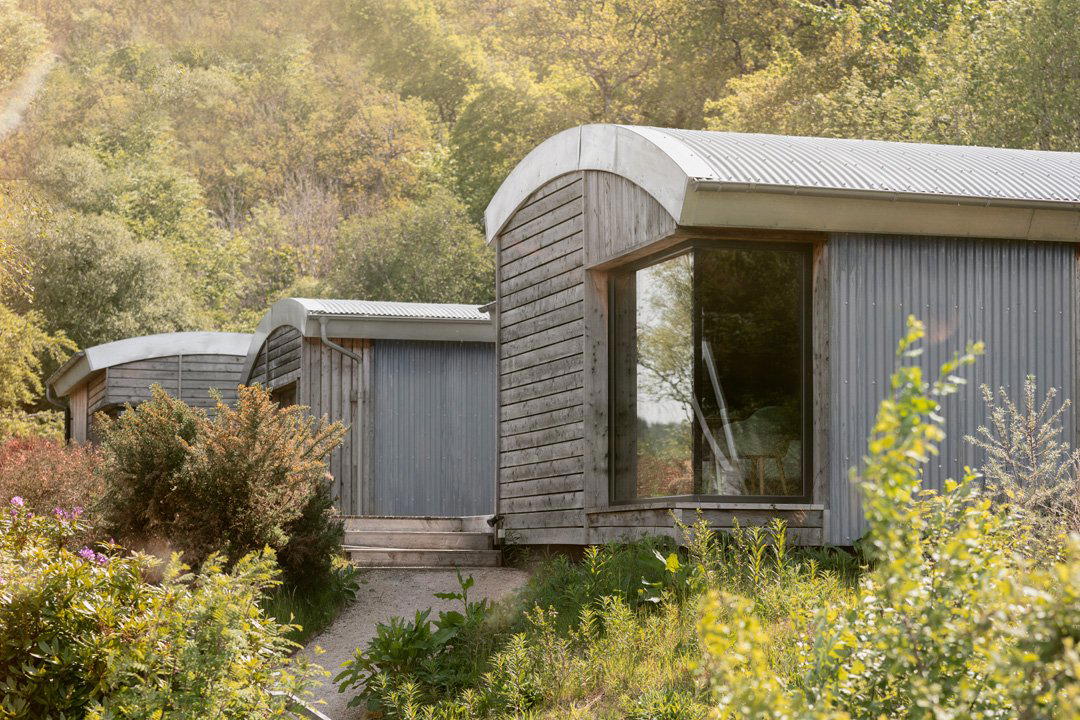
Where Loch Fyne Meets the Plate
The drive into Cairndow from any direction makes the point before you arrive. Argyll and Bute is not incidental countryside through which you pass on the way to somewhere else. The single-track roads, the shifting light off Loch Fyne, the silence between villages: all of it conditions the appetite in a way that urban restaurants cannot replicate and rarely attempt to. Inver Restaurant & Rooms sits at this intersection of place and plate, occupying a stretch of shoreline where the sourcing argument writes itself and where the distance from London or Edinburgh is precisely the point.
Across the broader canon of British destination dining, the rooms-attached restaurant model has proven remarkably durable. Properties like Le Manoir aux Quat' Saisons in Great Milton, Moor Hall in Aughton, and Gidleigh Park in Chagford have each demonstrated that accommodation changes the relationship between guest and kitchen, extending a single meal into something closer to total immersion. Inver operates in this tradition but with a geography that sharpens the proposition considerably: there is no casual drop-in here, no passing trade from a nearby town. The decision to come is a commitment, and the restaurant earns that commitment through its relationship with the land and water immediately surrounding it.
The Cultural Logic of West Coast Scottish Cooking
To understand what Inver is doing, it helps to understand what west coast Scotland produces and why that matters cullinarily. Loch Fyne has been synonymous with shellfish for centuries, its cold, clean waters producing oysters, langoustines, and scallops that move through wholesale channels to restaurant kitchens across the United Kingdom and Europe. The cultural tradition here is not one of elaborate preparation but of proximity: the shorter the distance between sea and table, the less intervention is required or appropriate. This is not a philosophical stance adopted for menu copy purposes. It reflects a genuine material condition in which the ingredient quality is sufficiently high that restraint becomes the technically demanding choice.
This places Inver within a wider British movement toward hyper-local sourcing that has gathered momentum over the past fifteen years. In Scotland specifically, the conversation around provenance has intensified as chefs at properties like Restaurant Andrew Fairlie in Auchterarder and The Glenturret Lalique in Crieff have demonstrated that Scottish produce can anchor cooking at the highest recognition levels. Inver's position in Argyll and Bute gives it access to a larder that those more inland properties can only approximate: the shellfish, the seaweed, the hill lamb, the river fish that define this particular stretch of the west coast.
Across the wider UK, there is a small but coherent group of restaurants where geography does more than provide a backdrop. L'Enclume in Cartmel built its identity around the fields and lakes of Cumbria. Ynyshir Hall in Machynlleth draws from the Dyfi estuary with similar intensity. Inver belongs in this cohort, defined less by format or price bracket than by the specificity of its attachment to place.
The Rooms Question
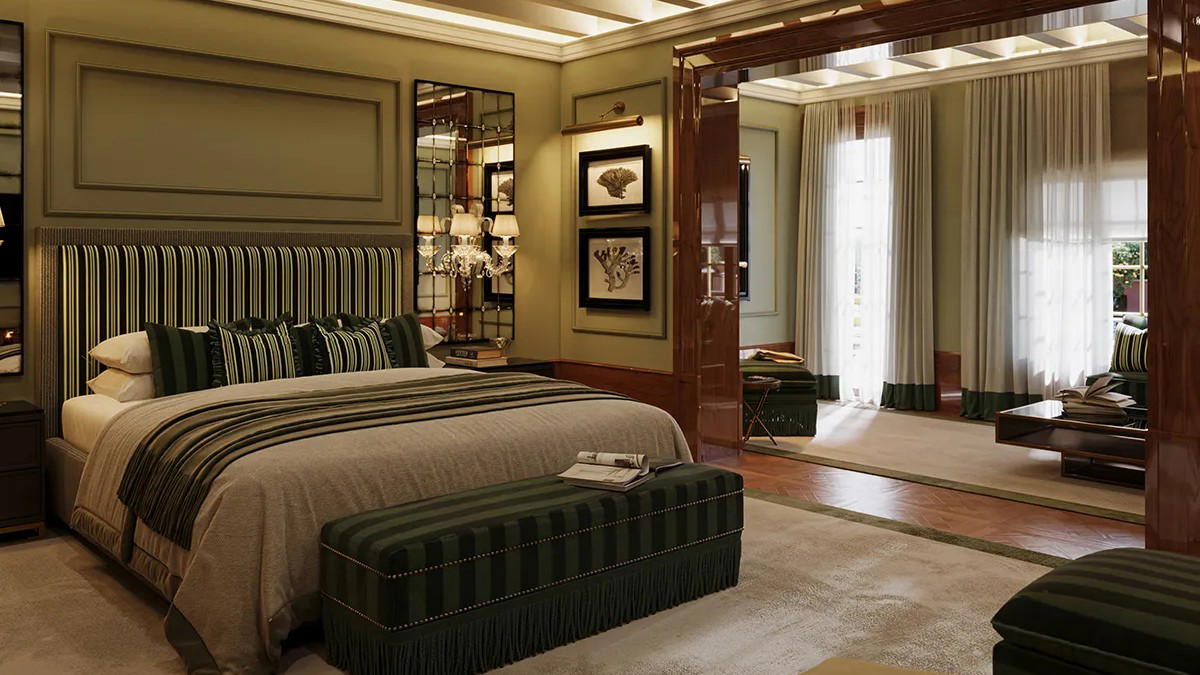
The case for staying overnight at Inver is partly practical and partly structural. Cairndow sits roughly two hours from Glasgow and considerably further from Edinburgh, making a same-day return viable but rushed. More significantly, the overnight model aligns with the rhythm of this kind of cooking: arriving in daylight allows you to read the landscape that will appear on the plate that evening, and staying means that the meal does not have to end when the kitchen closes.
The rooms-plus-restaurant format, when done well, also changes the economics of the experience. Rather than a single dining transaction, the visit becomes a stay, which tends to produce the kind of unhurried attention from kitchen and front-of-house that abbreviated city dining rarely allows. Comparable properties operating at this intersection of accommodation and serious cooking, such as Hand and Flowers in Marlow and hide and fox in Saltwood, have demonstrated that the combined offer sustains a different kind of loyalty than a standalone restaurant can generate.
Argyll and Bute as a Dining Region
Argyll and Bute is not a region that receives heavy coverage in British food media, which means its quality operators tend to be discovered through word of mouth and local knowledge rather than awards cycles. Cafe Fish in Tobermory on Mull represents the more accessible end of the regional proposition, where the emphasis falls on direct, simply prepared seafood at a pier-side location. Inver operates at a different register, combining comparable sourcing integrity with a more considered kitchen approach.
For visitors building a broader Scottish itinerary, the region rewards the detour. The Cowal peninsula, the Kintyre peninsula further south, and the string of islands accessible by ferry from Kennacraig all sit within reasonable distance of Cairndow. Inver functions well as an anchor point for a longer exploration of this part of the west coast rather than as an isolated single-night destination, and the surrounding area offers landscape and distillery visits that fill the hours between meals. See our full Argyll and Bute restaurants guide for the broader regional picture.
How Inver Sits Within British Destination Dining
The upper tier of British destination restaurants has expanded and stratified significantly over the past decade. Properties with multiple Michelin stars, such as CORE by Clare Smyth in London, Waterside Inn in Bray, and Midsummer House in Cambridge, sit at one end. Below that, there is a larger and arguably more interesting tier of restaurants operating without formal recognition but attracting guests who prioritise specificity of place and produce over brand legibility. Restaurant Sat Bains in Nottingham and Opheem in Birmingham illustrate how serious cooking continues to consolidate in unexpected locations across the UK. Inver fits this pattern: it draws an audience prepared to travel specifically for a combination of place, produce, and kitchen intent that no urban restaurant can replicate on its terms.
The international comparisons are also instructive. The model of a small-capacity restaurant in a remote natural setting, where sourcing is defined by geography and the travel is part of the narrative, has precedents in properties like Lazy Bear in San Francisco and in the broader Scandinavian new-Nordic tradition that influenced how British chefs began thinking about hyper-local cooking from the mid-2000s onwards. Le Bernardin in New York City offers a counterpoint: the apex of ingredient-led seafood cooking in a dense urban context, where everything Inver derives from proximity must instead be constructed through supply chain and technique. Both approaches are legitimate. They represent different bets on where the leading version of ingredient-led cooking happens.
Planning a Visit
Inver is located at Cairndow, PA27 8BU, on the shore of Loch Fyne in Argyll and Bute. Given the journey required from most points of origin in the UK, booking rooms at the property is the sensible approach: it removes time pressure from both the evening and the travel. Advance planning is advisable for weekend bookings, particularly through the summer months when the west coast draws visitors across the region. The road approach from Glasgow via the A82 and A83 through Arrochar is the most direct mainland route and takes approximately two hours under normal conditions.
Frequently asked questions
Is Inver Restaurant & Rooms okay with children?
Inver sits on the shore of Loch Fyne in Cairndow, operating as a small destination restaurant where the experience is built around slow, unhurried meals in a genuinely remote setting. That format tends to suit older children who can engage with a longer dining pace, but the journey and context make it a considered choice rather than a casual family outing. Parents travelling from Glasgow or Edinburgh specifically for this meal should factor in travel time and the focused nature of the dining room.
Is Inver Restaurant & Rooms formal or casual?
Inver occupies the relaxed end of destination dining: the Cairndow location and loch-side setting set the tone toward rural comfort rather than city formality. Smart-casual fits the register for dinner, particularly if you are staying in the rooms overnight and treating the visit as a two-day trip. The environment does not demand a jacket, but the kitchen's sourcing and intent place it well above a casual pub meal in ambition.
Can you stay overnight at Inver Restaurant & Rooms, and is it worth combining with dinner?
Inver offers rooms alongside the restaurant at Cairndow, PA27 8BU, which solves a practical problem: the property sits roughly two hours from Glasgow and further still from most other UK departure points, making a same-day return journey compress the experience significantly. Staying overnight allows the meal to breathe without a long drive at either end, and positions Inver within the category of British destination dining where the stay and the table function as a single proposition rather than two separate decisions.
What should I eat at Inver Restaurant & Rooms?
Loch Fyne is one of Scotland's most documented shellfish sources, and Inver's position directly on its shore gives the kitchen immediate access to oysters, langoustines, and other west coast produce that define the menu's editorial logic. Whatever the kitchen is running from local suppliers on your visit will reflect the season more accurately than any fixed recommendation. Prioritise anything drawn from the loch itself or from Argyll and Bute's broader larder of fish, game, and foraged ingredients.
Budget Reality Check
Comparable venues nearby, for context on price, style, and recognition.
| Venue | Cuisine | Price | Awards | Notes |
|---|---|---|---|---|
| Inver Restaurant & RoomsThis venue (the venue you are viewing) | Modern Scottish Fine Dining | $50–100 | Michelin Plate · La Liste Top Restaurants | Not listed |
| Cafe Fish, Upper Floor, The Pier, Tobermory | Fresh Local Seafood | $30–50 | Not listed | Tobermory, Fresh Local Seafood |
| Claridge's Bakery | Mayfair, Modern British bakery & café | Not listed | Not listed | Not listed |
| Marcus | Contemporary British Fine Dining | $150–200 | Not listed | Belgravia, Contemporary British Fine Dining |
| Afternoon Tea @ Prestonfield | Traditional British Afternoon Tea | $50–100 | Not listed | Prestonfield, Traditional British Afternoon Tea |
| Glenapp Castle Restaurant | Scottish Fine Dining | $150–200 | AA Rosettes 3 Rosettes · Relais Chateaux Award | Ballantrae, Scottish Fine Dining |
Recognition history
Dated appearances from independent guides and award organizations, with the underlying list record or original source where available.
Michelin Plate
Michelin
La Liste Top Restaurants
La Liste
AA Rosettes 3 Rosettes
AA Rosettes
National Restaurant Awards Top 100 #93 · No. 93
National Restaurant Awards · 2026 National Restaurant Awards Top 100
Opinionated About Dining Top Restaurants in Europe Recommended
Opinionated About Dining
Full recognition history (13 entries)
La Liste Top Restaurants
La Liste
Michelin Plate
Michelin
National Restaurant Awards Top 100 #78
National Restaurant Awards
Opinionated About Dining Top Restaurants in Europe Ranked #283
Opinionated About Dining
The Good Food Guide GFG Very Good
The Good Food Guide
Michelin Plate
Michelin
Opinionated About Dining Top Restaurants in Europe Ranked #301
Opinionated About Dining
Opinionated About Dining Top New Restaurants in Europe Highly Recommended
Opinionated About Dining
Continue exploring
More in Argyll And Bute
Details
- Scenic
- Cozy
- Rustic
- Elegant
- Intimate
- Special Occasion
- Date Night
- Waterfront
- Hotel Restaurant
- Open Kitchen
- Natural Wine
- Farm To Table
- Local Sourcing
- Waterfront
- Tasting Menu
- A La Carte
- Vegetarian Friendly
- Vegan Options
- Gluten Free Options
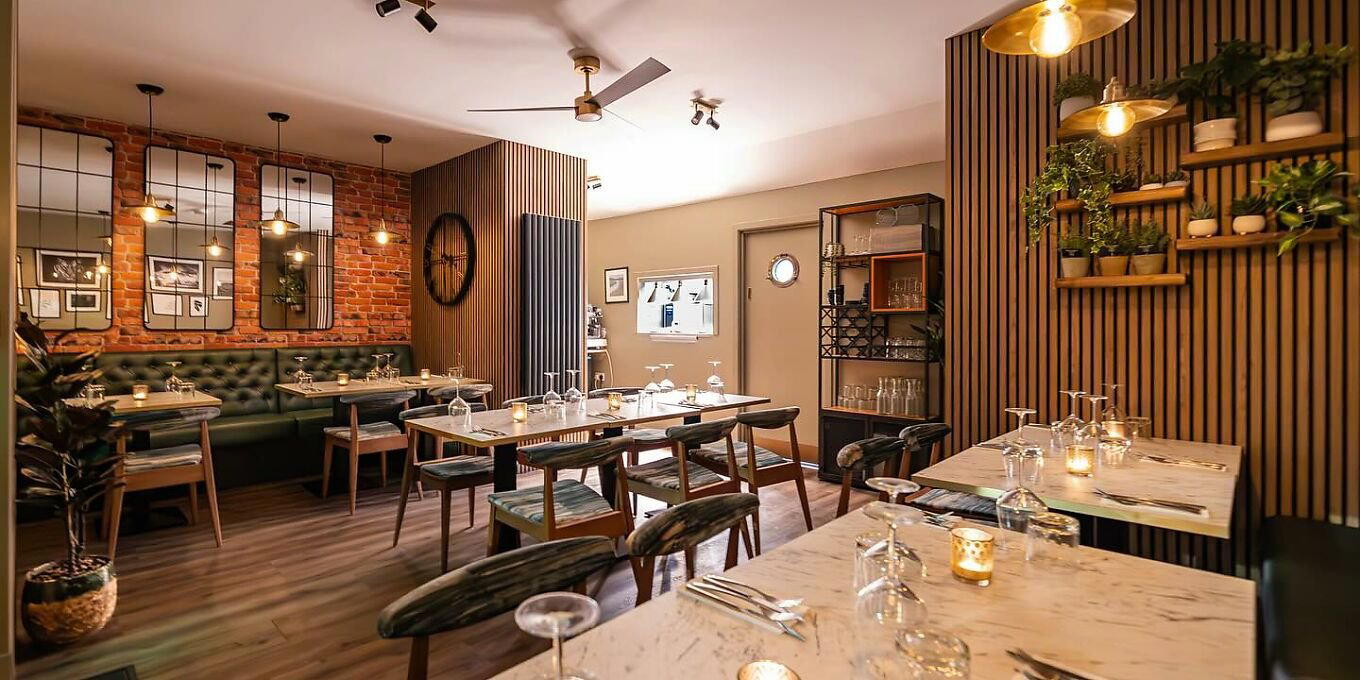
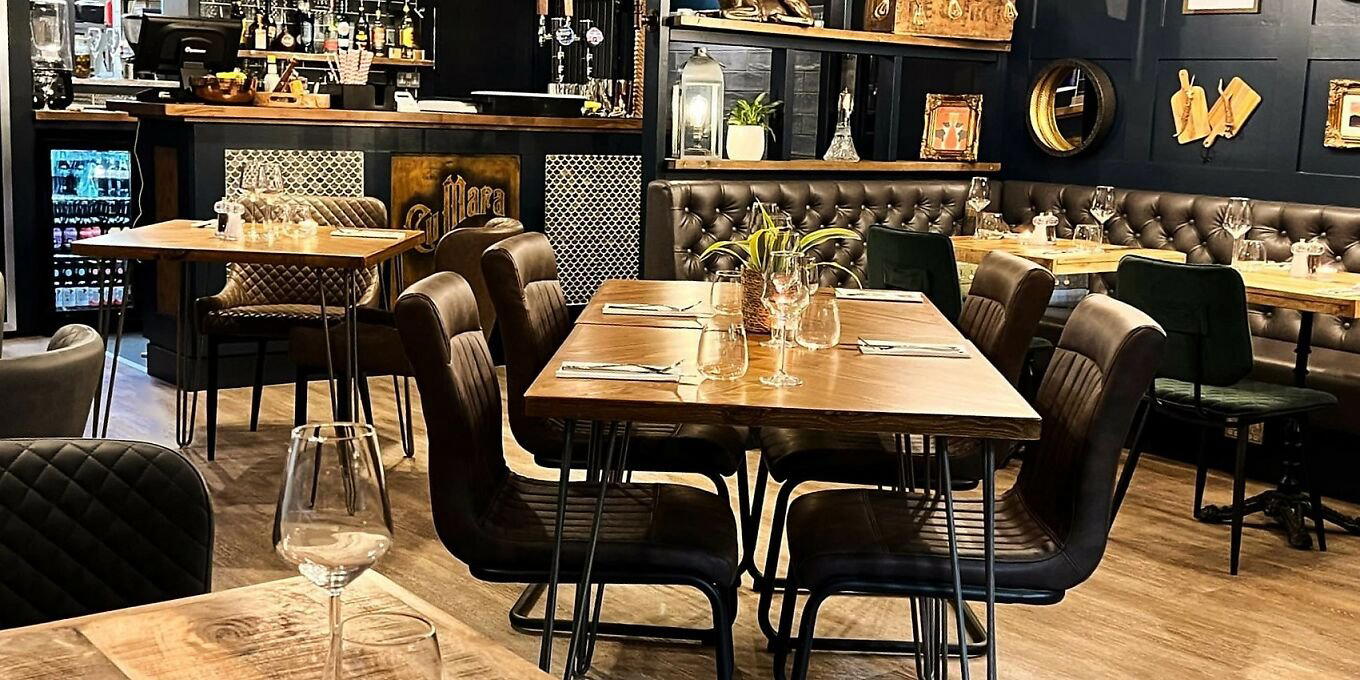
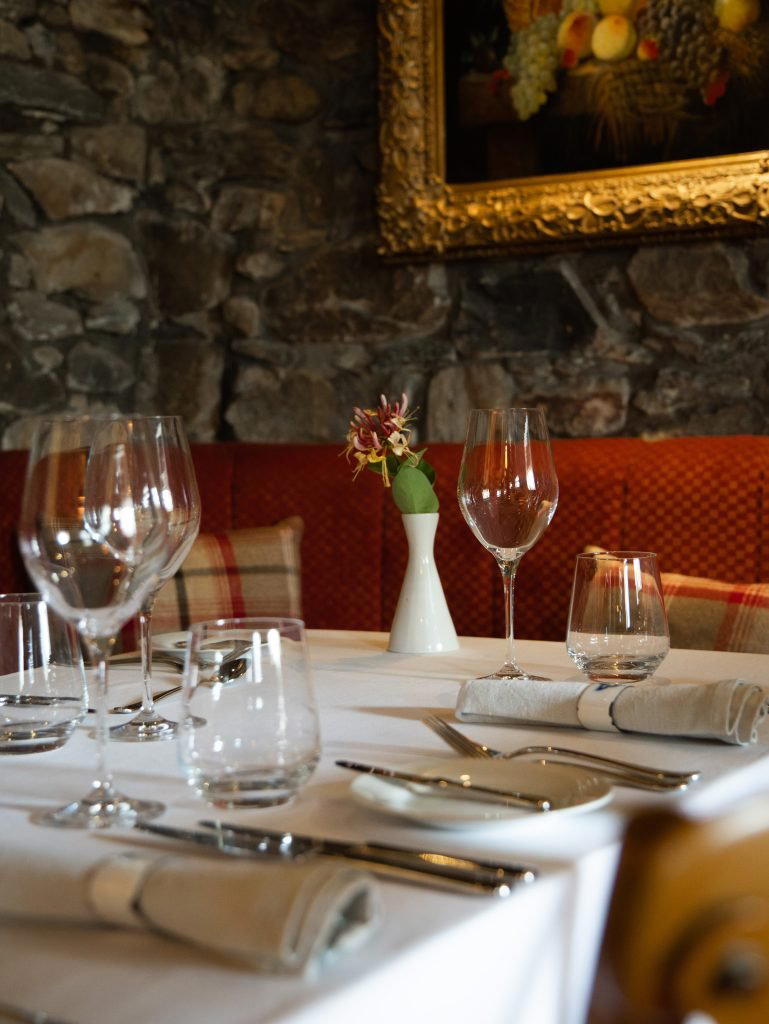
Contemporary restaurant with sheepskin-covered armchairs in the lounge-bar, vintage Ercol furniture, record player spinning Scottish folk, and dramatic loch views, creating a tranquil, idyllic Highland atmosphere.