Tibet/Nepal House
On a quiet block of East Holly Street in Pasadena, Tibet/Nepal House brings the high-altitude cooking traditions of the Himalayan region to Southern California's San Gabriel Valley dining corridor. The kitchen draws on Tibetan and Nepali culinary heritage, offering dishes that sit well outside the dominant Californian and Asian-fusion currents of the broader Pasadena scene. For diners looking beyond the area's more familiar options, it occupies a genuinely distinct position.
Pearl is the En Primeur Club membership app — saves, bookings, and concierge access live there. Same editors, same standards.
- Address
- 36 E Holly St, Pasadena, CA 91103
- Phone
- +16265850955
- Website
- tibetnepalrestaurant.com
- Directions
- Get directions
 Saves & bookings on Pearl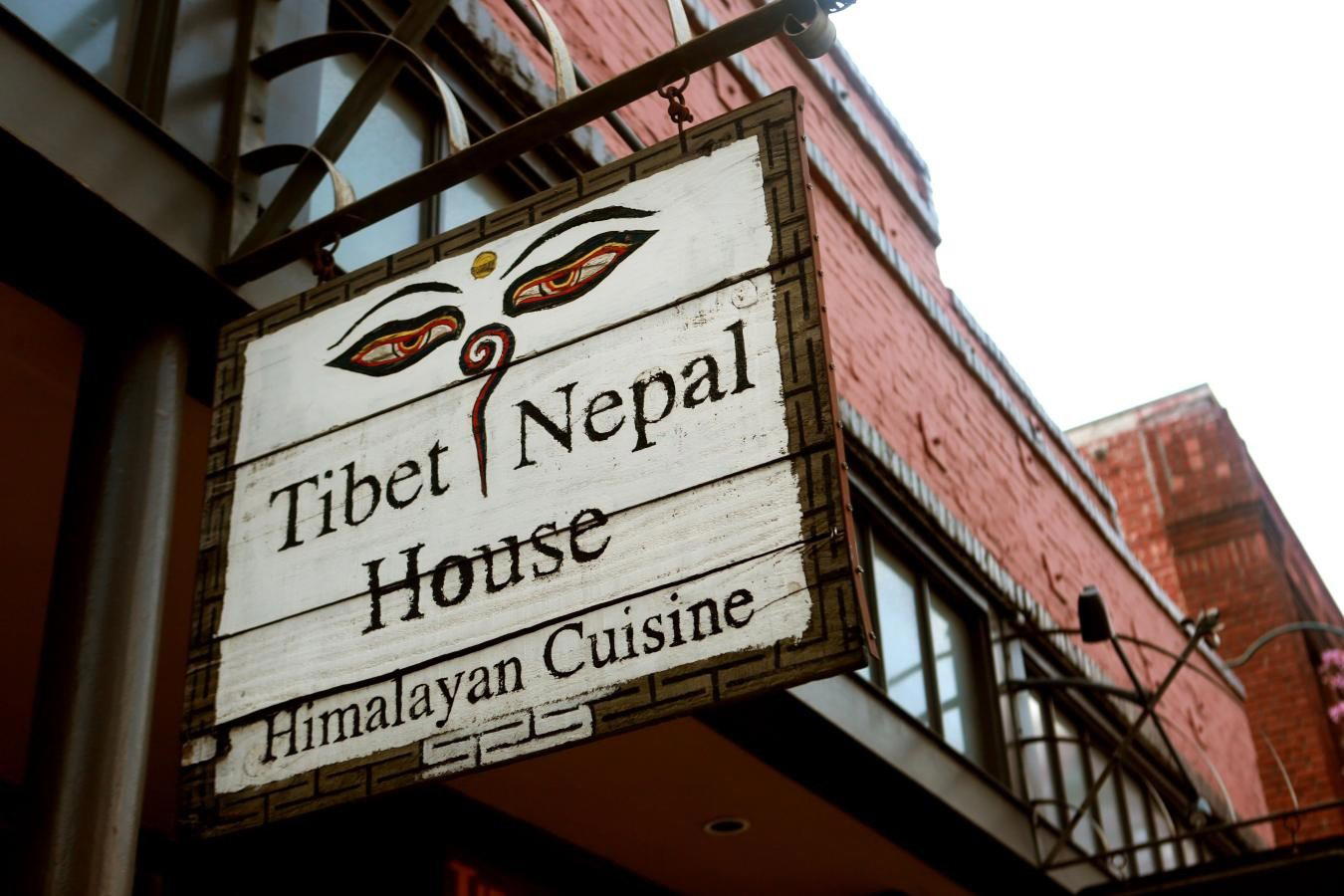
East Holly Street and the Case for Himalayan Cooking in Pasadena
Pasadena's dining corridor runs hot along Colorado Boulevard and its immediate tributaries, where steakhouses, farm-to-table formats, and California-inflected menus compete for the same demographic. East Holly Street operates at a different register. The block is quieter, less trafficked by the weekend crowds that fill the city's more prominent stretches, and it is here, at 36 E Holly St, that Tibet/Nepal House has established a foothold for Himalayan cooking in a city that doesn't offer much of it. That scarcity is itself an editorial fact: Tibetan and Nepali restaurants remain thin on the ground across the greater Los Angeles area, and the San Gabriel Valley, for all its celebrated depth in Chinese, Southeast Asian, and South Asian cuisines, has relatively few dedicated Himalayan kitchens. The address places Tibet/Nepal House in a comparable set defined less by geography than by cuisine category.
The Himalayan Tradition on the Plate
Himalayan cooking occupies an interesting position in the broader taxonomy of Asian cuisines. It draws simultaneously from Tibetan nomadic food culture, Nepali agricultural traditions, and the spice logic of the Indian subcontinent, while remaining distinct from all three. The central carbohydrate is often tsampa (roasted barley flour) in Tibetan preparations, while Nepali cooking leans toward dal-bhat formats, lentil-driven and calibrated for sustained energy at altitude. Momos, the steamed or fried dumplings that function as the recognizable Himalayan export to Western diners, occupy the same cultural space in Nepal and Tibet that dim sum holds in Cantonese culture: communal, technique-dependent, and infinitely variable in filling and format.
What distinguishes this tradition from the South Asian cooking found at spots like All India Cafe nearby is the relative restraint in spicing and the prominence of fermented and preserved ingredients shaped by the demands of high-altitude, landlocked environments. Yak meat, gundruk (fermented leafy greens), and Szechuan pepper (jimbu) appear in authentic Himalayan menus in ways that signal a cooking culture built around storage, altitude, and trade routes rather than abundance.
Where Collaboration Shapes the Room
In smaller, independent restaurants of this type, the team dynamic tends to be compressed: the same people who cook often explain the menu, guide unfamiliar diners through dishes, and manage the floor. This front-of-house fluency matters considerably when the cuisine is as unfamiliar to most American diners as Tibetan and Nepali cooking remains. The difference between a good and a poor experience in a Himalayan restaurant often comes down to whether the staff can articulate the logic of the menu, explain the fermentation behind a particular preparation, or recommend an entry point for a first-time visitor.
Across the broader Pasadena dining scene, this kind of guided hospitality tends to be more common at independent operations than at larger venues. Restaurants like Amara Cafe & Restaurant and 36 W Colorado Blvd #7 also operate in the independent format where floor staff carry significant knowledge about the menu's origins and intent. At Tibet/Nepal House, that dynamic is particularly consequential given how little exposure most diners will have had to the cuisine before arriving.
Positioning Within Pasadena's Wider Table
Pasadena's restaurant ecosystem spans considerable range, from the white-tablecloth ambition of Alexander's Steakhouse at the premium end to taco counters and casual cafes at the other. The restaurant sits in the mid-register independent tier, a cohort that includes cuisine-specific operators who have carved out a niche without the backing of a larger group or the visibility that comes with a prominent Colorado Boulevard address. For context on how cuisine diversity maps onto a city's dining identity, the San Gabriel Valley has long been cited by food writers as among the more significant corridors for Asian-American cooking in the United States. The restaurant extends that argument into a cuisine category that receives far less coverage than the Valley's Chinese, Vietnamese, or Thai kitchens.
That positioning also means the restaurant doesn't compete directly with the California-seasonal format at Arbour or the European-leaning rooms that populate the city's event dining circuit. Its competitive set is narrower and more specific: the small number of Himalayan restaurants across the Los Angeles metro area, where diners who want this cuisine have limited options and tend to travel for them.
Planning Your Visit
East Holly Street is accessible from the 210 freeway and sits within walking distance of Pasadena's Old Town core. The restaurant is part of a walkable dining cluster that rewards those who plan a meal here as the anchor of a longer afternoon or early evening in the neighborhood, rather than a quick stop. Because venue-specific hours and booking policies were not available at time of writing, prospective visitors should confirm current operating hours and reservation availability directly. For diners who find the cuisine unfamiliar, arriving earlier in a service allows more time for conversation with the floor team about the menu's structure. The broader Pasadena dining context is covered in our full Pasadena restaurants guide.
For reference on how team-driven hospitality operates at the higher end of the American dining spectrum, the collaborative floor-and-kitchen model is well-documented at venues like Lazy Bear in San Francisco and Single Thread Farm in Healdsburg, where front-of-house knowledge functions as part of the product rather than a supplement to it. That principle scales down to independent operators in ways that often matter more, not less, when the cuisine is unfamiliar territory for most guests. Other examples of how hospitality programs shape the dining experience at the highest tier include Le Bernardin in New York City, Alinea in Chicago, Providence in Los Angeles, The French Laundry in Napa, Blue Hill at Stone Barns in Tarrytown, Addison in San Diego, Atomix in New York City, The Inn at Little Washington, Emeril's in New Orleans, and 8 1/2 Otto e Mezzo Bombana in Hong Kong.
Comparable Venues
Comparable venues nearby, for context on price, style, and recognition.
| Venue | Cuisine | Price | Notes |
|---|---|---|---|
| Tibet/Nepal HouseThis venue — the venue you are viewing | Himalayan (Nepali/Tibetan/Indian) | $$ | Not listed |
| Deda Restaurant | Authentic Georgian | $$$ | Old Pasadena |
| 36 W Colorado Blvd #7 | Vegan Acai Bowls & Superfood Toasts | $$ | Old Pasadena |
| Rotisserie Chicken of California | Japanese-Style Rotisserie Chicken | $$ | Playhouse Village |
| Stoney Point Restaurant | Continental Italian | $$ | San Rafael |
| Heidar Baba | Persian Kabobs | $$ | East Pasadena |
Continue exploring
More in Pasadena
Restaurants in Pasadena
Browse all →
Bars in Pasadena
Browse all →

Hotels in Pasadena
Browse all →
Wineries in Pasadena
Browse all →
At a Glance
- Cozy
- Relaxed
- Casual Hangout
- Family
Current opening hours
- Monday
- 11:30 AM–3 PM, 5–9 PM
- Tuesday
- 11:30 AM–3 PM, 5–9 PM
- Wednesday
- 11:30 AM–3 PM, 5–9 PM
- Thursday
- 11:30 AM–3 PM, 5–9 PM
- Friday
- 11:30 AM–3 PM, 5–9 PM
- Saturday
- 11:30 AM–3 PM, 5–9 PM
- Sunday
- 11:30 AM–3 PM, 5–9 PM
Hours can change for holidays and private events. Last verified .
Tranquil setting decorated with Buddhas and prayer wheels creating a cozy Himalayan atmosphere.