Rotisserie Chicken of California
Our verdict
Rotisserie chicken as a format has quietly become one of Southern California's most competitive casual dining categories, and Pasadena's North Los Robles Ave address puts Rotisserie Chicken of California at the centre of a neighbourhood that rewards specialists over generalists. The premise is focused: whole birds, open-fire or rotisserie technique, and the kind of California produce sourcing that elevates a simple format into something worth crossing town for.

Pearl is the En Primeur Club membership app, where members save venues, book tables and use the concierge.
The menu
What to order
- Rotisserie Chicken Thirty Two
- Rotisserie Chicken Garlic Sauce
A Single North Los Robles Block, and What It Says About Pasadena's Appetite
North Los Robles Avenue runs through a Pasadena that has spent the last decade resolving an identity question: does it defer to Los Angeles for serious dining, or does it build its own culinary density? The answer, increasingly, is the latter. The block at 26 N Los Robles Ave sits within walking distance of the kind of mixed-use foot traffic that sustains focused, format-driven restaurants, office workers at lunch, Old Town visitors at dinner, and a residential population that treats the neighbourhood as a genuine dining district rather than a fallback. Rotisserie Chicken of California operates in that context, which shapes its competitive set more than any individual menu decision.
The rotisserie format itself deserves a moment of attention before the specifics. Across California, the open-spit bird has migrated from supermarket deli counters and chain casual into a category with genuine culinary ambition. French technique, the slow rotation, the continuous basting with rendered fat and aromatics, the precise management of heat zones, has attached itself to California's ingredient culture in ways that produce something meaningfully different from the original imports. The result, when executed well, is a bird that carries the flavour of its sourcing rather than masking it: a product-first format where the chicken itself does the argumentative work. Whether that argument is being made here is something the kitchen's sourcing decisions will answer.
Technique Over Occasion: Where California Rotisserie Sits in the Broader Dining Map
To understand where a specialist rotisserie restaurant positions itself, it helps to map the wider California dining moment. At the top of the market, restaurants like Providence in Los Angeles and Addison in San Diego treat California's agricultural abundance as the central argument of multi-course tasting formats. Further north, Single Thread Farm in Healdsburg and Lazy Bear in San Francisco apply European structural discipline to hyper-local sourcing. These are different price registers and different formats, but they share an underlying logic: imported method applied to indigenous product.
The rotisserie specialist operates on the same logic at a different scale. The French rôtisserie tradition, historically a trade separate from the cook, with its own guild status in Paris, is not a simple format. It requires knowledge of heat management, trussing geometry, and the relationship between exterior rendering and interior moisture retention. Applied to California-raised birds, heritage or otherwise, that technique becomes a local argument: the method is imported, the raw material is regional, and the combination defines the category. This is the intersection that gives a focused rotisserie restaurant its reason for being, particularly in a market as ingredient-conscious as Southern California.
Pasadena's dining scene, covered in depth in our full Pasadena restaurants guide, has room for both the ambitious and the specialist. Nearby options like Alexander's Steakhouse occupy the high-end protein-focused tier, while Arbour brings a different approach to ingredient-led cooking. All India Cafe and Amara Cafe & Restaurant anchor a broader range of casual-to-mid options in the same corridor. The rotisserie format sits in its own lane within that mix, more technically specific than a general casual restaurant, less occasion-dependent than a steakhouse.
The Local Ingredients Argument, Made Through a Simple Format
California's agricultural position is not incidental to this conversation. The state produces a disproportionate share of the country's poultry under heritage and pasture-raised designations, with the Central Valley and coastal counties both contributing to a supply chain that is genuinely different from the commodity bird available in most American markets. A rotisserie restaurant on the California model that uses that supply chain is making a specific claim: that the format is a vehicle for the ingredient, not a disguise for a generic product.
That claim has been made successfully at restaurants operating in analogous formats elsewhere. Blue Hill at Stone Barns in Tarrytown built an entire dining philosophy around the relationship between agricultural sourcing and cooking method. The French Laundry in Napa has argued for decades that French structural technique and California produce are not in tension but in conversation. These are extreme examples from a different price tier, but the underlying principle scales down: method and material, when they align, produce something that neither could achieve alone.
At the street level of North Los Robles, that principle arrives in a more democratic format. The rotisserie counter, or the casual room built around a visible spit, is a format that communicates transparency: you can see what you're getting, and the simplicity of the presentation makes the quality of the bird inescapable. There is nowhere to hide behind a sauce or a complex preparation. This is both the challenge and the argument of the format.
Positioning Among Pasadena's Focused Specialists
Old Town Pasadena and the immediate surrounds have seen a pattern repeated across many American mid-sized cities: a drift from chain-dependent dining toward independently operated specialists with a clearer point of view. The address at 36 W Colorado Blvd represents one kind of Pasadena dining operator; Rotisserie Chicken of California represents another. Both exist because the neighbourhood now supports differentiation at a level that would have seemed optimistic ten years ago.
For context on how the specialist format performs at the highest levels nationally, the reference points are instructive. Le Bernardin in New York City, Alinea in Chicago, and Atomix in New York City each built their reputations on format discipline and refusal to diversify away from a central method. The rotisserie specialist at a casual price point is operating on the same principle at a different scale and price register. The format is the identity, and the identity is the argument.
Planning Your Visit
Rotisserie Chicken of California is located at 26 N Los Robles Ave, Pasadena, CA 91101, within easy reach of Old Town Pasadena's main retail and dining corridor. North Los Robles is accessible by the Metro L Line (Gold Line) at the Del Mar or Memorial Park stations, making it a viable dinner option for visitors arriving from Los Angeles without a car.
Frequently asked questions
What kind of setting is Rotisserie Chicken of California?
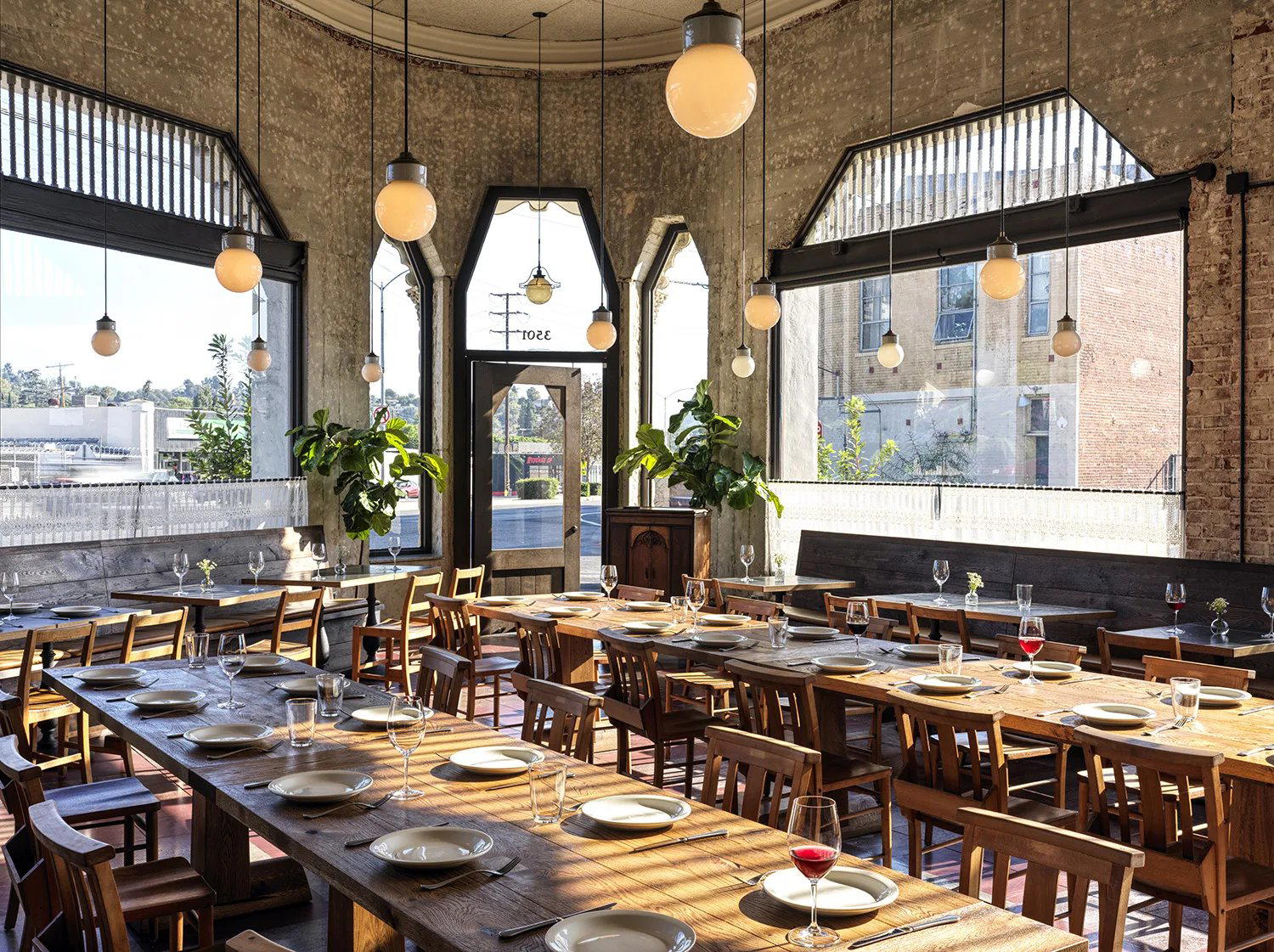
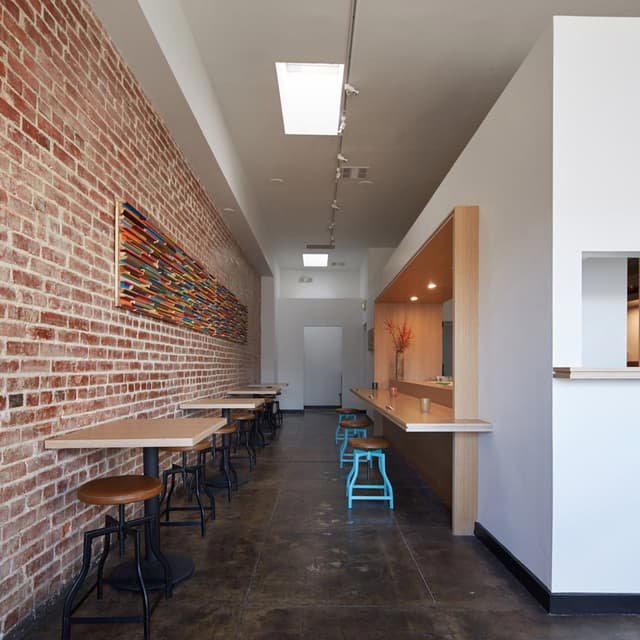
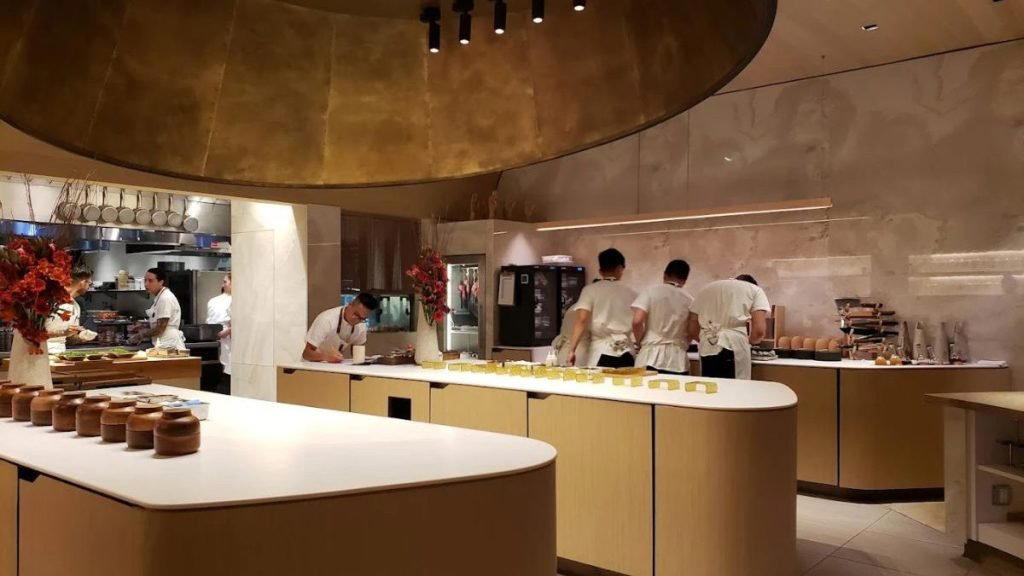
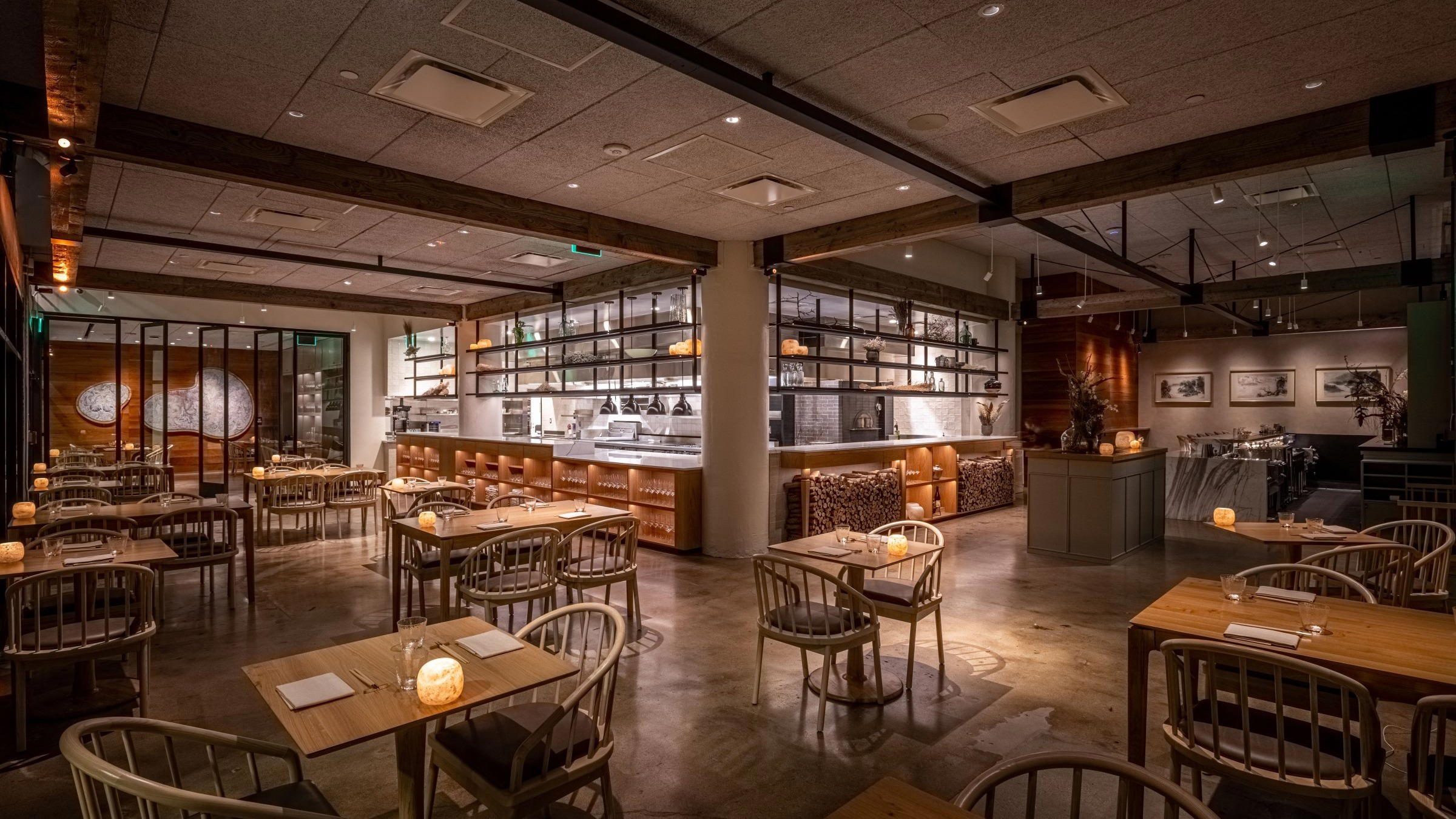
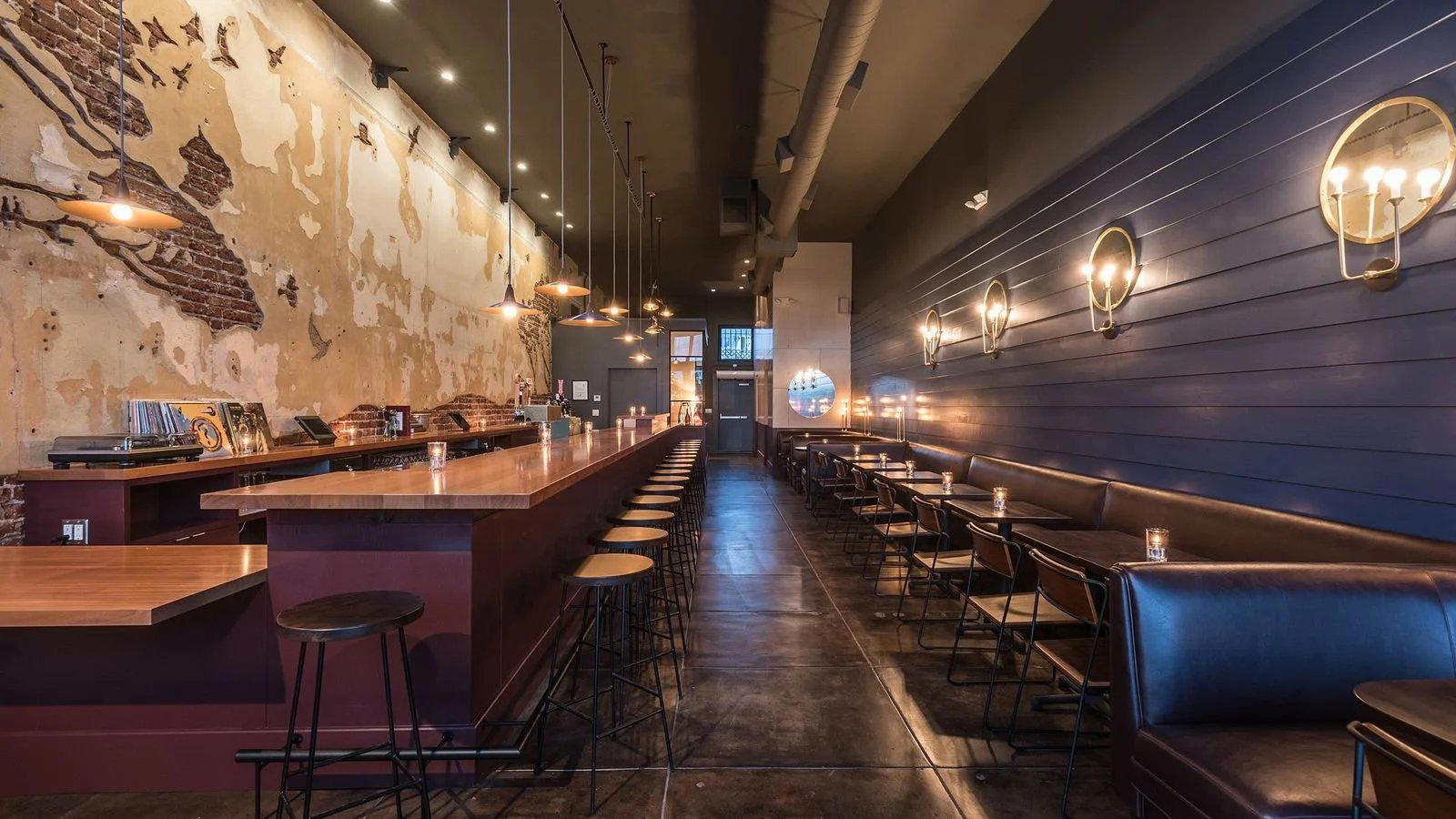
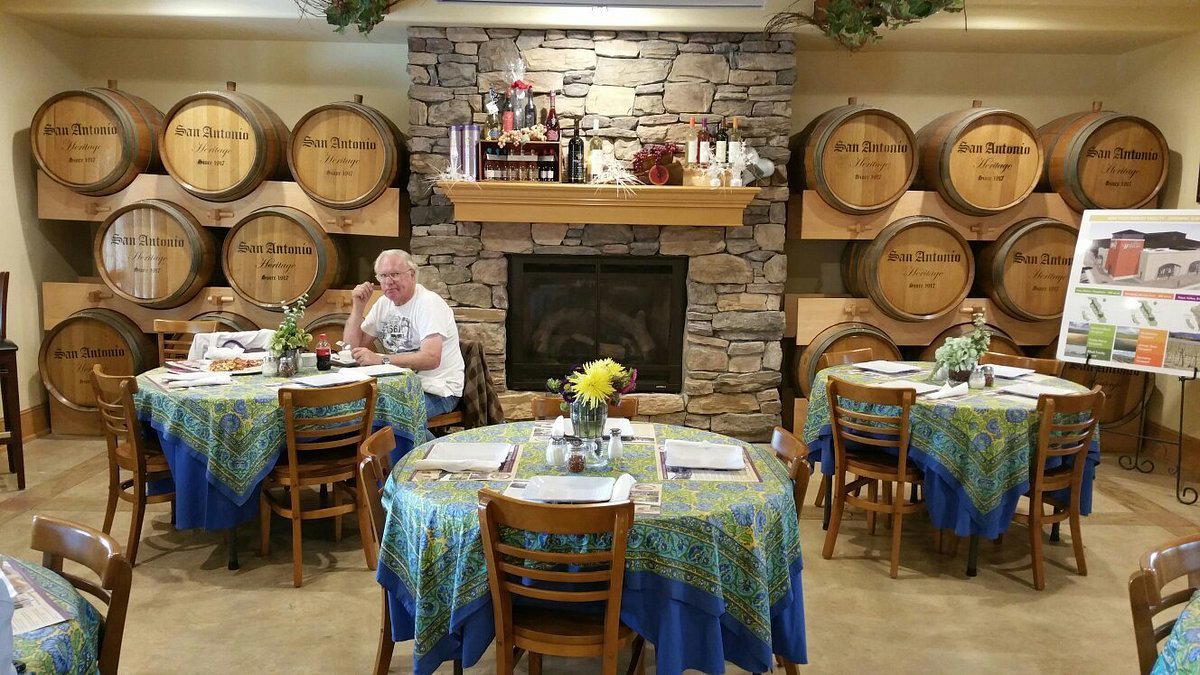
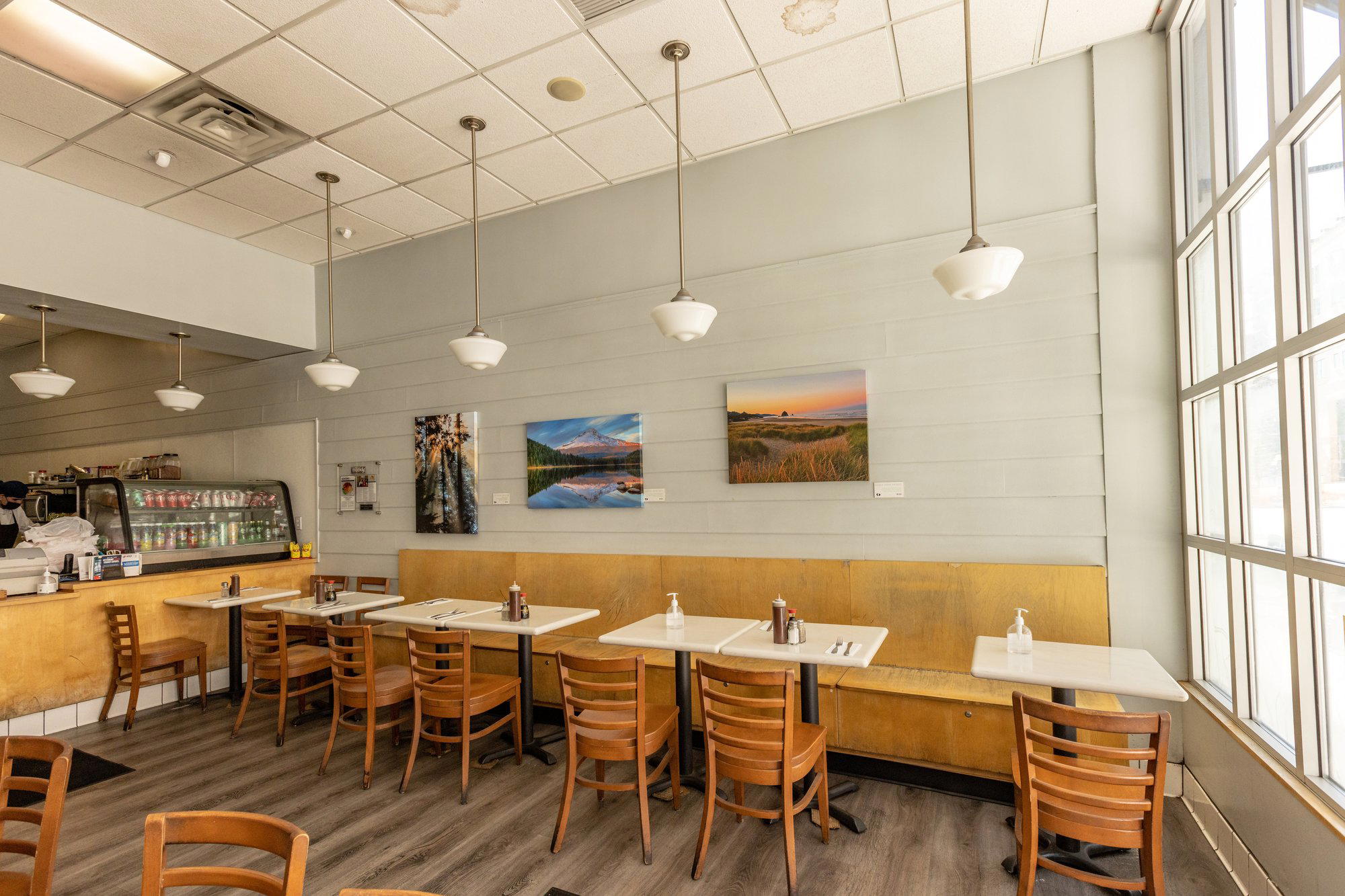
The restaurant sits at 26 N Los Robles Ave, within Pasadena's established dining corridor that runs adjacent to Old Town's retail and restaurant concentration. The format, a specialist rotisserie rather than a broad-menu operation, places it in the mid-casual register, oriented around counter or table service built around a focused menu. Expect a room designed around the practicalities of a single cooking technique rather than occasion dining.
What's the address for Rotisserie Chicken of California?
Rotisserie Chicken of California is located at 26 N Los Robles Ave, Pasadena, CA 91101, Pasadena.
How does Rotisserie Chicken of California compare to broader roast chicken spots across Southern California?
Southern California's roast chicken category spans supermarket convenience counters through to single-format restaurants with deliberate sourcing and open-spit technique. Rotisserie Chicken of California, based in Pasadena, sits within the latter group, specialists focused on the bird itself rather than a diversified menu. Pasadena's dining corridor on North Los Robles Ave has trended toward focused-format operators over the past decade, making it a fitting home for a concept built around one cooking method.
What's the best thing to order at Rotisserie Chicken of California?
In a format built around a single protein and a specific cooking method, the whole or half bird is the structuring decision of any visit. California's rotisserie specialists have increasingly used the format to foreground sourcing, the chicken itself carries most of the argument. Side dishes and sauces tend to play a supporting role, so the bird should be the primary order regardless of what else appears on the menu.
How far ahead should I plan for Rotisserie Chicken of California?
Casual rotisserie formats in California's mid-price dining tier typically operate on a walk-in or same-day basis. The 26 N Los Robles Ave location in Pasadena sits in a neighbourhood with steady foot traffic from Old Town, so arriving during peak lunch or dinner hours without a reservation carries more risk on weekends.
Awards and Standing
Comparable venues nearby, for context on price, style, and recognition.
| Venue | Cuisine | Price | Notes |
|---|---|---|---|
| Rotisserie Chicken of CaliforniaThis venue (the venue you are viewing) | Japanese-Style Rotisserie Chicken | $20–30 | Not listed |
| Himalayan Cafe | Nepalese, Indian & Tibetan | $20–30 | Old Pasadena |
| Kulturas | Mexican-Peruvian Fusion | Not listed | Not listed |
| Stonefire Grill | American BBQ Grill | $20–30 | Hastings Ranch |
| Gale's | Northern Italian with California Style | $30–50 | Old Town Pasadena |
| Woon Pasadena | Homestyle Cantonese-Shanghainese Chinese | $20–30 | East Washington Blvd |