Amara Cafe & Restaurant
Amara Cafe & Restaurant occupies a address on South Raymond Avenue in Old Pasadena, placing it inside one of Southern California's more competitive casual-dining corridors. The kitchen operates in a neighborhood where ingredient sourcing and local supply relationships increasingly define how cafes differentiate themselves from the broader chain-heavy dining market. For visitors working through Pasadena's dining scene, Amara sits in the accessible, neighborhood-facing tier of the Raymond Avenue strip.
Pearl is the En Primeur Club membership app — saves, bookings, and concierge access live there. Same editors, same standards.
- Address
- 55 S Raymond Ave, Pasadena, CA 91105
- Phone
- +1 626 744 1765
- Website
- amaracafe.com
- Directions
- Get directions
 Saves & bookings on Pearl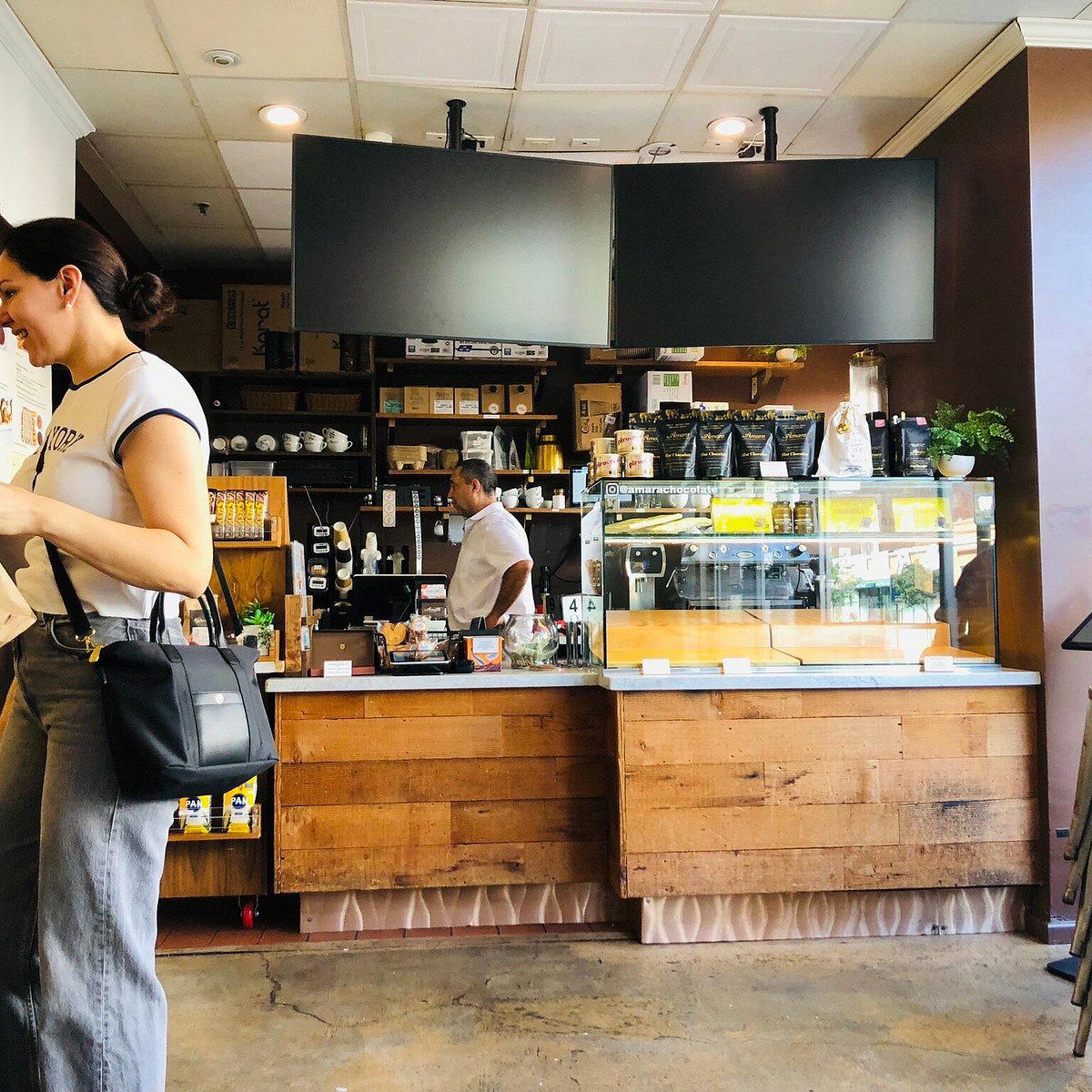
South Raymond Avenue and the Case for Neighborhood Dining
Amara Cafe & Restaurant is a Venezuelan Café & Chocolate House at 55 S Raymond Ave in Pasadena. The street functions as a pressure test for independent operators: foot traffic from the nearby Playhouse District and the Gold Line's Del Mar station keeps covers moving, but the proximity to a dense cluster of well-capitalized competitors means that cafes without a clear identity tend to cycle out within a few years. Amara Cafe & Restaurant, at 55 S Raymond Ave, occupies this environment with the kind of address that rewards venues willing to develop a consistent local following rather than relying on destination traffic.
Over the past decade, particularly durable independent restaurants in this corridor have moved away from generic American or Mediterranean menus and toward more defined sourcing narratives, tighter seasonal rotations, and a deliberate relationship with the regional supply chain. Venues like Arbour and Bistro 45 have each staked out positions in Pasadena's dining hierarchy by making deliberate choices about what they serve and where it comes from, rather than competing on price or volume alone. Amara sits in this same environment, where the question of ingredient provenance has become one of the more meaningful differentiators available to neighborhood operators.
Sourcing as a Structural Advantage in Southern California
The Central Valley, the organic farms of Ventura County, and the specialty producers scattered across the Inland Empire create a supply ecosystem that, when properly accessed, allows even modestly scaled operations to serve produce with a week or less between harvest and plate. This is the condition that makes farm-to-table commitments more than marketing language in this part of California, and it is the condition that separates kitchens genuinely engaged with the regional supply chain from those that simply gesture toward it.
For context, the approach at nationally recognized operations like Single Thread Farm in Healdsburg and Blue Hill at Stone Barns in Tarrytown represents the ceiling of what farm-integrated dining can look like at scale, with dedicated growing operations feeding fixed tasting menus. The model that matters to most neighborhood cafes is something less formal and more pragmatic: sourcing relationships that flex with what is actually available, menus that shift with seasonal reality rather than marketing cycles, and a kitchen staff trained to work with variable supply rather than standardized product. It is a less visible form of commitment, but it is the one that determines quality at the table from week to week.
Pasadena's position as a commuter-adjacent, culturally active city means its restaurants also serve a customer base that has been exposed to the dining cultures of Los Angeles proper, including operations like Providence in Los Angeles, which has spent years demonstrating how seriously sourcing can be taken even in a metropolitan environment. That exposure raises the baseline expectation for what a neighborhood café should be doing with its ingredients, and it shifts the competitive standard for Raymond Avenue operators accordingly.
Where Amara Sits in Pasadena's Dining Tier
At the summit of the price and formality range, you have destination operations that pull regional traffic, including Alexander's Steakhouse, which competes on premium protein and production values rather than neighborhood accessibility. Below that sits a denser cluster of mid-range independents and casual concepts, including All India Cafe and 36 W Colorado Blvd #7, each of which has carved a durable position through cuisine specificity and repeat-visit pricing. Amara's Raymond Avenue address places it in competition with this mid-tier cohort rather than with the city's more formal options.
This is not a disadvantage. The café tier in Old Pasadena serves a consistent weekday lunch and weekend brunch market that destination restaurants rarely capture, and it generates the kind of neighborhood loyalty that sustains operations across economic cycles. For venues in this bracket, the differentiation question is less about price than about what they are doing in the kitchen that the next café along the street is not. In the current Pasadena market, that answer increasingly comes back to ingredient decisions.
The commitments visible at The French Laundry in Napa, Smyth in Chicago, and Addison in San Diego represent a formal, documented version of the sourcing discipline that neighborhood operations attempt at a smaller and less ceremonial scale. The ambition is different, but the underlying logic, that where food comes from determines what it can be on the plate, is the same across every tier of the market. Our full Pasadena restaurants guide maps how these tiers interact across the city's main dining corridors.
Planning a Visit
Amara Cafe & Restaurant is located at 55 S Raymond Ave in Old Pasadena, within walking distance of the Del Mar Metro Gold Line station, which makes it reachable from downtown Los Angeles without driving. The Raymond Avenue strip is most active on weekend afternoons and Friday evenings, when the Playhouse District and surrounding blocks draw consistent foot traffic. Amara Cafe & Restaurant is open Tuesday through Friday from 7:30 AM to 3 PM, and Saturday and Sunday from 7:30 AM to 4 PM; it is closed Monday. The restaurant is walk-in friendly and the price tier is moderate, with about $18 per person. As with most independently operated cafes in this price bracket in Pasadena, walk-in availability during weekday lunch hours is generally more reliable than weekend mid-morning slots.
Fast Comparison
Comparable venues nearby, for context on price, style, and recognition.
| Venue | Cuisine | Price | Notes |
|---|---|---|---|
| Amara Cafe & RestaurantThis venue — the venue you are viewing | Venezuelan Café & Chocolate House | $$ | Not listed |
| 36 W Colorado Blvd #7 | Vegan Acai Bowls & Superfood Toasts | $$ | Old Pasadena |
| Ramen Tatsunoya | Authentic Tonkotsu Ramen | $$ | Old Pasadena |
| Rose Tree Cottage | Traditional British Afternoon Tea | $$ | South Pasadena |
| Mercado | Modern Mexican | $$ | South Lake Avenue |
| Saladang Garden | Traditional Thai Garden | $$ | Old Pasadena |
Continue exploring
More in Pasadena
Restaurants in Pasadena
Browse all →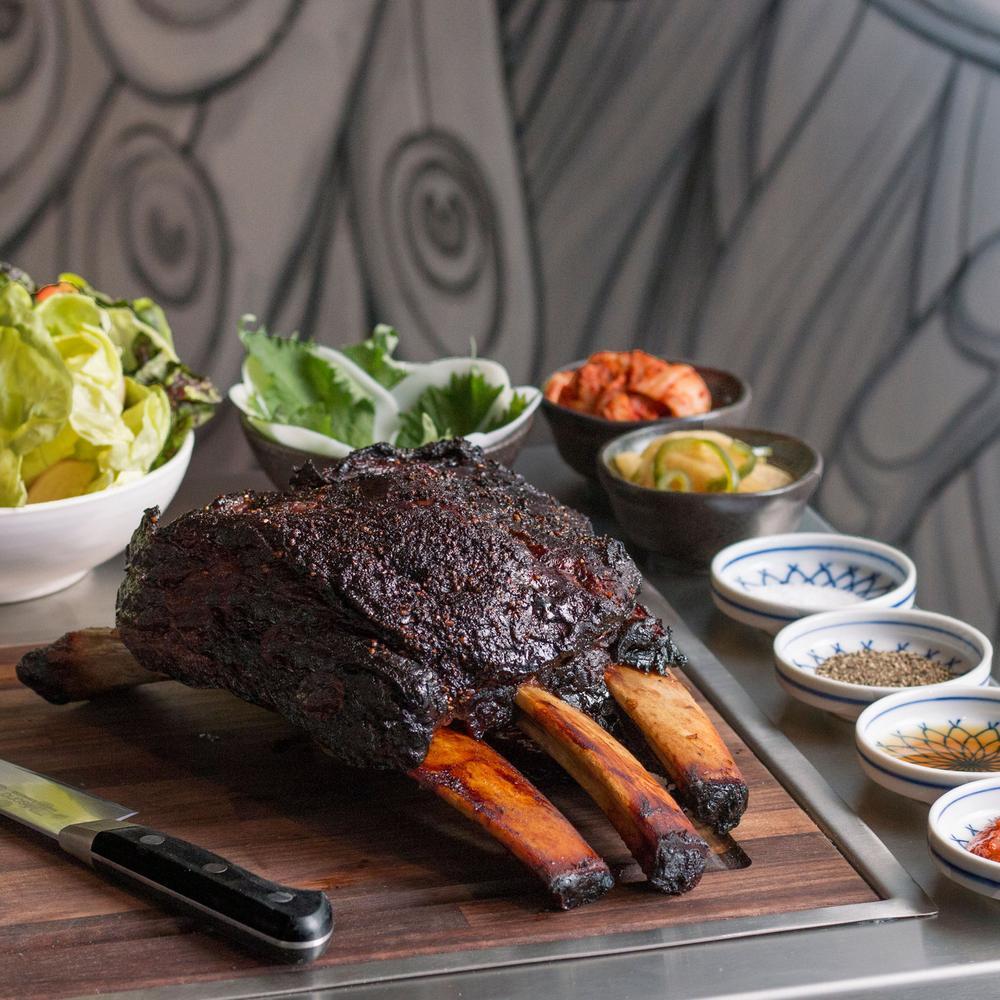
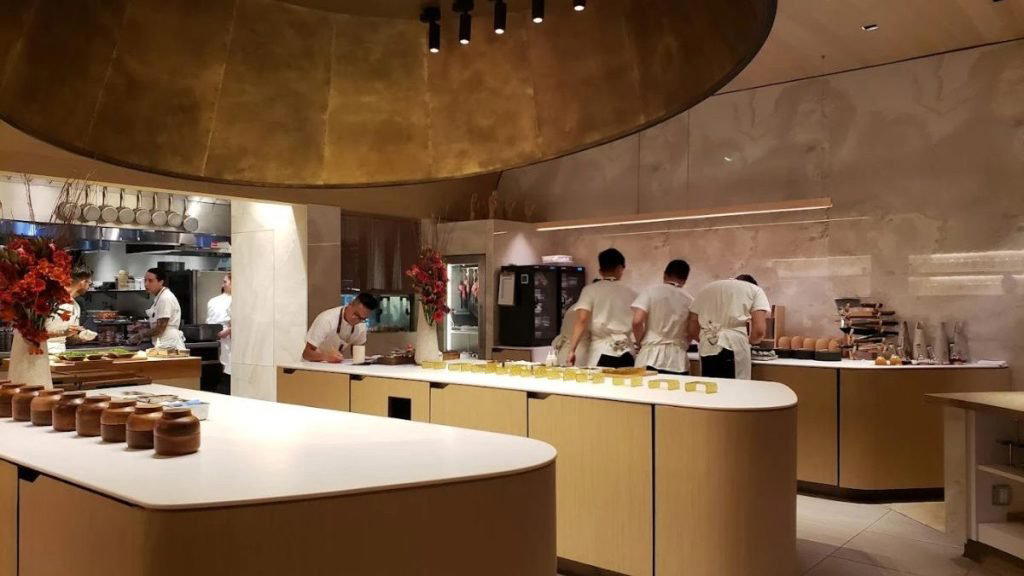
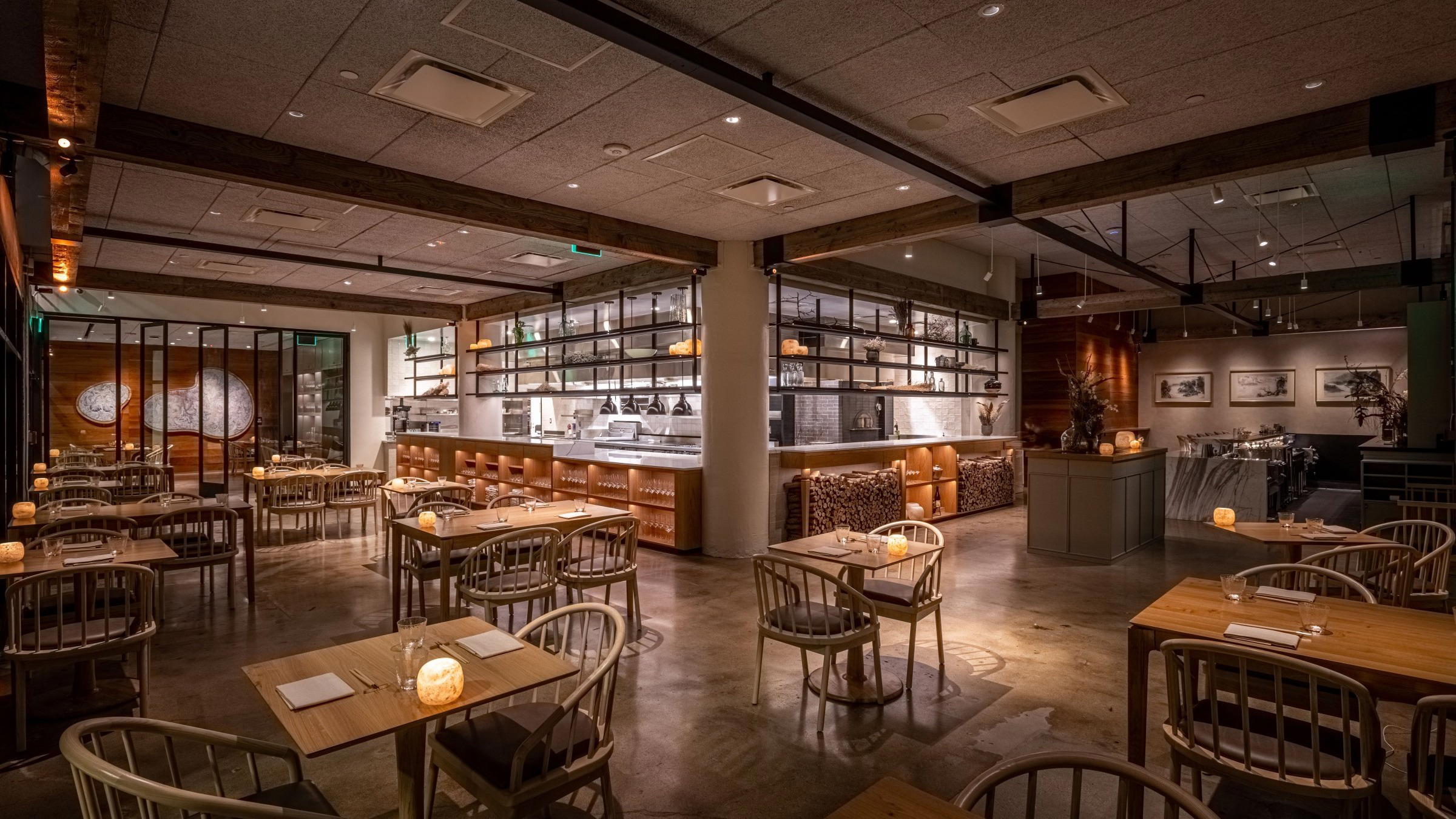
Bars in Pasadena
Browse all →

Hotels in Pasadena
Browse all →

Wineries in Pasadena
Browse all →
At a Glance
- Cozy
- Casual
- Brunch
- Casual Hangout
- Group Dining
- Family
- Standalone
- Craft Cocktails
- Local Sourcing
Current opening hours
- Monday
- Closed
- Tuesday
- 7:30 AM–3 PM
- Wednesday
- 7:30 AM–3 PM
- Thursday
- 7:30 AM–3 PM
- Friday
- 7:30 AM–3 PM
- Saturday
- 7:30 AM–4 PM
- Sunday
- 7:30 AM–4 PM
Hours can change for holidays and private events. Last verified .
Warm, intimate café with cozy indoor seating and sidewalk tables; bright and welcoming with a neighborhood feel.