The Tennessee Truffle
On a quiet block of downtown Sanford, The Tennessee Truffle trades in ingredient-focused cooking that positions it well above the casual dining corridor surrounding it. The name signals an intent: the truffle, historically sourced from the American Southeast, frames a kitchen philosophy oriented around provenance and seasonal specificity. For Central Florida, that approach remains relatively uncommon at this address and price point.
Pearl is the En Primeur Club membership app — saves, bookings, and concierge access live there. Same editors, same standards.
- Address
- 125 W 1st St, Sanford, FL 32771
- Phone
- +14079423977
- Website
- thetennesseetruffle.com
- Directions
- Get directions
 Saves & bookings on Pearl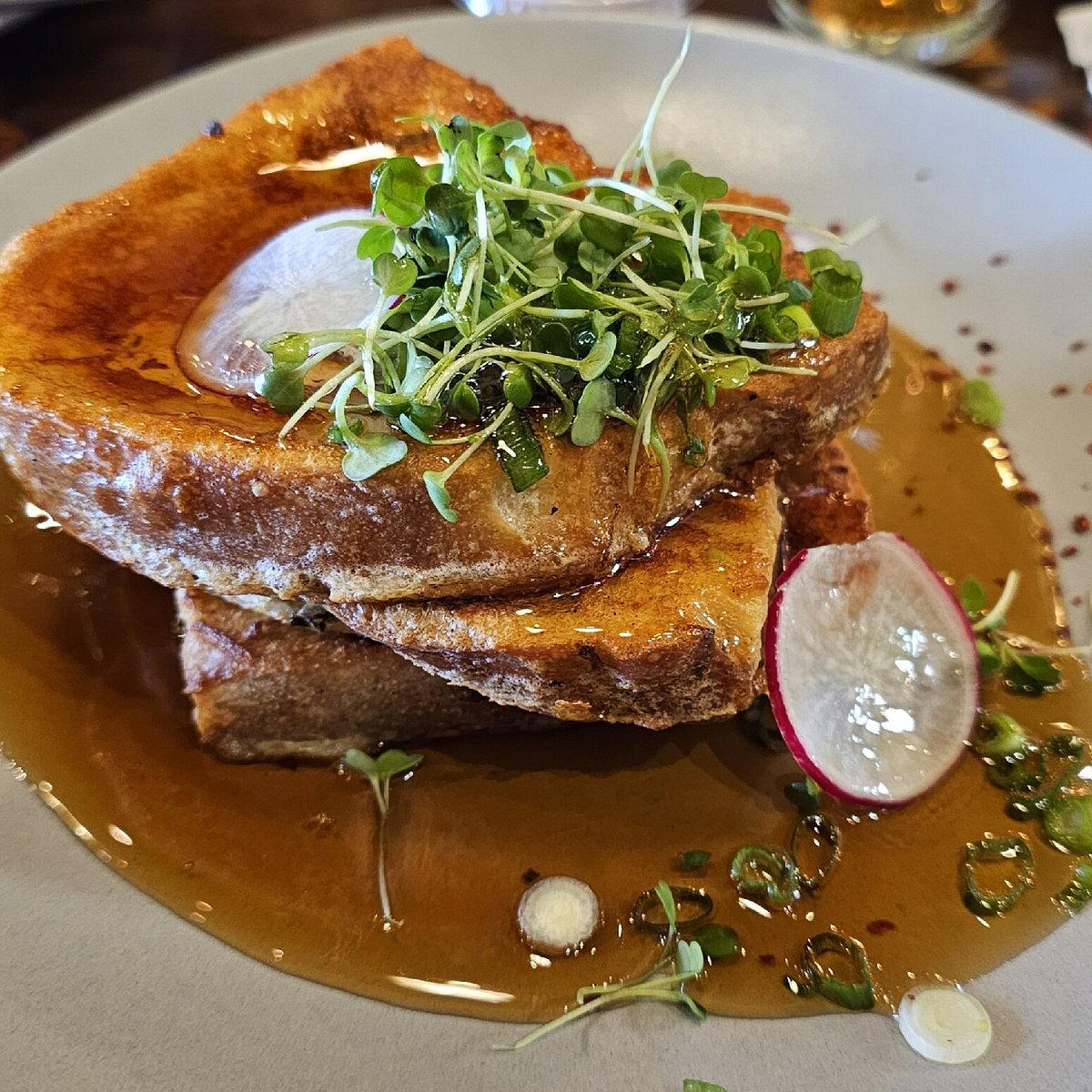
A Downtown Block Where the Sourcing Does the Talking
Sanford's 1st Street has been accumulating independent restaurants for the better part of a decade, filling the ground floors of its late-19th-century commercial buildings with operations that range from craft beer pubs to farm-table concepts. The Tennessee Truffle sits at 125 W 1st St inside that fabric, and the name alone sets a specific expectation: this is a restaurant serving Southern Fusion in Sanford, FL at a price tier of 3, with a kitchen oriented around ingredient identity, not generic comfort food. In an American South context, the truffle reference carries meaning. The Appalachian and Ozark regions produce Tuber lyonii, the native Pecan truffle, along with other foraged fungi that have sustained a small but serious network of regional foragers for years. A restaurant anchoring its identity to that reference is, at minimum, signaling an interest in where ingredients come from before they reach the plate.
Ingredient Sourcing as the Central Argument
The broader movement toward provenance-driven menus accelerated across American fine dining over the past fifteen years. Restaurants like Blue Hill at Stone Barns in Tarrytown built their entire identity around the farm-to-table relationship, while Single Thread Farm in Healdsburg took that model further by owning the agricultural operation producing the ingredients. Those are extreme cases at extreme price points. What has been more interesting to watch is how that sourcing philosophy has migrated downward through price tiers and outward geographically, appearing now in secondary markets and smaller cities where the ingredient story is just as compelling, sometimes more so, because the supply chains are shorter and the regional specificity is less diluted by the pressures of a major restaurant market.
Central Florida is not typically discussed in the same breath as the Hudson Valley or Sonoma County when sourcing credentials come up. But Florida agriculture is more varied than its reputation suggests: citrus is obvious, but the state also produces significant quantities of tomatoes, peppers, tropical fruits, and, in its northern reaches, cooler-weather crops that overlap with what Georgia and Tennessee supply. A kitchen in Sanford drawing on the state's northern agricultural belt, plus Appalachian foraged ingredients suggested by the truffle reference, has access to a sourcing geography that most diners in Orlando, forty minutes south, rarely encounter directly. That regional sourcing argument is especially credible editorial claim The Tennessee Truffle can make, and it is worth taking seriously on those terms alone.
Positioning in the Central Florida Dining Scene
Sanford operates as a distinct dining node from Orlando, separated enough geographically that its restaurant community has developed its own character rather than simply mirroring the larger city to the south. The Historic Downtown district, where The Tennessee Truffle is located, draws a mix of local regulars and visitors exploring alternatives to the theme-park-adjacent dining of International Drive. That audience tends to be more engaged with independent operators and less conditioned to expect the chain-restaurant predictability that dominates much of the corridor between Sanford and Kissimmee.
Within that context, a restaurant leading with a sourcing identity places itself in a specific tier. Across the South, comparable operations include Bacchanalia in Atlanta, which has sustained a locally sourced, ingredient-first model for over two decades, and, at a more experimental register, Brutø in Denver, where the sourcing philosophy extends to near-obsessive specificity about producers. The Tennessee Truffle is not making claims at that level of documentation, but the orientation matters: kitchens that think about where ingredients come from tend to cook differently from those that do not, even when the menu descriptions do not spell out every farm name.
For diners who have eaten at the more technically ambitious end of the American sourcing spectrum, including The French Laundry in Napa or Lazy Bear in San Francisco, what a place like The Tennessee Truffle offers is a more accessible register of the same underlying interest. The sourcing ethos, applied in a smaller city at a less pressurized price point, often produces cooking that is direct and seasonal without the architectural complexity that defines those upper-tier operations.
The Broader Sourcing Conversation in American Restaurants
It is worth situating the restaurant inside a national conversation that has been running for some time. Operations like Providence in Los Angeles have demonstrated that sourcing discipline can coexist with fine-dining precision; Addison in San Diego sources across Southern California's agriculture belt with a level of specificity that has earned it Michelin recognition. At the technically ambitious end, Alinea in Chicago approaches ingredients through a different lens, one of transformation rather than provenance-first simplicity, while Le Bernardin in New York City applies French sourcing discipline to American waters. These are reference points, not comparisons: they map the range of what ingredient-focused cooking means across the American scene.
What makes a smaller-market operation interesting within that conversation is often the absence of the premium-market infrastructure. In New York or San Francisco, sourcing well is expensive and logistically complex but commercially expected. In Sanford, doing it seriously is a choice that carries a different weight, because the alternative, leaning on broadline food service suppliers, is easier and cheaper and no local diner would necessarily know the difference. Restaurants that make the harder sourcing choice in secondary markets deserve attention for that reason, provided the kitchen follows through in the cooking.
Diners curious about the broader sourcing conversation in American dining can also look at Causa in Washington, D.C., where sourcing is filtered through a Peruvian lens, or ITAMAE in Miami, where Japanese technique meets Florida-sourced seafood. Frasca Food and Wine in Boulder and Atomix in New York City each show how sourcing philosophy intersects with specific culinary traditions at a high level. Emeril's in New Orleans, for its part, helped establish the case that Southern sourcing could anchor fine dining decades before farm-to-table became a category. And for a European-market equivalent at the luxury end, 8 1/2 Otto e Mezzo Bombana in Hong Kong demonstrates how sourcing credibility translates across different supply-chain environments. The Inn at Little Washington remains the clearest precedent in the mid-Atlantic South for what a long-running, sourcing-led kitchen can achieve over decades in a non-major-market setting.
Planning a Visit
The restaurant is at 125 W 1st St in Sanford's historic downtown. Current booking method, hours, and pricing are best confirmed directly. For the broader picture of what Sanford's dining scene offers beyond a single address, our full Sanford restaurants guide covers the wider range of options across the district.
Quick Comparison
Comparable venues nearby, for context on price, style, and recognition.
| Venue | Cuisine | Price | Notes |
|---|---|---|---|
| The Tennessee TruffleThis venue — the venue you are viewing | Southern Fusion | $$$ | Not listed |
| Chef's Table at the Edgewater | New American Fine Dining | $$$ | Winter Garden |
| Cress Restaurant | Globally Inspired Farm-to-Table | $$$ | Historic Downtown DeLand |
| Tide Coastal Kitchen | American Coastal Cuisine | $$$ | Fort Lauderdale |
| Pirates Dinner Adventure | Pirate Dinner Show | $$ | Convention Center |
| Refinery Jax Beach | Euro-American Seafood | $$$ | Jacksonville Beach |

At a Glance
- Cozy
- Rustic
- Intimate
- Elegant
- Date Night
- Brunch
- Special Occasion
- Historic Building
- Local Sourcing
- Organic
Current opening hours
- Monday
- Closed
- Tuesday
- Closed
- Wednesday
- Closed
- Thursday
- 5:30–10 PM
- Friday
- 5:30–10 PM
- Saturday
- 9 AM–1 PM, 5:30–10 PM
- Sunday
- Closed
Hours can change for holidays and private events. Last verified .
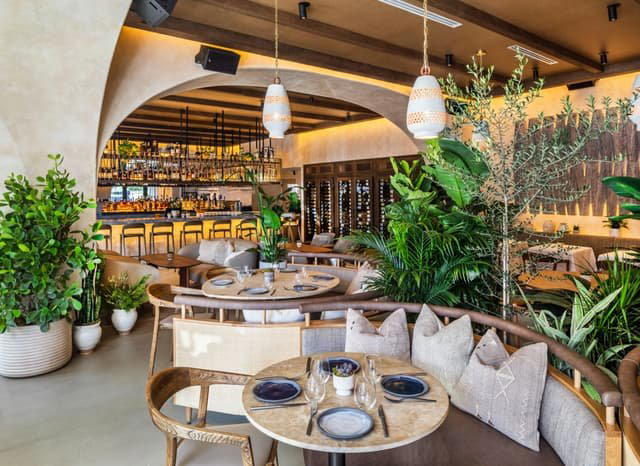
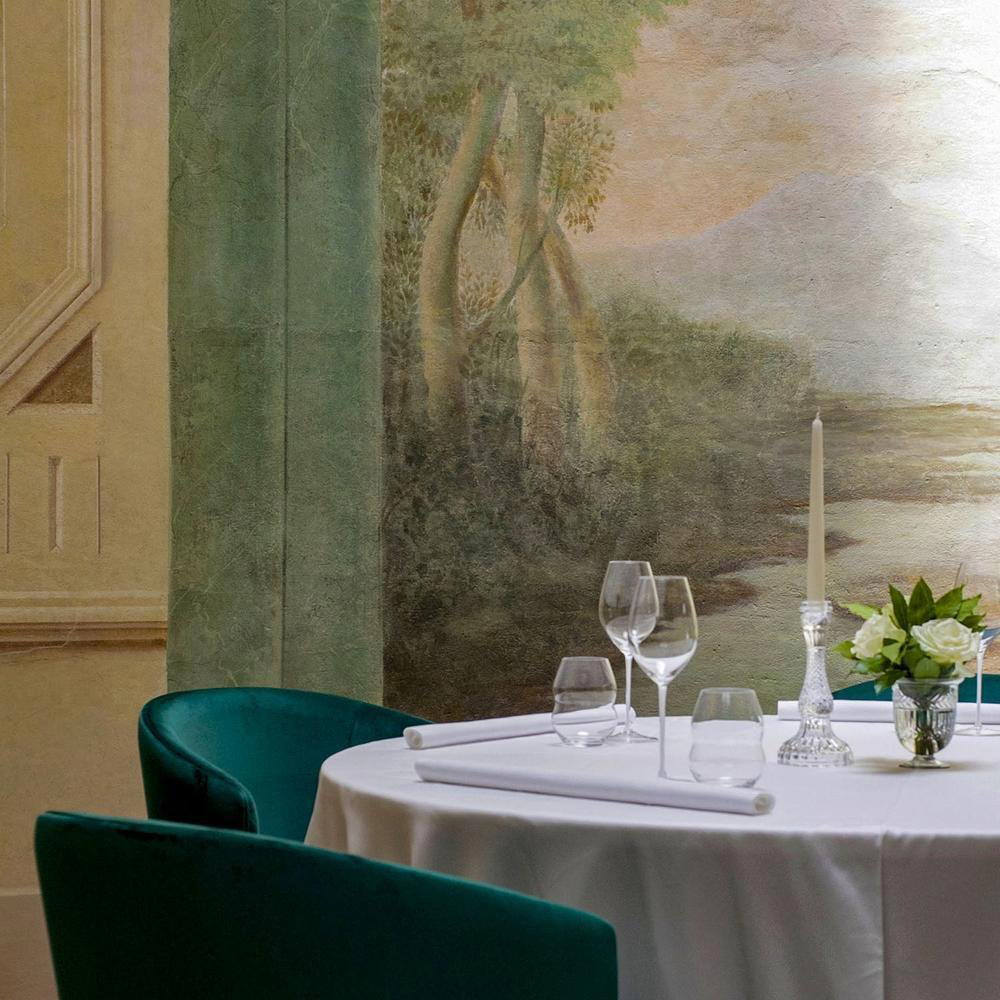
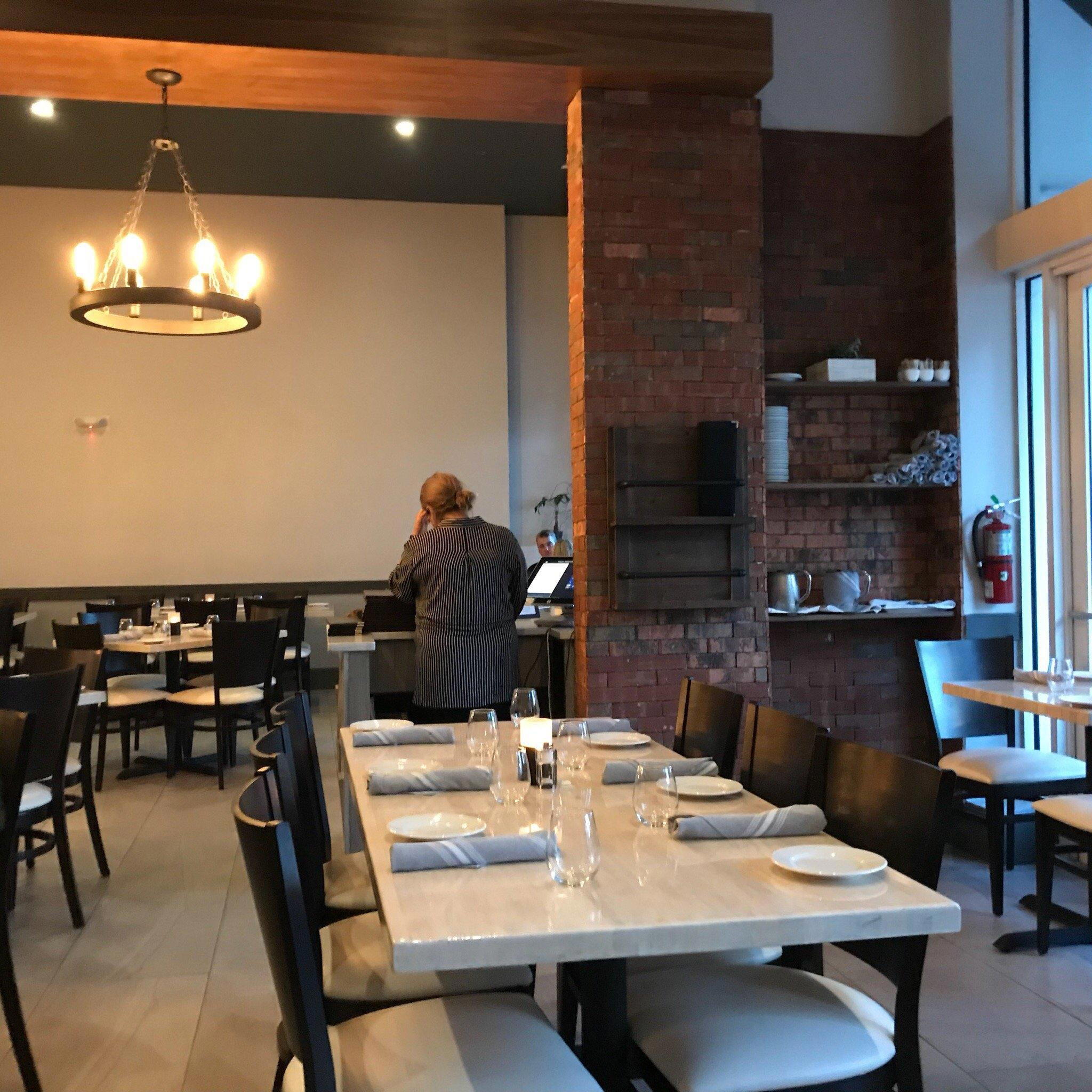
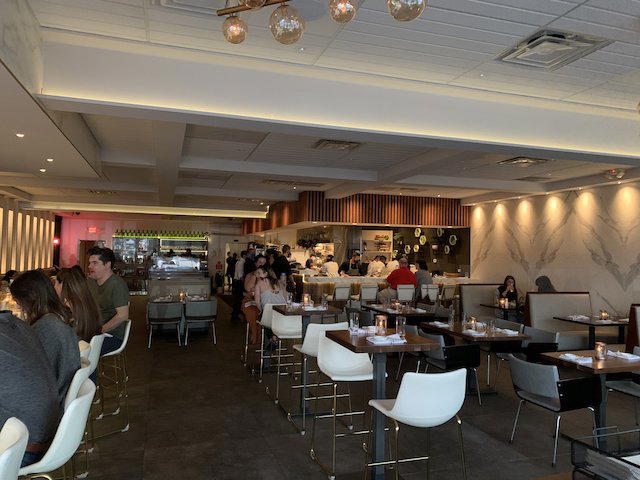
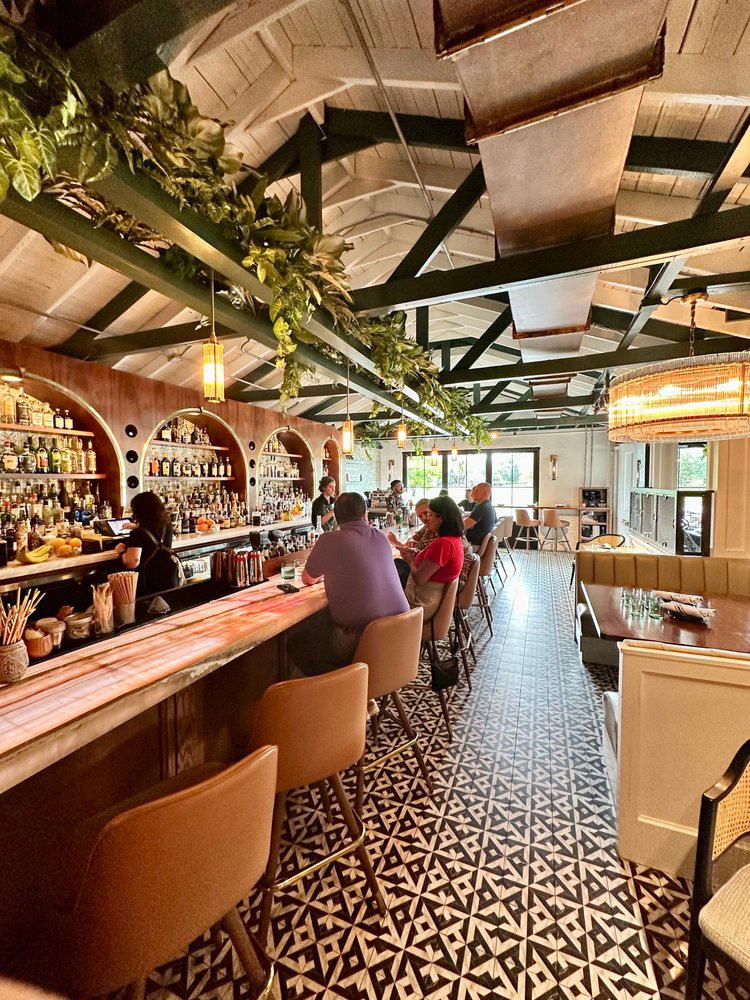
Warm southern décor evoking hospitality with a refined, cozy atmosphere in a small historic space.