The Standard Pour
Our verdict
On McKinney Avenue, one of Uptown Dallas's most active dining corridors, The Standard Pour occupies a position that reflects the neighbourhood's shift from casual gastropubs to more program-driven bar and kitchen concepts. The address puts it within walking distance of several competing formats, making it a useful anchor for an evening that moves between drinking and eating rather than committing fully to either.

Pearl is the En Primeur Club membership app — saves, bookings, and concierge access live there. Same editors, same standards.
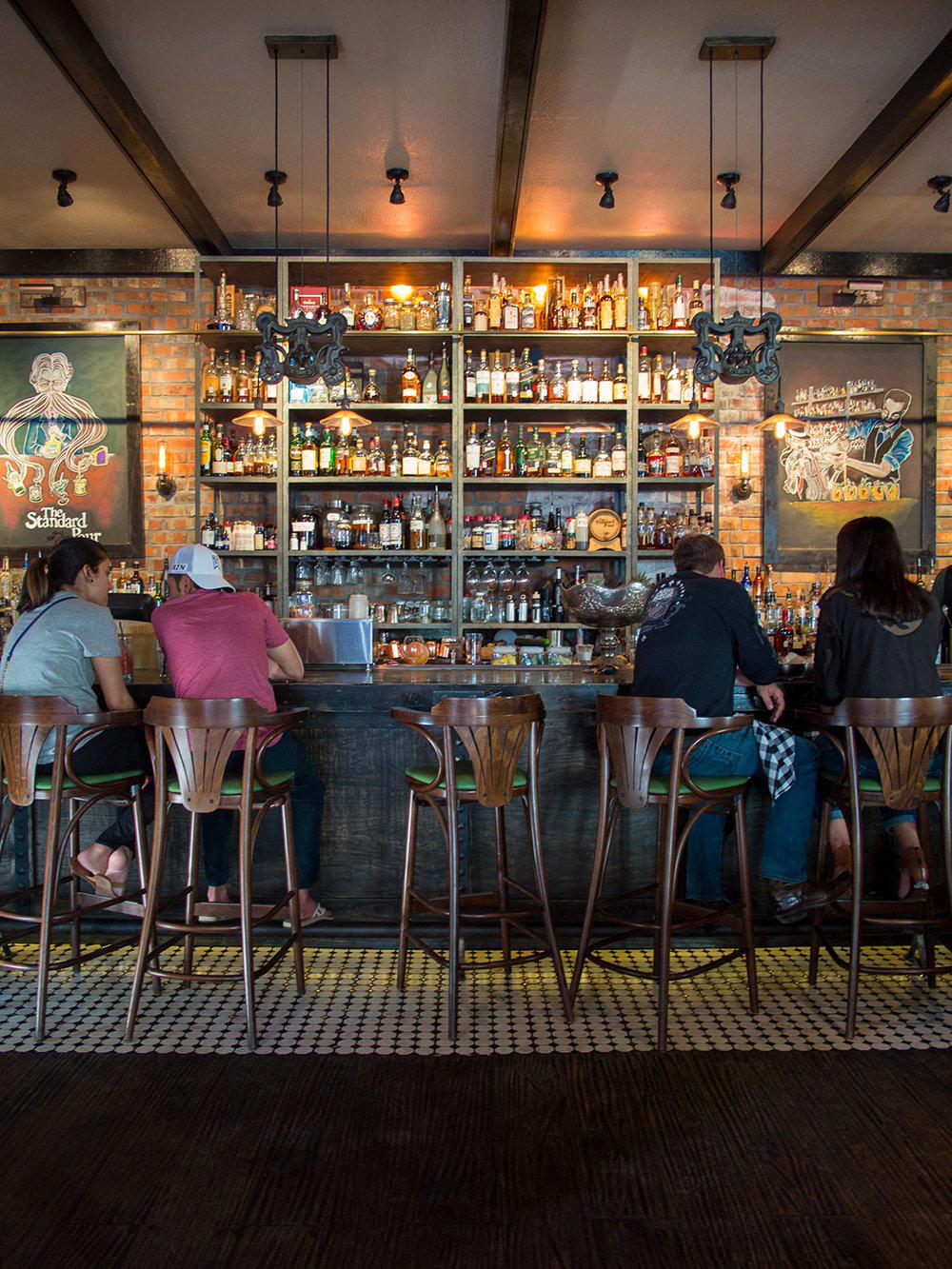
McKinney Avenue and the Uptown Drinking Format
Uptown Dallas has spent the better part of a decade sorting itself into tiers. The stretch of McKinney Avenue running north from downtown carries a higher density of bars, casual restaurants, and hybrid kitchen-and-cocktail concepts than almost any other corridor in the city, and the competitive pressure shows in how seriously the better operators treat their programs. The Standard Pour, at 2900 McKinney Ave, sits inside that competitive zone and draws from the same pool of regulars who cycle between concept-driven drinking and casual eating in a single evening.
The broader American bar scene has moved steadily away from the volume-driven, draft-heavy model that defined Uptown neighbourhoods in most major cities through the 2000s. What replaced it, in Dallas as in Austin and Nashville, is a more deliberate format: longer cocktail lists, wider spirit selections, kitchens that treat food as a genuine second program rather than an afterthought to soak up alcohol. The Standard Pour's position on McKinney places it squarely in that transitional moment, where the expectation from a guest is no longer just a cold beer and a basket of fries but something closer to an informed drink and a plate worth thinking about.
The Sourcing Logic Behind Uptown Bar Kitchens
The editorial angle worth examining at any serious Uptown Dallas bar kitchen is not the menu itself but the sourcing logic behind it. Texas has unusual agricultural depth for a bar-food context: Gulf Coast seafood within a few hours' drive, significant cattle ranching infrastructure across the Hill Country and Panhandle, and a growing network of smaller farms supplying herbs, greens, and seasonal produce to Dallas restaurants at a scale that would have been unusual fifteen years ago. The better bar kitchens in Uptown have begun drawing on those supply chains in ways that distinguish them from the wing-and-nachos baseline that still dominates the category.
This matters because ingredient sourcing in bar contexts is rarely discussed but almost always visible on the plate. A kitchen sourcing Gulf shrimp or Texas-raised beef will produce different results than one buying commodity protein through a broadline distributor, and experienced guests notice the difference even when they cannot always name it. Venues like 3Eleven Kitchen and Cocktails operate in broadly the same format category on McKinney, and the comparison is instructive: the kitchens that take sourcing seriously tend to also take the drink program seriously, and vice versa. The two disciplines reinforce each other in ways that separate program-driven venues from neighbourhood filler.
Across Dallas more broadly, the sourcing conversation has been shaped by the city's size and its logistics infrastructure. Unlike Blue Hill at Stone Barns in Tarrytown, where the farm is the organizing principle of the entire enterprise, or Single Thread Farm in Healdsburg, where agriculture and hospitality are inseparable by design, Dallas bar kitchens work within commercial constraints that make farm-direct sourcing a selective tool rather than a founding philosophy. The question for any venue in this category is which sourcing decisions they make within those constraints, and whether those decisions show up in the final product.
The McKinney Avenue corridor contains a range of formats that serve as reference points. At the more formal dining end, Mamani and Tatsu Dallas represent the sit-down, chef-driven tier where the kitchen is the primary program and the bar exists to support it. Further along the price spectrum, 360 Brunch House occupies the casual daytime format. 12 Cuts Brazilian Steakhouse competes on volume and event energy rather than program depth.
The Standard Pour's format sits between these poles, in the bar-with-serious-kitchen tier that has grown across American cities as the gastropub model matured. For context from outside Dallas, consider how Lazy Bear in San Francisco or Alinea in Chicago define the high end of the chef-driven format, while venues like The Standard Pour operate at a register where the program is deliberate but the format remains accessible. The comparison matters not to diminish the category but to clarify what success looks like at this tier: consistency, a drink list that rewards repeat visits, and a kitchen that earns its place on the bill rather than coasting on the bar's traffic.
Within Dallas's broader dining map, the city's most formally awarded kitchens, including Fearing's at the Ritz-Carlton at the Southwestern end and Lucia in Bishop Arts at the Italian-focused end, occupy different tiers entirely. The Standard Pour does not compete with those rooms. It competes with the Uptown format it inhabits, where the measure is whether the overall program, drink and food together, justifies the address and the price of an evening.
Planning a Visit
McKinney Avenue is accessible by the McKinney Avenue Trolley, a free heritage streetcar that runs along the corridor and connects to the Uptown neighbourhood broadly. The address at 2900 McKinney Ave is walkable from several hotel concentrations in the area, and parking on the avenue itself is supplemented by side-street options in the surrounding grid. For guests arriving from outside the neighbourhood, Uptown is roughly two miles north of downtown Dallas, accessible by ride-share in under ten minutes from most central hotels.
For broader Dallas dining reference, see our full Dallas restaurants guide.
| Venue | Format | Price Tier | Booking |
|---|---|---|---|
| The Standard Pour | Bar and kitchen, Uptown | Not confirmed | Not confirmed |
| 3Eleven Kitchen and Cocktails | Bar and kitchen, McKinney Ave | $$–$$$ | Walk-in and reservations |
| Fearing's | Full-service, hotel dining | $$$$ | Reservations recommended |
| Lucia | Chef-driven Italian | $$$ | Reservations recommended |
| Tatsu Dallas | Japanese, chef-driven | $$$$ | Reservations recommended |
Frequently asked questions
at The Standard Pour?
Given the venue's position in the Uptown bar-and-kitchen format, the drink program is where the most deliberate decisions tend to be made in this category. At venues like The Standard Pour, the cocktail list typically reflects the widest range of sourcing and craft choices, making it the logical starting point.
Can I walk in to The Standard Pour?
The McKinney Avenue corridor generally supports walk-in traffic for bar-format venues, and The Standard Pour's Uptown positioning suggests it operates within that convention. That said, peak evening hours on McKinney, particularly Thursday through Saturday, generate significant foot traffic across the corridor, and arriving earlier in the evening reduces wait times at the more popular concepts.
What's the signature at The Standard Pour?
In bar-and-kitchen formats of this type, the signature tends to emerge from whichever program, drink or food, the venue has invested in most consistently. At Uptown Dallas venues competing in this tier, that frequently means a cocktail program with seasonal rotation or a bar snack that anchors repeat visits.
Is The Standard Pour a good option for a group visiting Uptown Dallas on a weeknight?
The McKinney Avenue location at 2900 McKinney Ave makes The Standard Pour accessible within the Uptown corridor that hosts a concentration of dining and drinking formats suited to group visits. Weeknights on McKinney are generally less pressured than weekend evenings, when the corridor draws larger volumes across the full stretch. For groups combining drinks and a meal rather than committing to a formal dining room, the bar-and-kitchen format is well suited to the pace of an Uptown evening. As with all venues in this corridor, confirming group capacity and any reservation requirements directly with the venue is advisable before arrival.
Accolades, Compared
Comparable venues nearby, for context on price, style, and recognition.
| Venue | Cuisine | Price | Notes |
|---|---|---|---|
| The Standard PourThis venue — the venue you are viewing | Modern American Gastropub | Not listed | Not listed |
| The Conservatory | American | $30–50 | LoMac |
| Velour | Southern-Asian Fusion | Not listed | Victory Park |
| Zodiac | Contemporary American Fine Dining | $30–50 | Downtown |
| Sevy's Grill | American Steakhouse & Grill | Not listed | Devonshire |
| Kitchen + Kocktails by Kevin Kelley - Dallas | Elevated Soul Food | $30–50 | Main Street District |
Continue exploring
More in Dallas
Restaurants in Dallas
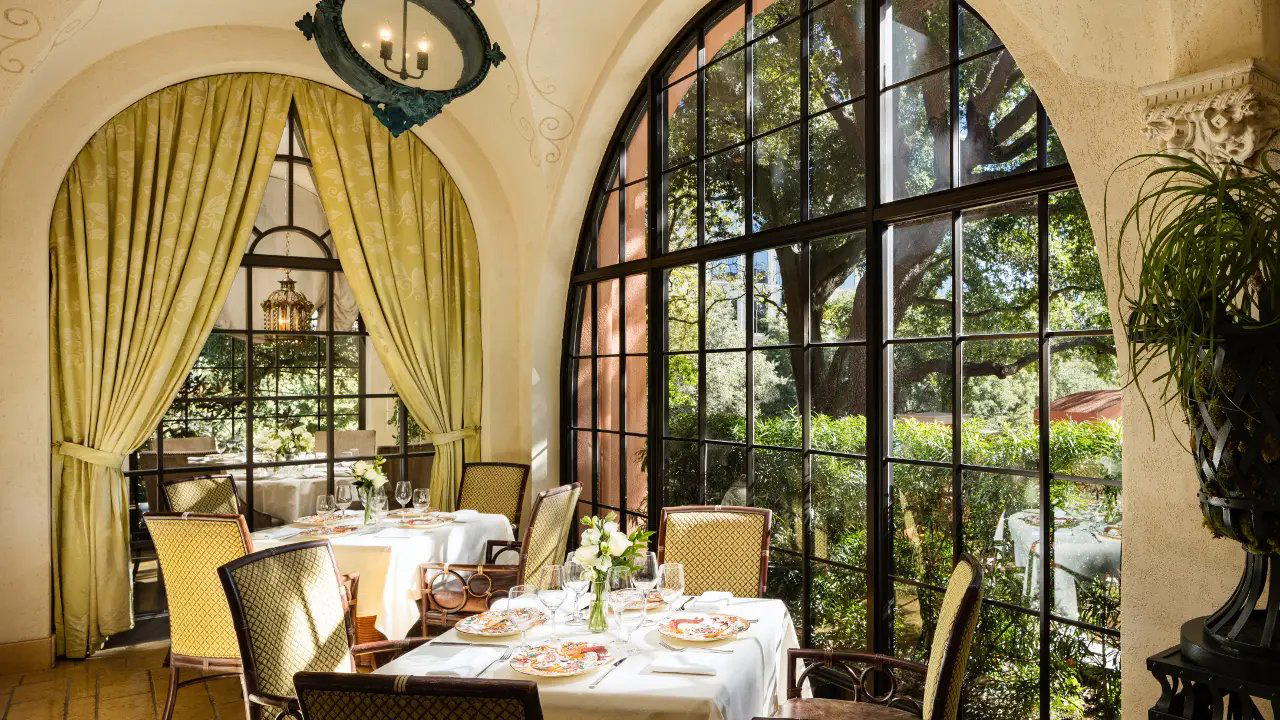
All restaurants in Dallas →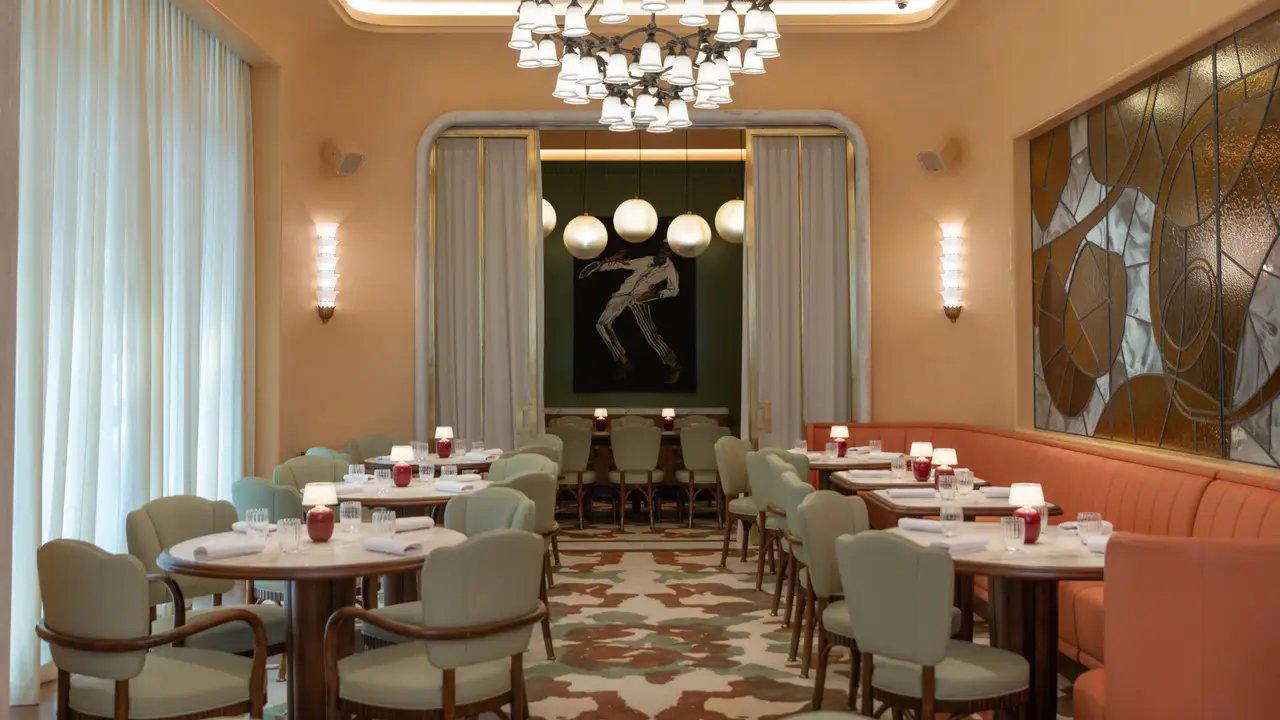
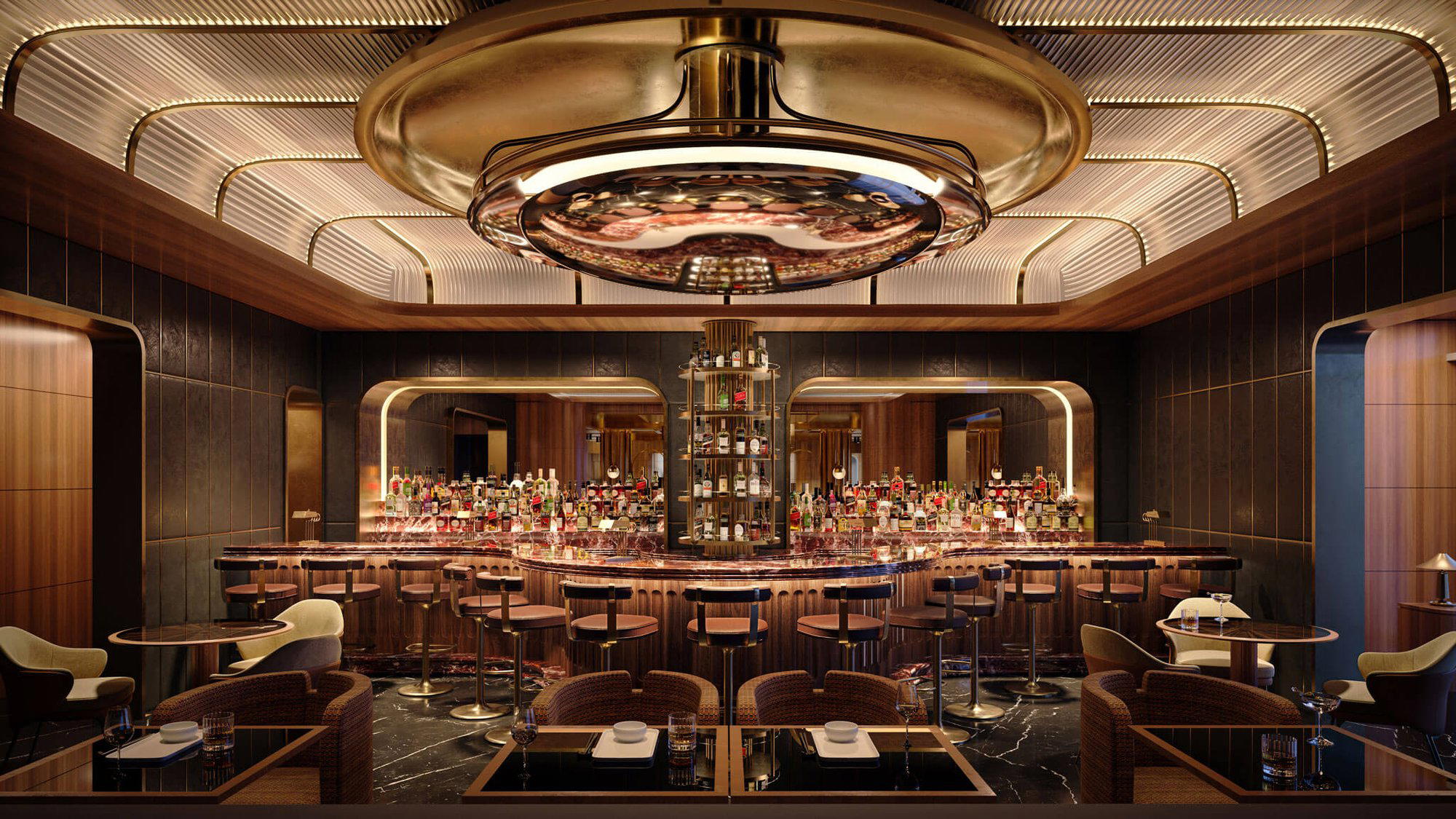
Bars in Dallas
All bars in Dallas →
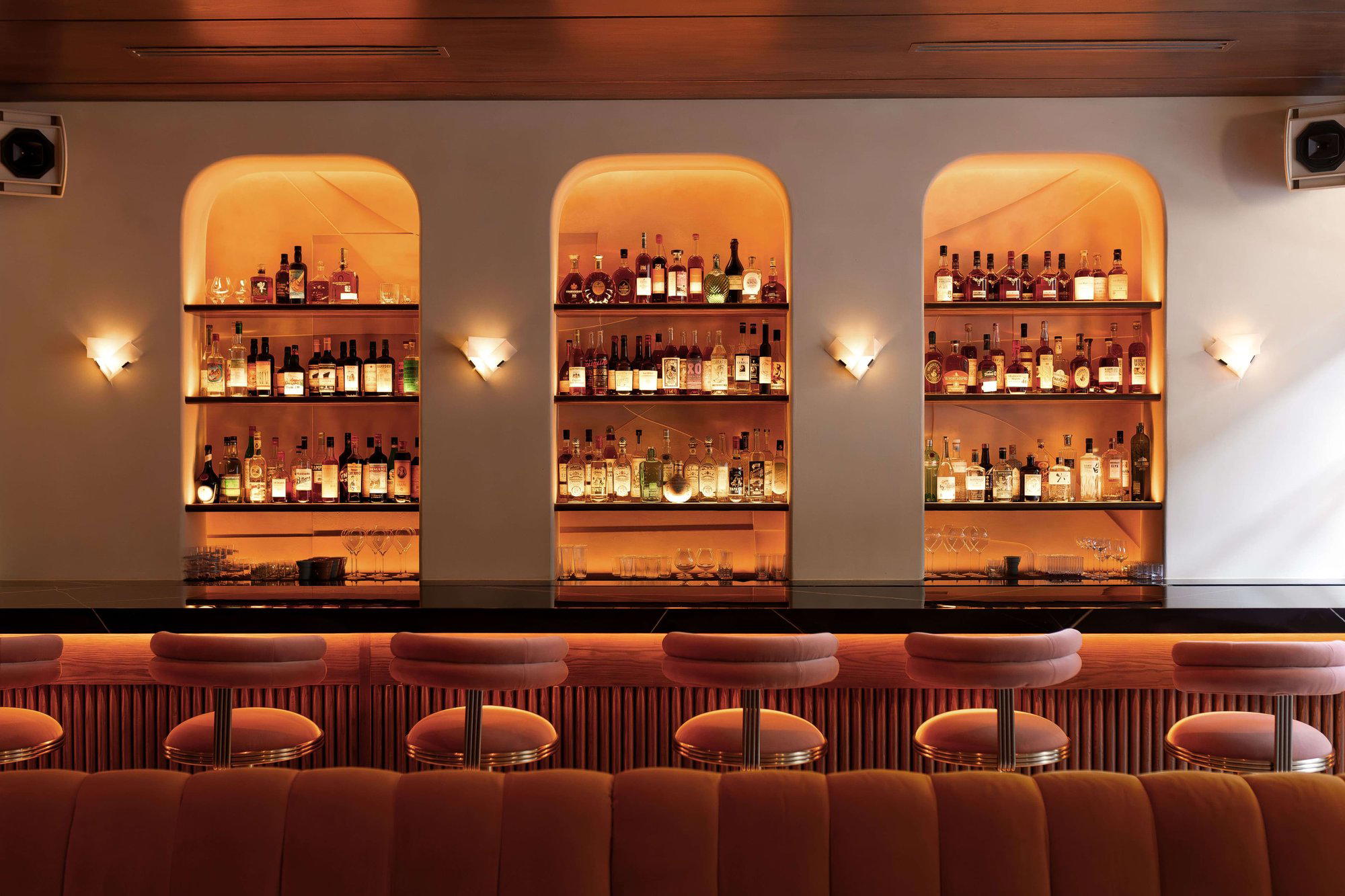
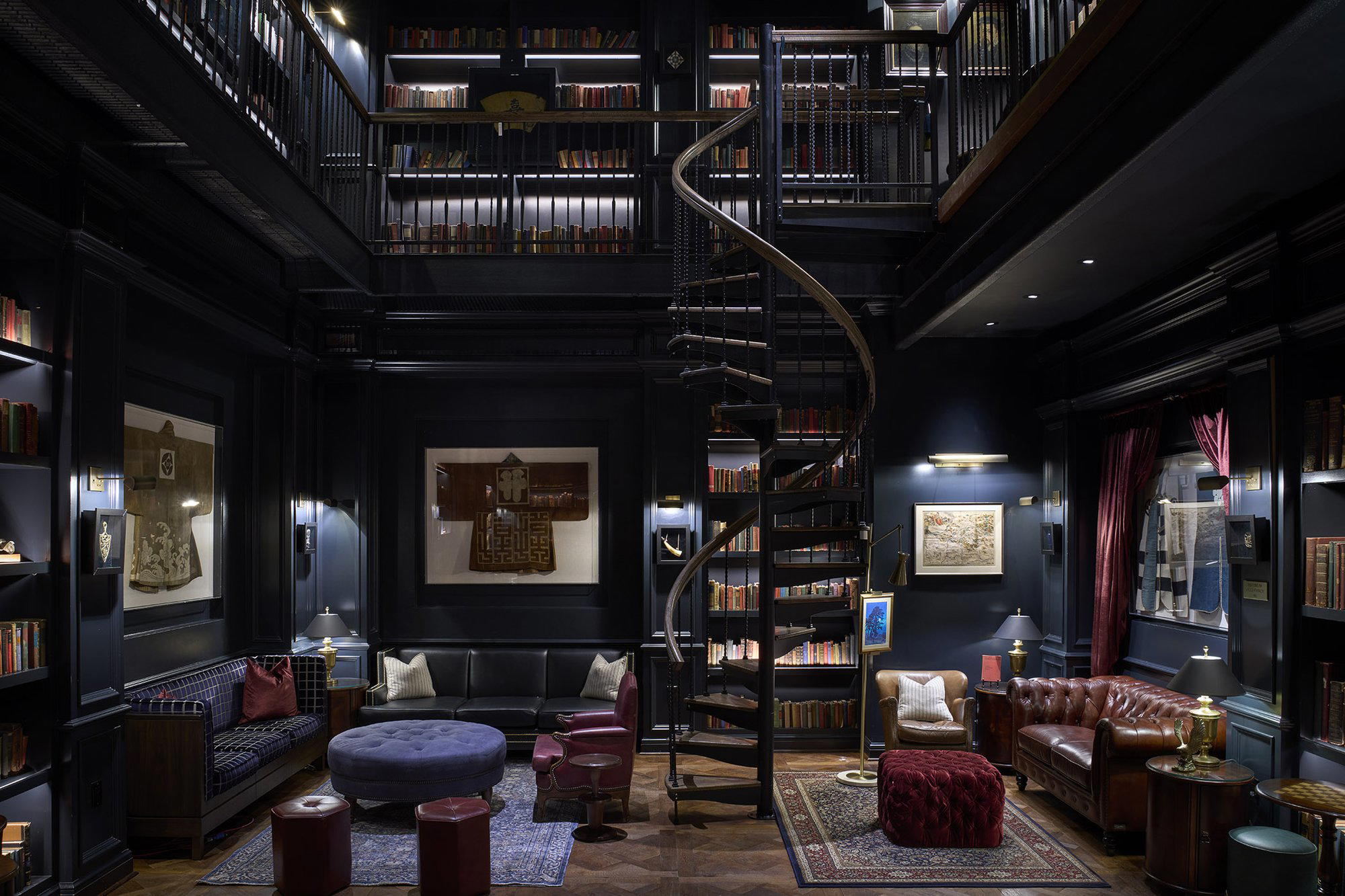
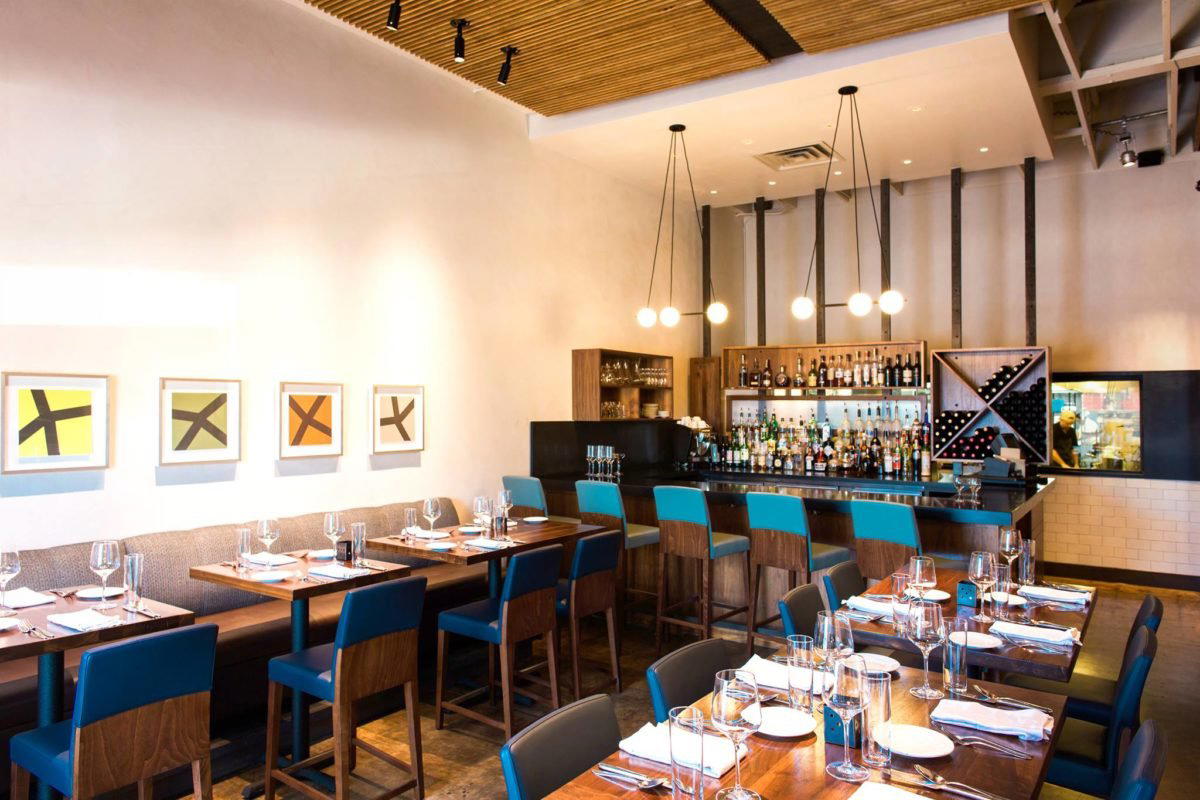
The Standard Pour
The wine
- Wine program
- Curated wine list
- Craft cocktails
Details
- Trendy
- Sophisticated
- Lively
- Modern
- Date Night
- Casual Hangout
- After Work
- Brunch
- Live Music
- Craft Cocktails
- A La Carte
- Small Plates
- Bourbon
- Cocktails
Current opening hours
- Monday
- 5 PM–2 AM
- Tuesday
- 5 PM–2 AM
- Wednesday
- 5 PM–2 AM
- Thursday
- 5 PM–2 AM
- Friday
- 5 PM–2 AM
- Saturday
- 11 AM–2 AM
- Sunday
- 11 AM–2 AM
Hours can change for holidays and private events. Last verified .
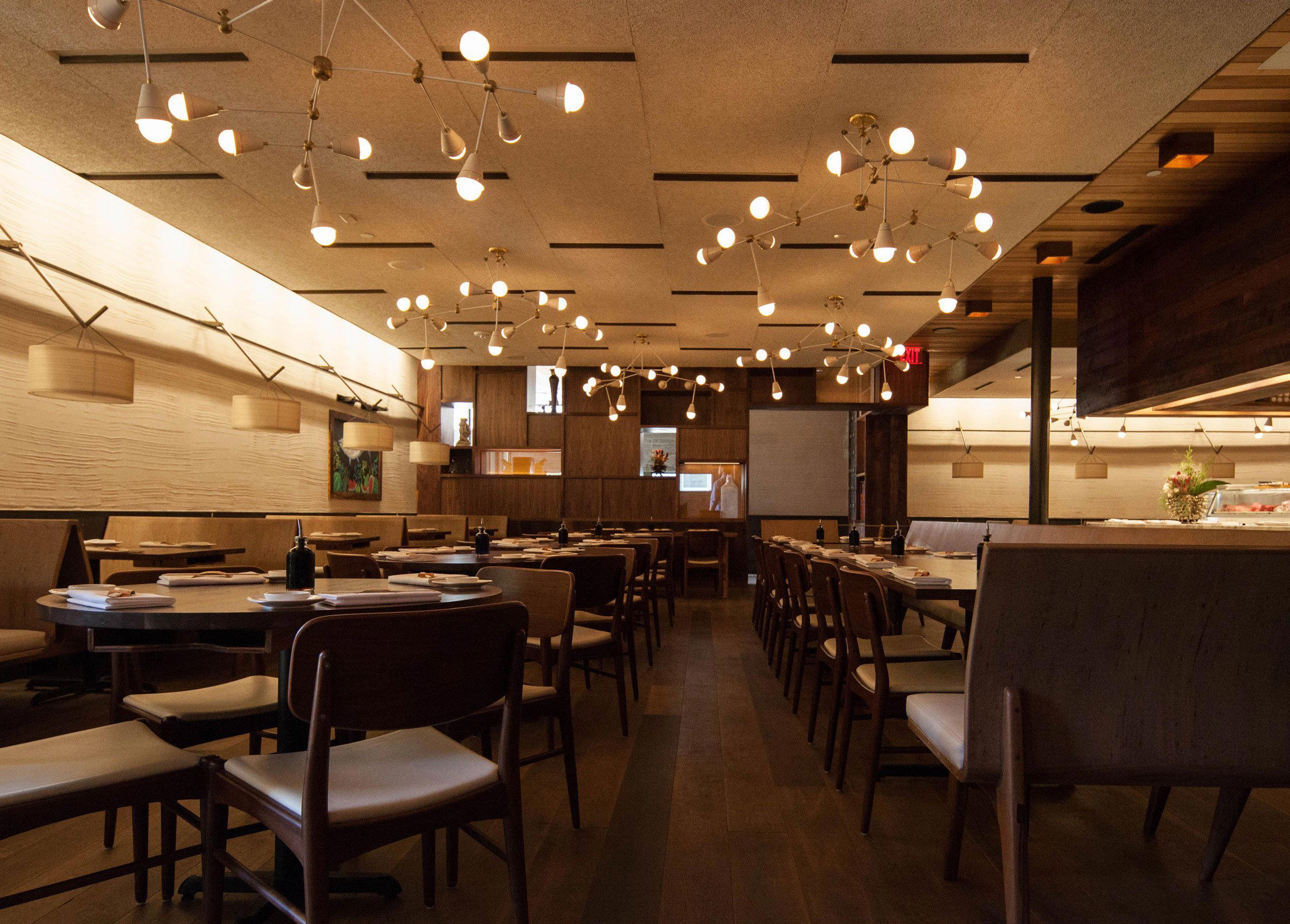
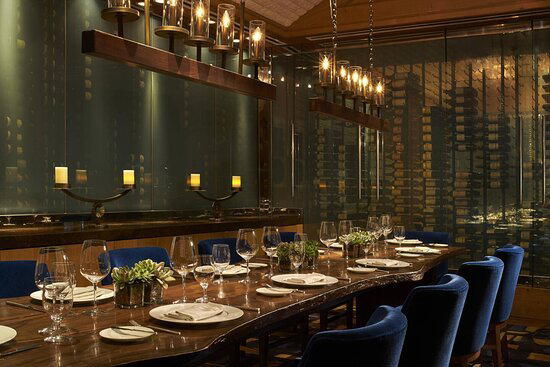
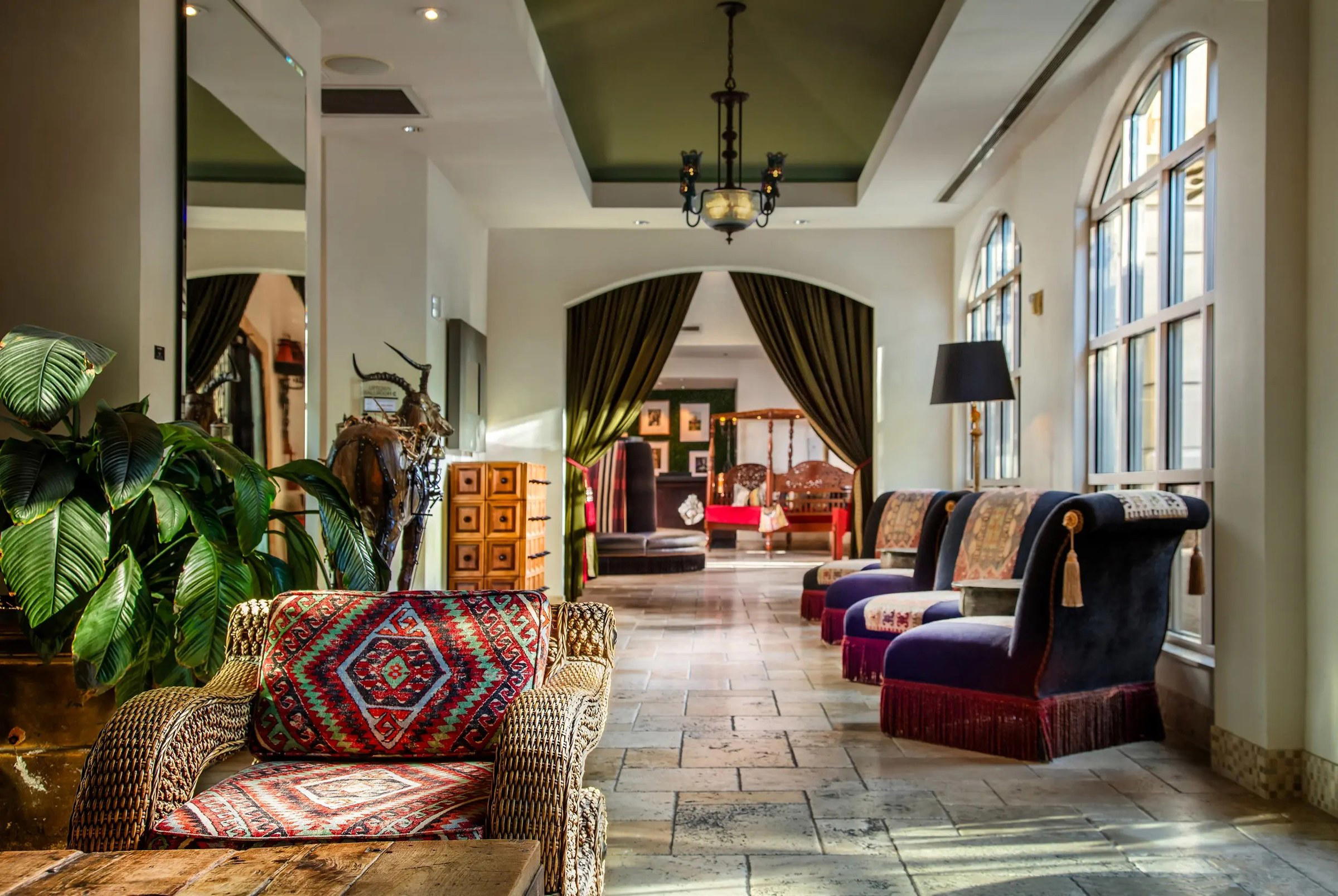
Sexy interior with a casual yet sophisticated atmosphere, well-suited for enjoyable evenings with cocktails and gourmet fare.