The Stack
Current status is under verification; live venue details are withheld until a current primary source confirms them.
- Address
- 7 Weltevreden St, Gardens, Cape Town, 8001, South Africa
- Phone
- +27 21 286 0187
- Directions
- Get directions
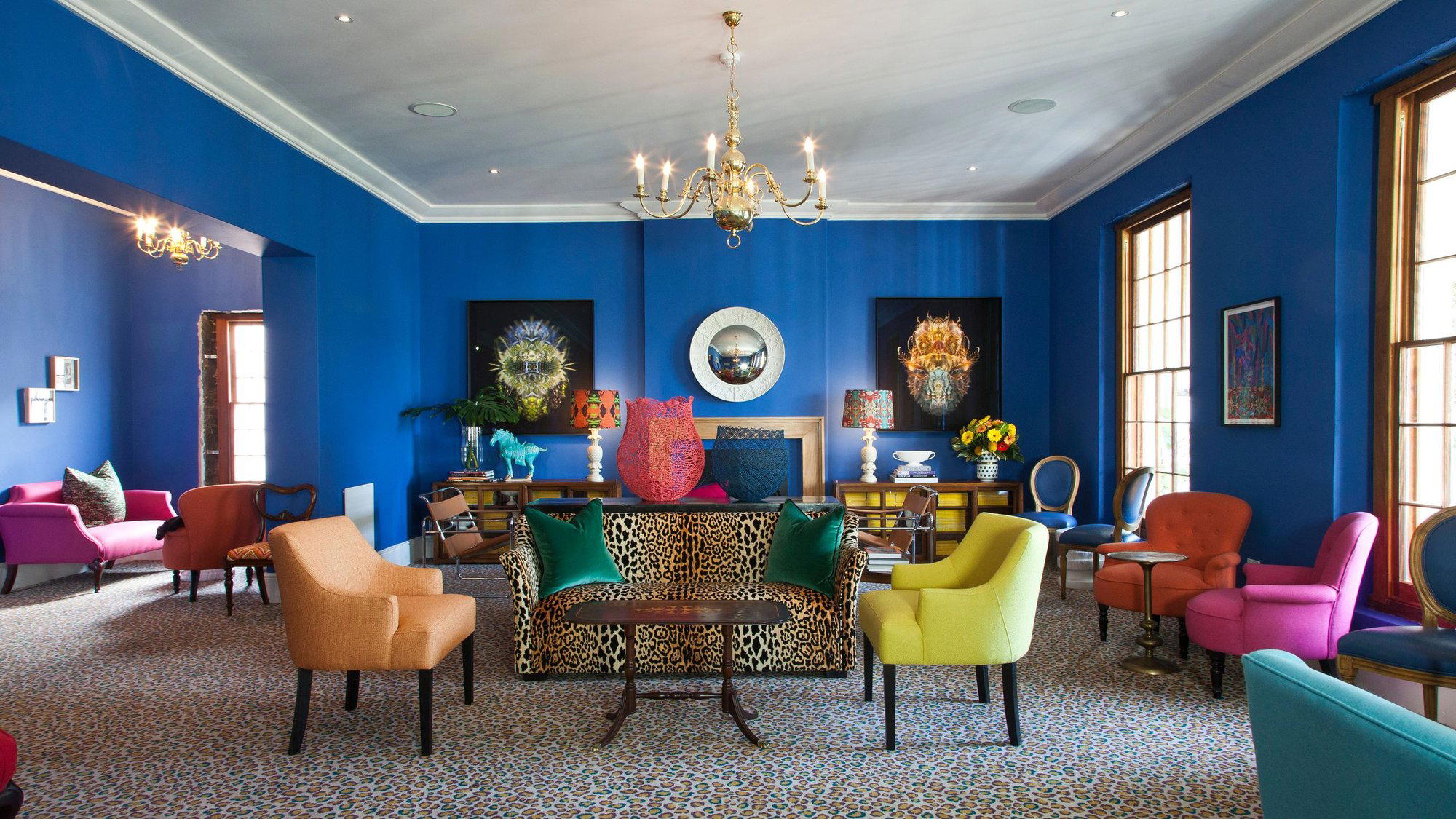
Gardens and the Quieter Side of Cape Town Dining
Cape Town's dining reputation is built on a handful of addresses that absorb most of the international attention: the long-running tasting-menu programmes at The Test Kitchen, the Japanese-inflected precision of Fyn, the clifftop setting of La Colombe, and the restrained confidence of Salsify at the Roundhouse. Beyond that circuit, the Gardens neighbourhood operates at a different frequency. The streets between the Company's Garden and De Waal Park have accumulated a layer of independent restaurants and bars that function less as destinations for out-of-town food tourism and more as the daily infrastructure of a residential city quarter. The Stack is a restaurant serving Authentic French Brasserie cuisine at 7 Weltevreden St, Gardens, Cape Town, 8001, South Africa, at a price tier of 3.
Approaching from the Company's Garden side, the street drops toward the lower slopes of Table Mountain, and the neighbourhood's character becomes readable in the architecture: converted Victorian terraces, a few mid-century apartment blocks, and the kind of small retail that survives on foot traffic from locals rather than taxi drop-offs. It is a different entry point into Cape Town than the V&A Waterfront or the Biscuit Mill on a Saturday, and the dining register follows accordingly.
Sustainability as Operating Logic, Not Marketing
Across South Africa's more considered restaurants, the relationship between kitchen and supply chain has shifted from a talking point into an operating decision with real consequences for menus and pricing. The trajectory is visible at venues across the country: Wolfgat in Paternoster built its entire identity around foraged and hyper-local coastal ingredients, while Delheim Wine Estate in Stellenbosch has integrated estate-grown produce into a hospitality model that spans wine, food, and land stewardship. The logic in each case is the same: sourcing decisions made upstream shape what lands on the plate, and transparency about those decisions has become a credibility signal for the restaurants that care about it.
In Gardens, the proximity to the Western Cape's farming hinterland is an operational advantage. Produce from the Franschhoek Valley, protein from the Karoo, and seafood from the Atlantic seaboard are all within a supply chain that, at its most direct, cuts out several intermediary steps. Restaurants in this tier of the city's scene, operating without the overhead of large hotel operations or the theatre budgets of destination tasting-menu rooms, often find that ethical sourcing and cost discipline point in the same direction: shorter supply chains, less waste, and menus that shift with what is actually available rather than what a fixed menu requires year-round.
The Stack's address in this neighbourhood places it within that conversation. What the Gardens context implies is a kitchen operating closer to the city's residential metabolism than to its tourism surface layer, which typically means a different relationship with producers, a less formalised booking structure, and a menu that reflects seasonal availability more honestly than a venue engineered around a fixed tasting format.
Where The Stack Sits in the City's Broader Scene
Cape Town's restaurant market has developed a clear tiering over the past decade. At the summit, venues with international awards and waiting lists measured in weeks or months set the reference points. Below that, a mid-tier of serious neighbourhood restaurants operates with genuine culinary ambition but without the overhead or the profile of the leading table. This is where most of the city's day-to-day dining actually happens, and where value, consistency, and the relationship between kitchen and regular clientele matter more than a single transformative meal.
The comparison set for a venue like The Stack is not La Colombe or Fyn but rather the cluster of independent restaurants in Gardens, Tamboerskloof, and the lower slopes that serve a local clientele with consistent quality and a clear point of view. Within that peer group, the question is less about awards and more about whether the kitchen has a coherent identity: what it sources, how it treats ingredients, and whether the room has a personality that reflects something other than generic hospitality.
For visitors already familiar with the headline addresses, including 95 at Parks in the surrounding area, the Gardens neighbourhood offers a second tier of engagement with the city's food culture that the standard itinerary often skips. The same dynamic plays out across South Africa's food cities: in Johannesburg, Sympathy's Restaurant and Foundry in Sandton represent that second-tier seriousness, as does Capito in Pretoria. The pattern repeats at the country's lodge dining rooms, where venues like Silvan Safari Lodge and Londolozi Game Reserve have applied similar sourcing logic to remote locations.
Planning a Visit
The restaurant is located at 7 Weltevreden Street in Gardens, reachable on foot from the Company's Garden and a short drive or ride-share from the V&A Waterfront or the City Bowl. The Gardens neighbourhood is walkable and well-served by the city's ride-hailing infrastructure, which is the practical default for most visitors. This is standard practice for independent Cape Town restaurants, many of which adjust their formats seasonally or shift service patterns in response to demand.
Those extending their trip into the Winelands should note that Le Quartier Français in Franschhoek operates at a significantly different scale and price point, while Wolfgat in Saldanha Bay represents the coastal foraging tradition at its most developed. For those travelling beyond South Africa, the ethical-sourcing conversation has international parallels in venues as different as Le Bernardin in New York City and Lazy Bear in San Francisco, both of which have built serious reputations on ingredient provenance alongside technique. The Ellerman House in Bantry Bay represents the Cape Town end of that international conversation for those seeking a more formal wine-and-food pairing context within the city.
A Tight Comparison
Comparable venues nearby, for context on price, style, and recognition.
| Venue | Cuisine | Price | Notes |
|---|---|---|---|
| The StackThis venue — the venue you are viewing | City Bowl, Authentic French Brasserie | $$$ | Not listed |
| Thali | City Bowl, Modern Indian Tapas | $$$ | Not listed |
| PIER | Not listed | $$$$ | Schotschekloof, Contemporary French Fine Dining |
| La Petite Tarte | Bo-Kaap, French Bakery Café | $$ | Not listed |
| Grub & Vine Norval | Westlake, Polished Bistro | $$$ | Not listed |
| Lievita | Not listed | $$ | Schotschekloof, Authentic Neapolitan Pizza & Pasta |
Continue exploring
More in Cape Town
Restaurants in Cape Town
Browse all →
Bars in Cape Town
Browse all →
Hotels in Cape Town
Browse all →
At a Glance
- Elegant
- Sophisticated
- Trendy
- Modern
- Date Night
- Business Dinner
- Special Occasion
- Terrace
- Historic Building
- Extensive Wine List
- Local Sourcing
- Garden