The Smile
On Bond Street in NoHo, The Smile occupies one of downtown Manhattan's more quietly persistent addresses. The menu structure here speaks to a particular strand of New York casual dining: ingredient-forward, accessible in register but considered in execution. For a neighbourhood that has absorbed wave after wave of restaurant openings, that staying power is its own form of credibility.
- Address
- 26 Bond St, New York, NY 10012
- Phone
- +1 646 370 1446
- Website
- thesmilenyc.com
- Directions
- Get directions
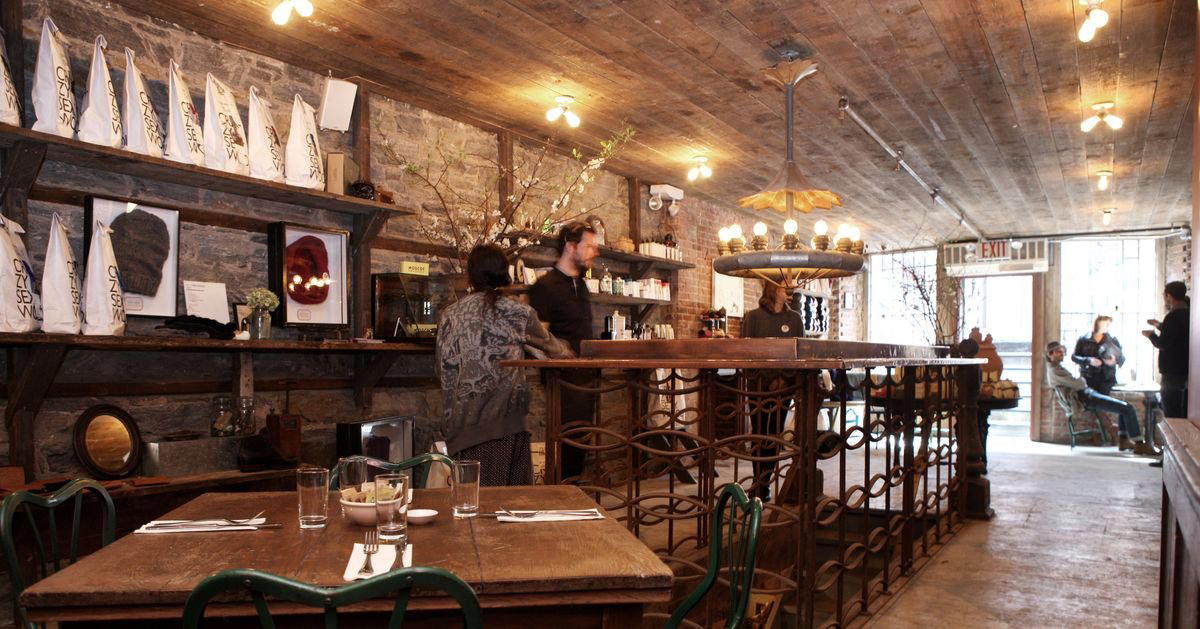
Bond Street and the Downtown Dining Register
NoHo has always occupied an awkward position in the New York dining hierarchy. Geographically wedged between the high-volume energy of the East Village and the more polished register of SoHo, it has produced fewer marquee dining destinations than either neighbour, but a higher proportion of restaurants that simply last. The Smile, at 26 Bond Street, belongs to that category. The Smile is a permanently closed Mediterranean-Inspired Cafe in New York City, at 26 Bond St, New York, NY 10012, with a casual dress code and recommended reservations. In a neighbourhood where openings arrive with considerable noise and often depart just as quickly, longevity on Bond Street is a point worth reading carefully.
The address itself carries a particular character. Bond Street in NoHo sits at a remove from the louder commercial corridors of Broadway and Lafayette, which makes it more residential in feel than most of lower Manhattan. Restaurants here tend to build repeat clientele rather than destination traffic, and menus that survive in that context tend to be structured around repeat appeal rather than novelty. That dynamic shapes what The Smile is, more than any single curatorial decision about the food.
How the Menu Architecture Speaks
In New York's broader casual dining conversation, one durable format has been the all-day menu or the loosely European-influenced cafe model: dishes that work across meal occasions, portions calibrated for solo diners and shared tables alike, and a price register that sits below the omakase and tasting-menu tier without sliding into fast-casual. This is a competitive and crowded category, but it is also the category where downtown Manhattan has historically found its character, distinct from the $$$$ tasting rooms represented by Le Bernardin, Per Se, or Eleven Madison Park.
What menu architecture reveals, in any restaurant that has sustained itself over time in a neighbourhood like NoHo, is where the kitchen's confidence actually sits. Menus that survive repeat visits tend to have a clear logic to them: anchors that hold, lighter options that rotate with season or availability, and a drinks program that complements rather than competes. The downtown casual format rewards this kind of structural discipline because the clientele is not coming for occasion dining. They are coming back on a Tuesday because the last visit warranted it.
This positions the restaurant in a meaningfully different comparable set from the Michelin-starred counters or the high-investment tasting formats that define New York's upper dining bracket. Comparable reference points exist across other American cities where the same format has produced durable institutions: Lazy Bear in San Francisco operates at a different price and formality register but shares the same underlying logic of a menu with clear structural intent, while Smyth in Chicago represents what happens when that same discipline is applied at finer-dining scale.
NoHo in the Context of New York's Dining Geography
New York's restaurant map has always sorted itself by neighbourhood character as much as by cuisine category. The upper-bracket rooms, places like Masa or Atomix, cluster in Midtown and the upper reaches of the dining hierarchy and draw destination traffic from outside the city. Downtown's persistent strength, particularly in NoHo, has been in restaurants that anchor a community rather than attract a circuit. That is a different kind of value, and it operates on a different kind of trust.
Bond Street specifically has seen this play out across multiple restaurant generations. The street's low-key physical character, the cast-iron buildings, the relative quiet compared to nearby thoroughfares, tends to filter for a particular diner: one who found the place intentionally rather than by foot traffic. Restaurants that survive in that context build their reputations through word of mouth and return visits rather than through the opening-week surge that powers many of New York's more conspicuous launches.
And for those tracing how ingredient-forward casual formats have developed across American cities, the work being done at Blue Hill at Stone Barns in Tarrytown, Single Thread Farm in Healdsburg, and Frasca Food and Wine in Boulder provides useful reference for how sourcing philosophy gets built into menu structure at varying price tiers.
Placing The Smile in a Broader American Dining Moment
The casual but considered format that Bond Street restaurants tend to represent is part of a wider shift across American dining. The binary between formal fine dining and fast-casual has narrowed considerably over the past decade, with a growing middle tier that takes ingredients and technique seriously without the ceremony of a tasting menu. Venues like Providence in Los Angeles, Addison in San Diego, and Emeril's in New Orleans each occupy distinct positions on that spectrum in their respective cities, and they share with the restaurant's neighbourhood context the same underlying question: what does a restaurant owe its local community, versus what it offers visiting diners?
At the international level, that same tension between local rootedness and destination appeal shows up in different contexts, from Atelier Moessmer Norbert Niederkofler in Brunico to Dal Pescatore in Runate, where geographic specificity is itself the editorial point. NoHo's version of that argument is lower-key, but the underlying logic holds: a restaurant on Bond Street survives because of what it means to the people who return to it, not because of what it projects outward.
Know Before You Go
| Address | 26 Bond St, New York, NY 10012 |
|---|---|
| Neighbourhood | NoHo, Manhattan |
| Price Range | $25 per person |
| Reservations | Reservations are recommended |
| Hours | Confirm directly with the restaurant before visiting |
| Nearest Subway | Broadway-Lafayette St (B, D, F, M) and Bleecker St (6) are the closest stations |
Recognition, Side-by-Side
Comparable venues nearby, for context on price, style, and recognition.
| Venue | Cuisine | Price | Notes |
|---|---|---|---|
| The SmileThis venue — the venue you are viewing | Mediterranean-Inspired Cafe | $$ | Not listed |
| Ali Baba Mediterranean Cuisine | Mediterranean & Turkish | $$ | East Midtown-Turtle Bay |
| taïm mediterranean kitchen | Mediterranean Street Food | $$ | West Village |
| Jack's Wife Freda | Mediterranean-Inspired All-Day Café | $$ | West Village |
| TESSA | Modern Mediterranean | $$$ | Upper West Side (Central) |
| Neighborly Oaxacan | Traditional Oaxacan | $$ | Not listed |
Continue exploring
More in New York City
Restaurants in New York City
Browse all →

Bars in New York City
Browse all →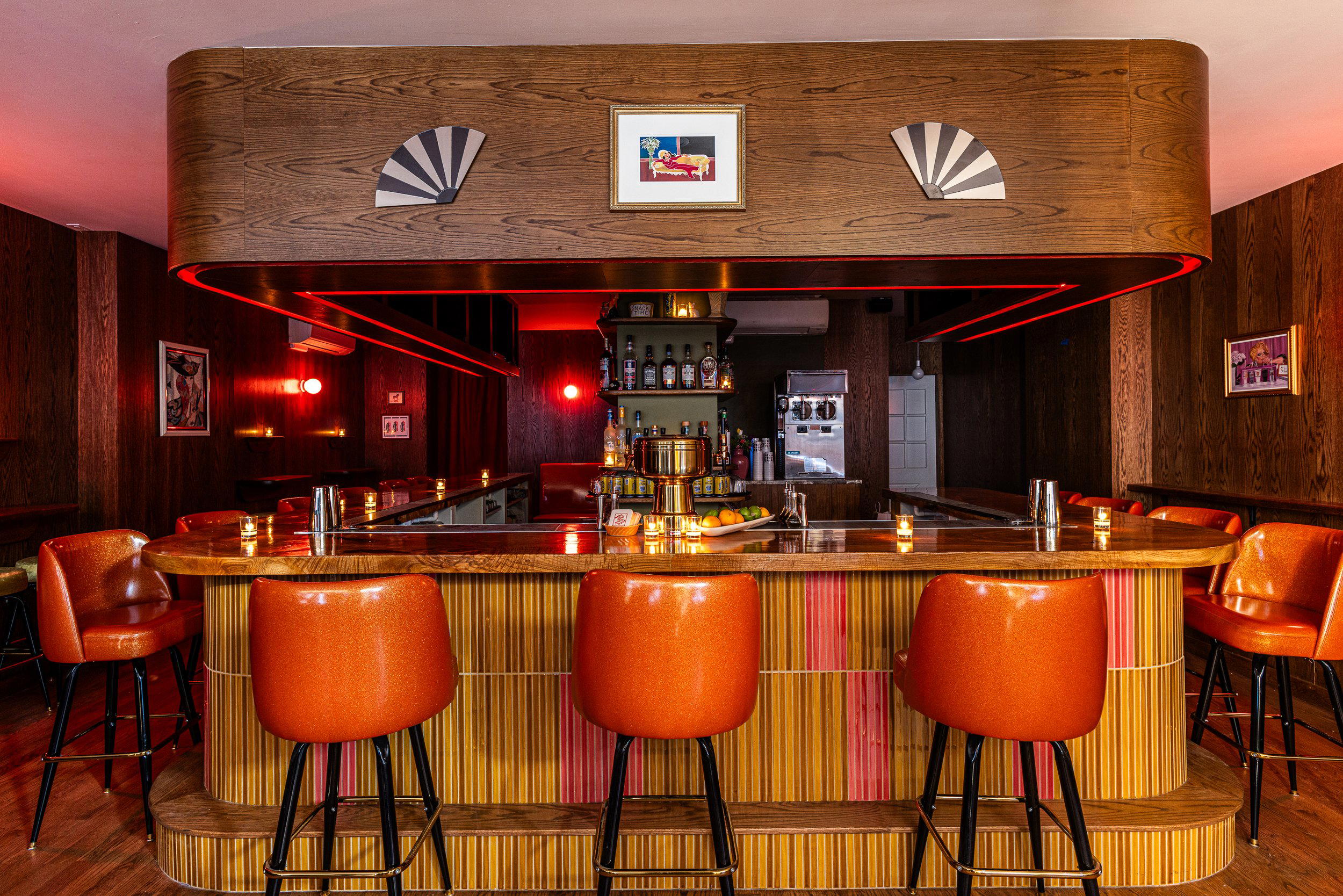
Hotels in New York City
Browse all →








At a Glance
- Trendy
- Cozy
- Modern
- Casual Hangout
- Brunch
- After Work
- Open Kitchen
- Craft Cocktails
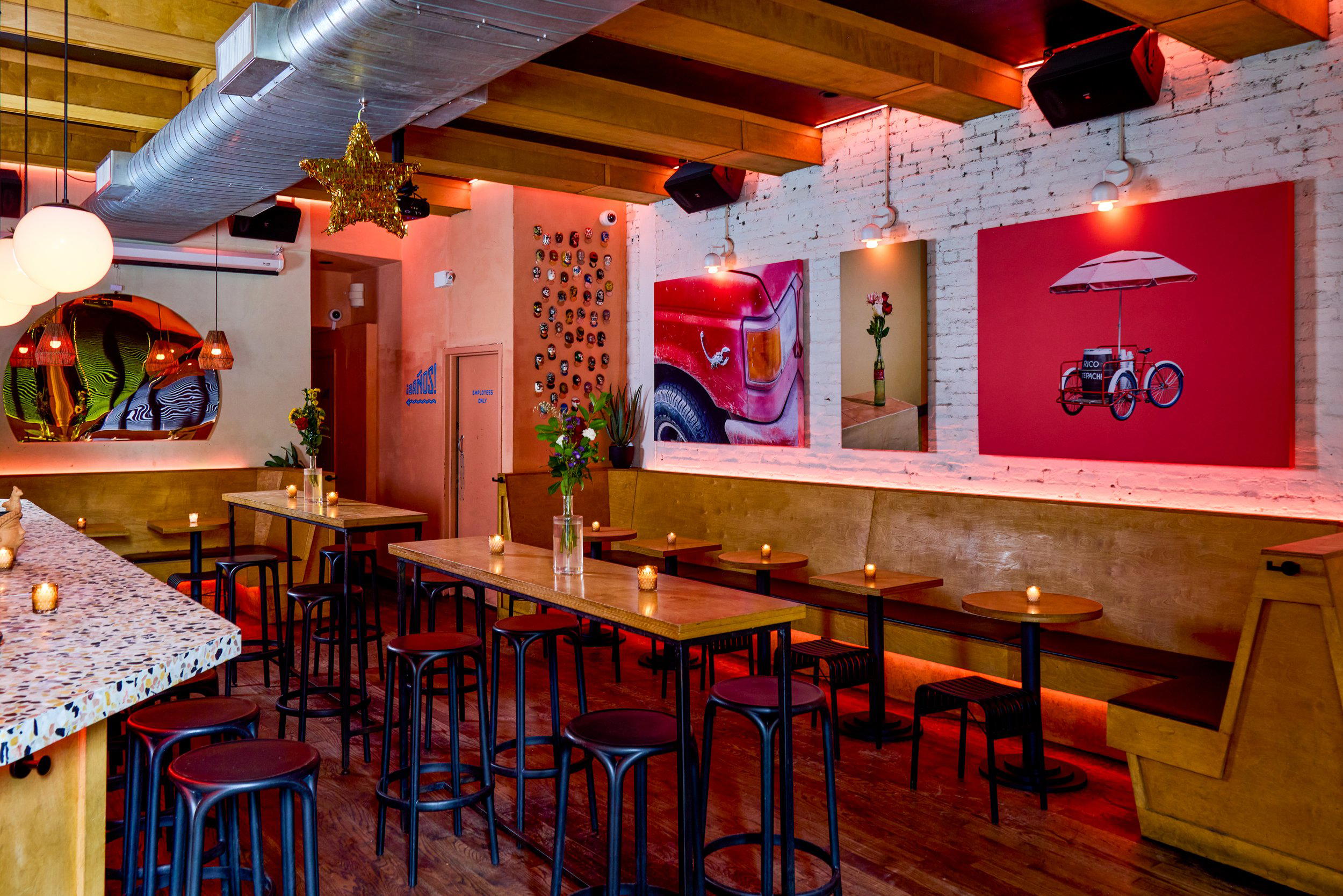
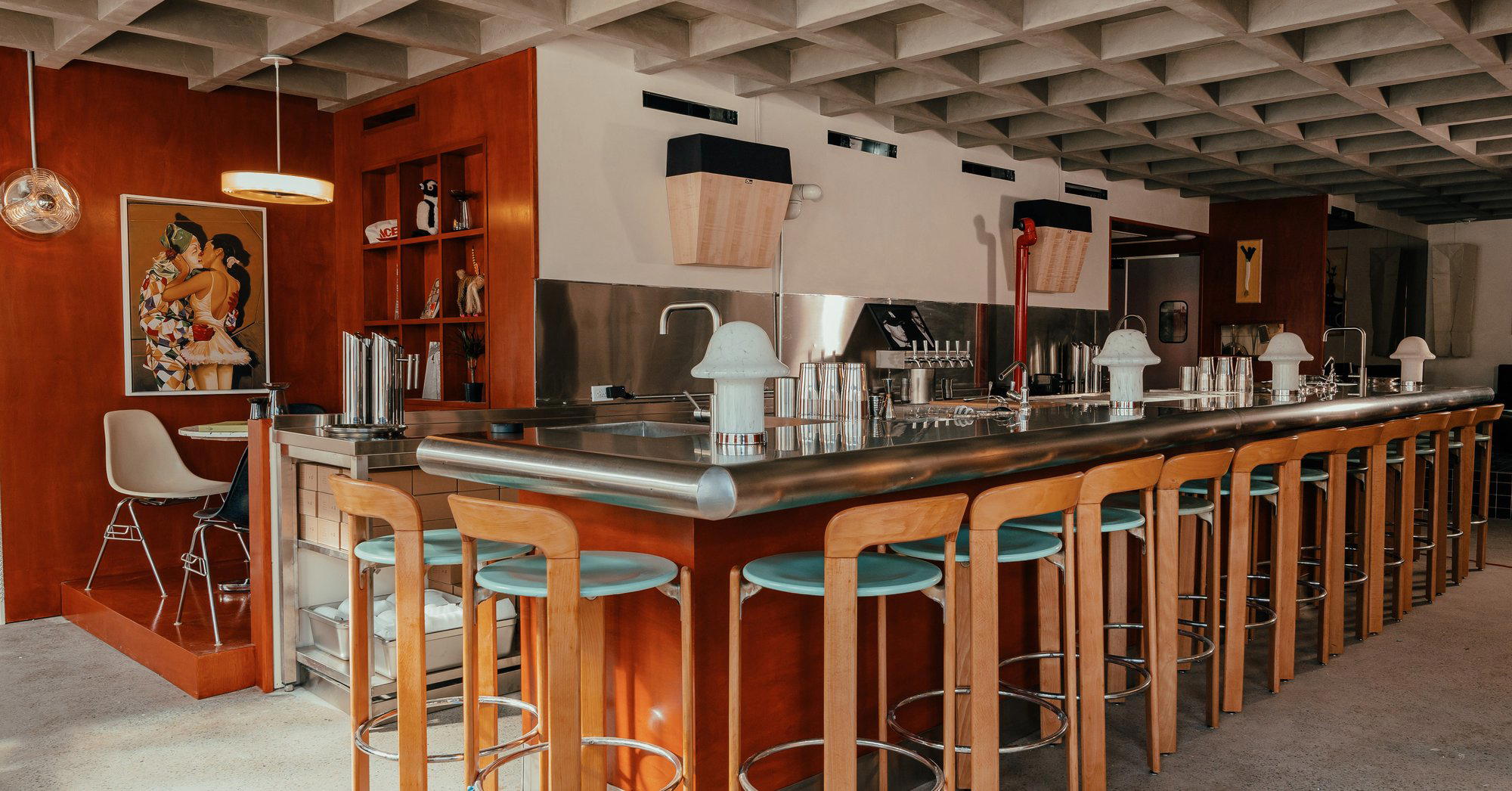
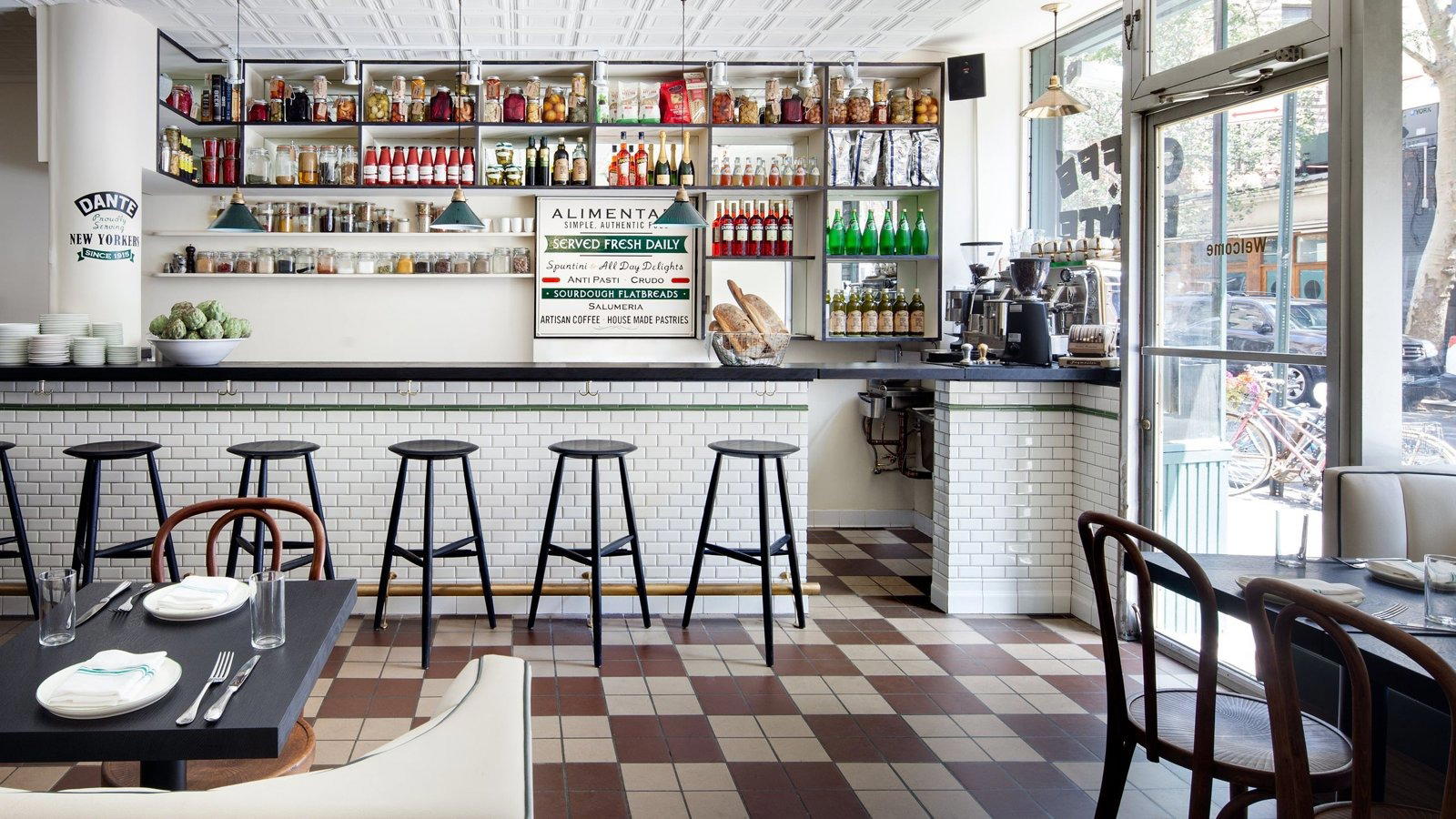
Casual, trendy atmosphere popular with creatives and influencers, featuring counter service and limited seating.