The Sea, The Sea


Michelin Plate
Our verdict
Part fishmonger, part seafood bar, The Sea, The Sea occupies a semi-pedestrianised Chelsea mews off Sloane Square. Chef Leandro Carreira's menu strips fish and shellfish back to their essentials, with dry-aged seafood alongside prime-fresh catches. A Michelin Plate holder ranked #188 in Opinionated About Dining's Casual Europe list for 2025, it sits at the quieter, more considered end of London's seafood scene.

Pearl is the En Primeur Club membership app, where members save venues, book tables and use the concierge.
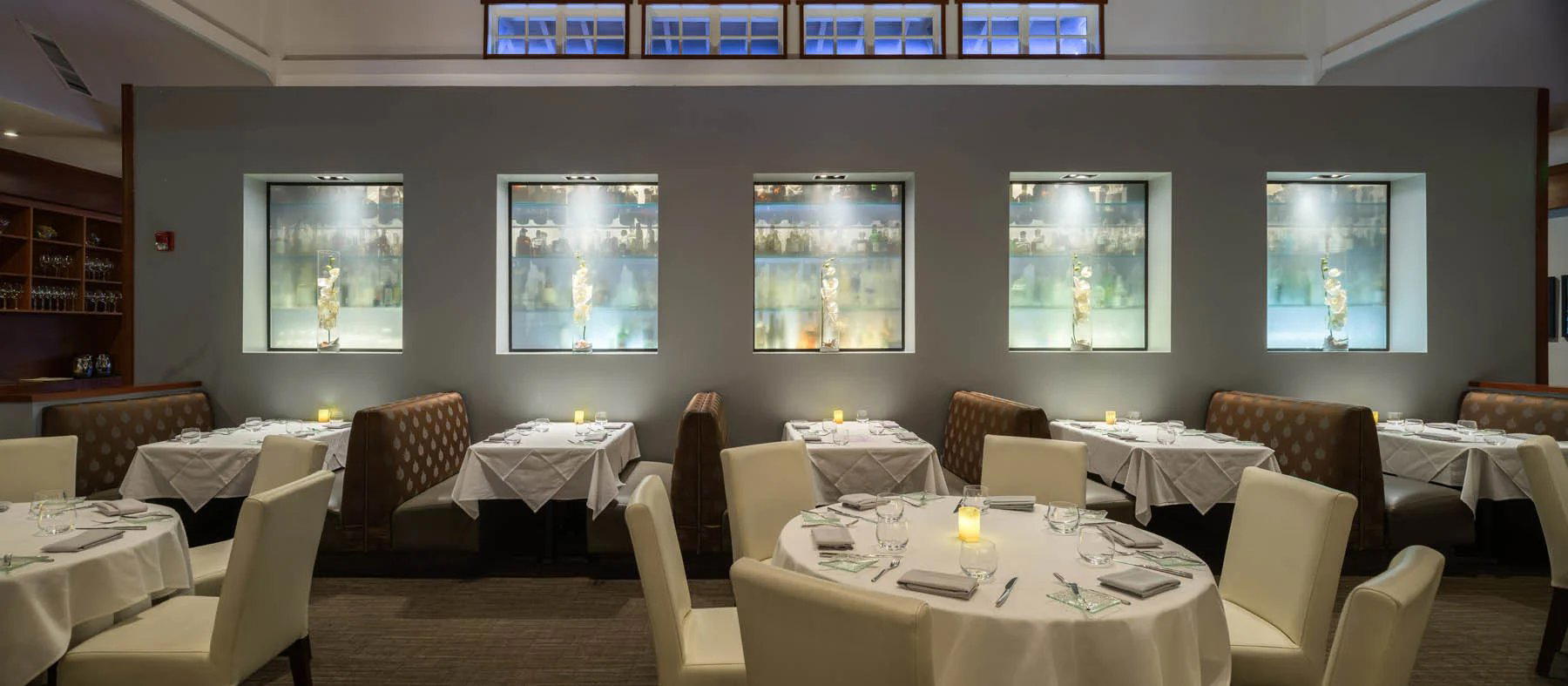
A Fishmonger Counter That Doubled as a Restaurant
London's serious seafood addresses tend to cluster around two poles. On one side, the grand dining-room tradition: white tablecloths, trolleys of crustaceans, and a wine list priced to match the postcodes they occupy. Think J. Sheekey, which has anchored that format in Covent Garden for well over a century. On the other, the raw-bar and counter format, which has expanded sharply since the early 2010s as London diners started treating fish with the same ingredient-led seriousness applied to, say, natural wine. The Sea, The Sea sits firmly in the second tradition, though it adds a wrinkle: it operates simultaneously as a fishmonger, which means the line between what you buy to cook at home and what ends up on your plate is deliberately thin. That dual identity is not an affectation. It is a structural commitment to the idea that seafood quality is more legible when the sourcing is visible.
Pavilion Road, the semi-pedestrianised Chelsea mews where The Sea, The Sea opened, has become one of the more coherent small-format food streets in London. The setting shapes the register: this is neighbourhood-scaled, not destination-scaled. That contrast matters when you position it against the ££££ tier occupied by places like Angler or the riverside grandeur of River Restaurant by Gordon Ramsay. The Sea, The Sea prices at ££, which in Chelsea signals restraint rather than compromise.
What the Kitchen Actually Does with Fish
The approach here connects to a wider shift in how premium seafood is handled in European restaurants. For decades, the default was classical French technique: butter-mounted sauces, precise fillet cookery, structured garnish. That template still dominates the ££££ end. What the past decade has produced, particularly in Nordic and Iberian-influenced kitchens, is a counter-tradition that asks whether the fish is better served with fewer interventions. The Sea, The Sea operates inside that counter-tradition, but it adds a technique that is less common in British seafood: dry-ageing.
Dry-ageing beef is now a settled part of the London dining conversation. Dry-ageing fish is not, and it changes the product in ways that are less familiar to diners. The process draws moisture out of the flesh and concentrates flavour in ways that prime-fresh fish, however good, does not replicate. The Sea, The Sea runs both on the menu simultaneously, which means the kitchen is making a distinction between textural freshness and depth of flavour, rather than treating one as superior to the other. That is a more nuanced position than most seafood restaurants in the city take. Chef Leandro Carreira, whose background includes time at serious European kitchens, brings the kind of technical grounding that makes dry-ageing fish a deliberate choice rather than a novelty. For direct international comparison, the stripped-back coastal philosophy practised here has parallels with operations like Gambero Rosso in Marina di Gioiosa Ionica and Alici on the Amalfi Coast, where the argument is always that the sea's produce needs editing, not amplification.
The Sea, The Sea holds a Michelin Plate as of 2025, which in Michelin's current framework signals cooking worth noting without claiming the full-star designation. More telling is its position in the Opinionated About Dining Casual Europe ranking, where it climbed from a recommendation in 2023 to #239 in 2024 and #188 in 2025. OAD's Casual Europe list is significant context: it tracks the kind of lower-formality, high-ingredient-quality restaurants that Michelin's traditional category structure sometimes undersells. A venue moving up that list three years consecutively is building a reputation among the crowd that follows ingredient sourcing and kitchen philosophy closely, rather than chasing ceremony.
The more relevant comparisons are with Olivomare in Belgravia, which occupies a similar Sardinian-seafood register nearby, and Behind Restaurant in London's east, which applies a comparable stripped-back precision to its tasting format. For readers who track the broader UK fine-dining circuit, the level of craft here is worth contextualising against celebrated out-of-town addresses like The Fat Duck in Bray, L'Enclume in Cartmel, Moor Hall in Aughton, Gidleigh Park in Chagford, Hand and Flowers in Marlow, and Le Manoir aux Quat' Saisons in Great Milton. Those destinations operate at a different price point and register, but the ingredient seriousness at The Sea, The Sea is not a lower-tier version of that ambition; it is a different expression of it.
How to Plan Your Visit
The Sea, The Sea at 174 Pavilion Road, SW1X 0AW is a short walk from Sloane Square Underground station on the District and Circle lines. The address is accessible from Chelsea or Knightsbridge, and the Pavilion Road mews character means the approach is noticeably quieter than the main King's Road a few streets away.
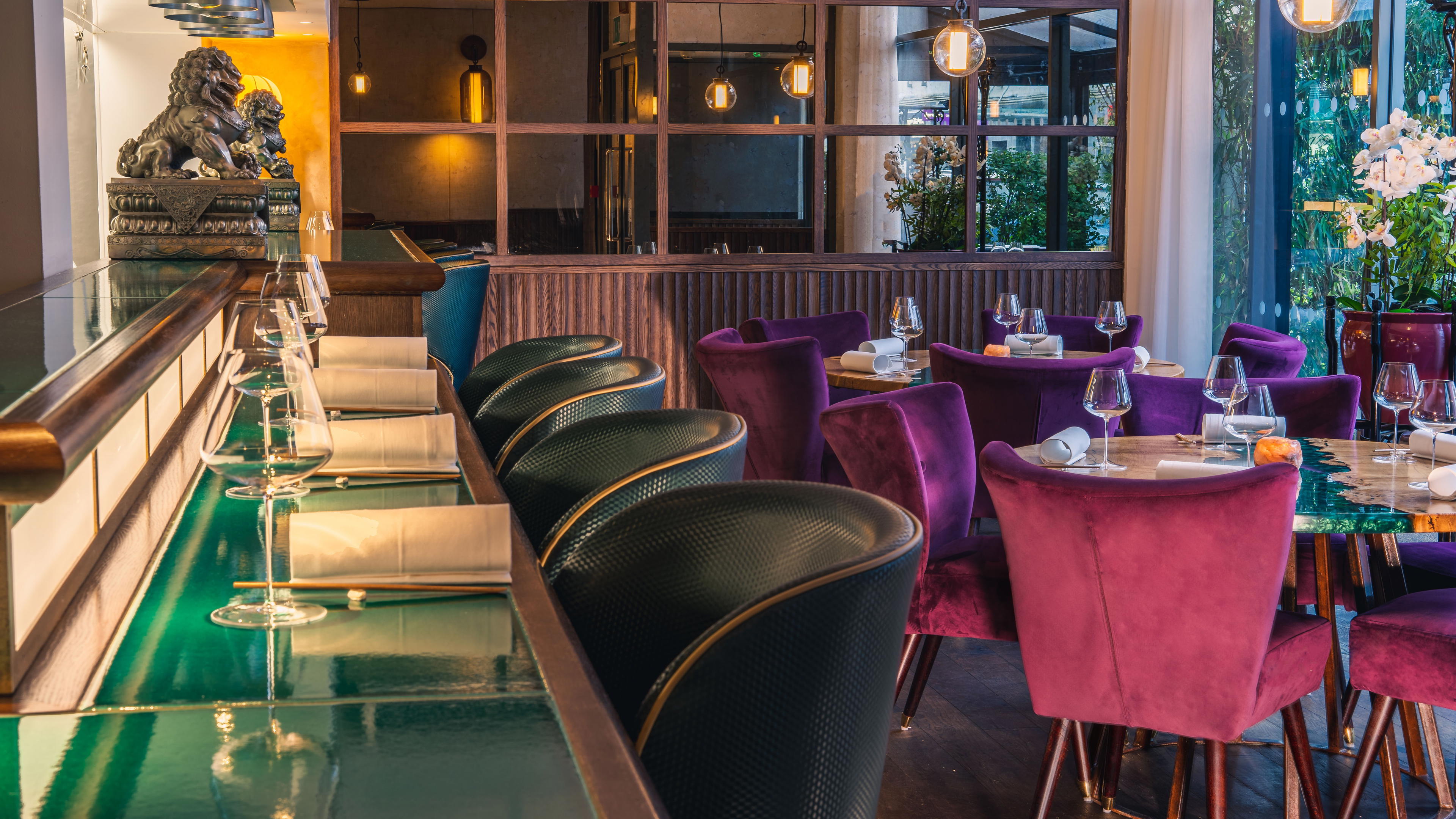
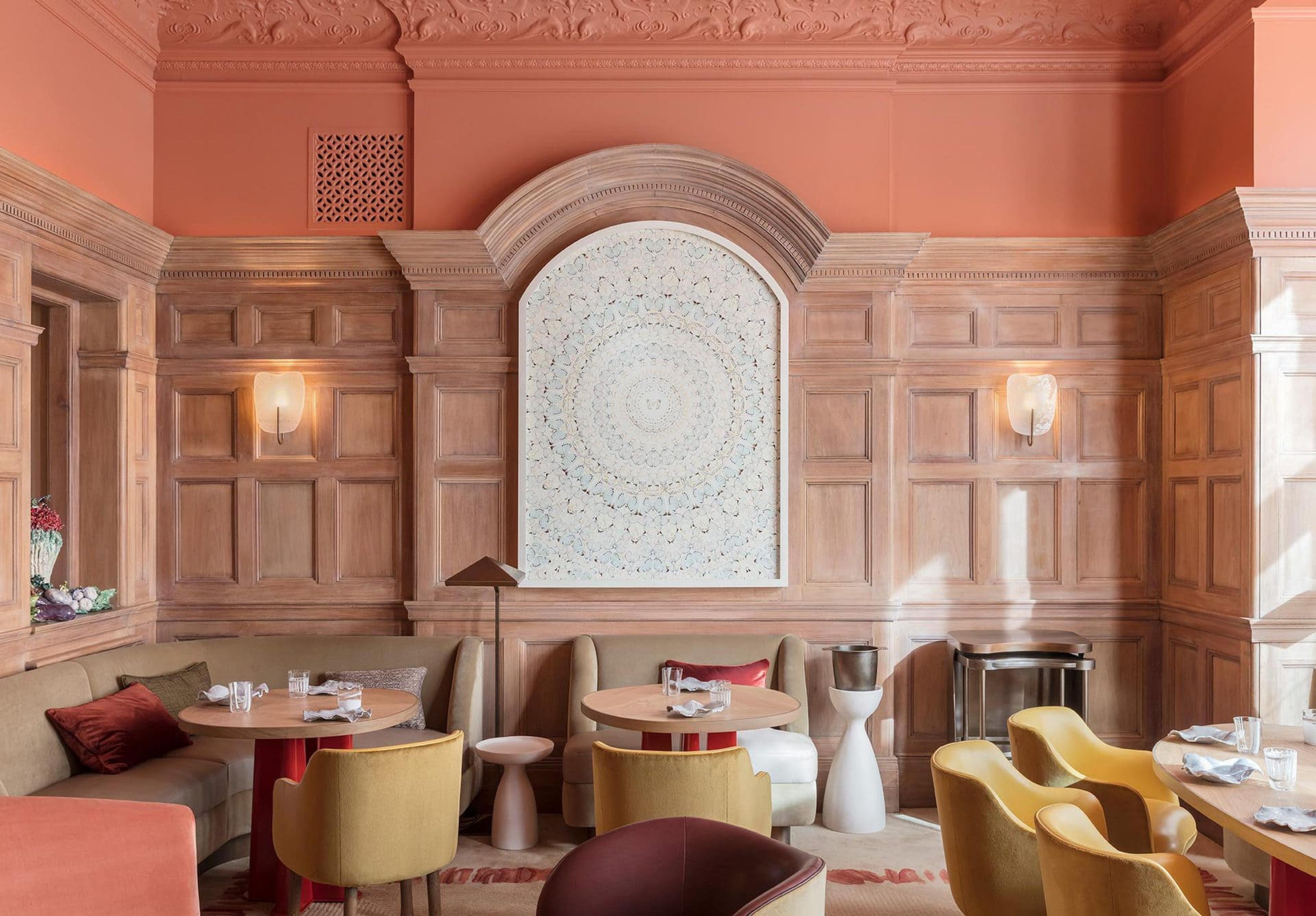
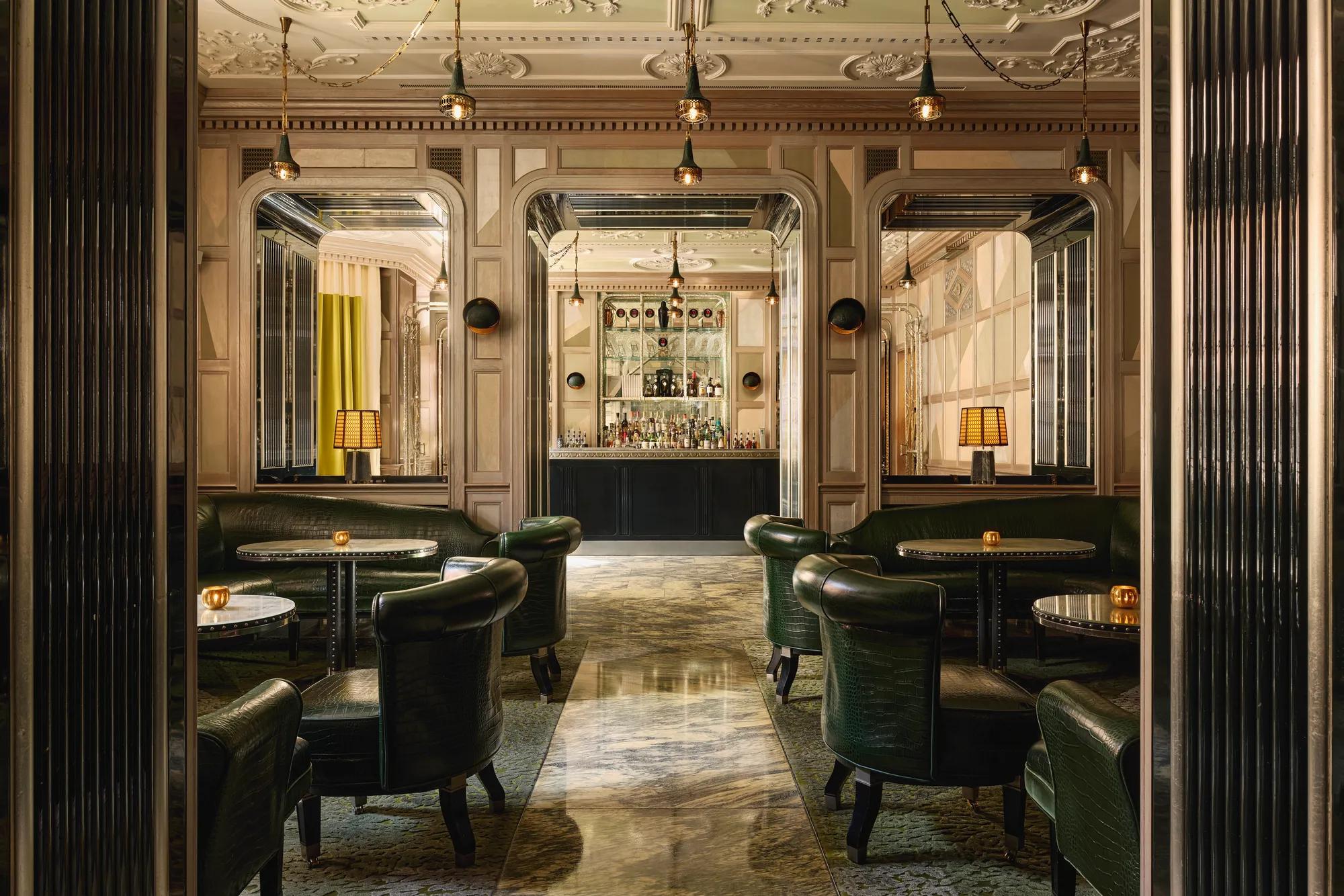
The format splits across two distinct modes. The daytime schedule, Monday through Saturday from 9am to 4pm and Sunday from noon to 3:30pm, runs at a pace that suits the fishmonger half of the operation and lighter eating. Evening service, from 6pm to 9:30pm Tuesday through Saturday, is where the full counter-restaurant experience sits. The terrace is available for lunch in good weather; the interior, described as understated, is the evening proposition. Given the OAD trajectory and the Chelsea postcode, evening tables during the week are the pragmatic booking window if flexibility allows.
For a fuller picture of where The Sea, The Sea fits within the city's options, see our full London restaurants guide. If you are planning accommodation nearby, our full London hotels guide covers the relevant options. Readers exploring the broader scene will also find our full London bars guide, our full London wineries guide, and our full London experiences guide useful companions.
Frequently asked questions
What part of town is The Sea, The Sea in?
The Sea, The Sea is located at 174 Pavilion Rd, London SW1X 0AW, United Kingdom, London.
Who is the chef connected to The Sea, The Sea?
The chef associated with The Sea, The Sea is Leandro Carreira.
What should I order at The Sea, The Sea?
The menu shifts constantly based on what the fishmonger counter is holding that day, so there is no fixed signature dish to target. The kitchen works in two registers: some seafood is served at peak freshness, while select cuts are dry-aged to develop deeper flavour, a technique increasingly common in high-end European fish kitchens but still rare in London at this price point (££). The Michelin Plate recognition in 2025 and consecutive Opinionated About Dining rankings point to consistency in the shellfish and stripped-back fish preparations, which are the core of the menu rather than a garnish to it. Ask the counter what arrived that morning and order accordingly.
What should I expect cuisine-wise at The Sea, The Sea?
How much does it cost to eat at The Sea, The Sea?
Pricing at The Sea, The Sea is listed as ££.
At-a-Glance Comparison
Comparable options at a glance, pulled from our tracked venues.
| Venue | Cuisine | Price | Awards | Notes |
|---|---|---|---|---|
| The Sea, The SeaThis venue (the venue you are viewing) | Modern Seafood Bar | $100–150 | Michelin Plate | Not listed |
| The Ledbury | Modern British Fine Dining | $300–500 | 3 Michelin Stars · World's 50 Best #42 | Modern European, Modern Cuisine |
| Sketch, The Lecture Room and Library | Modern French Fine Dining | $200–300 | 3 Michelin Stars · World's 50 Best #18 | Modern French |
| CORE by Clare Smyth | Modern British Fine Dining | $150–200 | 3 Michelin Stars · World's 50 Best #97 | Modern British |
| Restaurant Gordon Ramsay | French Fine Dining | $200–300 | 3 Michelin Stars · World's 50 Best #13 | Contemporary European, French |
| Dinner by Heston Blumenthal | Historic British Fine Dining | $200–300 | 2 Michelin Stars · World's 50 Best #45 | Modern British, Traditional British |
Recognition history
Dated appearances from independent guides and award organizations, with the underlying list record or original source where available.
Michelin Plate
Michelin
Opinionated About Dining Casual in Europe Highly Recommended
Opinionated About Dining
Full recognition history (9 entries)
Michelin Plate
Michelin
Opinionated About Dining Casual in Europe Ranked #188
Opinionated About Dining
Michelin Plate
Michelin
Opinionated About Dining Casual in Europe Ranked #239
Opinionated About Dining
Opinionated About Dining Top Restaurants in Europe Ranked #418
Opinionated About Dining
Opinionated About Dining Top New Restaurants in Europe Recommended
Opinionated About Dining
Opinionated About Dining Casual in Europe Recommended
Opinionated About Dining